Retail and E-commerce Logistics Freight Insurance: A Complete Guide
The explosive growth of e-commerce and retail logistics has transformed how businesses move goods from manufacturers to consumers. With this transformation comes increased exposure to risk. Every day, millions of parcels, pallets, and containers travel across roads, seas, and skies, and each movement represents potential financial exposure. Freight insurance has become an essential safeguard for retail and e-commerce businesses navigating this complex logistics landscape.
Understanding Freight Insurance in the Digital Retail Era
Freight insurance, also known as cargo insurance or goods in transit insurance, protects businesses against financial loss when goods are damaged, lost, or stolen during transportation. For retail and e-commerce operations, this coverage extends across multiple touchpoints: from supplier warehouses to distribution centers, from fulfillment facilities to customer doorsteps.
The traditional retail model involved predictable, high-volume shipments between established locations. E-commerce has disrupted this pattern entirely. Modern retail logistics now encompasses international suppliers, third-party logistics providers, multiple carrier networks, last-mile delivery services, and reverse logistics for returns. Each stage introduces unique risks that standard business insurance may not adequately cover.
Why Retail and E-commerce Businesses Need Specialized Freight Insurance
Many business owners mistakenly believe their general business insurance or the carrier's liability coverage provides sufficient protection. This assumption can prove costly. Carrier liability is typically limited by law and often covers only a fraction of the actual value of goods. For example, standard carrier liability might cover just £1.30 per kilogram, meaning a £5,000 shipment could receive only £130 in compensation if lost.
E-commerce businesses face particular vulnerabilities. High-value electronics, fashion items, cosmetics, and specialty goods require protection that reflects their true market value. Seasonal inventory spikes during peak trading periods like Black Friday or Christmas dramatically increase exposure. International sourcing adds layers of complexity with goods crossing multiple borders and changing hands between various carriers and freight forwarders.
The financial impact of uninsured freight loss extends beyond the immediate product value. Businesses must consider replacement costs, expedited shipping to fulfill customer orders, potential customer refunds, damage to brand reputation, and lost profit margins. For small to medium-sized e-commerce operations, a single significant uninsured loss can threaten business viability.
Key Risks in Retail and E-commerce Logistics
Transportation Risks
Road transport accounts for the majority of domestic freight movements. Accidents, vehicle breakdowns, theft from vehicles, and hijacking represent constant threats. E-commerce parcels are particularly vulnerable during the last-mile delivery phase when goods move through multiple handling points and may be left unattended at delivery locations.
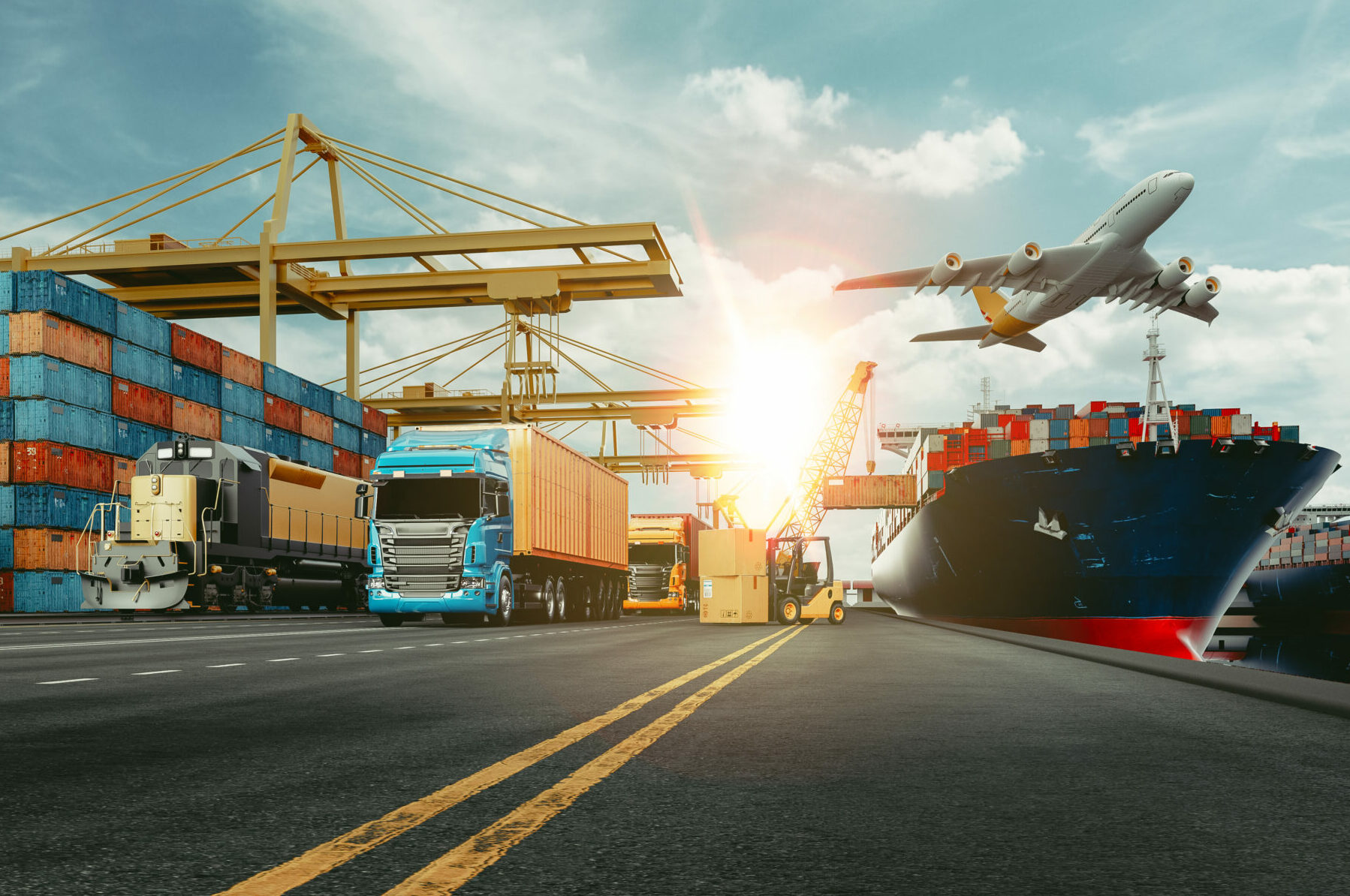
Sea freight, essential for international e-commerce sourcing, exposes goods to storm damage, vessel sinking, container loss overboard, and port handling damage. Air freight, while faster and generally safer, still carries risks of mishandling, aircraft incidents, and weather-related delays that can damage time-sensitive goods.
Storage and Handling Risks
Goods rarely travel directly from origin to destination. They pass through warehouses, distribution centers, cross-docking facilities, and fulfillment centers. Each transfer point introduces handling risks: forklift damage, incorrect storage conditions, inventory mix-ups, and warehouse fires or floods.
For temperature-sensitive products like cosmetics, food items, or pharmaceuticals, refrigeration failures during storage can render entire shipments worthless. E-commerce businesses using third-party fulfillment services must ensure coverage extends to goods held in these facilities.
Theft and Security Risks
Cargo theft has become increasingly sophisticated. Organized criminal networks target high-value retail goods, particularly electronics, designer fashion, and branded products popular in e-commerce. Theft can occur during transport, at unsecured stops, from warehouses, or through fraudulent documentation.
The rise of porch piracy—theft of delivered parcels from customer doorsteps—creates a grey area of responsibility. While technically delivered, these losses often result in customer complaints and refund requests that impact the retailer's bottom line.
International Shipping Complications
Cross-border e-commerce introduces additional complexity. Customs delays can lead to deterioration of perishable goods. Documentation errors may result in goods being seized or returned. Political instability, strikes at ports, or changes in import regulations can strand shipments indefinitely.
Currency fluctuations affect the insured value of international shipments. Goods purchased in one currency but sold in another require careful valuation to ensure adequate coverage. Different countries have varying legal frameworks governing carrier liability and insurance claims, complicating the claims process.
Types of Freight Insurance Coverage
All-Risk Coverage
All-risk policies provide the most comprehensive protection, covering loss or damage from any cause except specifically excluded perils. This coverage suits e-commerce businesses shipping diverse product ranges with varying risk profiles. While premiums are higher, the breadth of protection offers peace of mind and simplifies claims processing.
Typical exclusions include inherent vice (goods damaging themselves due to their nature), inadequate packaging, delay-related losses, and war or terrorism in certain regions. Understanding these exclusions is crucial when selecting coverage.
Named Perils Coverage
Named perils policies cover only specifically listed risks such as fire, collision, overturning, theft, or natural disasters. This more affordable option works for businesses shipping lower-risk goods or using established, secure logistics routes. However, the burden of proof falls on the insured to demonstrate the loss resulted from a covered peril.
Single Shipment vs. Annual Policies
Single shipment insurance covers individual consignments and suits businesses with infrequent or irregular shipping patterns. E-commerce businesses with consistent shipping volumes benefit more from annual open policies that cover all shipments within specified parameters throughout the policy period.
Annual policies offer administrative efficiency—no need to arrange insurance for each shipment—and often provide better rates due to volume. They require accurate forecasting of annual shipping values and regular policy reviews to ensure coverage limits remain appropriate.
Warehouse-to-Warehouse Coverage
This coverage protects goods from the moment they leave the origin warehouse until they arrive at the destination warehouse, regardless of the transportation modes used. For e-commerce businesses, this might mean coverage from the supplier's facility in Asia to the retailer's UK distribution center.
Extended coverage can include storage at intermediate locations, temporary storage during transit, and even coverage during customs clearance. This comprehensive approach eliminates gaps that might exist when coordinating separate policies for different transit stages.
Determining Appropriate Coverage Levels
Accurate valuation is fundamental to effective freight insurance. Under-insurance saves premium costs but leaves businesses exposed to significant losses. Over-insurance wastes money on unnecessary coverage and may complicate claims if insurers suspect inflated values.
For retail and e-commerce businesses, the insured value should typically reflect the cost of goods plus freight charges, insurance premiums, and an anticipated profit margin. This "CIF plus 10%" approach (Cost, Insurance, Freight plus 10% profit) ensures businesses can replace goods and maintain profitability even after a loss.
High-value shipments require special consideration. Electronics, jewelry, designer fashion, and other premium goods may need declared value coverage with higher premiums reflecting their increased risk profile. Some insurers impose per-shipment limits, requiring separate arrangements for exceptionally valuable consignments.
Seasonal businesses must adjust coverage to reflect inventory fluctuations. An e-commerce retailer might have modest shipping values for most of the year but see volumes increase five-fold during the Christmas period. Annual policies should accommodate these peaks without requiring mid-term adjustments.
The Claims Process: What to Expect
When loss or damage occurs, prompt action is essential. Businesses should immediately notify the carrier and insurer, preserve all evidence including damaged goods and packaging, obtain written confirmation of loss or damage from the carrier, and compile supporting documentation such as invoices, packing lists, and photographs.
The claims process typically involves completing a claim form with detailed loss information, providing proof of value through invoices and receipts, submitting evidence of the loss including carrier reports and photographs, and cooperating with insurer investigations or surveys.
Insurers may appoint loss adjusters for significant claims to investigate circumstances, verify values, and assess liability. This process can take weeks or months for complex international claims involving multiple parties.
Common reasons for claim rejection include inadequate packaging that contributed to damage, failure to notify insurers within policy timeframes, discrepancies between declared and actual values, and losses falling within policy exclusions. Understanding policy terms and maintaining meticulous documentation significantly improves claim success rates.
Cost Factors and Premium Considerations
Freight insurance premiums vary based on multiple factors. The nature of goods being shipped significantly impacts cost—high-value, fragile, or theft-prone items command higher premiums than durable, low-value goods. Transportation mode affects pricing, with sea freight generally cheaper to insure than air freight due to lower risk profiles.
Geographic factors play a crucial role. Shipping to politically stable countries with developed infrastructure costs less to insure than routes involving high-risk regions. Domestic UK shipments typically have lower premiums than international movements.
The business's claims history directly influences premium costs. A track record of frequent claims signals higher risk and results in increased premiums or coverage restrictions. Conversely, claims-free periods may qualify for no-claims discounts.
Security measures can reduce premiums. Using approved carriers, implementing GPS tracking, employing secure packaging, and maintaining robust warehouse security demonstrate risk management commitment that insurers reward with better rates.
Annual shipping volumes affect pricing through economies of scale. Higher volumes typically secure better per-shipment rates, making annual policies more cost-effective for established e-commerce operations than single-shipment coverage.
Integrating Freight Insurance into E-commerce Operations
Successful e-commerce businesses integrate freight insurance into their operational workflows rather than treating it as an afterthought. This integration begins with supplier agreements that clearly define responsibility for insurance during international sourcing. Many businesses operate on DDP (Delivered Duty Paid) terms where the supplier arranges insurance, but this may not provide adequate coverage for high-value goods.
Logistics partnerships should include insurance considerations. Third-party logistics providers often offer insurance services, but businesses should verify coverage adequacy and understand whether the 3PL's insurance protects the goods or merely the 3PL's liability.
Technology platforms can streamline insurance management. Some freight insurance providers offer API integrations with e-commerce platforms, automatically insuring shipments based on predefined criteria. This automation reduces administrative burden and eliminates the risk of forgetting to insure individual shipments.
Customer communication about insurance demonstrates professionalism and manages expectations. Clear policies about responsibility for lost or damaged deliveries, options for customers to purchase additional insurance for high-value items, and transparent claims processes all contribute to customer satisfaction even when problems occur.
Regulatory Compliance and Legal Considerations
UK businesses must navigate various regulations affecting freight insurance. The Marine Insurance Act 1906, though ancient, still governs many aspects of cargo insurance. The Consumer Rights Act 2015 affects how retailers handle customer claims for undelivered or damaged goods, regardless of insurance coverage.
International shipments must comply with Incoterms—standardized trade terms defining responsibilities between buyers and sellers. Understanding whether you're operating under FOB (Free on Board), CIF (Cost, Insurance, Freight), or other terms determines insurance obligations.
Data protection regulations affect how businesses handle insurance claims involving customer information. GDPR compliance requires careful management of personal data when processing claims for lost or damaged customer deliveries.
Brexit has introduced additional complexity for UK e-commerce businesses trading with the EU. Changes in customs procedures, VAT treatment, and carrier liability frameworks require careful review of insurance coverage to ensure no gaps exist at border crossings.
Best Practices for Retail and E-commerce Freight Insurance
Conduct regular insurance reviews, at least annually, to ensure coverage remains appropriate as your business evolves. Growth in product lines, expansion into new markets, or changes in logistics partners all necessitate policy adjustments.
Maintain comprehensive documentation for all shipments. Digital records of invoices, packing lists, shipping documents, and photographs provide essential evidence for claims and help demonstrate due diligence to insurers.
Invest in risk mitigation measures that reduce both the likelihood of losses and insurance premiums. Quality packaging, carrier vetting, security protocols, and staff training all contribute to a robust risk management framework.
Understand your policy thoroughly, including coverage limits, exclusions, claims procedures, and notification requirements. Many claims fail due to procedural errors that could have been avoided with better policy knowledge.
Consider working with an insurance broker specializing in logistics and e-commerce. These specialists understand the unique risks facing online retailers and can negotiate better terms than businesses approaching insurers directly.
Conclusion
Freight insurance represents a critical component of risk management for retail and e-commerce businesses. The complex, multi-stage nature of modern logistics creates numerous opportunities for loss, damage, or theft that can significantly impact profitability and customer satisfaction.
While freight insurance represents an additional cost, it should be viewed as an investment in business continuity rather than an optional expense. The financial protection it provides allows businesses to operate confidently, knowing that logistics disruptions won't threaten their viability.
As e-commerce continues to evolve with same-day delivery, international expansion, and increasingly complex supply chains, freight insurance will become even more essential. Businesses that proactively manage their logistics insurance needs position themselves for sustainable growth in an increasingly competitive marketplace.
Selecting appropriate coverage requires careful analysis of your specific business model, shipping patterns, product characteristics, and risk tolerance. Whether you're a startup e-commerce venture shipping modest volumes or an established retailer managing complex international logistics, tailored freight insurance provides the foundation for confident, secure operations in the dynamic world of digital retail.


 My Account