Manufacturing Supply Chain Freight Insurance: Complete Protection Guide
Introduction
Manufacturing supply chain freight insurance represents a critical component of risk management for businesses that rely on the movement of raw materials, components, and finished goods. In today's interconnected global economy, manufacturers face unprecedented exposure to transit-related risks that can disrupt operations, damage profitability, and compromise customer relationships.
This comprehensive guide explores the essential aspects of freight insurance for manufacturing supply chains, examining coverage options, risk factors, regulatory requirements, and best practices that protect businesses from financial losses associated with goods in transit.
Understanding Manufacturing Supply Chain Freight Insurance
Manufacturing supply chain freight insurance provides financial protection for goods moving through various stages of production and distribution. Unlike standard business insurance policies, freight insurance specifically addresses the unique risks associated with transporting raw materials, work-in-progress inventory, and finished products across domestic and international routes.
What Freight Insurance Covers
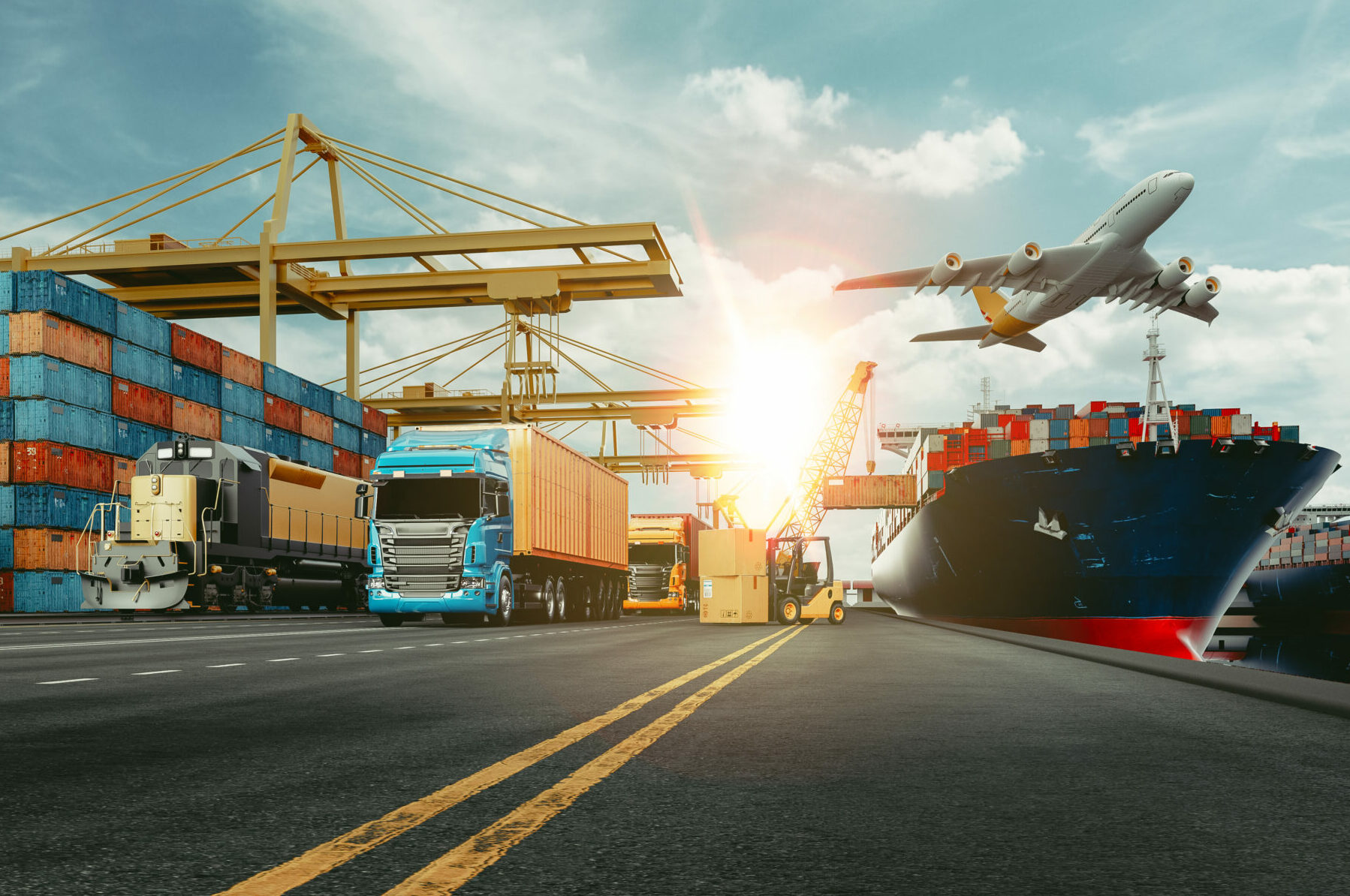
Comprehensive freight insurance typically protects against physical loss or damage to goods during transit, including damage from accidents, theft, natural disasters, and handling errors. Coverage extends across multiple transportation modes including road, rail, sea, and air freight.
The policy responds when goods suffer damage or loss while being transported between suppliers, manufacturing facilities, warehouses, distribution centres, and end customers. This includes coverage during loading and unloading operations, temporary storage in transit, and transfer between different carriers.
Types of Manufacturing Freight
Manufacturing supply chains involve several distinct freight categories, each requiring tailored insurance consideration:
Raw Material Freight involves the transportation of unprocessed materials from suppliers to manufacturing facilities. These shipments may include metals, plastics, chemicals, textiles, or agricultural products that form the foundation of manufactured goods.
Component and Parts Freight covers the movement of manufactured components that will be assembled into finished products. This category often involves high-value precision parts requiring specialized handling and protection.
Work-in-Progress Freight addresses partially completed goods moving between different manufacturing locations or subcontractors. These items represent significant invested value and may be particularly vulnerable to damage.
Finished Goods Freight protects completed products during distribution to warehouses, retailers, or end customers. This category typically represents the highest value exposure as it includes all manufacturing costs plus profit margins.
Key Risks in Manufacturing Supply Chain Transportation
Manufacturing freight faces numerous risks that can result in significant financial losses without adequate insurance protection.
Physical Damage Risks
Transportation inherently exposes goods to physical damage from vehicle accidents, derailments, vessel collisions, or aircraft incidents. Manufacturing materials and products may be particularly vulnerable due to fragility, sensitivity to environmental conditions, or specialized handling requirements.
Improper loading, inadequate securing, or rough handling during transfers can damage goods even without major incidents. Vibration, compression, and impact during normal transit operations pose ongoing risks to sensitive manufacturing items.
Theft and Security Risks
Cargo theft represents a substantial threat to manufacturing supply chains, particularly for high-value goods, electronics, pharmaceuticals, and easily resold products. Theft can occur during transit, at rest stops, in warehouses, or during loading and unloading operations.
Organized crime groups specifically target manufacturing freight, employing sophisticated methods including hijacking, fraudulent pickups, and warehouse break-ins. The financial impact extends beyond the goods' value to include production delays, customer dissatisfaction, and potential liability issues.
Environmental and Natural Disaster Risks
Manufacturing goods may be sensitive to temperature fluctuations, humidity, moisture, or contamination. Refrigerated goods, chemicals, electronics, and precision components require controlled environmental conditions throughout transit.
Natural disasters including floods, storms, earthquakes, and extreme weather events can damage or destroy freight in transit or storage. Climate change has increased the frequency and severity of such events, elevating risk exposure for manufacturing supply chains.
Delay and Consequential Loss Risks
Transportation delays can trigger significant consequential losses for manufacturers, including production stoppages, missed delivery deadlines, penalty clauses, and lost sales opportunities. While standard freight insurance focuses on physical loss or damage, manufacturers should consider coverage extensions addressing delay-related financial impacts.
Essential Coverage Components
Comprehensive manufacturing freight insurance should include several key coverage elements to provide adequate protection.
Cargo Insurance
Cargo insurance forms the foundation of freight protection, covering the value of goods against physical loss or damage during transit. Policies typically offer coverage on an "all risks" basis, protecting against all causes of loss except specifically excluded perils.
Coverage should reflect the full value of goods including manufacturing costs, materials, labor, and reasonable profit margins. Manufacturers should ensure declared values accurately represent replacement costs rather than just material values.
Liability Coverage
Carrier liability coverage protects manufacturers when they assume responsibility for goods during transportation. This becomes particularly important when manufacturers operate their own vehicle fleets or arrange transportation as principals rather than through third-party carriers.
Public liability coverage addresses third-party property damage or injury resulting from freight operations, such as accidents involving manufacturing vehicles or incidents during loading operations.
Storage in Transit Coverage
Goods often require temporary storage during multi-modal journeys or while awaiting onward transportation. Storage in transit coverage extends protection beyond active transportation to include warehousing, container yards, and temporary holding facilities.
This coverage proves essential for international shipments involving multiple carriers and extended transit times, ensuring continuous protection throughout the supply chain journey.
Customs and Duty Coverage
International manufacturing supply chains face potential losses related to customs duties, taxes, and fees paid on goods that subsequently suffer loss or damage. Customs and duty coverage reimburses these additional costs, preventing double financial impact.
Factors Affecting Manufacturing Freight Insurance Costs
Several variables influence the cost of freight insurance for manufacturing supply chains.
Goods Value and Volume
Higher value shipments naturally attract higher premiums due to increased potential loss exposure. Manufacturers shipping expensive components, precision equipment, or finished products face elevated insurance costs reflecting this risk.
Shipment frequency and annual freight volume significantly impact pricing, with higher volumes typically qualifying for reduced per-shipment rates through annual policies or fleet arrangements.
Transportation Routes and Distances
Domestic shipments generally present lower risk than international freight, with shorter routes reducing exposure time and complexity. International shipments crossing multiple jurisdictions, involving multiple carriers, and traversing high-risk regions command higher premiums.
Specific routes through areas with elevated theft rates, political instability, or challenging infrastructure attract premium increases reflecting these heightened risks.
Goods Characteristics
The nature of manufactured goods substantially affects insurance costs. Fragile items, hazardous materials, temperature-sensitive products, and high-theft-risk goods require specialized handling and present elevated loss potential.
Packaging quality, handling requirements, and susceptibility to damage influence underwriter risk assessment and premium calculation. Manufacturers investing in superior packaging and handling protocols may negotiate reduced premiums.
Claims History
A manufacturer's historical claims experience directly impacts future insurance costs. Frequent claims or high-value losses signal elevated risk, resulting in premium increases or coverage restrictions.
Conversely, manufacturers demonstrating strong risk management, minimal claims activity, and proactive loss prevention may qualify for premium discounts and preferential terms.
Selecting the Right Freight Insurance Policy
Choosing appropriate freight insurance requires careful evaluation of coverage options, policy terms, and insurer capabilities.
Coverage Adequacy Assessment
Manufacturers should conduct comprehensive risk assessments identifying all freight exposures across their supply chains. This includes mapping transportation routes, identifying high-value shipments, assessing carrier reliability, and evaluating historical loss patterns.
Coverage limits should reflect maximum potential exposure, considering the highest value shipments and potential accumulation scenarios where multiple shipments could be affected by a single event.
Policy Structure Options
Single shipment policies provide coverage for individual freight movements, offering flexibility for occasional or irregular shipments. This approach suits manufacturers with variable freight patterns or specialized high-value shipments requiring specific coverage.
Annual policies cover all freight movements within a defined period, providing streamlined administration and typically more favorable pricing for regular shippers. This structure benefits manufacturers with consistent freight volumes and predictable supply chain patterns.
Open cover policies offer ongoing protection for all shipments meeting defined parameters, with periodic declaration and premium adjustment based on actual freight values. This flexible approach accommodates varying shipment frequencies and values while maintaining continuous coverage.
Insurer Selection Criteria
Manufacturers should evaluate potential insurers based on several key factors including financial strength ratings, claims handling reputation, industry expertise, and international capabilities for cross-border shipments.
Insurers with specialized manufacturing and logistics experience better understand sector-specific risks and can provide tailored coverage solutions. International networks prove essential for manufacturers with global supply chains requiring coordinated coverage across multiple jurisdictions.
Claims Process and Management
Understanding the freight insurance claims process ensures efficient resolution and minimizes business disruption when losses occur.
Immediate Response Requirements
When freight loss or damage occurs, manufacturers must take immediate action to mitigate further loss, preserve evidence, and notify relevant parties. This includes securing damaged goods, documenting the incident through photographs and written reports, and informing carriers, insurers, and customers as appropriate.
Prompt notification to insurers typically represents a policy condition, with delays potentially affecting claim validity. Manufacturers should establish clear internal protocols ensuring rapid claims reporting.
Documentation Requirements
Successful claims require comprehensive documentation including bills of lading, commercial invoices, packing lists, inspection reports, carrier damage reports, and photographic evidence. Manufacturers should maintain detailed records of goods values, specifications, and condition prior to shipment.
Independent surveyor reports often prove necessary for significant claims, providing objective assessment of damage extent and causation. Insurers may appoint surveyors to investigate claims and determine settlement values.
Settlement and Recovery
Claim settlement timelines vary based on complexity, documentation completeness, and disputed issues. Straightforward claims with clear documentation may settle within weeks, while complex international claims involving multiple parties can extend over months.
Insurers typically pursue subrogation rights against responsible parties, potentially recovering costs from negligent carriers or third parties. Manufacturers should cooperate with subrogation efforts while ensuring their own interests remain protected.
Risk Management and Loss Prevention
Proactive risk management reduces freight losses, improves insurance terms, and enhances supply chain reliability.
Carrier Selection and Management
Choosing reliable carriers with strong safety records, appropriate licenses, adequate insurance, and proven performance represents the foundation of freight risk management. Manufacturers should conduct due diligence on carriers, monitor performance metrics, and maintain approved carrier lists.
Contractual arrangements should clearly define responsibilities, liability limits, and insurance requirements, ensuring adequate protection regardless of policy coverage.
Packaging and Handling Standards
Investment in quality packaging appropriate to goods characteristics and transportation modes significantly reduces damage risk. Manufacturers should develop packaging standards addressing fragility, environmental sensitivity, and handling requirements.
Clear labeling indicating handling instructions, orientation requirements, and hazard warnings helps ensure proper treatment throughout the supply chain.
Technology and Tracking Solutions
Modern tracking technology including GPS monitoring, temperature sensors, and shock indicators provides real-time visibility into shipment status and conditions. These systems enable rapid response to deviations, reducing loss severity and supporting claims documentation.
Telematics and route optimization reduce transit times and exposure, while security technologies including electronic seals and geofencing deter theft and enable rapid recovery.
Regulatory Compliance and Legal Considerations
Manufacturing freight insurance operates within complex regulatory frameworks requiring compliance with transport regulations, customs requirements, and international conventions.
Carrier Liability Limitations
Various legal frameworks limit carrier liability for lost or damaged goods, with limitations varying by transportation mode and jurisdiction. Road freight in the UK typically falls under the Road Haulage Association conditions, while international transport may be governed by conventions including CMR for road transport, CIM for rail, and various maritime conventions.
These limitations often provide inadequate protection for high-value manufacturing goods, making comprehensive freight insurance essential for full value protection.
International Trade Regulations
Cross-border manufacturing supply chains must comply with customs regulations, export controls, and trade sanctions. Insurance policies should address potential losses related to customs seizures, regulatory violations, and trade restriction changes.
Incoterms define responsibility for insurance procurement and risk transfer points in international transactions, with manufacturers ensuring coverage aligns with contractual obligations.
Conclusion
Manufacturing supply chain freight insurance provides essential protection against the diverse risks threatening goods in transit. Comprehensive coverage addressing cargo loss, liability exposure, and consequential impacts enables manufacturers to operate with confidence, knowing their supply chains are protected against transportation-related disruptions.
Selecting appropriate insurance requires careful assessment of freight exposures, understanding of coverage options, and evaluation of insurer capabilities. By combining comprehensive insurance protection with proactive risk management, manufacturers can minimize losses, reduce insurance costs, and build resilient supply chains capable of supporting business growth and customer satisfaction.
For expert guidance on manufacturing supply chain freight insurance tailored to your specific operations, contact Insure24 at 0330 127 2333 or visit www.insure24.co.uk to discuss your requirements with our specialist team.


 My Account