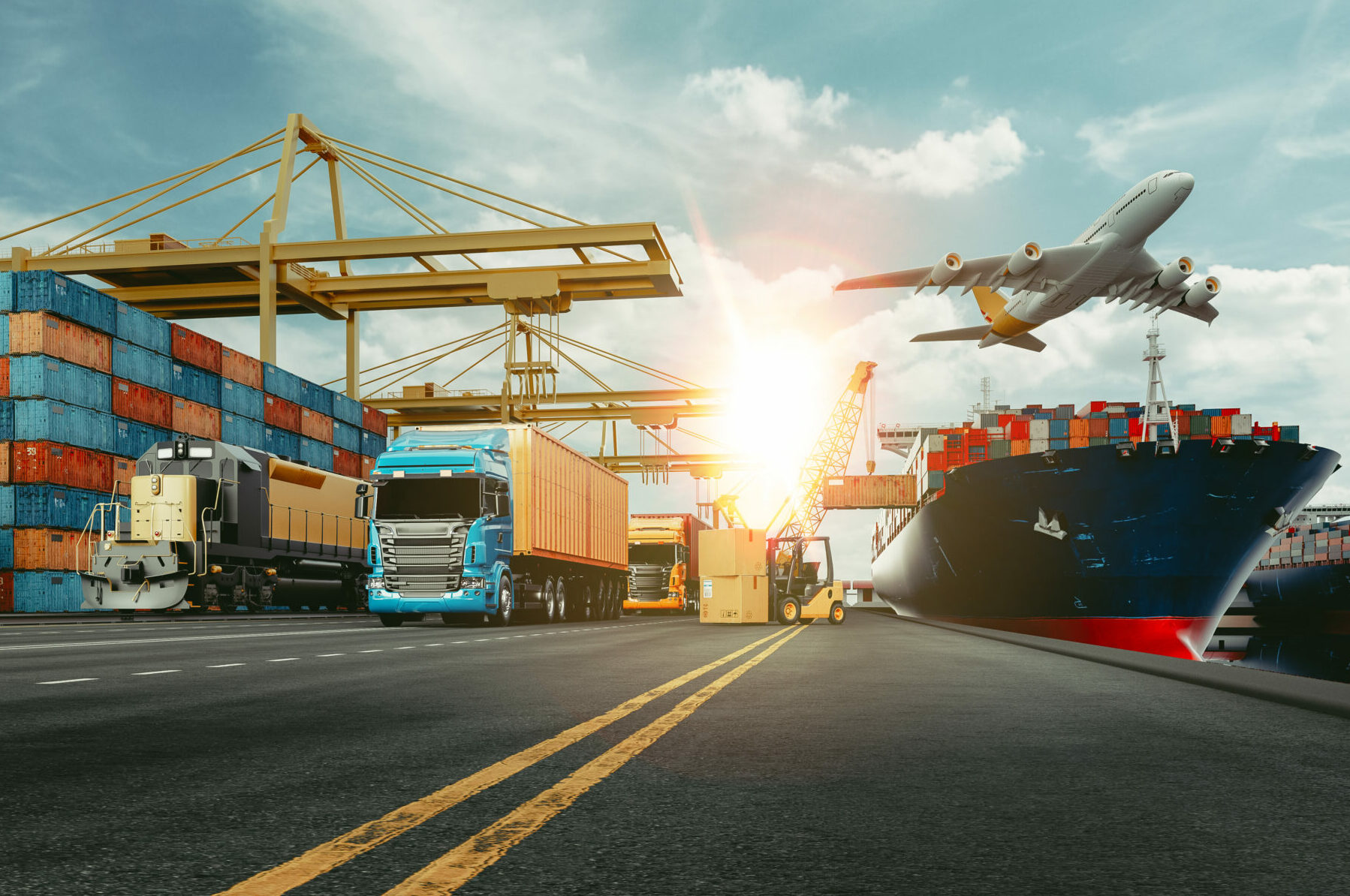
AI-Powered Route Optimization and Freight Insurance: Transforming Logistics Risk Management
The logistics and freight industry is experiencing a technological revolution that is fundamentally changing how goods move across the country and around the world. At the forefront of this transformation is artificial intelligence, particularly AI-powered route optimization systems that are reshaping delivery networks, reducing costs, and significantly impacting insurance requirements and premiums. For businesses involved in freight transportation, understanding the intersection between AI route optimization and insurance coverage has become essential for maintaining competitive advantage while managing risk effectively.
Understanding AI-Powered Route Optimization
AI-powered route optimization represents a quantum leap beyond traditional GPS navigation and basic routing software. These sophisticated systems utilize machine learning algorithms, real-time data analysis, and predictive modeling to determine the most efficient routes for freight vehicles. Unlike conventional routing systems that simply calculate the shortest distance between two points, AI optimization considers dozens of variables simultaneously, including traffic patterns, weather conditions, road quality, delivery time windows, vehicle capacity, fuel efficiency, driver hours, and even historical accident data.
The technology works by continuously analyzing vast amounts of data from multiple sources. Traffic sensors, weather stations, historical delivery records, and real-time vehicle telemetry all feed into the AI system, which processes this information to make split-second routing decisions. As the system learns from each delivery, it becomes increasingly accurate at predicting optimal routes under various conditions. This continuous learning capability means that AI route optimization improves over time, becoming more efficient and more effective at avoiding potential problems.
For freight companies, the benefits are substantial. Reduced fuel consumption, shorter delivery times, improved customer satisfaction, and better vehicle utilization all contribute to healthier bottom lines. However, one of the most significant yet often overlooked advantages is the impact on insurance costs and risk management.
The Insurance Implications of Route Optimization
The relationship between route optimization and freight insurance is both direct and profound. Insurance premiums for commercial vehicles and freight operations are calculated based on risk assessment, and route optimization directly influences many of the key risk factors that insurers consider when determining premiums and coverage terms.
Traditional freight insurance pricing models evaluate factors such as the types of roads traveled, the geographic areas covered, historical accident rates in specific regions, weather exposure, and the overall safety record of the fleet. AI-powered route optimization affects each of these factors in measurable ways. By selecting safer routes, avoiding high-risk areas during dangerous conditions, and reducing overall time on the road, these systems demonstrably reduce the likelihood of accidents, theft, and cargo damage.
Forward-thinking insurance providers are beginning to recognize this risk reduction and are developing new pricing models that reward companies using advanced route optimization technology. Some insurers now offer premium discounts for fleets that can demonstrate the use of AI routing systems, similar to how telematics-based insurance rewards safe driving behavior. This creates a compelling business case for investment in route optimization technology, as the insurance savings can offset a significant portion of the implementation costs.
Risk Reduction Through Intelligent Routing
The risk reduction capabilities of AI route optimization extend across multiple dimensions of freight operations. One of the most significant is accident prevention. By analyzing historical accident data and current road conditions, AI systems can identify and avoid high-risk road segments. If a particular stretch of motorway has a history of accidents during certain weather conditions, the system will route vehicles around that area when those conditions are present. This proactive approach to risk avoidance is far more effective than reactive measures taken after incidents occur.
Weather-related risks represent another area where AI optimization provides substantial benefits. Severe weather is a leading cause of freight delays, accidents, and cargo damage. Traditional routing systems might alert drivers to weather conditions but leave the decision-making to human judgment. AI systems, by contrast, can predict weather patterns hours or even days in advance and automatically reroute vehicles to avoid dangerous conditions. This capability is particularly valuable for long-haul freight operations where weather conditions can change dramatically across different regions.
Theft and cargo security also benefit from intelligent routing. Certain areas and routes are known for higher rates of cargo theft, particularly during overnight hours or in specific geographic regions. AI systems can incorporate crime statistics and security data into routing decisions, avoiding high-risk areas or ensuring that stops in vulnerable locations occur during daylight hours when security risks are lower. For high-value cargo, this security-conscious routing can be the difference between safe delivery and significant loss.
Types of Freight Insurance and AI Integration
Understanding how AI route optimization impacts different types of freight insurance is essential for businesses seeking to maximize both coverage and cost efficiency. Motor trade insurance for freight operations typically includes several distinct coverage types, each affected differently by route optimization technology.
Goods in transit insurance protects the cargo itself against loss or damage during transportation. This coverage is directly impacted by route optimization because safer, more efficient routes reduce the likelihood of accidents that could damage cargo. Additionally, by reducing time in transit and exposure to weather-related risks, AI routing minimizes the overall risk period for goods in transit coverage. Insurers recognize this reduced exposure and may offer more favorable terms for companies demonstrating consistent use of advanced routing technology.
Public liability insurance covers injuries or property damage caused to third parties by freight operations. Route optimization reduces public liability risk by avoiding congested urban areas when possible, selecting routes with better road conditions, and reducing overall time on public roads. The fewer interactions freight vehicles have with other road users and pedestrians, the lower the public liability risk profile.
Employers liability insurance, which covers injuries to drivers and other employees, also benefits from route optimization. Safer routes mean fewer accidents that could injure drivers. Additionally, by optimizing delivery schedules and reducing pressure on drivers to meet unrealistic timeframes, AI systems help prevent fatigue-related incidents, which are a significant cause of commercial vehicle accidents and driver injuries.
Professional indemnity insurance may be relevant for logistics companies that provide consulting or advisory services alongside freight operations. When a company can demonstrate the use of cutting-edge AI technology to optimize routes and reduce risks, it strengthens their professional standing and may reduce professional indemnity risks related to delivery failures or logistical errors.
Real-Time Risk Management and Dynamic Coverage
One of the most innovative developments at the intersection of AI route optimization and freight insurance is the emergence of dynamic, usage-based insurance models. Traditional freight insurance operates on annual policies with fixed premiums based on historical data and projected usage. However, AI route optimization enables a more sophisticated approach where insurance coverage and pricing can adjust in real-time based on actual routing decisions and risk exposure.
Some insurers are now experimenting with policies that integrate directly with route optimization systems. In these models, premiums are calculated based on the actual routes traveled, the real-time risk assessment of those routes, and the demonstrated effectiveness of the AI system in avoiding high-risk situations. This creates a more accurate and fair pricing model where companies that consistently make safer routing choices pay lower premiums, while those that take riskier routes pay more.
This dynamic approach also allows for more flexible coverage. For example, if an AI system routes a vehicle through a higher-risk area due to emergency circumstances or customer requirements, the insurance coverage can automatically adjust to provide additional protection for that specific journey. Conversely, when routes are particularly low-risk, coverage can be optimized to avoid paying for unnecessary protection, reducing overall insurance costs.
Data Sharing and Insurance Partnerships
The effectiveness of AI route optimization in reducing insurance costs depends significantly on data sharing between freight companies, technology providers, and insurers. Many businesses are initially hesitant to share operational data with insurance providers, concerned about privacy or potential negative impacts if the data reveals problems. However, the benefits of transparent data sharing typically far outweigh these concerns.
When freight companies provide insurers with access to route optimization data, including routing decisions, adherence to optimized routes, incident rates, and near-miss events, insurers can develop highly accurate risk profiles. This accuracy benefits both parties. Insurers can price policies more competitively because they have better information, while freight companies receive premiums that accurately reflect their actual risk rather than industry averages.
Some insurance providers are forming strategic partnerships with AI route optimization technology companies to create integrated solutions. These partnerships allow for seamless data flow between routing systems and insurance platforms, enabling real-time risk assessment and dynamic pricing. For freight companies, choosing route optimization solutions that have established insurance partnerships can simplify the process of obtaining favorable insurance terms.
Regulatory Compliance and Insurance Requirements
AI route optimization also plays an important role in regulatory compliance, which has direct implications for insurance coverage. Commercial freight operations are subject to numerous regulations regarding driver hours, vehicle maintenance, hazardous materials transport, and environmental standards. Failure to comply with these regulations can result in fines, license suspensions, and insurance coverage issues.
Advanced route optimization systems can incorporate regulatory requirements into routing decisions. For example, the system can ensure that routes comply with restrictions on hazardous materials transport through certain areas, that delivery schedules allow for mandatory driver rest periods, and that vehicles are routed through weigh stations as required. By maintaining consistent regulatory compliance, companies avoid violations that could increase insurance premiums or even result in coverage denials.
Furthermore, in the event of an incident, being able to demonstrate that routes were optimized according to best practices and regulatory requirements can be crucial for insurance claims. If a freight company can show that they used AI optimization to select the safest, most compliant route available, and that an incident occurred despite these precautions, insurers are more likely to process claims favorably and less likely to dispute coverage.
Cost-Benefit Analysis of AI Route Optimization
For freight companies considering investment in AI route optimization technology, understanding the insurance-related return on investment is essential. While these systems require upfront investment in software, hardware, and training, the long-term financial benefits are substantial.
Direct insurance savings represent one component of the return on investment. Companies implementing comprehensive AI route optimization typically see insurance premium reductions of ten to twenty-five percent within the first year, with additional savings accruing as the system learns and improves. For a mid-sized freight operation with annual insurance costs of one hundred thousand pounds, this could represent savings of ten to twenty-five thousand pounds annually.
Beyond direct premium reductions, route optimization reduces insurance-related costs in other ways. Fewer accidents mean fewer claims, which helps maintain a favorable claims history and prevents premium increases that typically follow claims. Reduced vehicle downtime from accidents means less need for temporary replacement vehicle coverage. Lower risk exposure may also allow companies to opt for higher deductibles, further reducing premium costs.
When combined with other benefits of route optimization such as fuel savings, improved delivery times, better customer satisfaction, and increased vehicle utilization, the total return on investment typically justifies the technology implementation within twelve to eighteen months for most freight operations.
Selecting the Right Route Optimization Solution
Not all AI route optimization systems are created equal, and choosing the right solution is crucial for maximizing both operational and insurance benefits. When evaluating route optimization technology, freight companies should consider several key factors.
The sophistication of the AI algorithms is paramount. Systems that utilize advanced machine learning and can incorporate multiple data sources simultaneously will provide better routing decisions and greater risk reduction. Look for solutions that continuously learn and improve from historical data rather than static routing algorithms.
Integration capabilities are also essential. The route optimization system should integrate seamlessly with existing fleet management software, telematics systems, and ideally with insurance provider platforms. This integration ensures smooth data flow and enables the real-time risk assessment capabilities that provide the greatest insurance benefits.
Customization options allow the system to be tailored to specific business needs and risk priorities. A freight company specializing in high-value electronics will have different risk priorities than one hauling construction materials, and the route optimization system should accommodate these differences.
Finally, consider whether the technology provider has established relationships with insurance companies. Solutions that are recognized and trusted by major freight insurers will make it easier to negotiate favorable insurance terms and access usage-based insurance products.
The Future of Freight Insurance and AI
The integration of AI route optimization and freight insurance is still in its early stages, and the future promises even more sophisticated solutions. Emerging technologies such as autonomous vehicles, blockchain-based insurance contracts, and predictive maintenance systems will further transform the relationship between routing decisions and insurance coverage.
Autonomous freight vehicles will rely entirely on AI for routing decisions, creating opportunities for insurance models that are fully integrated with vehicle operating systems. Smart contracts on blockchain platforms could enable instant, automated insurance adjustments based on real-time routing and risk data. Predictive maintenance systems that identify potential vehicle problems before they cause breakdowns or accidents will further reduce risk and insurance costs.
For freight companies, staying ahead of these developments and investing in advanced route optimization technology now positions them to take advantage of future insurance innovations. The companies that embrace AI-powered routing today will be best positioned to benefit from the next generation of freight insurance products.
Conclusion
AI-powered route optimization represents a transformative technology for the freight industry, with implications that extend far beyond simple efficiency improvements. The intersection of intelligent routing and freight insurance creates opportunities for substantial cost savings, improved risk management, and more accurate, fair insurance pricing.
For businesses involved in freight operations, understanding and leveraging this relationship is no longer optional but essential for remaining competitive. By implementing advanced route optimization systems, sharing data transparently with insurance providers, and staying informed about emerging insurance products designed for AI-optimized fleets, freight companies can reduce costs, improve safety, and build more resilient operations.
The future of freight transportation will be increasingly defined by the intelligent application of AI technology to every aspect of operations, from route planning to risk management. Companies that recognize the strategic importance of route optimization and its impact on insurance costs will lead the industry, while those that cling to traditional approaches will find themselves at a growing competitive disadvantage. The time to embrace AI-powered route optimization and its insurance benefits is now.
Meta Description: Discover how AI-powered route optimization is transforming freight insurance, reducing premiums, improving risk management, and creating new opportunities for cost savings in commercial logistics operations.


 My Account