

 My Account

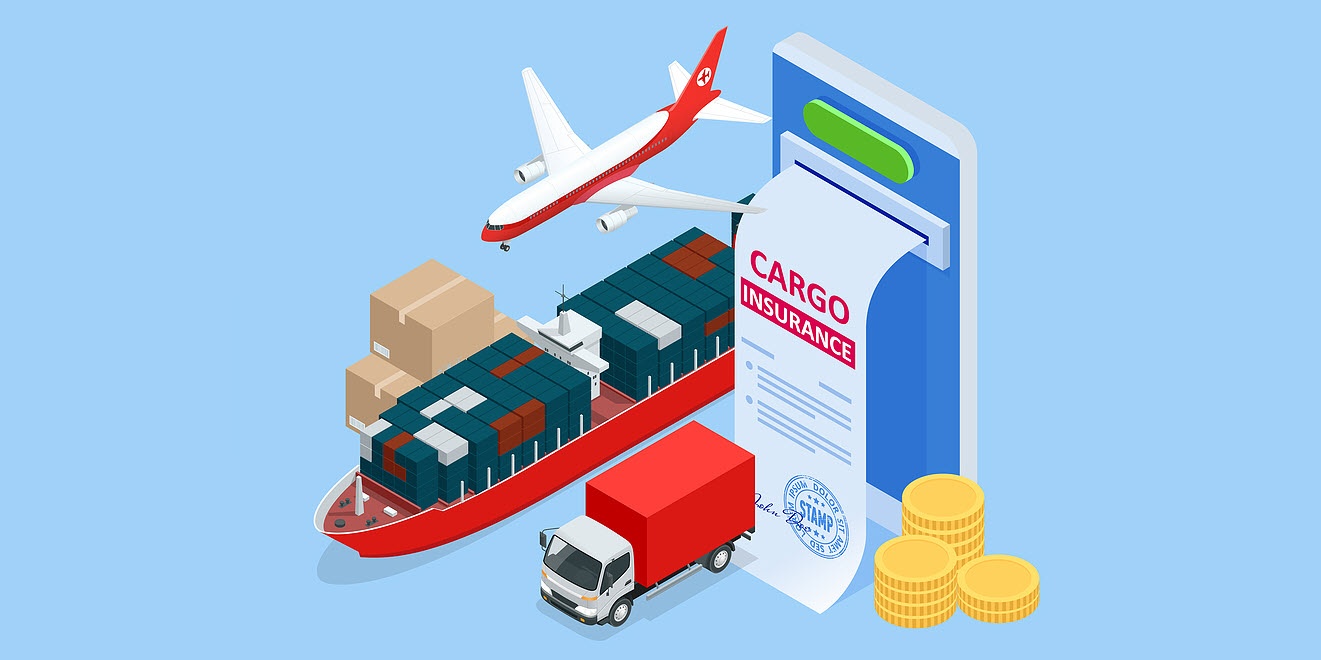
When it comes to protecting your v…
Understanding Cargo Insurance: A Critical Component of Import Business
In today's global marketplace, import businesses face numerous challenges in protecting their valuable shipments. Cargo insurance serves as a crucial safety net, providing financial protection against potential losses during transit. This comprehensive guide explores the essential aspects of cargo insurance for import businesses, helping you make informed decisions about protecting your supply chain.
The Importance of Cargo Insurance for Import Businesses
Understanding the Risks
Import businesses face various risks during the transportation of goods, including:
- Theft and piracy
- Damage during loading and unloading
- Weather-related incidents
- Container damage
- Port-related accidents
- Customs-related issues
Financial Protection
Cargo insurance provides essential financial protection by:
- Covering the cost of lost or damaged goods
- Protecting against business interruption
- Ensuring business continuity
- Maintaining customer relationships
- Preserving cash flow
Types of Cargo Insurance Coverage
Marine Insurance
Marine cargo insurance is the most common type of coverage for import businesses. It typically includes:
- All-Risk Coverage: Comprehensive protection against most common risks
- Named Perils Coverage: Protection against specific listed risks
- Free of Particular Average (FPA): Coverage for total loss only
- With Average (WA): Coverage for partial losses
Transit Insurance
Transit insurance covers goods during transportation from:
- Origin to destination
- Port to warehouse
- Warehouse to distribution center
- Distribution center to retail location
Factors Affecting Cargo Insurance Premiums
Type of Goods
The nature of your cargo significantly impacts insurance costs:
- High-value items require higher premiums
- Fragile goods may need additional coverage
- Perishable items require special considerations
- Hazardous materials need specific coverage
Transportation Method
Different transport modes affect insurance rates:
- Ocean freight vs. air freight
- Container vs. bulk shipping
- Direct vs. multi-modal transport
The Claims Process
Filing a Claim
When filing a cargo insurance claim, follow these steps:
- Document the damage or loss immediately
- Contact your insurance provider promptly
- Provide detailed information and documentation
- Cooperate with the claims adjuster
- Follow up regularly on claim status
Required Documentation
Essential documents for claims include:
- Bill of lading
- Packing list
- Inspection reports
- Photographs of damage
- Correspondence with carriers
Risk Management Strategies
Preventive Measures
Implement these risk management strategies:
- Proper packaging and labeling
- Regular carrier assessment
- Route optimization
- Inventory management
- Documentation procedures
Emergency Response Planning
Develop comprehensive emergency procedures:
- 24/7 contact information
- Alternative shipping routes
- Backup suppliers
- Crisis communication plan
Cost Considerations
Premium Calculation
Insurance premiums are calculated based on:
- Cargo value
- Transport route
- Coverage type
- Claims history
- Deductible amount
Cost-Saving Tips
Reduce insurance costs through:
- Bundling policies
- Improving security measures
- Maintaining good claims history
- Optimizing cargo packaging
Regulatory Compliance
International Requirements
Ensure compliance with:
- International shipping regulations
- Country-specific requirements
- Insurance documentation standards
- Trade compliance regulations
Documentation Requirements
Maintain proper documentation for:
- Insurance certificates
- Policy details
- Claims history
- Compliance records
Implementing Cargo Insurance
Choosing a Provider
Select an insurance provider based on:
- Industry experience
- Claims handling reputation
- Coverage options
- Customer service
- Financial stability
Policy Management
Effectively manage your insurance policy:
- Regular policy reviews
- Coverage updates
- Premium optimization
- Documentation maintenance
Real-World Case Studies
Success Stories
Learn from these import business examples:
- Electronics importer protection strategy
- Pharmaceutical cargo security measures
- Textile shipment risk management
- Automotive parts transportation coverage
Future Trends in Cargo Insurance
Technological Advances
Emerging technologies affecting cargo insurance:
- IoT tracking systems
- Blockchain documentation
- AI-powered risk assessment
- Digital claims processing
Market Developments
Industry changes to watch:
- Evolving coverage options
- Regulatory updates
- Market competition
- Risk assessment methods
Frequently Asked Questions
What does cargo insurance typically cover?
Cargo insurance typically covers loss or damage to goods during transportation, including theft, damage, and certain natural disasters. Coverage details vary by policy.
How much cargo insurance do I need?
The amount of coverage needed depends on the value of your goods, transportation method, and specific risks. Consider 110-120% of your cargo value for adequate protection.
What's the difference between marine and transit insurance?
Marine insurance covers ocean transport, while transit insurance covers goods during any transportation mode, including land and air transport.
How long does the claims process take?
Claims processing time varies but typically takes 30-60 days, depending on the complexity of the claim and completeness of documentation.
Can I get insurance for multiple shipments?
Yes, most insurers offer open cargo policies that cover multiple shipments over a specified period.