

 My Account

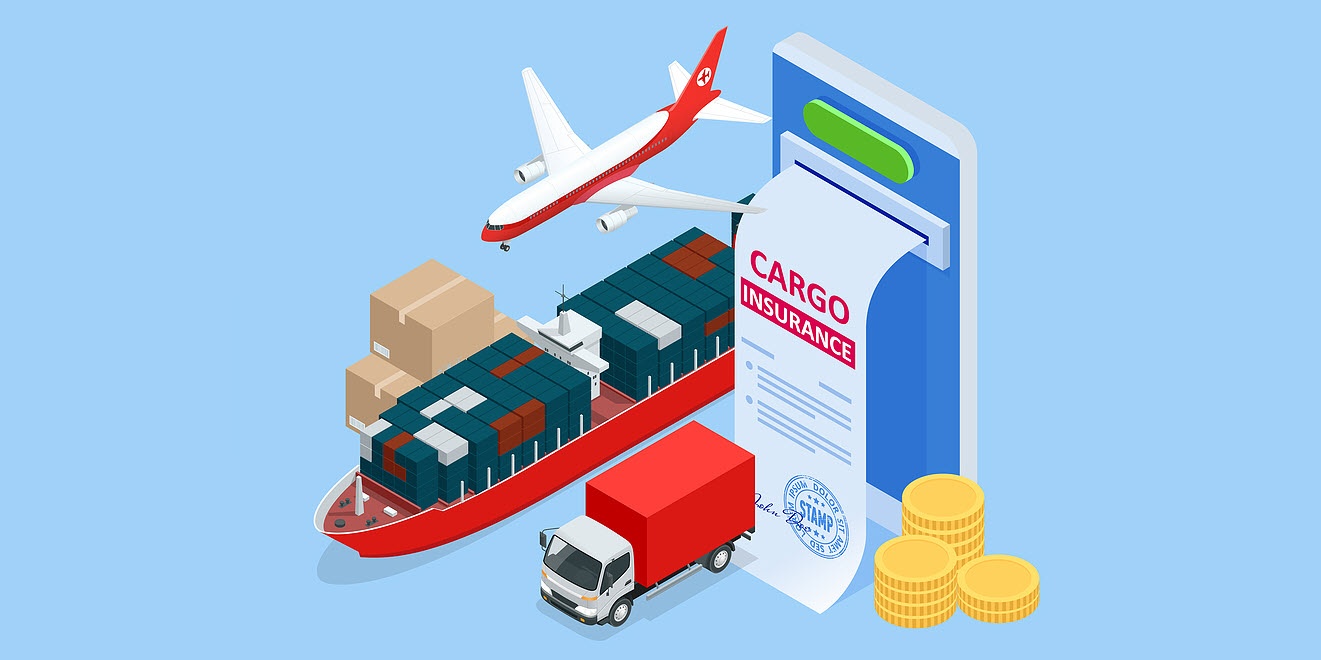
When it comes to protecting your v…
UK to Asia Cargo Insurance: Protecting Shipments to China & India (Trade Routes, Risks & Cover Explained)
Shipping goods from the UK to Asia can be highly profitable — but it also exposes your cargo to long transit times, multiple handovers, complex documentation, and a wide range of physical and financial risks. Whether you’re exporting machinery to India, sending medical technology components to China, or importing finished goods back to the UK, cargo insurance is often the difference between a manageable disruption and a major loss.
In this guide, we’ll break down how UK to Asia cargo insurance works, what risks are most common on China and India trade routes, how Incoterms affect who should insure the goods, and how to arrange cover that actually responds when something goes wrong.
Why UK to Asia Cargo Insurance Matters
Cargo moving between the UK and Asia typically travels thousands of miles by sea, air, rail, or a combination of all three. That distance creates risk — not only from storms or accidents, but from delays, handling damage, theft, misrouting, and paperwork issues that can trigger storage costs or even seizure.
Many businesses assume the carrier will pay if cargo is damaged or lost. In reality, carrier liability is usually limited by international conventions and often falls far short of the cargo’s real value. Cargo insurance is designed to cover the gap and protect your balance sheet.
Typical UK–Asia cargo scenarios
- UK exporters shipping industrial equipment, automotive parts, chemicals, or medical devices to China or India
- UK importers bringing consumer goods, electronics, textiles, or components from Asia into the UK
- Manufacturers moving parts between suppliers in Asia and UK assembly sites
- E-commerce and wholesale businesses importing stock in containers or LCL shipments
Key UK to China & UK to India Trade Routes (And Why They Affect Risk)
Your route matters because it influences transit time, number of handovers, exposure to weather, and the likelihood of delay or congestion. Insurers often consider these factors when assessing risk and pricing.
UK to China: common routes
- Sea freight: UK ports (Felixstowe, Southampton, London Gateway) to major Chinese ports (Shanghai, Ningbo, Shenzhen, Qingdao). Often via major transhipment hubs.
- Air freight: Heathrow and regional airports to Shanghai, Beijing, Shenzhen, Guangzhou, Hong Kong.
- Multimodal: Sea + rail + road to inland Chinese destinations (e.g., Chengdu, Chongqing).
UK to India: common routes
- Sea freight: UK ports to Nhava Sheva (JNPT), Mumbai, Chennai, Mundra, Kolkata.
- Air freight: Heathrow to Delhi, Mumbai, Bengaluru, Chennai, Hyderabad.
- Multimodal: Sea to port + road/rail distribution to inland industrial areas.
Why route complexity increases claims
The more times cargo is handled, transferred, stored, or inspected, the greater the chance of:
- Forklift punctures, drops, crushing, or water damage
- Misrouting or incorrect container loading
- Delays leading to storage charges or deterioration (especially for sensitive goods)
- Documentation errors that trigger customs holds
What Does Cargo Insurance Cover on UK–Asia Shipments?
Cargo insurance can be arranged in different ways, but most policies are built around internationally recognised clauses. The most common are:
Institute Cargo Clauses (A), (B), and (C)
- ICC (A) – “All Risks”: Broadest cover (subject to exclusions). Often recommended for higher-value, fragile, or theft-attractive goods.
- ICC (B): Covers named perils such as fire, explosion, vessel grounding, and certain water damage events.
- ICC (C): Basic named-perils cover. Usually suited to robust, low-value cargo where broad cover isn’t cost-effective.
“All Risks” doesn’t mean “everything.” It means the policy covers physical loss or damage from external causes unless specifically excluded. The wording and endorsements matter.
Common insured events on UK to Asia routes
- Container loss overboard or vessel incident
- Fire or explosion during transit or storage
- Collision, overturning, derailment
- Theft, pilferage, and non-delivery (where included)
- Water damage (rain ingress, seawater, flooding at port)
- Handling damage during loading/unloading
- General Average contributions (often critical for sea freight)
Sea Freight vs Air Freight: Different Risk Profiles
Sea freight (containers, LCL, bulk)
Sea freight is cost-effective but involves longer transit times and higher exposure to weather, port congestion, and multiple handling points (especially for LCL). Sea freight claims often relate to:
- Moisture and condensation (“container rain”)
- Saltwater contamination
- Crushing from poor stowage
- General Average declarations after major incidents
Air freight
Air freight is faster and can reduce certain risks, but it introduces others:
- Higher theft attractiveness for electronics and high-value items
- Damage from rapid handling and tight turnaround times
- Temperature exposure for sensitive goods if not properly packed
Incoterms: Who Is Responsible for Cargo Insurance?
One of the biggest causes of uninsured losses is a misunderstanding of Incoterms. Incoterms define who is responsible for transport, risk, and (sometimes) insurance. They do not automatically guarantee adequate insurance is in place.
Common Incoterms on UK–Asia trade
- EXW (Ex Works): Buyer takes on risk very early. Buyer usually needs to insure from collection.
- FOB (Free On Board): Buyer typically insures once goods are on board the vessel.
- CIF (Cost, Insurance and Freight): Seller arranges insurance, but the minimum level may be limited (often not “all risks”).
- DDP (Delivered Duty Paid): Seller takes on most responsibility; seller should ensure robust insurance until delivery.
If you’re importing from China or India on CIF terms, it’s worth checking what cover the supplier has actually arranged. Minimum cover may not match your risk appetite or the true value at risk.
What Should You Insure? The “Value at Risk” Explained
Cargo insurance isn’t just about the invoice value. Many policies insure on a basis such as:
- Invoice value of the goods
- Freight costs (especially if you pay them)
- Duty (where applicable)
- Uplift percentage (often 10%–20%) to reflect anticipated profit
This matters because a total loss can wipe out not only the cost of goods, but also the margin you expected to earn and the costs already committed to the shipment.
Common Exclusions (And How to Avoid Claim Problems)
Cargo insurance claims are most likely to be challenged where damage is linked to packaging, inherent vice, or delay. Typical exclusions can include:
- Inadequate packaging or poor preparation for the journey
- Inherent vice (goods deteriorating due to their nature)
- Delay (financial loss caused purely by delay is often excluded)
- Ordinary leakage, wear and tear
- War/strikes risks unless specifically included by endorsement
Practical steps to reduce disputes
- Use export-grade packaging and document it (photos before sealing)
- Choose the right container type (standard vs high-cube vs reefer)
- Use desiccants and moisture protection for long sea routes
- Ensure packing lists and commercial invoices match exactly
- Keep records of seals, weights, and handover points
Single Shipment vs Annual Cargo Policy: Which Is Better?
If you ship occasionally, a single transit policy can work well. But if you ship regularly to China or India, an annual open cover (or annual cargo policy) is often more efficient and reduces the risk of forgetting to insure a shipment.
Single shipment (one-off) cover
- Good for ad-hoc exports/imports
- Policy arranged per shipment
- Can be tailored to the exact route and goods
Annual/open cover
- Designed for frequent shipments
- Streamlined admin and consistent cover
- Often more cost-effective over the year
- Can include automatic cover subject to declarations
How Claims Work: What to Do If Cargo Is Lost or Damaged
When something goes wrong, speed and documentation are everything. A good cargo policy will support you through the process, but you still need to take the right steps.
Immediate actions
- Notify the carrier and insurer/broker as soon as you suspect loss or damage
- Arrange a survey where required (don’t dispose of damaged goods too quickly)
- Take photos of packaging, container condition, seals, and damage
- Preserve evidence and keep all transport documents
Documents commonly required
- Commercial invoice and packing list
- Bill of lading / airway bill
- Survey report (if applicable)
- Delivery notes and exception reports
- Correspondence with carriers and freight forwarders
The goal is to show what was shipped, its value, the condition at dispatch, and the condition at arrival — plus evidence of the transit event that caused the damage.
Special Considerations: High-Value, Sensitive, or Regulated Goods
UK–Asia trade often involves goods that need extra attention, such as medical technology components, precision equipment, electronics, or temperature-sensitive products.
Examples of added risk factors
- Medical devices and components: sensitivity to shock, moisture, contamination, and strict documentation requirements
- Electronics: theft risk, static damage, and high-value concentration in small packages
- Machinery: heavy lifts, loading damage, and the need for specialist crating
- Temperature-sensitive goods: need for reefer containers, monitoring, and clear temperature deviation clauses
If your cargo has special handling requirements, it’s worth discussing endorsements, packaging standards, and any storage exposures at ports or warehouses.
FAQs: UK to Asia Cargo Insurance (China & India Routes)
Do I need cargo insurance if the freight forwarder offers “standard cover”?
Freight forwarders may offer limited liability or a basic option, but it may not cover the full value of your goods or the risks you care about. A dedicated cargo policy is usually more robust and clearer in how claims are handled.
Is “All Risks” cargo insurance really all risks?
It’s broad cover, but exclusions still apply (such as inadequate packaging, inherent vice, and delay). The wording and endorsements determine how comprehensive it is.
What is General Average and why does it matter on sea freight to Asia?
General Average is a maritime principle where all cargo owners may contribute to losses incurred to save the voyage (for example, after a major incident). Without cargo insurance, you may have to pay a contribution before your goods are released.
Does cargo insurance cover delays on UK–China or UK–India routes?
Pure financial loss due to delay is often excluded. However, physical loss or damage during the delayed transit may still be covered depending on the policy terms.
How much does cargo insurance cost?
Pricing depends on the goods, value, packing, route, claims history, and level of cover (ICC A/B/C). The best approach is to quote based on your actual shipments and risk profile.
Can I insure multiple shipments under one policy?
Yes — if you ship regularly, an annual cargo policy or open cover arrangement can be set up to cover shipments throughout the year, often with a declaration process.
What if I ship under CIF terms and the supplier says insurance is included?
CIF requires the seller to arrange insurance, but it may be minimum cover. If your goods are high-value or sensitive, you may want to arrange your own policy or request upgraded terms.
How to Arrange UK to Asia Cargo Insurance (Practical Checklist)
- Describe the goods (type, value, packaging, fragility)
- Confirm the route and mode (sea/air/multimodal, ports/airports)
- Confirm Incoterms and when risk transfers
- Decide cover level (ICC A/B/C) and add-ons (war/strikes, theft, temperature deviation)
- Set the insured value basis (invoice + freight + uplift)
- Agree claims process and documentation requirements
Need Cargo Insurance for UK–China or UK–India Shipments?
If you’re shipping goods between the UK and Asia — whether occasional exports or regular container movements — we can help you arrange cargo insurance that matches your routes, Incoterms, and the true value at risk.
Talk to Insure24 for a tailored cargo insurance quote and guidance on the right clauses for your shipments to China and India.
- Call: 0330 127 2333
- Website: https://www.insure24.co.uk/
- LinkedIn: Insure 24
If you’d like, share your typical cargo type, average shipment value, and whether you ship by sea or air — and we’ll outline the most suitable cover structure (single transit vs annual).