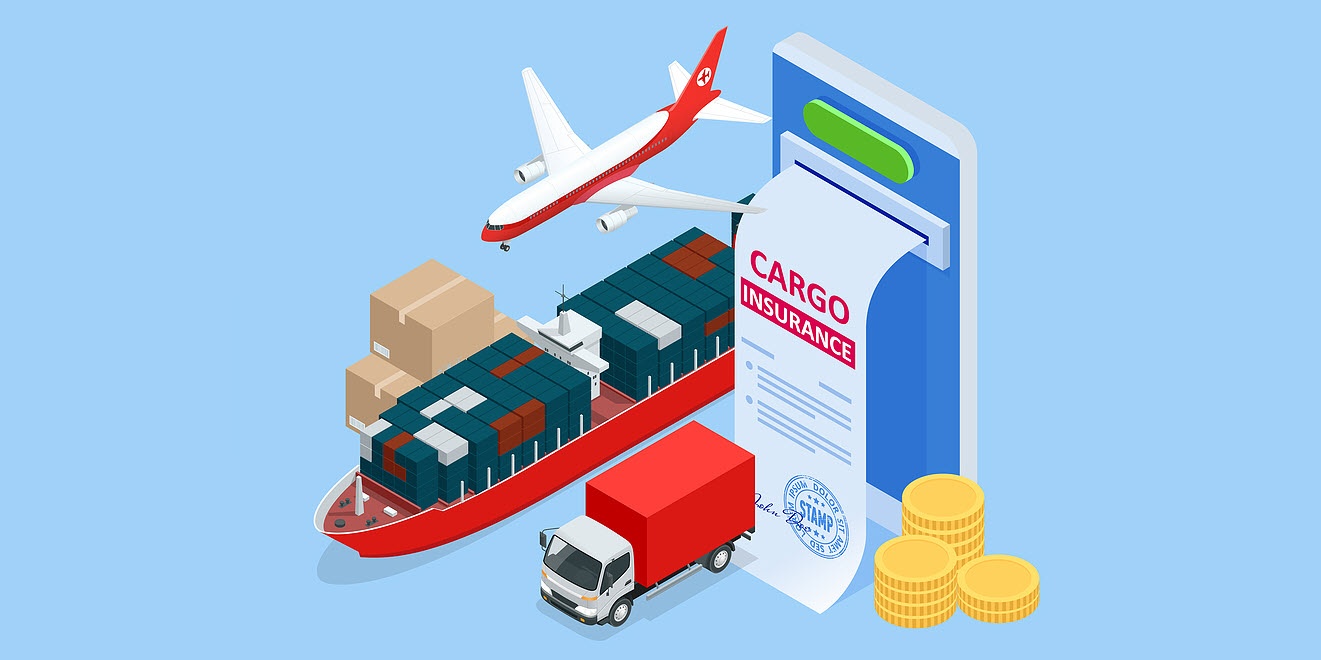
Suez Canal Delays and Cargo Insurance Coverage
The Suez Canal stands as one of the world's most critical maritime chokepoints, facilitating approximately 12% of global trade and serving as the shortest shipping route between Europe and Asia. When disruptions occur in this vital waterway, the ripple effects cascade through global supply chains, affecting businesses, insurers, and consumers worldwide. Understanding how cargo insurance responds to Suez Canal delays has become increasingly important for businesses engaged in international trade.
Understanding the Suez Canal's Strategic Importance
The Suez Canal, stretching 120 miles through Egypt, connects the Mediterranean Sea to the Red Sea, eliminating the need for ships to navigate around the African continent. This shortcut saves approximately 7,000 kilometres and up to two weeks of sailing time. Over 20,000 vessels transit the canal annually, carrying everything from crude oil and liquefied natural gas to manufactured goods and consumer products.
The canal's strategic importance means that even brief disruptions can have profound economic consequences. The 2021 Ever Given incident, where a massive container ship became wedged across the canal for six days, blocked an estimated $9-10 billion worth of goods daily and highlighted the vulnerability of global supply chains to single-point failures.
Common Causes of Suez Canal Delays
Weather-Related Disruptions
Sandstorms and high winds can reduce visibility and create hazardous navigation conditions. The Suez Canal Authority may temporarily suspend transit during severe weather events to prevent groundings or collisions. These weather-related delays, while typically brief, can create significant backlogs.
Vessel Groundings and Accidents
The canal's narrow width and lack of alternative routes mean that any grounding, collision, or mechanical failure can halt traffic entirely. The Ever Given incident demonstrated how a single vessel mishap could paralyse global shipping for days.
Political and Security Concerns
The Middle East's geopolitical landscape can impact canal operations. Regional conflicts, security threats, or political tensions may result in temporary closures or heightened security measures that slow transit times.
Congestion and Capacity Issues
As global trade volumes increase and ships grow larger, the canal faces capacity constraints. During peak shipping seasons, vessels may wait days for their scheduled transit slot, even under normal operating conditions.
Technical and Infrastructure Limitations
Maintenance work, dredging operations, or infrastructure upgrades can temporarily reduce capacity or require partial closures, creating delays for scheduled transits.
Types of Cargo Insurance Coverage
Understanding your cargo insurance policy is essential when facing potential Suez Canal delays. Different types of coverage respond differently to delay-related losses.
Institute Cargo Clauses (A), (B), and (C)
These standard marine cargo insurance clauses form the foundation of most international cargo policies. Institute Cargo Clauses (A) provide the broadest coverage, operating on an "all risks" basis that covers all losses except those specifically excluded. Clauses (B) and (C) offer more limited, named-perils coverage.
For Suez Canal delays, the type of clause matters significantly. While all three cover physical loss or damage to cargo resulting from insured perils, they differ in their approach to delay-related claims.
All Risks vs Named Perils Coverage
All risks policies cover any loss or damage except those explicitly excluded, providing broader protection for unexpected events. Named perils policies only cover losses resulting from specifically listed causes, such as fire, collision, or stranding.
Delay itself is typically excluded under both approaches, but the physical consequences of delay may be covered depending on the circumstances and policy wording.
Additional Coverage Extensions
Businesses can purchase additional coverage to address specific risks associated with delays, including:
Delay in Start-Up (DSU) Insurance - Covers financial losses when project cargo arrives late, delaying project completion.
Contingent Business Interruption Insurance - Protects against income losses when supply chain disruptions prevent normal business operations.
Refrigerated Cargo Extensions - Provides enhanced coverage for temperature-sensitive goods that may spoil during extended delays.
Strike, Riot, and Civil Commotion Coverage - Extends protection to delays caused by labour disputes or civil unrest affecting canal operations.
What Standard Cargo Insurance Typically Covers
Standard marine cargo insurance policies generally cover physical loss or damage to goods resulting from insured perils during the voyage. This includes damage from vessel casualties, fire, theft, jettison, and other maritime perils.
Physical Damage Resulting from Delays
If a Suez Canal delay leads to physical damage to your cargo, standard policies may respond. For example, if refrigerated goods spoil because a grounding incident prevents the vessel from maintaining power to refrigeration units, the resulting loss would likely be covered under an all-risks policy.
Similarly, if cargo deteriorates because a delay extends the voyage beyond the goods' shelf life, and this deterioration results from an insured peril (such as a collision or grounding), coverage may apply.
Consequential Losses from Insured Perils
When an insured peril causes both physical damage and consequential losses, policies may cover both. If a vessel grounding in the Suez Canal damages your cargo and also causes it to miss a critical delivery deadline, the physical damage would be covered, though the pure delay element typically would not.
General Average Contributions
General average is a maritime law principle where all parties in a sea voyage proportionally share losses incurred when extraordinary sacrifices or expenditures are made to save the vessel and cargo from peril. If a vessel runs aground in the Suez Canal and requires expensive salvage operations, cargo owners may be required to contribute their share of these costs.
Standard cargo insurance typically covers general average contributions, protecting cargo owners from unexpected financial obligations resulting from maritime incidents.
What Standard Cargo Insurance Typically Excludes
Understanding exclusions is as important as understanding coverage. Most standard cargo insurance policies contain specific exclusions that limit or eliminate coverage for certain types of losses.
Pure Delay Losses
The most significant exclusion affecting Suez Canal delays is the "delay exclusion" found in virtually all cargo insurance policies. This clause explicitly excludes losses "caused by delay, even though the delay be caused by a risk insured against."
This means that if your vessel is delayed in the Suez Canal due to congestion, weather, or even an insured peril like a grounding, the financial losses resulting purely from the delay itself are not covered. These might include:
-
Lost sales opportunities
-
Market price fluctuations
-
Penalties for late delivery
-
Additional storage costs
-
Increased transportation expenses
Inherent Vice and Nature of the Goods
Cargo insurance does not cover losses resulting from the inherent nature of the goods themselves. If perishable goods naturally deteriorate over time, and a delay simply allows this natural process to occur, coverage may not apply.
The distinction between inherent vice and insured peril can be subtle. If fresh produce spoils during a normal transit time, it's inherent vice. If the same produce spoils because a vessel grounding extended the voyage beyond reasonable expectations, the insurer may argue it's still inherent vice, while the insured might argue the grounding is the proximate cause.
Ordinary Wear and Tear
Normal deterioration expected during the course of a voyage is excluded. Delays that simply allow ordinary wear and tear to become more pronounced typically do not trigger coverage.
Insufficiency or Unsuitability of Packing
If cargo is damaged during a delay because it was inadequately packed for the expected voyage duration, coverage may be denied. Proper packaging should account for reasonable delays and contingencies.
Financial Losses Without Physical Damage
Pure financial losses unaccompanied by physical damage to the cargo are generally excluded. This includes opportunity costs, lost profits, and consequential business losses that don't stem from physical damage to the insured goods.
Navigating Delay-Related Claims
When facing losses related to Suez Canal delays, understanding how to approach the claims process can significantly impact the outcome.
Establishing Causation
The key to a successful claim often lies in establishing clear causation between an insured peril and the loss. If you can demonstrate that physical damage resulted directly from an insured event (such as a grounding or collision), rather than from simple delay, your claim stands a better chance of acceptance.
Documentation is critical. Maintain detailed records of:
-
The condition of goods before and after the delay
-
Temperature logs for refrigerated cargo
-
Survey reports documenting damage
-
Communications with carriers and canal authorities
-
Evidence of the insured peril that caused the delay
The Proximate Cause Doctrine
Marine insurance applies the "proximate cause" principle, which holds that coverage depends on the dominant or effective cause of the loss. If an insured peril is the proximate cause, coverage applies even if other factors contributed.
For example, if a vessel collision in the Suez Canal is the proximate cause of cargo damage, the fact that congestion contributed to the collision doesn't negate coverage. However, if congestion is the proximate cause and the collision is merely incidental, coverage may be denied.
Working with Surveyors and Adjusters
When significant losses occur, insurers typically appoint surveyors to inspect the cargo and assess the cause and extent of damage. Cooperating fully with surveyors while protecting your interests is essential.
Consider appointing your own independent surveyor to document losses and provide an objective assessment. This can be particularly valuable when disputes arise over causation or the extent of damage.
Time Limitations and Notice Requirements
Cargo insurance policies contain strict notice requirements and time limitations for filing claims. Typically, you must notify insurers of potential losses promptly and file formal claims within specified timeframes, often within one year of the loss.
Failure to comply with these requirements can result in claim denial regardless of the merits. When a Suez Canal delay threatens your cargo, notify your insurer immediately, even if the full extent of potential losses is not yet clear.
Risk Management Strategies for Businesses
While insurance provides important financial protection, proactive risk management can reduce exposure to Suez Canal delay losses.
Diversifying Shipping Routes
Consider alternative routes for critical shipments, even if they cost more or take longer. The Cape of Good Hope route around Africa, while adding time and expense, eliminates Suez Canal risk entirely.
For time-sensitive or high-value cargo, air freight may be worth the premium to avoid maritime chokepoint risks.
Building Supply Chain Resilience
Maintaining buffer inventory, qualifying multiple suppliers in different regions, and building flexibility into delivery schedules can reduce vulnerability to shipping delays.
Contractual Protections
Negotiate force majeure clauses and delivery terms that account for potential Suez Canal disruptions. Clearly allocate risk between buyers and sellers through appropriate Incoterms selection.
Enhanced Insurance Coverage
Consider purchasing additional coverage specifically addressing delay risks:
Delay in Delivery Insurance - Covers financial losses when cargo arrives late, subject to policy terms and conditions.
Business Interruption Insurance - Protects against income losses when supply chain disruptions prevent normal operations.
Contingent Cargo Insurance - Provides broader coverage for supply chain disruptions beyond standard cargo policies.
Real-Time Monitoring and Communication
Implement tracking systems that provide real-time visibility into shipment locations and status. Early warning of potential delays allows you to take mitigating actions, such as arranging alternative supplies or notifying customers.
The Future of Cargo Insurance and Canal Risks
The shipping industry continues to evolve, and insurance products are adapting to address emerging risks.
Parametric Insurance Solutions
Parametric insurance pays predetermined amounts when specific triggering events occur, regardless of actual losses incurred. For Suez Canal delays, parametric policies might pay when transit times exceed specified thresholds or when the canal closes for defined periods.
These products offer faster claims settlement and greater certainty, though they may not fully compensate actual losses.
Technology and Risk Assessment
Advanced analytics, satellite monitoring, and artificial intelligence are improving risk assessment and pricing. Insurers can now better predict delay risks and price coverage accordingly, potentially making delay coverage more widely available.
Climate Change Considerations
Climate change may increase the frequency of extreme weather events affecting canal operations, while also potentially opening alternative Arctic shipping routes. These changes will reshape cargo insurance markets and coverage availability.
Conclusion
Suez Canal delays present significant challenges for businesses engaged in international trade, and standard cargo insurance provides limited protection against pure delay losses. While physical damage resulting from insured perils during delays may be covered, the financial consequences of delay itself typically are not.
Understanding your policy's coverage and exclusions, maintaining thorough documentation, and implementing comprehensive risk management strategies are essential for protecting your business against Suez Canal disruption risks. As global supply chains grow increasingly complex and interdependent, businesses must take a holistic approach to managing maritime risks, combining appropriate insurance coverage with operational resilience and strategic planning.
By staying informed about coverage options, working closely with experienced insurance brokers, and building flexibility into supply chains, businesses can navigate the challenges posed by Suez Canal delays and other maritime disruptions while protecting their financial interests and maintaining customer relationships.


 My Account