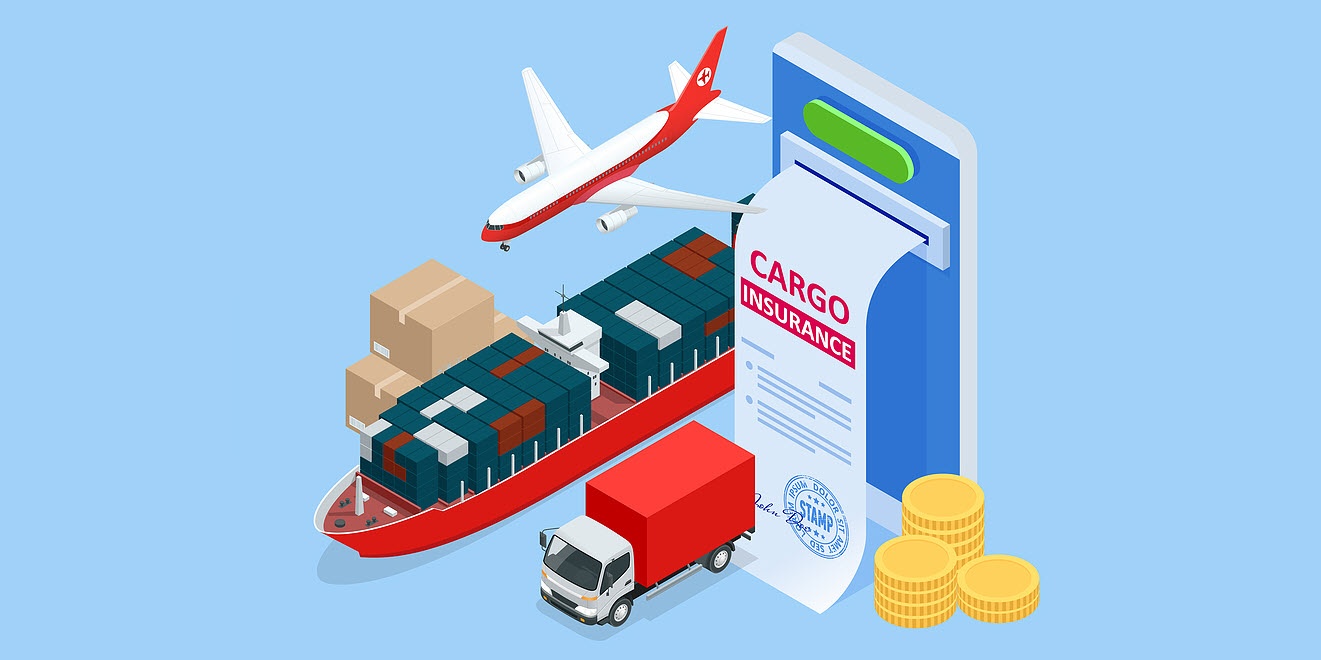
Stock Throughput Insurance UK (Warehouse to Distribution): A Practical Guide
Introduction: why “warehouse to distribution” risk is different
If you store, handle, or move stock in the UK, you already know the uncomfortable truth: most losses don’t happen neatly in one place.
A pallet might be damaged during unloading, sit in a warehouse for weeks, then be stolen from a vehicle on the way to a customer. Traditional insurance arrangements often split these risks across multiple policies—typically a property policy for the warehouse and a goods-in-transit policy for transport. That split can create gaps, overlaps, and claim disputes about when the loss happened and which insurer should pay.
That’s where Stock Throughput Insurance (STP) comes in. It’s designed to cover stock throughout the supply chain, from warehouse to distribution (and often from the moment you take responsibility for the goods).
In this guide, we’ll break down what STP is, who it’s for, what it covers, common exclusions, how claims work, and how to structure the right policy for your operation.
What is Stock Throughput Insurance (STP)?
Stock throughput insurance is a specialist policy that covers goods while they are:
-
In storage (owned or third-party warehouses)
-
Being handled (loading/unloading, picking, packing)
-
In transit (local distribution, UK nationwide delivery, sometimes international shipments)
Instead of treating storage and transit as separate risks, STP treats your stock as one continuous exposure.
Why it’s called “throughput”
“Throughput” refers to the flow of goods through your business—from receipt, to storage, to dispatch, to delivery. STP is built around that flow.
Who needs Stock Throughput Insurance in the UK?
STP is commonly used by businesses that:
-
Hold high volumes of stock
-
Use multiple warehouses or third-party logistics (3PL)
-
Have frequent dispatch and delivery cycles
-
Need clearer claims handling across storage and transit
Typical UK examples include:
-
Wholesalers and distributors
-
Importers and exporters
-
Manufacturers with finished goods storage
-
E-commerce brands with fulfilment partners
-
FMCG and food & drink businesses (subject to policy terms)
-
Electronics, medical technology, and high-value components
If your stock is moving constantly—and especially if it’s stored in more than one place—STP can be a strong fit.
Stock Throughput vs traditional cover: what’s the difference?
Here’s the common “traditional” setup:
This can work, but it often creates friction:
-
Different insurers or different wordings
-
Different exclusions and security requirements
-
Disputes about whether the loss occurred in storage or in transit
-
Stock values declared differently across policies
With STP, the goal is:
-
One policy framework
-
One set of definitions
-
One claims approach
-
Fewer grey areas
What does Stock Throughput Insurance typically cover?
Cover varies by insurer and wording, but many STP policies are arranged on an “all risks” basis (meaning it covers all causes of loss or damage unless specifically excluded).
Common insured events can include:
-
Fire, smoke, explosion
-
Flood and escape of water
-
Theft (subject to security conditions)
-
Accidental damage during handling
-
Impact damage (e.g., forklift incidents)
-
Malicious damage
-
Transit perils (collision, overturning, load shift)
-
Non-delivery (in limited circumstances, depending on wording)
Storage: warehouse risks STP is designed for
Warehouse losses can be severe because one incident can affect a large volume of stock.
Key warehouse exposures include:
-
Fire spread across racking systems
-
Sprinkler discharge and water damage
-
Flooding in low-lying industrial estates
-
Theft by forced entry or organised crime
-
Temperature excursions for sensitive goods
-
Handling damage during picking/packing
Distribution: transit risks STP is designed for
Distribution losses often happen quickly and can be hard to evidence.
Common distribution risks include:
-
Vehicle theft (including “keyless” theft methods)
-
Theft from unattended vehicles
-
Hijack and organised cargo theft
-
Accidental damage in loading bays
-
Collision/overturning and load movement
-
Misdelivery and documentation errors
What is usually excluded (or restricted)?
Even “all risks” policies have exclusions. Common STP exclusions or restrictions can include:
-
Wear and tear, gradual deterioration
-
Inherent vice (e.g., goods that spoil due to their own nature)
-
Poor packaging or inadequate securing of loads
-
Delay (loss of market) unless specifically covered
-
Cyber events (depending on wording)
-
War/terrorism (often excluded or limited)
-
Unexplained shortage or stocktaking discrepancies
Theft conditions are a big deal
Theft is one of the most common claim areas—and one of the most heavily conditioned.
Insurers may require:
-
Minimum security at warehouses (alarms, CCTV, access control)
-
Locked vehicles and secure compounds
-
No overnight parking in certain locations
-
Limits for unattended vehicles
-
Approved courier networks
If these conditions aren’t met, theft claims can be reduced or declined—so it’s crucial to align operations with policy requirements.
How STP policies are structured: key components
STP is typically built around a few core parts.
1) Stock in storage
This covers goods while stored at:
You’ll usually need:
-
A schedule of locations (or a “floating” location basis)
-
Maximum values at any one location
-
Security details for each site
2) Stock in transit / distribution
This covers goods while being transported by:
Important details include:
-
Territorial limits (UK only vs UK/EU/worldwide)
-
Conveyance types (road, sea, air)
-
Limits per vehicle/consignment
-
Conditions for high-value loads
3) Handling and processing
Many STP arrangements include cover for:
This is often where traditional policies can leave gaps.
Valuation: how claims are paid
Valuation is one of the most important parts of STP.
Policies may settle on:
-
Cost price (what you paid)
-
Cost plus uplift (to reflect profit margin)
-
Selling price (less saved expenses)
-
Manufacturing cost (raw materials + labour + overhead)
If you’re a distributor, “cost plus uplift” is common. If you’re a manufacturer, you may need wording that reflects work-in-progress and finished goods values.
Underinsurance and average
If declared values are too low, insurers may apply average—reducing the claim proportionally.
Example: if you insure £500,000 but actually hold £1,000,000 at peak, a £100,000 loss might only pay £50,000.
This is why accurate peak stock values and seasonal spikes matter.
Limits, deductibles, and peak exposures
STP is often priced and structured around:
-
Maximum value at any one location
-
Maximum value in any one conveyance (vehicle/container)
-
Annual throughput (how much stock value moves through the business)
-
Claims history and security controls
Expect deductibles (excesses) to vary by peril:
-
Higher excesses for flood
-
Higher excesses for theft
-
Standard excesses for accidental damage
Common claim scenarios (warehouse to distribution)
Here are realistic examples where STP can simplify the outcome.
Scenario 1: damage during unloading
A forklift punctures shrink-wrapped cartons while unloading a delivery into your warehouse. The goods are written off.
With split policies, there can be debate: was it “in transit” or “in storage”? With STP, it’s typically treated as part of the continuous stock exposure.
Scenario 2: theft from a staging area
Stock is picked and staged near the loading bay overnight. It’s stolen before dispatch.
Traditional property policies may argue it was “in the course of transit” or outside normal storage. STP is often designed to cover this grey area—subject to security conditions.
Scenario 3: vehicle theft during distribution
A van is stolen from a service station while the driver is inside for five minutes. The load is lost.
This is where unattended vehicle clauses and security requirements become critical.
Scenario 4: flood damages stock in a third-party warehouse
Your 3PL warehouse floods and your stock is damaged. The 3PL may have liability limitations in their contract.
STP can protect your stock regardless of whether you can recover costs from the warehouse operator.
STP and third-party logistics (3PL): what to watch
If you use 3PLs, you need to align:
Key questions:
-
Who is responsible for insurance under the contract?
-
Are there liability caps per pallet/consignment?
-
Does the 3PL exclude certain causes (e.g., flood)?
-
Are you required to note the 3PL as an interested party?
A common pitfall is assuming the warehouse’s insurance automatically covers your stock. Often, it doesn’t—or it only covers their legal liability, which may be limited.
How to reduce premiums (and improve insurability)
Insurers price STP heavily on risk management. Practical improvements can help.
Warehouse controls
-
Documented stock control and cycle counts
-
CCTV with good retention periods
-
Intruder alarms with police response where appropriate
-
Controlled access (fobs, visitor logs)
-
Fire risk assessments and housekeeping
-
Sprinkler systems and maintenance records
Distribution controls
-
Route planning and secure parking rules
-
Driver training and key control
-
Vehicle immobilisers/trackers for high-value loads
-
Two-person crews for certain routes (where justified)
-
Clear procedures for unattended vehicles
Packaging and load securing
-
Strong packaging standards
-
Pallet wrapping and corner protection
-
Load restraint systems
-
Evidence (photos) at dispatch for high-value consignments
What information insurers typically need (UK)
To quote STP, insurers often ask for:
-
Nature of goods (including any high-theft items)
-
Annual turnover or annual throughput value
-
Peak stock values and seasonality
-
Warehouse addresses, construction, and security details
-
Claims history (usually 3–5 years)
-
Transit methods (own vehicles vs hauliers/couriers)
-
Typical consignment values and maximum values
-
Territories (UK only vs international)
The more precise you are, the more accurate (and often more competitive) the terms.
How to choose the right STP policy
A good STP policy should match how your business actually operates.
Use this checklist:
-
Does it cover all storage locations, including 3PLs?
-
Does it cover handling, not just “static” storage?
-
Are transit limits realistic for your largest loads?
-
Are theft conditions achievable day-to-day?
-
Is valuation aligned to your commercial reality (cost vs selling price)?
-
Are seasonal peaks properly declared?
-
Are exclusions compatible with your goods (e.g., temperature-sensitive stock)?
FAQs: Stock Throughput Insurance UK
Is stock throughput insurance the same as goods in transit insurance?
Not exactly. Goods in transit insurance focuses on stock while it’s being transported. Stock throughput insurance is broader and is designed to cover stock continuously—often including storage, handling, and transit.
Does STP cover stock in a third-party warehouse?
Often yes, but it depends on the policy wording and whether locations are specified or covered on a floating basis. You’ll usually need to declare the warehouse and its security features.
Can STP cover international shipments?
Many STP policies can be extended to cover EU or worldwide transit, including sea and air freight. Territorial limits and conveyance types must be agreed.
What’s the biggest cause of claim disputes?
The most common issues are:
-
Theft conditions not being met
-
Under-declared stock values (average)
-
Unclear responsibility between you and a 3PL
-
Poor documentation of dispatch and receipt
Is STP suitable for e-commerce businesses?
Yes—especially if you use fulfilment centres, hold high volumes, or ship frequently. The key is ensuring the policy matches your courier methods and peak stock values.
Does STP cover temperature-controlled goods?
It can, but temperature excursions and deterioration are often restricted or require specialist extensions. If you store food, pharmaceuticals, or sensitive medical products, the wording matters.
Conclusion: make your stock protection match your supply chain
Stock throughput insurance is built for modern UK supply chains where goods move constantly between storage and distribution.
If you’re relying on separate policies for warehouse stock and goods in transit, it’s worth reviewing whether you have gaps—especially around handling, third-party storage, and the “grey areas” between dispatch and delivery.
A well-structured STP policy can simplify claims, reduce disputes, and give you clearer control over one of your biggest balance-sheet risks: your stock.
Need help reviewing your warehouse-to-distribution risk and the right level of stock throughput cover? Speak to a specialist commercial insurance broker to map your stock journey, peak values, and security controls, then build a policy that matches how you actually operate.


 My Account