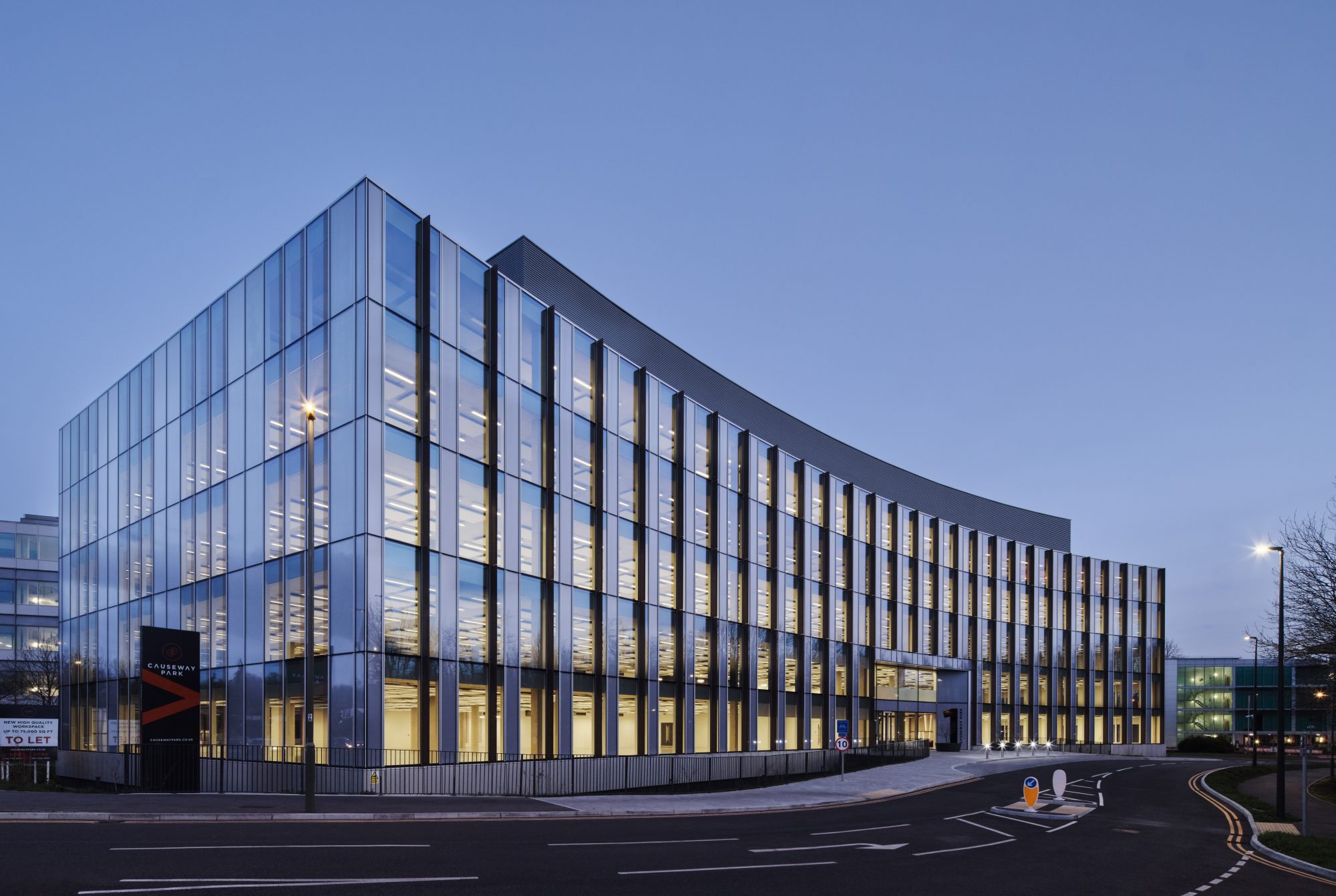
Smart Buildings: Solar Panels on Office Buildings — What Insurers Look For

Smart Buildings: Solar Panels on Office Buildings — What Insurers Look For

CALL FOR EXPERT ADVICE
GET A QUOTE NOW
CALL FOR EXPERT ADVICE
GET A QUOTE NOW

Smart Buildings: Solar Panels on Office Buildings — What Insurers Look For

Solar panels on office buildings have moved from “nice sustainability add-on” to a core part of modern, smart building strategy. They can reduce energy costs, improve ESG credentials, and help landlords and occupiers meet net-zero targets. But from an insurance point of view, rooftop PV (photovoltaic) systems also introduce new risks that insurers will want to understand and control.
If you’re a building owner, facilities manager, property developer, or office occupier installing solar panels, it’s worth knowing what insurers typically ask about before they confirm cover, set terms, or pay a claim. This guide breaks down the key underwriting questions, the risk controls that matter most, and how to present your solar installation in a way that keeps your insurance programme strong.

Why solar panels change the insurance conversation

Traditional office building insurance focuses on familiar exposures: fire, escape of water, storm damage, theft, liability claims, and business interruption. A rooftop solar installation changes the risk profile in a few important ways:
  • Additional ignition sources (DC cabling, inverters, connectors, isolators)
  • More roof penetrations (potential water ingress and structural issues)
  • Higher maintenance complexity (specialist contractors, access requirements)
  • Higher replacement costs (panels, mounting systems, inverters, cabling, scaffolding, crane lifts)
  • Potential third-party liabilities (falling panels, electrical faults, contractor injuries)
  • Supply chain and downtime risk (inverter lead times, grid connection delays)
Insurers don’t dislike solar panels. In many cases, they like the direction of travel. What they don’t like is uncertainty—especially where fire risk management, roof integrity, and contractual responsibilities are unclear.

The first thing insurers want: clarity on ownership and responsibility

One of the biggest underwriting issues isn’t the technology—it’s the contract.
Insurers will want to know:
  • Who owns the PV system?
    • Building owner/landlord
    • Tenant/occupier
    • Third-party investor (power purchase agreement / lease model)
  • Who is responsible for maintenance and inspections?
  • Who is responsible for repairs after damage?
  • Who benefits from the income or savings?
  • Is the system part of the building sum insured, or insured separately?

Common pitfalls

  • The building policy assumes the PV is included, but the sums insured haven’t been updated.
  • The tenant installs panels but the landlord’s insurer isn’t informed.
  • A third-party owns the array and insures it separately, but no one has checked gaps around roof damage, liability, or business interruption.
Insurer-friendly approach: Have a clear written agreement that defines ownership, maintenance obligations, and insurance responsibilities. Provide it to your broker/insurer early.

Fire risk: the number one underwriting concern

Fire is the headline risk with solar PV. The majority of systems operate safely, but when faults occur they can be severe—especially because PV systems can continue generating electricity in daylight even if the building power is isolated.
Insurers commonly focus on:

1) Installation quality and contractor competence

Expect questions like:
  • Was the system installed by an accredited contractor (e.g., MCS-certified where applicable)?
  • Was the design and installation completed to recognised standards (e.g., relevant British Standards and IET wiring regulations)?
  • Was commissioning documented?
Insurers are looking for evidence that the installation wasn’t a “cheap and cheerful” job.

2) DC cabling, connectors, and workmanship

Many PV fire incidents relate to poor connections, damaged cables, or incorrect installation practices.
Insurers may ask:
  • Are DC cables routed to minimise mechanical damage and exposure?
  • Are connectors matched correctly (no mixed-brand connectors)?
  • Are cables protected from UV degradation and water ingress?

3) Inverters and electrical protection

Inverters are a key component and a common point of failure.
Insurers will want to know:
  • Where are inverters located (roof, plant room, external wall)?
  • Is there adequate ventilation and clearance around them?
  • Are there appropriate isolators, surge protection, and fault monitoring?

4) Isolation and emergency response

Fire and Rescue Services need to safely isolate systems. Insurers often look for:
  • Clearly labelled isolators
  • Emergency shutdown procedures
  • Signage at intake points and plant rooms
  • A plan for safe firefighting operations
Practical tip: Create a simple “PV emergency information pack” for the building: system layout, isolator locations, shutdown steps, and contractor contacts.

Roof construction and combustibility: what’s under the panels matters

Insurers will want to understand the roof type and whether the PV installation increases the risk of fire spread.
Key questions include:
  • Is the roof flat or pitched?
  • What is the roof covering and insulation type?
  • Is there any combustible cladding/insulation present?
  • Are there fire breaks and compartmentation measures?
If the roof construction includes combustible materials, insurers may require additional controls or may restrict cover depending on the overall risk profile.
Insurer-friendly approach: Provide roof specifications, fire performance information where available, and any fire risk assessment updates that address the PV installation.

Structural integrity and wind uplift: can the roof take it?

Solar panels add weight and change wind loading on the roof. Insurers will often ask for confirmation that the roof can safely support the system.
They may want:
  • A structural survey or engineer sign-off
  • Confirmation of wind uplift calculations
  • Details of mounting method (ballasted vs. fixed)
  • Proof that roof warranties are not invalidated

Why it matters

A storm event that damages panels can also damage the roof membrane, leading to water ingress and expensive internal damage—often far more costly than the panels themselves.

Water ingress: roof penetrations and workmanship

If the PV system requires roof penetrations, insurers will focus on:
  • How penetrations are sealed and warranted
  • Whether the work was carried out by approved roofing contractors
  • Whether the roof warranty remains valid
  • Whether there is a post-installation roof inspection report
Even ballasted systems (no penetrations) can cause issues if they compromise drainage, create ponding, or damage membranes through movement.
Insurer-friendly approach: Provide a post-installation roof condition report and a planned inspection schedule.

Maintenance, inspection, and monitoring: “fit and forget” is a red flag

Insurers like proactive risk management. A smart building should be able to demonstrate it.
Expect questions about:
  • Planned preventative maintenance (PPM) schedule
  • Electrical inspection frequency
  • Thermal imaging inspections (often recommended)
  • Remote monitoring and fault alerts
  • Cleaning regimes (where relevant)

What good looks like

  • Annual inspection by a competent contractor
  • Documented checks on connectors, isolators, inverter performance, and mounting integrity
  • Monitoring platform that flags underperformance and faults quickly
  • Clear log of maintenance and remedial actions
If you can show that faults will be detected early, insurers tend to be more comfortable.

Security and theft: yes, panels can be stolen (and vandalised)

While rooftop theft is less common than ground-mounted theft, insurers may still ask:
  • Is roof access controlled?
  • Are there CCTV and intruder alarms?
  • Are panels and inverters secured with anti-tamper fixings?
  • Is the site in a high-crime area?
For some buildings, vandalism is a bigger concern than theft—especially where roofs are accessible from adjacent structures.

Business interruption: what happens if the system goes down?

Solar panels can affect business interruption in two ways:
  1. The building suffers damage (fire, storm, water ingress) and operations are disrupted.
  2. The PV system fails and you lose energy savings or export income.
Insurers will want to clarify:
  • Is lost generation income covered?
  • Is it insured under the building policy, engineering policy, or a specialist renewable energy policy?
  • What is the indemnity period and how is loss calculated?
If the PV system is a material part of the building’s operating costs or tenant offering, it’s worth ensuring the policy responds properly.

Sums insured and valuation: don’t underinsure the PV system

A common issue is that solar panels are installed but the declared building sum insured isn’t updated.
Insurers may ask:
  • What is the replacement cost of the PV system (including scaffolding, access equipment, professional fees, and rewiring)?
  • Are inverters included?
  • Are grid connection components included?
  • Are batteries included (if present)?
Important: Replacement cost is not the same as installation cost. Lead times, access costs, and specialist labour can inflate claims significantly.

Battery storage: if you have it, insurers will ask more questions

Many office buildings are adding battery storage to maximise solar benefits. Batteries introduce additional fire and thermal runaway risks.
Insurers may ask:
  • Battery chemistry type (e.g., lithium-ion)
  • Location (internal plant room vs. external container)
  • Fire separation and ventilation
  • Detection and suppression systems
  • Manufacturer guidance and certification
  • Monitoring and maintenance arrangements
If you’re adding batteries, it’s best to discuss with your broker early—don’t wait until renewal.

Liability exposures: contractors, visitors, and third parties

Solar installations involve working at height, lifting operations, and electrical work—meaning liability risk increases during installation and maintenance.
Insurers may want:
  • Contractor risk assessments and method statements (RAMS)
  • Evidence of contractor insurance (public liability, employers’ liability, professional indemnity where relevant)
  • Permit-to-work procedures
  • Roof access controls and fall protection measures
They’ll also consider ongoing liability risks:
  • Panels or fixings failing and falling
  • Electrical faults causing injury
  • Fire spreading to neighbouring properties
  • Claims from tenants if the building becomes unusable

Documentation insurers love (and what to prepare)

If you want smoother underwriting and fewer awkward questions at renewal, prepare a simple “PV insurance pack” containing:
  • System overview: size (kWp), layout, and components
  • Ownership and responsibility summary
  • Installer details and accreditations
  • Design, installation, and commissioning certificates
  • Electrical test results and inspection schedule
  • Roof structural sign-off / wind uplift calculations
  • Fire risk assessment update (including PV considerations)
  • Emergency shutdown procedure and signage confirmation
  • Maintenance contract and monitoring approach
  • Updated building sum insured / valuation details
This doesn’t need to be fancy. It just needs to be clear.

What insurers may require (and why)

Depending on the building’s risk profile, insurers might impose conditions such as:
  • Thermal imaging inspections at set intervals
  • Enhanced electrical inspections
  • Improved signage and isolation procedures
  • Restrictions on roof access
  • Confirmation of roof combustibility and fire breaks
  • Specific contractor requirements for maintenance work
These requirements are usually aimed at reducing severity of loss, not blocking your sustainability plans.

Common mistakes that cause coverage disputes

A few issues come up repeatedly in claims and renewals:
  1. Failing to disclose the installation
    If the insurer wasn’t told, they may treat it as a material change in risk.
  2. Unclear ownership and insurance responsibility
    Landlord, tenant, and third-party owner all assume someone else insured it.
  3. Underinsurance
    Panels are included but not valued correctly.
  4. No maintenance records
    After a fire or failure, lack of evidence can complicate claims.
  5. Roof warranty invalidated
    Water ingress claims become messy if warranties were breached.

How to get better insurance terms for solar on office buildings

If you want insurers to view your PV installation positively, focus on three things:

1) Prove competence

Use reputable installers, keep certificates, and document commissioning.

2) Prove control

Have maintenance schedules, monitoring, and emergency procedures in place.

3) Prove clarity

Make ownership and insurance responsibilities unambiguous, and update sums insured.
When you can show these, solar panels become a manageable, well-governed part of the building—exactly what insurers want to see in a smart building environment.

FAQ: Solar panels on office buildings and insurance

Are solar panels automatically covered under office building insurance?

Not always. Some policies include them as part of the building, others require them to be specified. Always tell your insurer and confirm in writing.

Will solar panels increase my premium?

They can, but not necessarily. Premium impact depends on roof type, fire risk controls, installation quality, and claims history.

Do insurers require special fire suppression systems for rooftop solar?

Usually not for panels alone, but they may require improved detection, signage, isolation procedures, and evidence of safe installation. Battery storage is more likely to trigger suppression requirements.

What if a storm damages the panels and the roof?

This is a common concern. Insurers will look closely at structural design, wind uplift calculations, and roof integrity. Claims can involve both PV replacement and significant water ingress repairs.

Can tenants install solar panels without telling the landlord’s insurer?

They shouldn’t. It’s a material change in risk and can create coverage gaps. Landlord, tenant, and insurer should align before installation.

Do I need a separate renewable energy insurance policy?

Sometimes. If the PV system is large, includes batteries, or generates significant income, a specialist policy (or engineering cover) may be appropriate.

Need help insuring an office building with solar panels?

If you’re planning a solar installation—or you’ve already installed panels and want to make sure your insurance is properly set up—speak with a broker who understands commercial property risk, contractor controls, and renewable energy exposures. A quick review now can prevent expensive coverage gaps later.

Related Blogs

Landlord Liability Exposures in Office Buildings (UK)

Introduction

Owning an office building can look straightforward: collect rent, manage repairs, and keep tenants happy. In reality, office landlords sit on a wide set of liability exposures that ca…

Server Room Risks Every Building Owner Underestimates

Meta description

Learn the most overlooked server room risks building owners face, from fire and water damage to cyber, power, HVAC, and liability—and how insurance can respond.

Introductio…

High-Risk Office Tenants: How Insurers Assess Them

Introduction

Not all office tenants look the same to an insurer. Two businesses can occupy identical space in the same building, pay similar rent, and have similar headcount—yet attract very di…

Why Office Glass Breakage Claims Are Increasing

Introduction

If you manage an office, you’ve probably noticed how much more glass is involved in day-to-day operations than even a decade ago: full-height glazed entrances, glass partitions, meeti…

The Most Common Fire Hazards in UK Office Buildings

Introduction

Office fires are rarer than they used to be, but when they happen the impact can be severe: injuries, business interruption, data loss, reputational damage, and regulatory scrutiny. The…