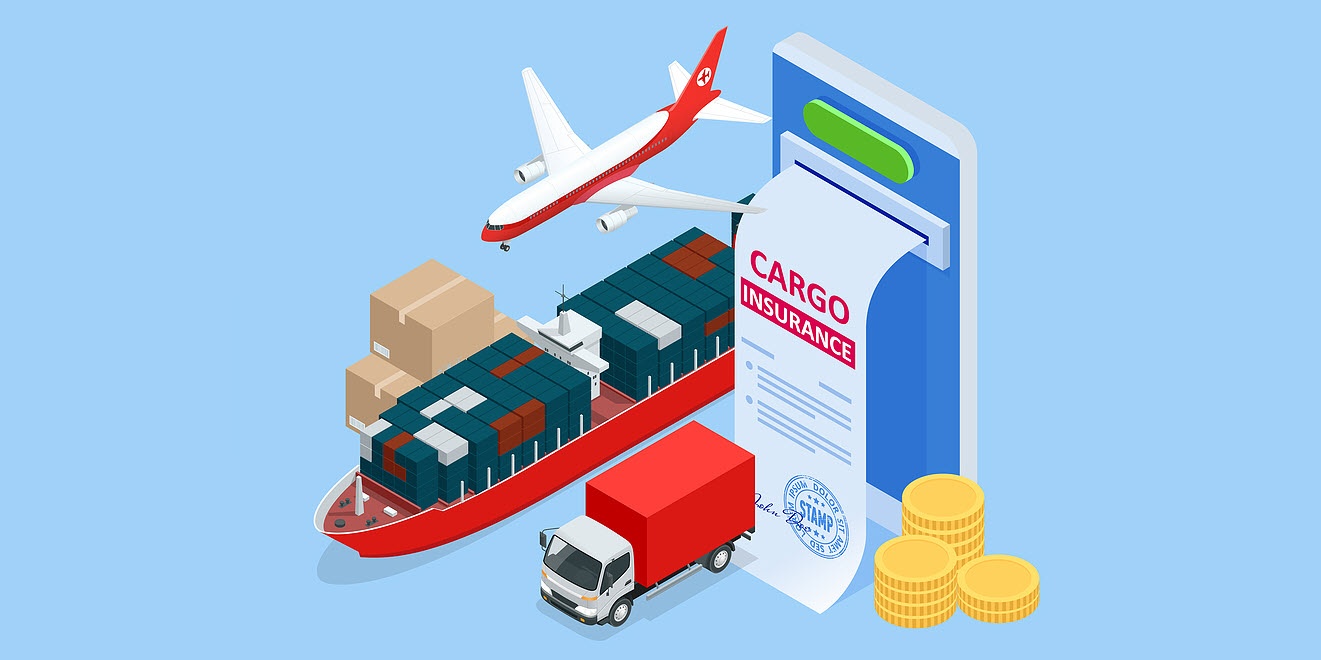
Post-Brexit Cargo Insurance: What UK Importers Need to Know
Introduction
The United Kingdom's departure from the European Union has fundamentally transformed the landscape of international trade and cargo insurance. As UK importers navigate these new waters, understanding the complexities of post-Brexit cargo insurance has become more crucial than ever. This comprehensive guide will explore everything you need to know about protecting your goods in transit, from regulatory changes to practical implementation strategies.
Understanding the New Regulatory Framework
The Impact of Brexit on Cargo Insurance
Brexit has introduced significant changes to how cargo insurance operates between the UK and EU. The loss of automatic recognition of insurance policies across borders means UK importers must now pay closer attention to their coverage requirements. The Financial Conduct Authority (FCA) has implemented new regulations requiring insurers to maintain specific levels of capital and liquidity to protect policyholders.
Key Regulatory Changes
-
Policy Recognition Requirements
-
Insurance policies must now be specifically validated for UK-EU trade
-
Additional documentation requirements for cross-border coverage
-
New compliance standards for international transportation
-
Regulatory Oversight
-
Enhanced scrutiny from the FCA
-
Stricter reporting requirements
-
Regular compliance audits
-
Documentation Requirements
-
Comprehensive policy documentation
-
Detailed coverage specifications
-
Clear liability definitions
Types of Cargo Insurance Coverage
Marine Insurance
Marine insurance remains the cornerstone of cargo protection, but post-Brexit considerations have made it more complex. This coverage protects goods during sea transportation and now requires additional attention to:
-
Territorial Coverage: Ensuring policies explicitly cover both UK and EU waters
-
Transit Points: Specific coverage for ports of entry and exit
-
Storage Periods: Clear definitions of coverage during loading and unloading
Air Freight Insurance
Air freight insurance has seen significant changes in:
-
Route Coverage: New requirements for documenting flight paths
-
Customs Clearance: Additional coverage for potential delays
-
Documentation Requirements: Enhanced paperwork for cross-border shipments
Land Transport Insurance
Land transport insurance now requires careful consideration of:
-
Route Planning: Specific coverage for different transport routes
-
Border Crossings: Additional protection for customs points
-
Storage Coverage: Protection during transit stops
Essential Coverage Components
Comprehensive Coverage Requirements
Modern cargo insurance must address several key areas:
-
Transit Coverage
-
Door-to-door protection
-
Warehouse storage
-
Loading and unloading
-
Risk Management
-
Theft protection
-
Damage prevention
-
Weather-related coverage
-
Documentation Protection
-
Policy verification
-
Claims documentation
-
Regulatory compliance
Additional Coverage Options
Consider these supplementary protections:
-
Temperature-Controlled Cargo: Special coverage for perishable goods
-
High-Value Items: Enhanced protection for luxury goods
-
Hazardous Materials: Specialized coverage for dangerous goods
Claims Process and Documentation
Filing Claims
The claims process has become more complex post-Brexit:
-
Initial Documentation
-
Supporting Evidence
-
Customs declarations
-
Transport documents
-
Storage records
-
Timeline Management
Common Claim Scenarios
Understanding typical claim situations helps prepare for potential issues:
-
Damage During Transit: Handling claims for physical damage
-
Theft and Loss: Procedures for missing goods
-
Customs Delays: Managing claims related to border issues
Cost Considerations and Budgeting
Premium Factors
Several elements influence cargo insurance premiums:
-
Goods Value
-
Item classification
-
Market value
-
Replacement costs
-
Transport Method
-
Mode of transportation
-
Route selection
-
Transit duration
-
Risk Assessment
Cost Management Strategies
Effective cost management includes:
-
Risk Assessment: Regular evaluation of coverage needs
-
Premium Optimization: Balancing coverage and costs
-
Deductible Planning: Strategic deductible selection
Compliance and Regulatory Requirements
Regulatory Framework
Post-Brexit compliance requires attention to:
-
Documentation Requirements
-
Customs declarations
-
Transport documents
-
Insurance certificates
-
Reporting Obligations
-
Audit Preparation
Regulatory Oversight
Key regulatory bodies include:
Risk Management Strategies
Preventive Measures
Implementing effective risk management includes:
-
Route Planning
-
Security Measures
-
Cargo tracking
-
Secure storage
-
Access control
-
Documentation Control
-
Secure record keeping
-
Digital backup systems
-
Access management
Emergency Procedures
Develop comprehensive emergency protocols:
-
Incident Response
-
Communication Plans
-
Recovery Procedures
Technology and Digital Solutions
Digital Insurance Management
Modern cargo insurance relies heavily on technology:
-
Digital Documentation
-
Risk Assessment Tools
-
Data analytics
-
Predictive modeling
-
Real-time monitoring
-
Communication Systems
-
Instant notifications
-
Digital tracking
-
Automated updates
Implementation Strategies
Successful digital transformation requires:
-
System Integration
-
Staff Training
-
Process Automation
Future Trends and Developments
Emerging Trends
The cargo insurance landscape continues to evolve:
-
Technological Advances
-
Regulatory Changes
-
Market Developments
-
Specialized coverage options
-
Innovative insurance products
-
Competitive market dynamics
Adaptation Strategies
Stay ahead of industry changes by:
-
Regular Policy Reviews
-
Continuous Learning
-
Market Monitoring
Conclusion
Post-Brexit cargo insurance represents a complex but manageable challenge for UK importers. Success requires a thorough understanding of regulatory requirements, careful planning, and proactive risk management. By implementing the strategies and recommendations outlined in this guide, importers can effectively protect their goods and maintain smooth operations in the post-Brexit environment.
Remember that cargo insurance is not a one-time consideration but an ongoing process that requires regular review and adjustment to meet changing circumstances and regulatory requirements. Stay informed, maintain detailed records, and work closely with experienced insurance professionals to ensure optimal protection for your cargo.


 My Account