

 My Account

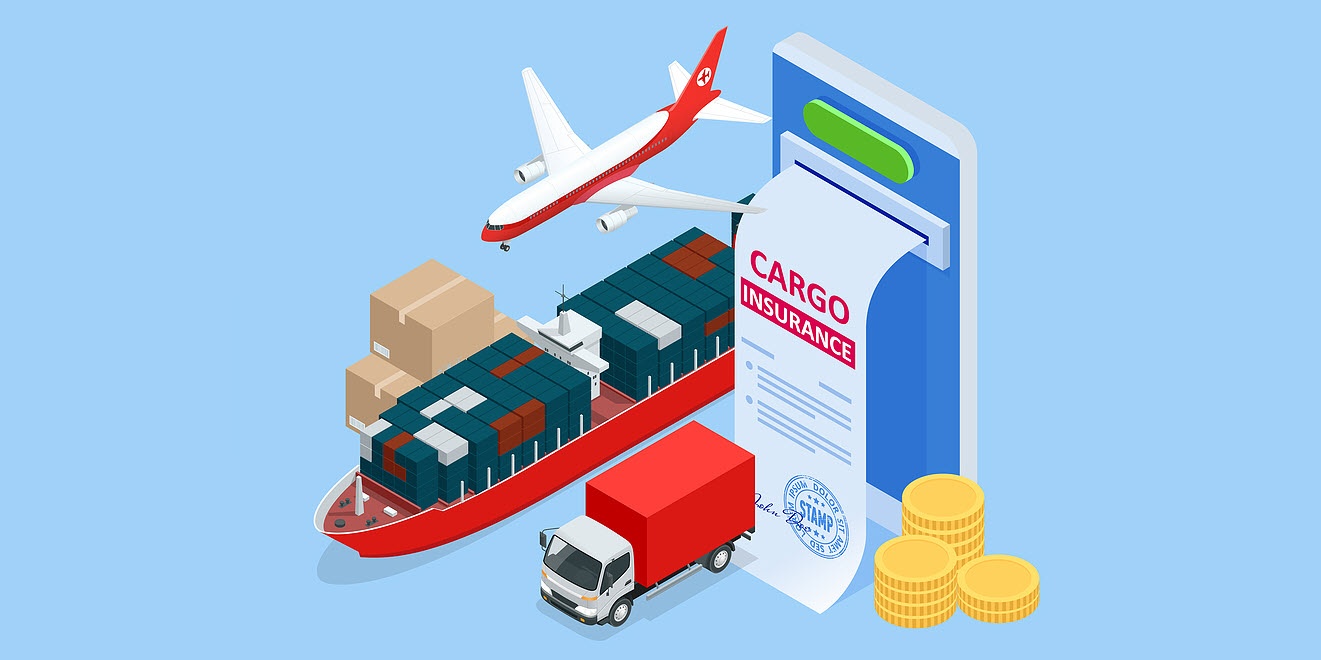
When it comes to protecting your v…
Port Delays and Cargo Insurance: What's Covered?
15 min read Published: 2025
In today's global supply chain landscape, port delays have become an increasingly common challenge for businesses involved in international trade. These delays can lead to significant financial losses, disrupted operations, and damaged relationships with customers. Understanding how cargo insurance covers port delays is crucial for businesses seeking to protect their investments and maintain operational continuity.
Understanding Port Delays
Common Causes of Port Delays
Port delays can occur for numerous reasons, each presenting unique challenges to cargo owners and carriers. Weather conditions remain one of the most significant factors, with hurricanes, storms, and extreme weather events capable of shutting down port operations for extended periods. The impact of these weather-related delays can be particularly severe in regions prone to seasonal weather patterns.
Labour disputes and strikes represent another major cause of port disruptions. When dock workers, longshoremen, or other port personnel engage in strikes or work slowdowns, cargo movement can come to a complete halt. These disputes often arise from negotiations over wages, working conditions, or other employment terms, and can last from days to weeks, depending on the complexity of the issues involved.
Mechanical failures and equipment breakdowns are increasingly common in modern ports, where sophisticated machinery and technology play crucial roles in cargo handling. A single malfunctioning crane or conveyor belt can create bottlenecks that affect multiple vessels and thousands of containers. The complexity of modern port operations means that even minor equipment issues can have cascading effects throughout the supply chain.
Regulatory changes and customs delays have become more prevalent in recent years, particularly as governments implement new security measures and trade policies. These changes can require additional documentation, inspections, or processing time, leading to unexpected delays that affect cargo movement.
Economic Impact of Port Delays
The financial implications of port delays extend far beyond the immediate costs of storage and demurrage. Businesses face additional expenses including increased insurance premiums, potential penalties for late deliveries, and the cost of arranging alternative transportation methods. These direct costs are often compounded by indirect expenses such as lost sales opportunities, damaged customer relationships, and disrupted production schedules.
The ripple effect of port delays can be particularly devastating for businesses operating on just-in-time inventory systems. When cargo arrives late, manufacturers may face production stoppages, retailers may miss critical sales periods, and service providers may fail to meet contractual obligations. These operational disruptions can lead to lost revenue and increased costs that far exceed the initial delay's duration.
Cargo Insurance Coverage Basics
Types of Cargo Insurance
Marine cargo insurance provides comprehensive protection for goods in transit, offering several types of coverage to address different risks. The most basic form, known as "all risks" coverage, provides broad protection against most types of damage and loss during transit. However, this coverage typically excludes certain specific risks that require additional endorsements or separate policies.
Specialised cargo insurance policies often include additional coverage for specific risks such as theft, pilferage, or damage from particular causes. These policies may be tailored to specific industries or types of cargo, providing more comprehensive protection for businesses with unique shipping requirements.
Standard Coverage Exclusions
While cargo insurance provides extensive protection, it's important to understand its limitations. Standard policies typically exclude losses resulting from inherent vice or natural deterioration of the cargo. This means that damage caused by the cargo's natural condition or tendency to deteriorate over time is not covered.
War risks, strikes, riots, and civil commotions are also commonly excluded from standard cargo insurance policies. These exclusions reflect the unpredictable and potentially catastrophic nature of such events, which can affect entire ports or regions simultaneously.
Coverage for Port Delays
Delay in Transit Coverage
Delay in transit coverage provides protection against financial losses resulting from port delays that exceed specified time limits. This coverage typically begins after a predetermined period of delay, often ranging from 30 to 60 days, and compensates the insured for additional expenses incurred due to the delay.
The coverage amount is usually calculated based on the value of the delayed cargo and the additional costs incurred, such as storage fees, demurrage charges, and alternative transportation expenses. Some policies may also include coverage for lost profits resulting from the delay.
Demurrage and Detention Coverage
Demurrage and detention coverage specifically addresses the costs associated with delayed cargo at ports. Demurrage refers to charges levied by port authorities for containers remaining at the port beyond the allowed free time, while detention charges apply to containers held by importers or exporters beyond the agreed period.
This coverage can be particularly valuable for businesses that frequently ship high-value cargo or operate on tight schedules. The costs of demurrage and detention can quickly accumulate, potentially exceeding the value of the cargo itself in prolonged delay situations.
Claim Process and Documentation
Required Documentation
Successfully claiming for port delays requires meticulous documentation and record-keeping. The foundation of any claim begins with the original bill of lading, which serves as the contract of carriage and proof of ownership. This document must be accompanied by the commercial invoice, packing list, and any relevant customs documentation.
For delay claims specifically, additional documentation is crucial. This includes official port authority notices of delay, correspondence with carriers regarding the delay, and detailed records of any additional expenses incurred. Photographs or video evidence of the delay's impact can also strengthen the claim.
Time Limits and Procedures
Insurance policies typically impose strict time limits for filing claims, often requiring notification of loss within 15-30 days of discovery. Failure to meet these deadlines can result in claim denial, regardless of the validity of the loss.
The claim submission process usually involves completing detailed claim forms, providing supporting documentation, and working closely with the insurance company's claims department. Many insurers now offer online claim submission systems, which can streamline the process and improve documentation tracking.
Risk Management Strategies
Prevention and Mitigation
Effective risk management begins with careful selection of shipping routes and ports. Businesses should consider factors such as port efficiency ratings, historical delay statistics, and local weather patterns when planning shipments. Working with experienced freight forwarders who understand port operations can help identify potential delay risks and suggest alternative routing options.
Implementing robust tracking systems and maintaining clear communication channels with all parties in the supply chain can help detect potential delays early. This early warning allows businesses to take proactive measures to minimise the impact of delays.
Insurance Planning
Developing a comprehensive insurance strategy requires careful consideration of various factors. Businesses should assess their specific risk profile, including the value and nature of their cargo, shipping frequency, and destination ports. This assessment helps determine the appropriate level of coverage and identify any additional endorsements needed.
Regular review of insurance policies is essential, particularly as business operations evolve and new risks emerge. Businesses should work closely with their insurance brokers to ensure their coverage remains adequate and relevant.
Real-World Examples
"When our shipment was delayed due to a port strike, our cargo insurance coverage helped us manage the additional costs and maintain our production schedule. The comprehensive documentation requirements were challenging but ultimately worthwhile." - Manufacturing Director
Regulatory Compliance
Understanding regulatory requirements is crucial for both cargo owners and insurers. International shipping regulations, including those set by the International Maritime Organization (IMO) and various national authorities, impact how delays are handled and documented.
Frequently Asked Questions
What is the typical waiting period before delay coverage begins?
Most delay in transit policies begin coverage after 30-60 days of delay, though this can vary by insurer and policy terms.
Does cargo insurance cover all types of port delays?
While most policies cover common causes of delay, exclusions typically apply to war risks, strikes, and certain regulatory delays.
How quickly must I report a port delay to my insurer?
Most policies require notification within 15-30 days of discovering the delay.
Conclusion
Port delays represent a significant risk in modern international trade, with the potential to cause substantial financial losses and operational disruptions. Understanding cargo insurance coverage for these delays is essential for businesses seeking to protect their investments and maintain operational continuity.
By carefully selecting appropriate insurance coverage, implementing robust risk management strategies, and maintaining detailed documentation, businesses can effectively manage the risks associated with port delays. Regular review of insurance policies and risk management practices ensures continued protection in an evolving global trade environment.