My Account

Nightclub Insurance vs Bar Insurance – What's the Difference?
Running a nightlife venue—whether it's a traditional pub, a cocktail bar, or a full-scale nightclub—comes with unique risks. While bars and nightclubs might seem similar on the surface, their insurance needs can differ significantly. Understanding these differences is crucial for protecting your business, your staff, and your customers.
In this guide, we'll break down the key distinctions between nightclub and bar insurance, explore the specific risks each venue type faces, and help you determine what coverage your business actually needs.
What Is Bar Insurance?
Bar insurance is a specialized form of business insurance designed for establishments that primarily serve alcoholic beverages in a more controlled, seated environment. This typically includes pubs, cocktail bars, wine bars, and casual drinking establishments where customers are expected to remain relatively stationary.
Bar insurance generally covers:
- Public Liability: Protection against claims from customers or third parties injured on your premises
- Employers' Liability: Coverage for employee injuries or claims
- Property Damage: Protection for your building, fixtures, fittings, and stock
- Business Interruption: Income protection if you're forced to close temporarily
- Liquor Liability: Coverage for claims arising from serving alcohol
- Till Fraud and Cash Handling: Protection against employee theft or dishonesty
What Is Nightclub Insurance?
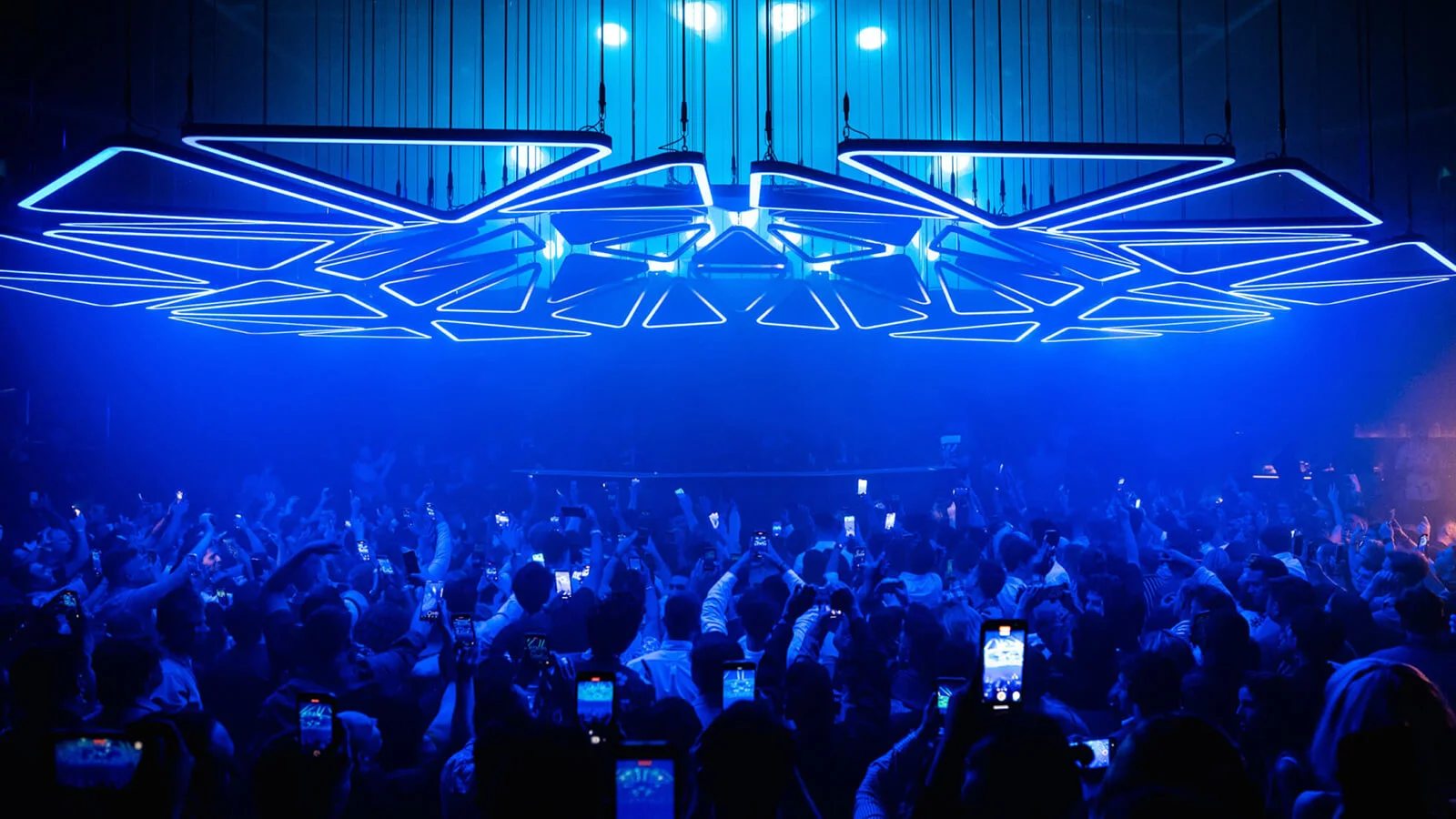
Nightclub insurance is a more comprehensive and specialized form of cover designed for high-energy venues with dancing, live entertainment, larger crowds, and extended operating hours. Nightclubs typically operate late into the night or early morning, host DJ performances or live bands, and accommodate significantly more people in a more dynamic environment.
Nightclub insurance typically includes all bar coverage plus additional protections such as:
- Enhanced Public Liability: Higher limits due to increased crowd density and movement
- Assault and Battery Coverage: Protection for claims arising from violence or altercations
- Security and Door Staff Liability: Coverage for injuries caused by bouncers or security personnel
- Event and Entertainment Liability: Protection for live performances, DJs, and entertainment acts
- Increased Liquor Liability: Enhanced coverage reflecting higher alcohol consumption and associated risks
- CCTV and Security Equipment: Coverage for surveillance systems and security infrastructure
- Crowd Management Liability: Protection for incidents arising from managing large groups
Key Differences Between Nightclub and Bar Insurance
1. Crowd Size and Density
The most obvious difference is the number of people on premises at any given time. A typical bar might accommodate 50–100 customers comfortably, whereas a nightclub can host 200–1,000+ people in a single evening. This increased density creates higher risks of injury, accidents, and crowd-related incidents. Insurance premiums for nightclubs reflect this heightened exposure.
2. Operating Hours
Bars typically operate during standard daytime and early evening hours (often closing by midnight or 1 AM). Nightclubs operate late into the night, frequently staying open until 3–6 AM. Extended hours mean more time for incidents to occur, more staff fatigue, and greater exposure to late-night clientele who may be more intoxicated. This extended risk window is reflected in higher insurance costs for nightclubs.
3. Alcohol Consumption Patterns
While both venues serve alcohol, nightclubs typically see higher per-capita alcohol consumption due to dancing, extended hours, and the social atmosphere. Customers at nightclubs are more likely to consume multiple drinks over several hours, increasing the risk of intoxication-related incidents. Bars, particularly gastropubs or wine bars, may have more moderate drinking patterns. This difference affects liquor liability premiums significantly.
4. Entertainment and Events
Nightclubs routinely host DJs, live bands, karaoke, themed nights, and special events. These entertainment elements introduce additional liability risks—from equipment damage to performer-related incidents to crowd control during performances. Bars may occasionally host live music or quiz nights, but this is typically less frequent and lower-risk. Event-specific liability coverage is essential for nightclubs but may be optional for bars.
5. Violence and Assault Risk
Nightclubs, particularly those operating into the early morning hours, face a statistically higher risk of violence, assault, and altercations. The combination of large crowds, high alcohol consumption, and late-night atmosphere creates an environment where disputes are more likely to escalate. Bars, especially quieter or more upmarket establishments, typically have lower assault risk. Nightclub insurance includes assault and battery coverage as standard; bar insurance may offer it as an optional add-on.
6. Security Requirements
Nightclubs almost always employ door staff, bouncers, or security personnel to manage crowds and maintain safety. This introduces liability related to how security staff conduct themselves. Bars may have security staff, but it's less common. Insurance for nightclubs must account for security staff liability, training standards, and incident reporting. Bar insurance may include basic security coverage, but nightclub policies are more comprehensive.
7. Building and Layout Complexity
Nightclubs often feature multiple rooms, dance floors, VIP areas, outdoor terraces, and complex layouts designed for high-capacity events. Bars typically have simpler, more straightforward layouts. The complexity of a nightclub increases the risk of accidents (slips, falls, collisions) and makes emergency evacuation more challenging. Insurance premiums reflect this increased structural and operational complexity.
8. Premium Costs
Due to the cumulative effect of these factors, nightclub insurance is significantly more expensive than bar insurance. A typical bar might pay £1,500–£3,500 annually for comprehensive cover, while a nightclub could pay £4,000–£10,000+ depending on size, location, and claims history. These figures vary based on your specific circumstances, but the gap is substantial.
Common Coverage Gaps: What You Might Be Missing
Many venue owners assume their standard business insurance covers all nightlife-related risks. Common gaps include:
- Inadequate Liquor Liability Limits: Standard coverage may not be sufficient if a customer causes harm to third parties after leaving your venue
- No Assault and Battery Coverage: If you operate a nightclub without this, you could face significant uninsured losses from violence-related claims
- Missing Security Staff Liability: If your door staff injure someone, you need specific coverage for their actions
- No Event Coverage: If you host live music or special events without event liability insurance, you're exposed
- Inadequate Property Coverage: Nightclub equipment (sound systems, lighting, DJ decks) can be expensive; ensure your policy covers these
- No Business Interruption: If forced to close due to an incident, incident, or licensing suspension, this coverage protects your income
Risk Factors That Affect Your Premiums
Insurance providers assess multiple factors when calculating your premium:
- Location: High-crime areas or city centres with late-night venues typically cost more
- Capacity: Larger venues with higher customer numbers pay higher premiums
- Claims History: Previous incidents or claims will increase your costs
- Security Measures: CCTV, trained door staff, and incident reporting systems can reduce premiums
- Licensing Status: Premises licences, DPS (Designated Premises Supervisor) training, and compliance with local regulations affect rates
- Operating Hours: Later closing times increase premiums
- Type of Clientele: Venues catering to specific demographics (e.g., student nights, sports events) may face higher premiums
- Staff Training: Evidence of responsible alcohol service training (e.g., Level 2 Awards in Responsible Alcohol Retail) can reduce costs
How to Choose the Right Insurance for Your Venue
Step 1: Assess Your Venue Type Honestly
Don't underestimate your venue's risk profile to save on premiums. If you host live music, have a dance floor, operate late, or regularly serve large crowds, you likely need nightclub-level coverage, not basic bar insurance. Misrepresenting your business to insurers can void your policy.
Step 2: Calculate Your Actual Capacity and Operating Model
Know your maximum safe capacity, average customer numbers, and typical operating hours. These figures directly impact your premium and coverage limits. Capacity should be based on your fire safety assessment and local licensing requirements, not just how many bodies you can fit.
Step 3: Review Your Specific Risks
Consider your venue's unique risks: Do you host live entertainment? Do you employ door staff? What's your local area like? Have you had previous incidents? Use these insights to identify essential coverage.
Step 4: Get Specialist Quotes
Don't rely on generic business insurance quotes. Work with insurers who specialize in hospitality and nightlife venues. They understand the sector's nuances and can offer tailored coverage at competitive rates.
Step 5: Review Annually
Your insurance needs may change as your business evolves. If you're adding entertainment, extending hours, or expanding capacity, review your coverage with your insurer to ensure you remain adequately protected.
Frequently Asked Questions
Can I use bar insurance for my nightclub?
Technically, you could, but it's not advisable. Bar insurance typically has lower liability limits and doesn't cover nightclub-specific risks like assault, security staff liability, or large-scale events. Using inadequate coverage could leave you exposed to significant uninsured losses. Always declare your actual business model to insurers.
What's the difference between a bar and a nightclub for insurance purposes?
Insurance providers typically classify venues based on capacity, operating hours, entertainment, and alcohol consumption patterns. A venue with a dance floor, DJ, capacity over 100, and hours extending past 1 AM is usually classified as a nightclub, even if you call it a "bar." Classification determines your premium and available coverage.
Do I need assault and battery coverage?
If you operate a nightclub or any late-night venue, assault and battery coverage is highly recommended. Violence-related claims can be costly, and public liability alone may not cover these incidents. The cost of adding this coverage is typically modest compared to the protection it provides.
What's the average cost of nightclub insurance in the UK?
Costs vary widely based on location, size, claims history, and security measures. A typical nightclub might expect to pay £4,000–£10,000 annually, but this can be higher in major cities or lower for smaller venues with excellent safety records. Always get multiple quotes to compare.
Does my insurance cover incidents outside my venue?
Not typically. If a customer leaves your venue intoxicated and causes harm to a third party, your liquor liability coverage may apply, but only if you can demonstrate that serving them was negligent. This is why responsible alcohol service training is important—it's both a legal requirement and an insurance expectation.
What happens if I don't have the right insurance?
Operating without adequate insurance is illegal in the UK. If an incident occurs and you're uninsured, you could face: personal liability for damages (potentially bankrupting you), criminal prosecution, loss of your premises licence, and inability to operate your business. The cost of proper insurance is far less than the risk of operating without it.
Can I reduce my nightclub insurance premiums?
Yes. Invest in security (CCTV, trained door staff), implement responsible alcohol service practices, maintain a clean claims history, ensure staff training is up to date, and work with your insurer on risk management strategies. Some insurers offer premium discounts for venues with strong safety records.
Is event liability insurance separate from nightclub insurance?
It can be. Some nightclub policies include event coverage as standard, while others offer it as an optional add-on. If you regularly host special events, themed nights, or large parties, clarify whether your policy covers these or if you need separate event insurance.
What if my venue transitions from a bar to a nightclub?
Notify your insurer immediately. Changes to your business model (adding a dance floor, extending hours, hosting regular entertainment, increasing capacity) must be declared. Your existing policy may not cover these changes, and you'll need to upgrade to nightclub-level coverage.
Do I need separate insurance for outdoor areas?
Most hospitality insurance policies include outdoor areas (beer gardens, terraces, patios) as standard, but coverage limits may be lower. If you have a substantial outdoor space with significant customer numbers, confirm that your policy provides adequate coverage for outdoor liability and property.