

 My Account

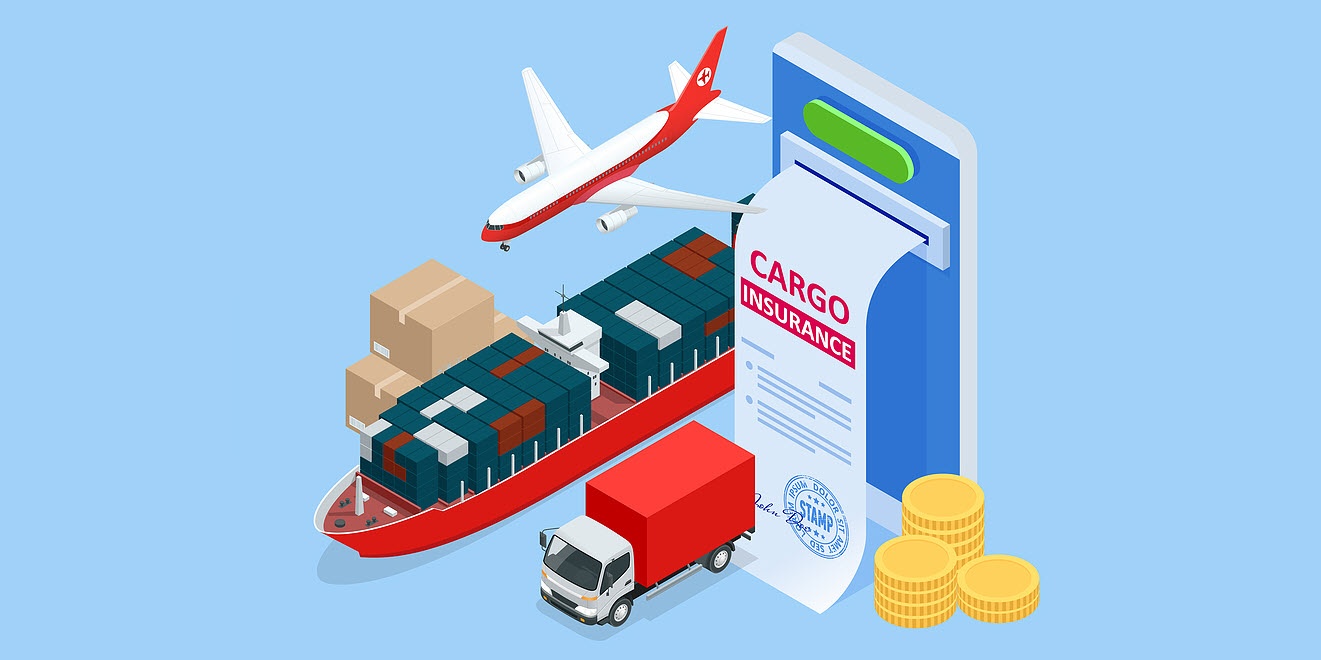
When it comes to protecting your v…
Marine Cargo Insurance vs Inland Transit Insurance: A Comprehensive Guide
Understanding the Basics
In today's global business landscape, protecting your goods during transit is crucial for maintaining business continuity and profitability. Two primary types of insurance protect cargo during transportation: Marine Cargo Insurance and Inland Transit Insurance. While both serve similar purposes, they differ significantly in their coverage, scope, and application. This comprehensive guide will help you understand these differences and make informed decisions about your cargo insurance needs.
What is Marine Cargo Insurance?
Marine Cargo Insurance, also known as Ocean Marine Insurance, provides coverage for goods transported across international waters. This insurance protects against various risks that can occur during maritime transportation, including:
- Damage from storms and rough seas
- Collision and grounding of vessels
- Piracy and theft at sea
- Sinking or capsizing of vessels
- Fire and explosion on board
- General average contributions
What is Inland Transit Insurance?
Inland Transit Insurance, also called Land Transit Insurance, covers goods transported within a country or between countries via land or air transport. This insurance protects against risks specific to land-based transportation, such as:
- Road accidents and vehicle damage
- Theft and robbery
- Loading and unloading accidents
- Weather-related damage
- Mechanical breakdown
- Handling damage
Key Differences Between Marine and Inland Transit Insurance
Coverage Scope
Marine Cargo Insurance typically offers broader coverage for international shipments, including protection against risks specific to ocean transport. Inland Transit Insurance focuses on risks associated with domestic or regional transportation, providing more targeted coverage for land-based transit.
Policy Duration
Marine Cargo Insurance often covers the entire journey from port to port, including loading and unloading at ports. Inland Transit Insurance usually covers the journey from the point of origin to the final destination within a country or region.
Risk Assessment
Marine insurance considers factors like vessel type, route, weather patterns, and piracy risks. Inland insurance focuses on road conditions, vehicle type, driver experience, and regional security concerns.
Premium Calculation
Marine cargo premiums typically consider factors like:
- Type of goods being shipped
- Destination and route
- Vessel type and age
- Shipping season
- Security measures on board
Inland transit premiums consider:
- Transportation mode
- Distance traveled
- Security measures during transit
- Vehicle condition
- Driver qualifications
Cost Comparison
Marine Cargo Insurance tends to be more expensive due to the higher risks associated with ocean transport. However, the actual cost depends on various factors:
- Value of goods being shipped
- Type of cargo
- Transportation method
- Distance and route
- Insurance coverage limits
- Deductibles and excess amounts
Coverage Examples
Marine Cargo Insurance typically covers:
- Damage from rough seas and storms
- Vessel collisions and groundings
- Piracy and theft at sea
- Fire and explosion on board
- General average contributions
Inland Transit Insurance typically covers:
- Road accidents and vehicle damage
- Theft and robbery during transit
- Loading and unloading accidents
- Weather-related damage
- Mechanical breakdown
Choosing the Right Insurance
Consider these factors when deciding between Marine Cargo Insurance and Inland Transit Insurance:
- Nature of your business and shipping routes
- Value and type of goods being transported
- Transportation methods used
- Risk assessment of your shipping routes
- Budget constraints
- Regulatory requirements
Best Practices for Insurance Coverage
To maximize your insurance coverage and minimize risks:
- Conduct regular risk assessments
- Maintain detailed inventory records
- Implement proper packaging and handling procedures
- Choose reliable carriers and transportation partners
- Review and update insurance coverage regularly
- Keep accurate documentation of shipments
Conclusion
Understanding the differences between Marine Cargo Insurance and Inland Transit Insurance is crucial for businesses involved in transportation and logistics. While Marine Cargo Insurance provides comprehensive coverage for international shipments, Inland Transit Insurance offers targeted protection for domestic transportation. The choice between these insurance types depends on your specific business needs, shipping routes, and risk profile.
Regular review of your insurance coverage, combined with proper risk management practices, can help protect your business from potential losses during transit. Remember that both types of insurance are essential tools in your risk management strategy, and many businesses may need both to fully protect their cargo throughout its journey.