

 My Account

When it comes to protecting your v…
Marine Cargo Insurance (Sea Freight): The UK Guide to Protecting Goods in Transit
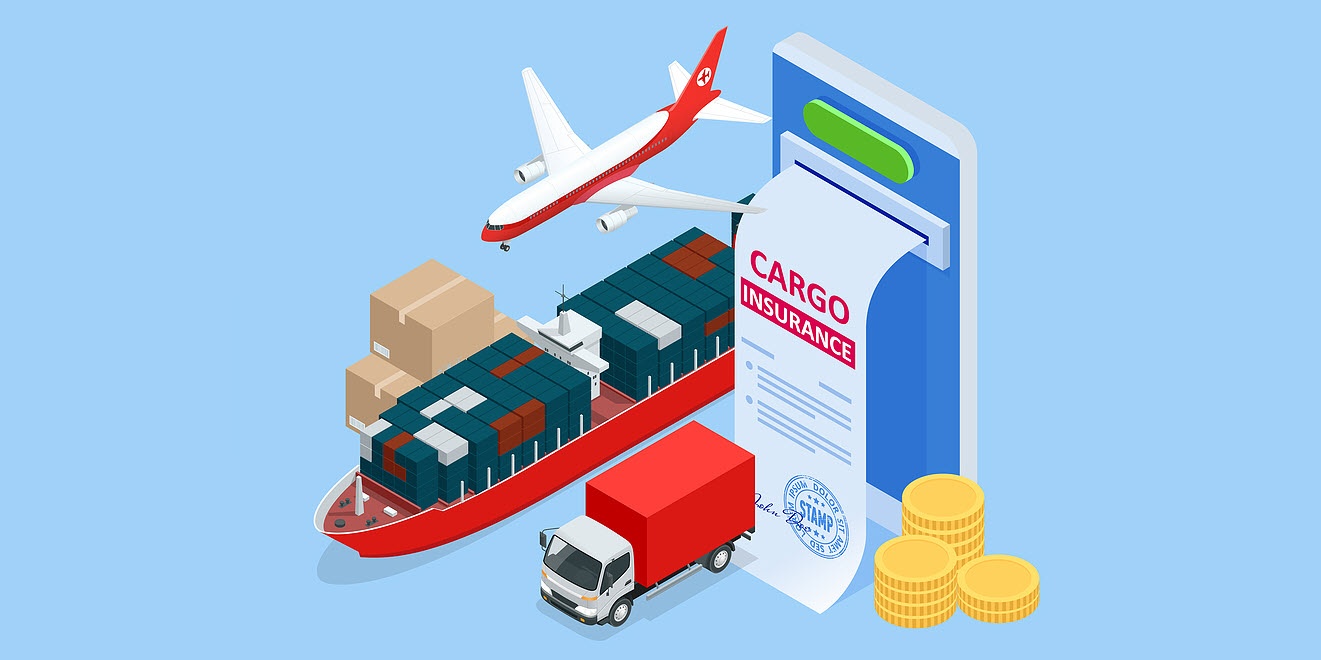
Sea freight is one of the most cost-effective ways to move goods internationally — but it also comes with a unique set of risks. Containers get dropped, cargo gets wet, ships face storms, ports get congested, and paperwork mistakes can delay or derail claims. If your business imports or exports stock, raw materials, machinery, or high-value products, marine cargo insurance can be the difference between a manageable incident and a major financial hit.
In this guide, we’ll break down how marine cargo insurance works for sea freight, what it covers, what it typically excludes, how Incoterms affect responsibility, and what you should do to make claims smoother and faster.
What Is Marine Cargo Insurance?
Marine cargo insurance is a type of commercial insurance that protects goods while they are being transported. Despite the name, it doesn’t only apply to ships — it can cover cargo during the full journey, including road and rail legs, depending on how the policy is arranged. For businesses using sea freight, it’s primarily designed to cover loss or damage to goods while they are:
- In transit to the port of departure
- Being loaded onto a vessel
- On board the vessel during the sea voyage
- Being unloaded at the destination port
- In transit to the final delivery address (if insured on a “warehouse to warehouse” basis)
The key thing to understand is this: carriers and freight forwarders are not automatically responsible for the full value of your goods. Their liability is often limited by international conventions and contract terms — which means you could receive only a fraction of the value after a loss unless you have your own cargo insurance in place.
Why Sea Freight Needs Specialist Insurance
Sea freight is exposed to different hazards compared to courier or road haulage. Even with containerisation and modern logistics, cargo can be affected by weather, sea conditions, handling equipment, port operations, and extended transit times.
Common sea freight risk scenarios include:
- Heavy weather causing shifting cargo, container loss overboard, or seawater ingress
- General Average (a shared maritime loss event that can require you to contribute financially)
- Container damage due to poor stowage, crushing, or impact during loading/unloading
- Water damage from leaks, rain during port handling, or condensation (“container sweat”)
- Theft and pilferage at ports, depots, and during inland legs
- Fire on board vessels or in port storage areas
- Delays leading to spoilage or contractual penalties (often not covered unless specifically insured)
- Documentation errors that complicate claims or create disputes over responsibility
A good marine cargo policy doesn’t just pay claims — it helps you manage risk, protect cashflow, and keep trade moving when something goes wrong.
What Does Marine Cargo Insurance Cover?
Coverage depends on the policy wording, but marine cargo insurance is often arranged on one of the following bases:
1) All Risks (Institute Cargo Clauses A)
“All risks” is the broadest common cover and is typically the default recommendation for most commercial shipments. It covers physical loss or damage to cargo from external causes, subject to exclusions. It’s important to note that “all risks” does not mean “everything is covered” — exclusions still apply.
2) Named Perils (Institute Cargo Clauses B or C)
These are more restricted forms of cover, typically cheaper, and may be appropriate for certain cargo types or low-value shipments. They cover only specified events such as fire, explosion, vessel grounding, collision, or jettison.
3) Warehouse to Warehouse Cover
Many policies can be arranged to cover goods from the moment they leave the seller’s warehouse to the moment they arrive at the buyer’s warehouse. This is often the most practical approach for importers and exporters because it covers the full logistics chain rather than only the sea leg.
4) Single Shipment vs Open Cover
- Single shipment: ideal for occasional import/export movements
- Open cover / annual policy: designed for regular shippers; you declare shipments throughout the year
If you ship frequently, open cover can reduce admin, improve consistency, and avoid gaps in cover.
What’s Usually Excluded?
Exclusions vary, but most marine cargo policies will exclude or restrict:
- Inherent vice (the cargo’s natural tendency to deteriorate, e.g., fruit ripening, metal corrosion without an insured event)
- Insufficient packaging or poor preparation for transit
- Delay (even if caused by an insured peril, unless “delay” cover is specifically added)
- Ordinary leakage, ordinary loss in weight/volume, or normal wear and tear
- War and strikes (often available as optional extensions)
- Unseaworthiness or knowingly sending cargo on an unsuitable vessel (depending on knowledge and wording)
This is why the details matter. If your goods are fragile, temperature-sensitive, high-theft, or unusually valuable, you’ll want the policy structured around those realities.
Incoterms: Who Is Responsible for Insurance?
Incoterms (International Commercial Terms) define the responsibilities of buyers and sellers in international trade — including who arranges transport and who bears risk at each stage. This matters because many businesses assume the other party “must have insured it,” only to discover the cover is limited or doesn’t match the real value.
A few practical examples (always confirm the exact Incoterm and contract wording):
- EXW (Ex Works): buyer often carries most of the risk from the seller’s premises onward
- FOB (Free On Board): risk typically transfers when goods are loaded onto the vessel
- CIF (Cost, Insurance & Freight): seller arranges insurance, but it may be minimum cover and not always “all risks”
- DDP (Delivered Duty Paid): seller often bears risk until delivery to the buyer’s premises
Even when the seller provides insurance (like CIF), the policy may be arranged to satisfy a contract requirement rather than to protect your margin, your cashflow, or your replacement cost. If you’re the buyer, it’s worth checking what level of cover is actually being provided.
General Average: The Sea Freight Risk Many Businesses Don’t Expect
General Average is a long-standing maritime principle. If a shipowner makes a deliberate sacrifice or incurs extraordinary costs to save the voyage (for example, jettisoning cargo during a storm, or paying emergency salvage), then all cargo owners can be required to contribute to the loss.
That can mean your goods are held at the destination port until you provide a financial guarantee — even if your own cargo wasn’t damaged. Marine cargo insurance typically covers General Average contributions, which can be a major relief for importers and exporters.
How Much Does Marine Cargo Insurance Cost?
Premiums vary widely, but pricing is usually influenced by:
- Type of goods (fragile, theft-attractive, hazardous, perishable)
- Value of goods and currency
- Packaging method (palletised, crated, containerised, bulk)
- Route and ports (including risk level and congestion)
- Claims history
- Cover basis (All Risks vs named perils)
- Excess/deductible and any special clauses
Many policies insure goods on an “invoice value plus uplift” basis (often an additional percentage to reflect anticipated profit and incidental costs). The right approach depends on whether you need replacement cost, selling price, or contract value protected.
What Information Do Insurers Need for a Quote?
To arrange marine cargo insurance efficiently, you’ll typically be asked for:
- Commodity description (what the goods are)
- Shipment value and currency
- Packaging details (cartons, pallets, crates, container type)
- Mode of transport and route (origin, destination, transhipments)
- Incoterms and who is responsible for insurance
- Frequency of shipments (one-off or regular)
- Any special requirements (temperature control, high-value security, time-critical delivery)
The more accurate the information, the fewer surprises you’ll face at claims stage.
Claims: What To Do If Cargo Is Lost or Damaged
When something goes wrong in transit, speed and documentation matter. A typical best-practice approach is:
- Inspect immediately upon arrival and record any visible damage
- Take photos and video of packaging, container seals, and damaged goods
- Notify the carrier and freight forwarder promptly and request a written record
- Do not dispose of goods until advised (unless required for safety)
- Gather key documents: commercial invoice, packing list, bill of lading, delivery notes, survey reports
- Arrange a survey if required (insurers often appoint surveyors for larger losses)
- Submit the claim with a clear timeline and evidence of value
Many claim disputes come down to packaging, late notification, or missing paperwork — not whether the loss happened. A broker can help you present the claim properly and reduce delays.
Risk Management Tips to Reduce Losses (and Premiums)
- Use robust packaging suitable for sea conditions and long transit times
- Control moisture with desiccants, liners, and correct ventilation to reduce container sweat
- Seal and record container seal numbers and photograph seals at loading/unloading
- Choose reputable forwarders and clarify responsibilities in writing
- Document everything: packing methods, condition at dispatch, and loading photos
- Review Incoterms and ensure insurance matches where risk transfers
Insurers like predictable, well-controlled logistics. Good processes reduce claims and can support better terms over time.
Marine Cargo Insurance (Sea Freight) FAQs
Is marine cargo insurance legally required in the UK?
It’s not usually a legal requirement, but it may be required by contract, finance agreements, or trading terms. Even when not required, it’s often a sensible protection for cashflow and stock value.
Does my freight forwarder’s insurance cover my goods?
Freight forwarders may have liability cover, but that is not the same as insuring your goods for their full value. Liability is often limited and subject to strict conditions. If you want full-value protection, you typically need your own marine cargo policy.
What’s the difference between “All Risks” and “Total Loss Only”?
“All Risks” is broad cover for physical loss or damage (subject to exclusions). “Total Loss Only” is much narrower and generally responds only if the entire shipment is lost — not if it’s partially damaged.
Does marine cargo insurance cover theft?
Theft can be covered, especially under All Risks wording, but insurers will look closely at security measures, packaging, and where the theft occurred. High-theft goods may require additional conditions.
Can I insure goods stored at the port or in a warehouse?
Many policies include temporary storage during transit, but long-term storage may need separate stock or warehouse insurance. Always confirm time limits and storage conditions in the policy.
Will it cover damage caused by poor packaging?
Poor or insufficient packaging is commonly excluded. If goods aren’t packed for sea freight conditions, insurers may decline the claim. Packaging should be appropriate for handling, stacking, moisture, and transit duration.
Does it cover delays and missed delivery deadlines?
Delay is usually excluded unless you buy a specialist extension. If your business is exposed to contractual penalties or spoilage due to delay, talk to a broker about options and realistic expectations.
What value should I insure: invoice value or replacement cost?
Many businesses insure invoice value plus an uplift for profit and incidental costs. Others prefer replacement cost. The right approach depends on your contract terms, margin, and how quickly you need to reorder after a loss.
Need Marine Cargo Insurance for Sea Freight?
If you import or export goods by sea, marine cargo insurance can protect your stock, your cashflow, and your ability to fulfil contracts. The key is making sure the cover matches your Incoterms, your cargo type, and the real risks of your route.
Want a quote or a quick policy review? We can help you arrange marine cargo insurance for one-off shipments or regular sea freight movements — with clear advice on cover, exclusions, and claims support.
Get in touch today to discuss your shipment details and get the right cover in place.