

 My Account

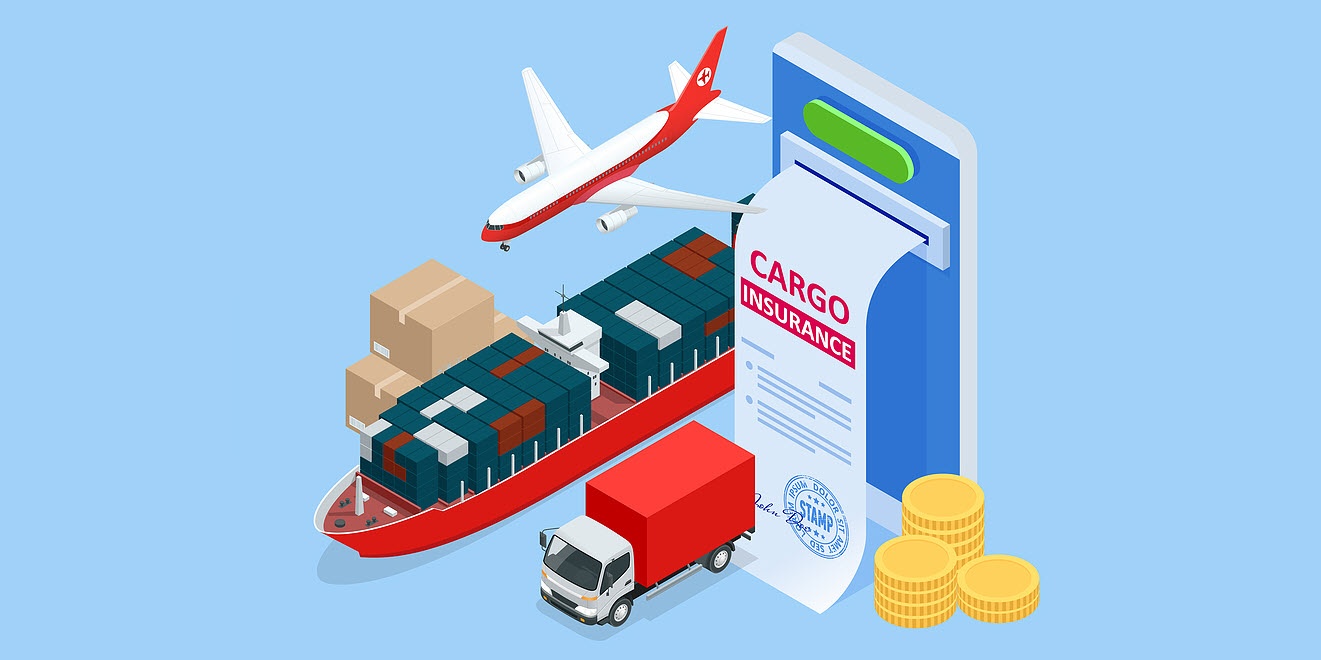
When it comes to protecting your v…
Incoterms and Cargo Insurance: Who's Responsible for Coverage?
Published: February 28, 2025 By Insure24 Insurance Experts
Understanding Incoterms and Cargo Insurance Responsibilities
When it comes to international trade, understanding who's responsible for cargo insurance is crucial for protecting your business interests. The International Commercial Terms (Incoterms) play a vital role in determining these responsibilities, yet many businesses still struggle to understand their implications for insurance coverage.
This comprehensive guide will help you navigate the complex relationship between Incoterms and cargo insurance, ensuring you're properly protected throughout your international shipping operations.
The Basics of Incoterms
Incoterms are internationally recognised rules that define the responsibilities of buyers and sellers in international trade. These terms determine who is responsible for:
- Arranging and paying for transport
- Handling customs procedures
- Obtaining insurance coverage
- Bearing the risk of loss or damage
The latest version, Incoterms 2020, includes 11 different terms, each with specific implications for cargo insurance responsibilities.
Insurance Responsibility by Incoterm
Let's examine the insurance responsibilities under each Incoterm:
EXW (Ex Works)
Under EXW terms, the buyer assumes all responsibilities and risks from the moment the goods are made available at the seller's premises. This means:
- The buyer is responsible for arranging and paying for insurance
- The buyer bears all risks during transport
- The seller has minimal responsibilities
FCA (Free Carrier)
Under FCA terms:
- The buyer is responsible for insurance from the named place of delivery
- The seller must provide the goods cleared for export
- The buyer assumes risk once the goods are handed over to the carrier
CPT (Carriage Paid To)
CPT terms require:
- The seller to pay for carriage to the named place of destination
- The buyer to arrange and pay for insurance
- Risk transfer occurs when goods are handed to the first carrier
CIP (Carriage and Insurance Paid To)
CIP terms are similar to CPT but with additional insurance requirements:
- The seller must arrange and pay for insurance
- Minimum insurance coverage is Institute Cargo Clauses (A) under Incoterms 2020
- Risk transfers when goods are handed to the first carrier
- The seller must provide the buyer with the insurance policy
DAP (Delivered at Place)
Under DAP terms:
- Neither party is obligated to arrange insurance, though the buyer typically does
- The seller bears all risks until delivery at the named place
- The seller arranges and pays for transport to the destination
DPU (Delivered at Place Unloaded)
DPU terms specify:
- Neither party is obligated to arrange insurance
- The seller bears all risks until unloading at destination
- The seller pays for unloading costs
DDP (Delivered Duty Paid)
DDP terms represent the seller's maximum responsibility:
- Neither party is obligated to arrange insurance
- The seller bears all risks until delivery at destination
- The seller pays for all duties and taxes
FAS (Free Alongside Ship)
FAS terms require:
- The buyer to arrange and pay for insurance
- The seller to deliver goods alongside the vessel
- Risk transfers when goods are alongside the vessel
FOB (Free on Board)
FOB terms specify:
- The buyer is responsible for insurance
- The seller delivers goods on board the vessel
- Risk transfers when goods are on board the vessel
CFR (Cost and Freight)
CFR terms require:
- The buyer to arrange and pay for insurance
- The seller to pay for carriage to the port of destination
- Risk transfers when goods are on board the vessel
CIF (Cost, Insurance and Freight)
CIF terms are similar to CFR but with insurance requirements:
- The seller must arrange and pay for insurance
- Minimum insurance coverage is Institute Cargo Clauses (C) or equivalent
- Risk transfers when goods are on board the vessel
- The seller must provide the buyer with the insurance policy
Key Differences: CIF vs CIP Insurance Requirements
It's important to note the significant difference between CIF and CIP insurance obligations under Incoterms 2020:
- CIF: Requires minimum Institute Cargo Clauses (C) coverage - basic protection covering major casualties
- CIP: Requires minimum Institute Cargo Clauses (A) coverage - comprehensive all-risks protection
This change in Incoterms 2020 reflects the higher risk exposure in containerised and multimodal transport compared to traditional sea freight.
Types of Cargo Insurance Coverage
When arranging cargo insurance, consider these coverage options:
Institute Cargo Clauses (A, B, C)
The Institute Cargo Clauses provide different levels of coverage:
- Institute Cargo Clauses (A): All risks coverage, protecting against all causes of loss or damage except those specifically excluded. This is the most comprehensive coverage available.
- Institute Cargo Clauses (B): Named perils coverage, covering specific risks including fire, explosion, vessel stranding, collision, discharge at a port of distress, and general average sacrifice.
- Institute Cargo Clauses (C): Basic coverage, covering major risks such as fire, explosion, vessel stranding, sinking, collision, and overturning of land transport.
Additional Coverage Options
Consider these additional coverage options to enhance your protection:
- War and Strikes Coverage: Protection against losses from war, civil war, revolution, and labour strikes
- Terrorism Coverage: Protection against acts of terrorism
- Warehouse to Warehouse Coverage: Extended coverage from origin warehouse to final destination
- Delay in Transit Coverage: Protection for time-sensitive or perishable goods
- Theft, Pilferage and Non-Delivery: Coverage for partial or complete theft
Understanding Risk Transfer vs Cost Responsibility
A critical concept in Incoterms is the distinction between risk transfer and cost responsibility:
- Risk Transfer: The point at which responsibility for loss or damage passes from seller to buyer
- Cost Responsibility: Who pays for transport, insurance, and other charges
These two elements don't always align. For example, under CFR terms, the seller pays for freight to destination, but risk transfers to the buyer once goods are on board the vessel. This creates a gap where the buyer bears the risk but the seller controls the transport.
Best Practices for Cargo Insurance
Follow these best practices to ensure adequate coverage:
1. Understand Your Incoterm Responsibilities
Clearly understand which party is responsible for insurance under your chosen Incoterm. Don't assume the other party has arranged coverage.
2. Assess Your Risk Exposure
Consider factors such as:
- Value and nature of goods
- Transport routes and modes
- Political and weather risks
- Handling and storage requirements
3. Choose Appropriate Coverage Levels
Don't rely on minimum coverage requirements. Assess whether Institute Cargo Clauses (A), (B), or (C) best suits your needs.
4. Consider Contingency Insurance
Even when the other party is responsible for insurance, consider contingency coverage to protect against gaps in their policy.
5. Keep Detailed Records and Documentation
Maintain comprehensive records including:
- Commercial invoices
- Packing lists
- Bills of lading or air waybills
- Insurance certificates
- Inspection reports
6. Review Coverage Regularly
Regularly review your insurance arrangements to ensure they remain adequate as your business evolves.
Common Mistakes to Avoid
Avoid these frequent pitfalls in cargo insurance:
- Assuming Coverage Exists: Never assume the other party has arranged insurance without verification
- Under-Insurance: Insuring for invoice value only, without including freight, duty, and profit margin
- Inadequate Coverage Level: Accepting minimum Institute Cargo Clauses (C) when your goods require broader protection
- Ignoring Exclusions: Failing to understand what's excluded from your policy
- Poor Documentation: Inadequate documentation can jeopardise claims
- Delayed Claims: Failing to notify insurers promptly of loss or damage
Making a Cargo Insurance Claim
If loss or damage occurs, follow these steps:
- Immediate Notification: Notify your insurer immediately upon discovering loss or damage
- Preserve Evidence: Take photographs and preserve damaged goods for inspection
- Obtain Surveys: Arrange for independent surveys to assess damage
- Gather Documentation: Compile all relevant documents including policies, invoices, and transport documents
- Mitigate Further Loss: Take reasonable steps to prevent additional damage
- Submit Claim: Submit your claim with all supporting documentation promptly
Conclusion
Understanding the relationship between Incoterms and cargo insurance is essential for protecting your international shipments. By knowing your responsibilities under each Incoterm and selecting appropriate coverage, you can ensure your goods are properly protected throughout their journey.
Remember that while only CIF and CIP explicitly require insurance, prudent businesses arrange coverage regardless of the Incoterm used. The cost of insurance is minimal compared to the potential loss of an uninsured shipment.
At Insure24, we specialise in helping businesses navigate the complexities of cargo insurance. Our experts can assess your specific needs, explain your Incoterm obligations, and arrange comprehensive coverage tailored to your operations. Contact us today at 0330 127 2333 or visit www.insure24.co.uk to discuss your cargo insurance requirements.
Frequently Asked Questions
What happens if I don't have cargo insurance?
Without cargo insurance, you bear the full financial risk of any loss or damage to your goods during transit. This could result in significant financial losses and disruption to your business operations. Even if the carrier is liable, their liability is typically limited by international conventions.
Can I change Incoterms after agreeing to them?
Yes, but both parties must agree to the change in writing. Any changes should be documented clearly and may require adjustments to insurance coverage, transport arrangements, and customs documentation.
How much cargo insurance do I need?
Insurance should cover the full value of goods plus freight, duty, and expected profit margin. Industry standard is typically 110% of the CIF value to account for additional costs and profit.
What's the difference between CIF and CIP?
Both require the seller to arrange insurance, but CIF is for sea freight only while CIP is for any transport mode. Under Incoterms 2020, CIP requires higher minimum coverage (Institute Cargo Clauses A) compared to CIF (Institute Cargo Clauses C).
Should I arrange insurance even when it's the other party's responsibility?
Yes, contingency insurance is advisable. The other party's coverage may be inadequate, have exclusions, or not cover your full interest in the goods. Contingency insurance fills these gaps.
Does cargo insurance cover delays?
Standard cargo insurance typically doesn't cover delay unless specifically added. If your goods are time-sensitive or perishable, discuss delay coverage with your insurer.
What's the difference between all risks and named perils coverage?
All risks coverage (Institute Cargo Clauses A) covers all causes of loss except those specifically excluded. Named perils coverage (Clauses B and C) only covers risks specifically listed in the policy.
How long do I have to make a claim?
Time limits vary by policy, but you should notify insurers immediately upon discovering loss or damage. Most policies require formal claims within a specific timeframe, often 12 months from the date of loss.
Are customs duties covered by cargo insurance?
Standard cargo insurance doesn't cover customs duties, taxes, or fines. However, if goods are lost or damaged, insurance can cover the duty paid on those goods if it was included in the insured value.
What documentation do I need for a cargo insurance claim?
Essential documents include the insurance policy or certificate, commercial invoice, packing list, bill of lading or air waybill, survey reports, photographs of damage, correspondence with carriers, and any other relevant documentation.