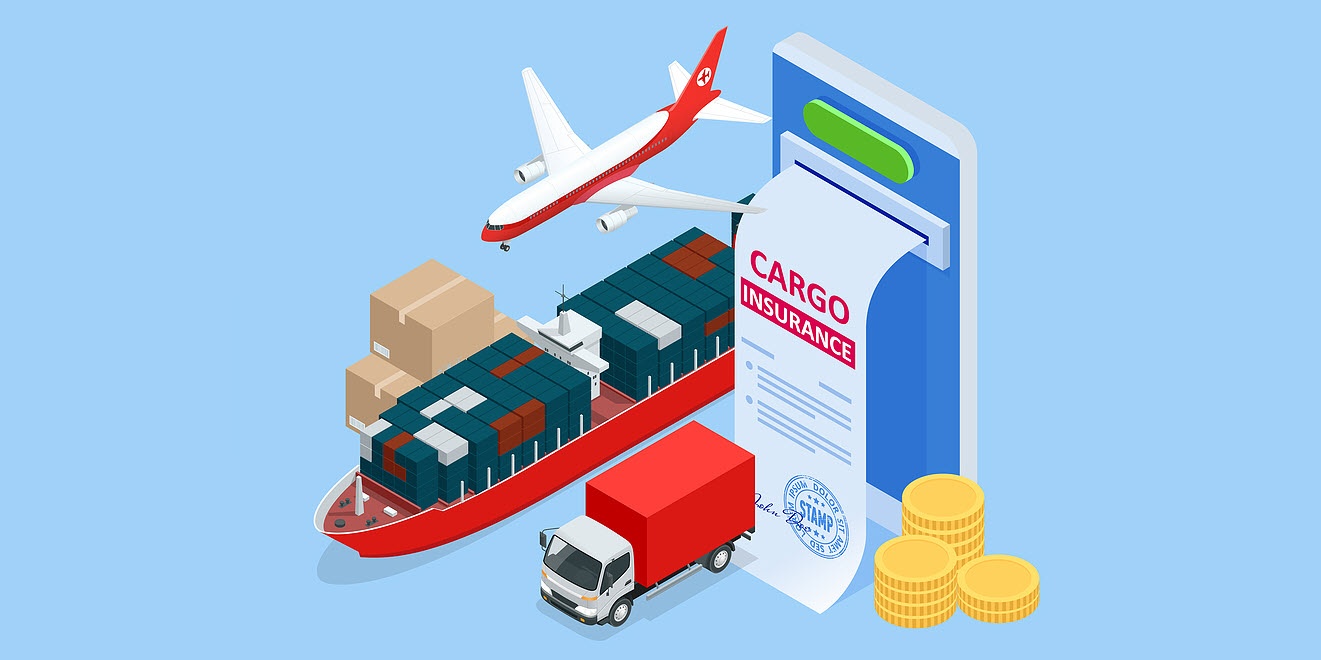
How Much Does Cargo Insurance Cost in the UK? A Comprehensive Guide
Cargo insurance is a crucial investment for UK businesses that transport goods, whether domestically or internationally. But understanding the costs involved can be challenging, as premiums vary significantly based on multiple factors. In this comprehensive guide, we'll break down everything you need to know about cargo insurance costs in the UK, helping you budget effectively and make informed decisions.
Understanding Cargo Insurance Basics
Cargo insurance, also known as marine cargo insurance, protects goods in transit from damage, loss, or theft. While the name suggests maritime transport, cargo insurance covers goods transported by any method – road, rail, air, or sea.
What Does Cargo Insurance Cover?
Cargo insurance typically covers:
-
Physical damage to goods
-
Theft or pilferage
-
Loss or shortage
-
Contamination or spoilage
-
Fire and explosion
-
Natural disasters
-
Collision and overturning of transport vehicles
-
General average contributions
Average Cargo Insurance Costs in the UK
The cost of cargo insurance in the UK varies widely, but here's what you can expect:
Standard Rates
-
Small businesses: £300-£800 per year
-
Medium businesses: £800-£2,500 per year
-
Large businesses: £2,500-£10,000+ per year
Per-Shipment Costs
-
Low-value goods: 0.5%-2% of shipment value
-
Medium-value goods: 1%-3% of shipment value
-
High-value goods: 2%-5% of shipment value
Specific Examples
-
Automotive parts: £1,500-£3,500 annually
-
Clothing: £1,000-£2,500 annually
-
Electronics: £2,000-£6,000 annually
-
Food products: £800-£2,000 annually
Factors Affecting Cargo Insurance Costs
Several key factors influence how much you'll pay for cargo insurance in the UK:
1. Type of Goods
The nature of your cargo significantly impacts insurance costs:
-
High-risk goods (electronics, pharmaceuticals): Higher premiums
-
Fragile items: Increased costs
-
Perishable goods: Additional coverage needed
-
Hazardous materials: Specialised policies required
2. Transport Method
Different transport modes come with varying risk levels:
-
Road transport: Most common and generally lower cost
-
Air freight: Higher premiums due to higher values
-
Sea freight: Varies based on route and vessel type
-
Rail transport: Generally more affordable than air
3. Route and Destination
Where your goods travel affects insurance pricing:
-
Domestic UK routes: Lower risk, lower cost
-
EU destinations: Standard risk, moderate cost
-
High-risk regions: Significantly higher premiums
-
Complex routes: Multiple transport modes increase cost
4. Value of Goods
The value of your cargo is a primary cost determinant:
-
Higher value goods = higher premiums
-
Declared value must be accurate
-
Under-insurance can lead to inadequate coverage
-
Over-insurance can result in unnecessary costs
5. Security Measures
Your security protocols affect insurance costs:
-
Strong security systems: Lower premiums
-
GPS tracking: Cost reduction
-
Secure storage: Reduced risk
-
Staff training: Improved safety records
Industry-Specific Cargo Insurance Costs
Different industries face unique challenges and costs:
Automotive Industry
-
Parts and components: £1,500-£3,500 annually
-
New vehicles: £2,000-£5,000 annually
-
Classic cars: £3,000-£8,000 annually
-
Motorcycle transport: £1,000-£2,500 annually
Food and Beverage
-
Fresh produce: £800-£2,000 annually
-
Frozen goods: £1,200-£3,000 annually
-
Ambient products: £600-£1,500 annually
-
Specialty foods: £1,000-£2,500 annually
Electronics
-
Consumer electronics: £2,000-£6,000 annually
-
Industrial equipment: £2,500-£7,000 annually
-
Medical devices: £3,000-£8,000 annually
-
Telecommunications: £2,500-£6,500 annually
Clothing and Textiles
-
Seasonal clothing: £1,000-£2,500 annually
-
Designer goods: £1,500-£3,500 annually
-
Bulk textiles: £800-£2,000 annually
-
Luxury items: £2,000-£5,000 annually
Cost-Saving Strategies
Reduce your cargo insurance costs with these proven strategies:
1. Risk Management
2. Bulk Discounts
3. Deductible Adjustments
4. Claims Management
-
Maintain good claims history
-
Report incidents promptly
-
Document thoroughly
-
Implement preventive measures
Choosing the Right Coverage
Select appropriate coverage levels based on:
Value Assessment
Risk Evaluation
-
Transport route analysis
-
Security assessment
-
Historical claims review
-
Industry benchmarking
Coverage Options
Common Mistakes to Avoid
Prevent costly errors with these tips:
1. Under-Insurance
-
Regular value updates
-
Accurate declarations
-
Proper documentation
-
Comprehensive coverage
2. Incorrect Classification
3. Poor Documentation
-
Maintain detailed records
-
Update policies regularly
-
Keep accurate inventories
-
Document all changes
Future Trends in Cargo Insurance
Stay ahead with these emerging trends:
Technology Integration
Sustainability Focus
Market Developments
-
Flexible policies
-
Pay-per-use options
-
Customised coverage
-
Digital platforms
Conclusion
Understanding cargo insurance costs in the UK requires careful consideration of multiple factors. By assessing your specific needs, implementing proper security measures, and choosing appropriate coverage, you can protect your goods while managing costs effectively. Regular review and adjustment of your policy will ensure you maintain optimal coverage at competitive rates.
Remember that the cheapest option isn't always the best choice – focus on finding the right balance between cost and coverage for your specific business needs.
Frequently Asked Questions
How much does basic cargo insurance cost?
Basic cargo insurance typically costs between 0.5% and 2% of your shipment's value, though rates vary based on factors like goods type, transport method, and destination.
What factors affect cargo insurance premiums?
Key factors include the type of goods, transport method, route, value of cargo, security measures, and claims history.
Can I reduce my cargo insurance costs?
Yes, through risk management, bulk discounts, proper security measures, and choosing appropriate coverage levels.
Is cargo insurance mandatory in the UK?
While not legally required, cargo insurance is essential for protecting your business from potential financial losses during transit.
How do I calculate the right coverage amount?
Consider the value of your goods, potential risks, transport method, and destination when determining appropriate coverage levels.


 My Account