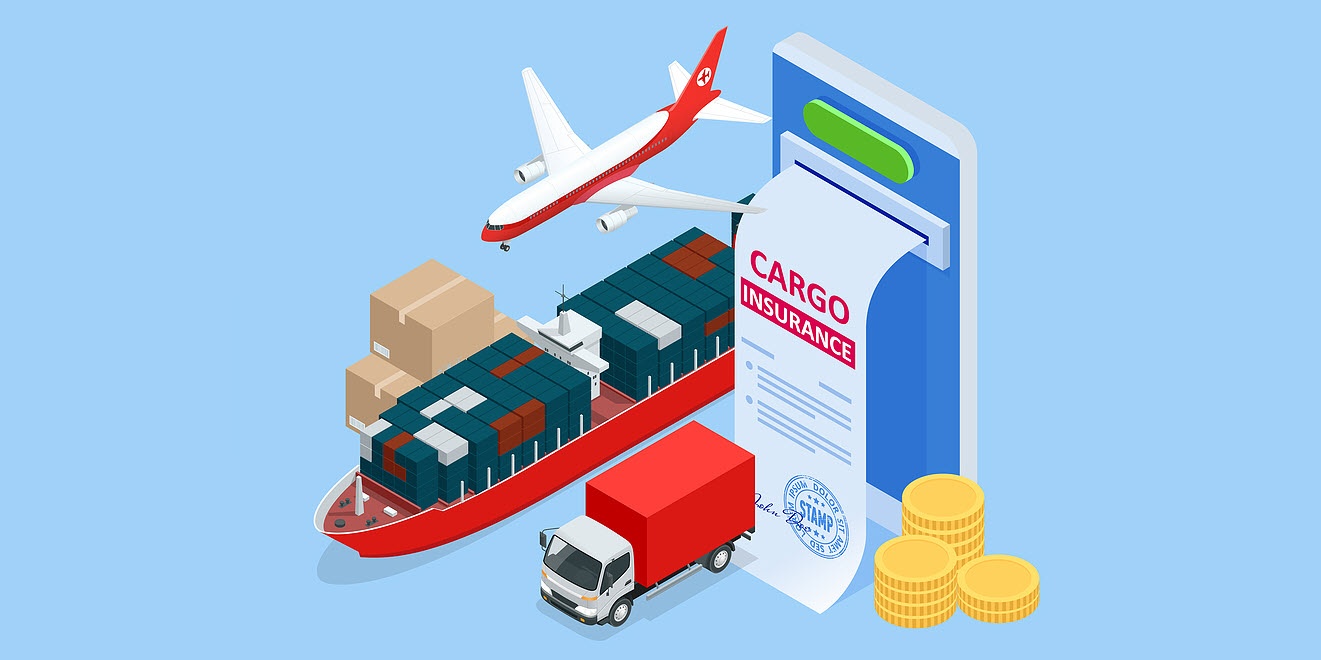
High-Value Cargo Insurance for Electronics & Machinery (UK Guide): What It Covers, Why It Matters, and How to Get It Right
High-value cargo moves fast—and when it goes wrong, it goes wrong expensively. Whether you’re shipping microchips, servers, telecoms equipment, CNC machines, industrial pumps, robotics, or specialist manufacturing machinery, the combination of high unit value, theft attractiveness, and sensitivity to handling makes electronics and machinery some of the most claim-prone categories in transit.
High-Value Cargo Insurance (often arranged as a form of Goods in Transit / Marine Cargo insurance) is designed to protect your business financially if those goods are lost, stolen, or damaged while being transported—by road, sea, air, rail, or courier. But “having cargo insurance” and “having the right cargo insurance” are two very different things, especially when you’re dealing with high-value items where a single shipment can be worth tens or hundreds of thousands of pounds.
This guide breaks down what high-value cargo insurance is, what it typically covers, common exclusions, the unique risks for electronics and machinery, and practical steps to reduce claims and secure better terms.
What is High-Value Cargo Insurance?
High-value cargo insurance is insurance for goods while they are in transit, particularly where:
- The value per item is high (e.g., £5,000+ per unit, often far more)
- A single load can represent a major financial exposure
- The goods are attractive to thieves or prone to damage
- The supply chain includes multiple handovers (warehouse → haulier → port → freight forwarder → destination)
In the UK market, this cover may be arranged as:
- Marine Cargo Insurance (covers goods in transit internationally and domestically; “marine” is a historic term and includes air/road/rail transit)
- Goods in Transit Insurance (often UK road-focused, sometimes limited to the insured’s vehicles or approved hauliers)
- Stock Throughput Insurance (covers stock from supplier to warehouse to customer, often including storage and distribution)
- Freight Liability / Haulier’s Liability (covers the carrier’s legal liability—not the full value of your goods)
Important: Haulier’s liability is not the same as cargo insurance. A carrier may only be liable under limited conventions or contract terms, and the payout may be far below the cargo value. High-value cargo insurance is designed to protect the cargo owner’s financial interest.
Who Needs High-Value Cargo Insurance?
If your business is involved in any of the following, you should consider it:
- Manufacturers shipping finished electronics or machinery to distributors/customers
- Importers and exporters moving high-value goods internationally
- Wholesalers and distributors with frequent shipments and multiple drop-offs
- E-commerce sellers shipping expensive electronics (even if using couriers)
- Engineering firms moving specialist equipment to project sites
- Medical technology and advanced manufacturing companies shipping sensitive devices and components
- Companies using third-party logistics (3PL) providers and subcontracted hauliers
Even one uninsured loss can wipe out margin for months—especially if you must replace the goods quickly to keep a customer contract.
Key Risks for High-Value Electronics in Transit
Electronics are high risk because they combine high value with fragility and theft appeal. Common loss scenarios include:
1) Theft and hijacking
Electronics are a prime target for organised crime. Theft can occur:
- From parked vehicles at service stations
- During driver rest breaks
- From unsecured yards
- Via “curtain slashing” on trailers
- Through fraudulent collection (someone posing as an authorised haulier)
2) Concealed damage
Electronics can be damaged without obvious external signs:
- Shock and vibration damage
- Crushed cartons
- Moisture ingress
- Electrostatic discharge (ESD) issues
- Temperature-related failures (especially for batteries or sensitive components)
3) Water and condensation
Sea freight and even road freight can expose electronics to:
- Container sweat (condensation inside containers)
- Rain during loading/unloading
- Flooding incidents
- Leaks in trailers or containers
4) Fire and smoke contamination
Even if the goods don’t burn, smoke and soot contamination can render electronics unusable or uneconomical to test and rework.
5) General handling damage
Drops, forklift punctures, stacking pressure, and poor palletisation are common causes of claims.
Key Risks for Machinery in Transit
Machinery claims are often severe because the items are heavy, awkward, and expensive to repair. Typical scenarios include:
1) Loading and unloading incidents
- Crane or forklift drops
- Sling failure
- Incorrect lifting points
- Poorly secured loads shifting during transit
2) Impact and vibration damage
Machinery can be damaged by:
- Road vibration loosening components
- Impact bending frames or shafts
- Misalignment that only becomes apparent during commissioning
3) Corrosion and moisture
Even “robust” machinery can suffer:
- Rusting during sea transit
- Damage to electrical control panels
- Corrosion from salt air exposure
4) Inadequate packaging or crating
Machinery often needs:
- Custom crating
- Shock indicators
- Moisture barriers
- Correct blocking/bracing inside containers
5) Delay and consequential loss (often not covered)
If machinery arrives late or damaged, you can face:
- Project delays
- Liquidated damages under contract
- Hire costs for replacement equipment
Cargo insurance typically covers physical loss/damage—not most delay penalties—unless you have specialist extensions.
What Does High-Value Cargo Insurance Typically Cover?
Cover depends on the policy wording, but many high-value cargo policies can be arranged on an “All Risks” basis (which does not mean “everything,” but is broader than named perils).
Typical covered events include:
- Theft
- Accidental damage during transit
- Collision/overturning of the carrying vehicle
- Fire, explosion
- Water damage (subject to conditions)
- General average (for sea freight)
- Jettison (goods thrown overboard to save the vessel)
- Handling damage during loading/unloading (if not excluded)
Policies can be structured as:
- Annual open cover (best for frequent shippers; automatically covers declared shipments)
- Single shipment cover (for one-off high-value moves)
- Stock throughput (covers goods across the supply chain, including storage)
Common Exclusions and “Gotchas” (Especially for Electronics & Machinery)
This is where many claims disputes happen. Common exclusions/limitations include:
1) Inadequate packing
If packaging/crating is not suitable for the mode of transit, insurers may reduce or decline claims. For machinery, “insufficient blocking and bracing” is a frequent issue.
2) Unattended vehicle theft conditions
Many policies include strict conditions such as:
- No overnight parking unless in a secure compound
- Vehicle must be locked and alarmed
- No leaving the vehicle unattended in certain locations
- Requirements for tracker/immobiliser
If these conditions aren’t met, theft claims can be declined.
3) Unexplained shortage
If goods are missing but there’s no evidence of theft or loss event, cover can be limited.
4) Wear and tear / inherent vice
Damage due to the nature of the goods (e.g., corrosion due to inadequate protection, deterioration, internal mechanical breakdown not caused by an insured event) may be excluded.
5) Delay, loss of market, and penalties
Most cargo policies do not cover:
- Contractual penalties
- Loss of profit due to late delivery
- Loss of market
6) Cyber and fraud-related losses
Fraudulent diversion (e.g., fake emails changing delivery address) may not be covered unless specifically included. This is increasingly relevant for high-value electronics.
How Insurers Assess High-Value Cargo Risks (and What They’ll Ask)
To quote and underwrite properly, insurers typically want clarity on:
- Nature of goods (electronics type, machinery type, new/used, refurbished)
- Values (max value per item, per shipment, and annual turnover)
- Transit methods (road/sea/air; courier vs specialist haulier)
- Routes (UK only, EU, worldwide; high-theft regions)
- Security (tracking, alarms, secure yards, driver procedures)
- Packaging (palletised, double-boxed, crated, moisture barrier, shock indicators)
- Storage points (warehouses, cross-docks, temporary storage)
- Claims history (previous theft/damage incidents)
- Incoterms (EXW, FOB, CIF, DAP etc.—who is responsible at each stage)
The more detail you can provide, the more likely you are to secure broad cover with fewer restrictive conditions.
Valuation: How Much Should You Insure For?
A common mistake is insuring only the invoice value. Depending on your policy, you may be able (or required) to insure for:
- Cost of goods
- Freight costs
- Duties/taxes (for imports)
- A percentage uplift (often 10% to 20%) to reflect anticipated profit and incidental costs
For machinery, consider:
- Replacement cost
- Shipping and rigging costs
- Specialist engineer call-out and recommissioning costs (if available as extensions)
Your broker can help set a valuation basis that matches your contracts and financial exposure.
Limits, Deductibles, and Aggregation: The Numbers That Matter
For high-value cargo, the key figures are:
- Any one conveyance limit (max payout for one vehicle/container)
- Any one shipment limit
- Any one location limit (if storage is included)
- Annual turnover/declaration limit
- Excess/deductible (often higher for theft or high-risk routes)
- Aggregation risk (multiple high-value items in one load)
If you routinely ship £250,000 of electronics in one trailer but your “any one conveyance” limit is £50,000, you’ve got a serious gap.
Practical Risk Management: How to Reduce Claims and Improve Terms
Insurers love evidence of control. For electronics and machinery, these steps can materially improve insurability and pricing:
For electronics
- Use tamper-evident seals and record seal numbers
- Avoid branded packaging that advertises contents
- Use double-boxing and shock-absorbent materials
- Use desiccants and moisture barrier bags for sea freight
- Implement secure handover procedures (ID checks, collection references)
- Consider GPS tracking for high-value loads
For machinery
- Use certified lifting points and documented lifting plans
- Custom crating with internal bracing and corrosion protection
- Photograph machinery condition pre-dispatch and post-crating
- Use tilt/shock indicators and record readings at delivery
- Ensure correct load restraint (rated straps/chains, edge protectors)
For both
- Vet carriers and subcontractors
- Avoid overnight stops; if unavoidable, use secure compounds
- Use route planning and theft hotspot avoidance
- Maintain a clear chain of custody and documentation
Claims: What to Do If Something Goes Wrong
When a loss occurs, speed and documentation matter. Best practice:
- Notify your insurer/broker immediately
- Preserve evidence (photos, packaging, seals, CCTV if available)
- Obtain a delivery note with clear remarks (don’t sign “received in good condition” if it isn’t)
- Arrange a survey if required (especially for machinery)
- Mitigate the loss (reasonable steps to prevent further damage)
- Keep all documents: invoices, packing lists, bills of lading, consignment notes, proof of value
For electronics, insurers may require proof of damage and may ask about testing procedures. For machinery, they may request engineer reports and repair estimates.
Choosing the Right Policy Structure: Annual Open Cover vs Single Shipment
Annual open cover (recommended for regular shipping)
Pros:
- Automatic cover for declared shipments
- Consistent terms
- Easier administration
- Better suited to fluctuating shipment volumes
Cons:
- Requires accurate declarations and record-keeping
Single shipment cover (for one-off moves)
Pros:
- Simple for occasional shipments
- Tailored to one journey
Cons:
- Can be more expensive per shipment
- Risk of gaps if shipments change last minute
Stock throughput (for businesses with storage + distribution)
Pros:
- One policy across transit and storage
- Reduces gaps between warehouse and delivery
Cons:
- Requires more underwriting detail
High-Value Cargo Insurance Checklist (Electronics & Machinery)
Before you arrange cover, gather:
- Max value per shipment and typical shipment values
- Annual shipping turnover
- Routes and destinations (UK/EU/worldwide)
- Transit methods (road/sea/air/courier)
- Packaging and crating specs
- Security measures (tracking, alarms, secure yards)
- Carrier details and contracts
- Incoterms and responsibility points
- Claims history (even if “minor”)
This speeds up quoting and helps avoid restrictive terms.
Frequently Asked Questions (FAQs)
Is high-value cargo insurance the same as goods in transit insurance?
They overlap, but not always. Goods in transit may be UK road-focused and sometimes limited to your own vehicles. High-value cargo insurance is often arranged under marine cargo wording and can cover multi-modal, international transit.
Do couriers provide insurance for electronics?
Couriers may offer limited compensation, often with strict exclusions for certain electronics or high values. It’s common to need your own cargo insurance for full-value protection.
What about refurbished or used machinery?
It can be insurable, but insurers may ask for:
- Condition reports
- Packaging/crating details
- Valuation basis (replacement vs market value)
Does cargo insurance cover installation and commissioning?
Usually not automatically. Physical loss/damage in transit is the core. Some policies can include extensions, but installation risks are typically handled under separate covers (e.g., engineering or project insurance).
Will insurance cover theft from an unattended vehicle?
Sometimes, but only if policy conditions are met (secure parking, locks, alarms, tracker, time limits). This is one of the most common claim decline areas.
Final Thoughts: High Value Means High Detail
Electronics and machinery shipments are rarely “standard.” The right high-value cargo insurance isn’t just about buying a policy—it’s about matching limits, conditions, and security requirements to how you actually ship


 My Account