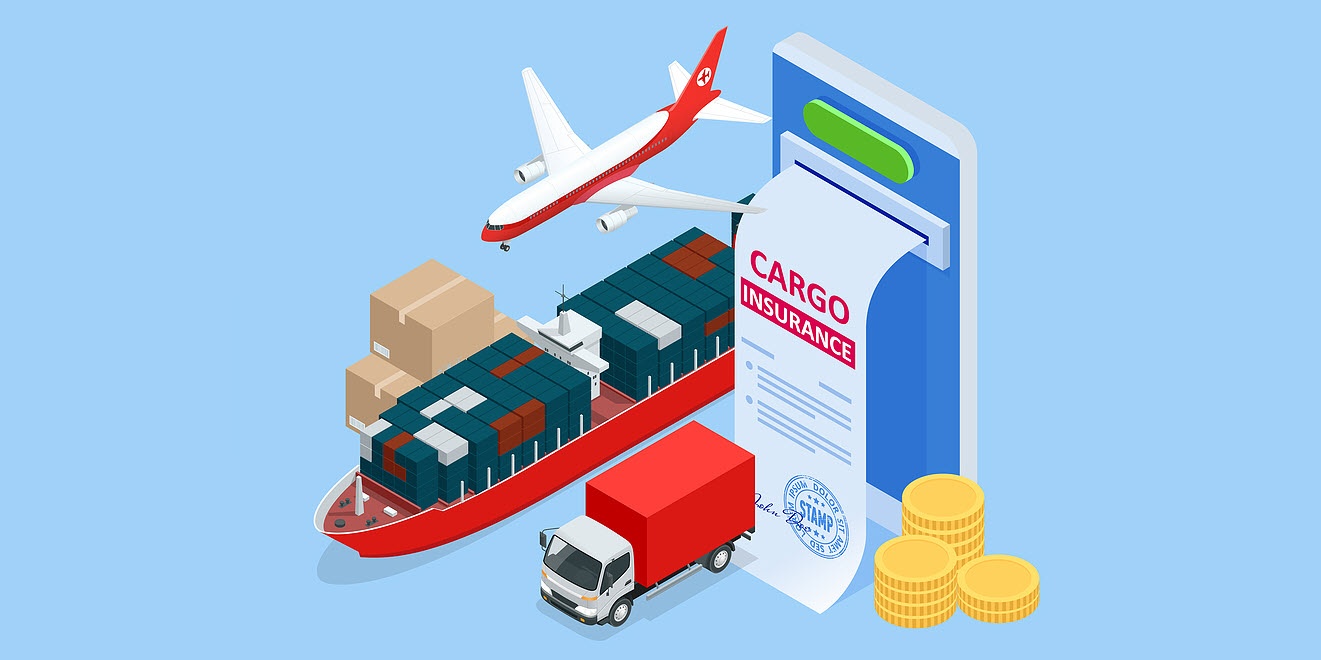
Hazardous Goods Cargo Insurance: A Practical UK Guide for Businesses Shipping Dangerous Goods
What is hazardous goods cargo insurance?
Hazardous goods cargo insurance (sometimes called dangerous goods cargo insurance) is a specialist form of marine cargo cover designed for shipments that are classified as dangerous or hazardous under recognised transport rules. In the UK and globally, “hazardous goods” typically means items regulated under frameworks such as:
These goods can present heightened risks of fire, explosion, contamination, corrosion, toxicity, environmental harm, or severe damage to other cargo and transport assets. Because the potential severity is higher, insurers often apply stricter underwriting, tighter conditions, and more exclusions than for standard cargo.
In plain terms: if you ship chemicals, batteries, fuels, aerosols, solvents, medical gases, lithium cells, certain medical device components, or any product with a UN number and packing group, you should assume you need specialist cargo insurance advice.
Who needs hazardous goods cargo insurance?
This cover is relevant to any UK business that manufactures, sells, imports, exports, stores, or transports dangerous goods, including:
-
Manufacturers (chemical, automotive, medical technology, electronics)
-
Distributors and wholesalers moving regulated products
-
Freight forwarders and logistics providers handling DG consignments
-
Importers/exporters shipping internationally
-
E-commerce brands shipping lithium battery products
-
Construction and engineering firms moving fuels, gases, resins, adhesives
-
Medical device manufacturers shipping sterilants, compressed gases, reagents, or battery-powered devices
Even if you use third-party couriers or freight forwarders, you may still carry the financial risk if goods are damaged, seized, delayed, or cause a loss to others.
Why standard cargo cover can fall short
Many “off-the-shelf” cargo policies are designed for general merchandise. When hazardous goods are involved, insurers often require:
-
Full dangerous goods declarations (UN number, class, packing group)
-
Proof of compliance (ADR-trained staff, approved packaging, labels)
-
Clear storage and segregation controls
-
Evidence of robust incident response and spill containment
If a shipment is misdeclared, improperly packed, or not compliant with the relevant code, you can face:
-
Policy exclusions being applied
-
Claims delays while investigations run
-
Recoveries pursued against you by carriers or third parties
-
Fines, seizure, or disposal of goods by authorities
What does hazardous goods cargo insurance cover?
Coverage varies by insurer and by the mode of transport, but typically includes protection against physical loss or damage to the insured goods during transit.
1) Loss or damage in transit
Common insured events include:
-
Fire, explosion, collision, overturning
-
Theft, hijack, pilferage (subject to conditions)
-
Water damage, sea water ingress, container damage
-
Handling damage during loading/unloading
-
General average and salvage charges (often crucial for sea freight)
For hazardous goods, underwriters may apply additional conditions around packaging, stowage, and carrier selection.
2) General average (sea freight)
If a vessel declares general average, cargo owners may be required to contribute to losses incurred to save the voyage (for example, firefighting, jettisoning cargo, emergency tow). Cargo insurance can cover:
This is one of the biggest reasons to insure hazardous shipments, because GA demands can be sudden and substantial.
3) Debris removal and clean-up (sometimes)
Some specialist policies can extend to costs associated with:
These extensions are not automatic and are often sub-limited.
4) Liability exposures (usually separate)
Cargo insurance is primarily for your goods. If hazardous goods cause injury, property damage, or environmental harm to others, that is typically handled under:
-
Public and products liability
-
Environmental impairment liability
-
Freight liability / carrier’s liability (for logistics firms)
A good broker will map these together so you don’t assume cargo cover will respond to third-party claims.
Common policy types: ICC(A), ICC(B), ICC(C)
Cargo insurance is often written using Institute Cargo Clauses:
-
ICC(A): “All risks” (broadest, but still not everything)
-
ICC(B): Named perils (mid-level)
-
ICC(C): Basic named perils (narrow)
Hazardous goods are frequently insured on ICC(A) with additional exclusions or warranties, because the goods are high risk and the supply chain is complex.
Key exclusions and pitfalls for hazardous goods
This is where most claims problems happen. Typical exclusions or conditions include:
Misdeclaration or non-disclosure
If you fail to disclose that the cargo is hazardous, or you provide incomplete DG details, insurers may:
-
Restrict cover
-
Apply a higher excess
-
Decline the claim
Inadequate packaging or incorrect labelling
Dangerous goods must be packed and labelled to the relevant code (ADR/IMDG/IATA). Claims may be challenged if:
-
Packaging is not UN-approved
-
Labels/placards are missing or incorrect
-
Segregation rules were not followed
Inherent vice and gradual deterioration
Some hazardous goods degrade, react, or self-heat. Insurers often exclude:
Improper storage or accumulation risk
If you store hazardous goods before dispatch, insurers may require:
If a loss occurs while goods are “in transit storage” beyond agreed time limits, cover may be restricted.
Sanctions and prohibited trade
International shipments can trigger sanctions issues. If goods or counterparties are sanctioned, cover may be void.
What information insurers will ask for (and why it matters)
To quote hazardous goods cargo insurance properly, expect to provide:
-
Commodity description and Safety Data Sheet (SDS/MSDS)
-
UN number, hazard class/division, packing group
-
Mode of transport (road/sea/air/rail) and route
-
Packaging type (UN-approved drums, IBCs, cartons) and quantities
-
Carrier details and whether they are DG-approved
-
Incoterms (EXW, FCA, FOB, CIF, DDP etc.)
-
Annual turnover/value shipped, max single shipment value
-
Loss history and any incidents (spills, seizures, temperature excursions)
This isn’t paperwork for the sake of it. It’s how insurers assess the probability of a loss and the likely severity.
How Incoterms affect who should insure
A common mistake is assuming “the other party” is insuring the shipment. Incoterms define when risk transfers.
Examples:
-
EXW (Ex Works): buyer often bears risk from pickup; buyer should insure.
-
FOB (Free On Board): buyer bears risk once goods are on board the vessel.
-
CIF (Cost, Insurance and Freight): seller arranges insurance (but often only minimum cover unless specified).
-
DDP (Delivered Duty Paid): seller bears risk to delivery; seller should insure.
If you ship hazardous goods, you generally want clarity on:
Single shipment vs open cover (annual) policies
Single shipment
Best for occasional exports/imports or one-off projects. You insure:
-
One declared shipment
-
One value
-
One route and mode
Open cover / annual cargo policy
Best for regular shipping. You insure:
-
All shipments within agreed parameters
-
Declared or automatic reporting basis
-
Agreed maximum value per conveyance
For hazardous goods, open cover can be very efficient, but it must be set up with clear rules on what is and isn’t included.
Cost drivers: what makes hazardous cargo insurance more expensive?
Premium and terms are influenced by:
-
Hazard class (e.g., explosives vs aerosols vs corrosives)
-
Lithium battery involvement and watt-hour ratings
-
Mode of transport (air can be stricter; sea has GA exposure)
-
Route risk (theft hotspots, political risk, weather)
-
Packaging quality and compliance controls
-
Carrier selection and security measures
-
Shipment values and frequency
-
Claims history
A practical way to reduce cost is to reduce uncertainty: strong documentation, consistent declarations, and robust packaging controls can improve terms.
Risk management checklist (what underwriters like to see)
If you want better cover and fewer claim disputes, build a repeatable process.
-
Maintain a dangerous goods register (UN numbers, classes, packing groups)
-
Use trained staff (ADR/IATA) and keep training records
-
Keep SDS/MSDS up to date and accessible
-
Use UN-approved packaging and document batch/closure instructions
-
Implement segregation rules in storage and loading
-
Vet carriers for DG capability and incident response
-
Use tamper-evident seals, tracking, and secure parking for road freight
-
Document handovers (photos, condition reports, signed POD)
-
Have a spill response plan and access to clean-up contractors
Claims: what to do if something goes wrong
When hazardous goods are involved, speed and documentation matter.
-
Make the area safe and follow emergency procedures.
-
Notify the carrier and request incident reports.
-
Notify your insurer/broker immediately (don’t wait for the full story).
-
Preserve evidence: photos, packaging, labels, container numbers, seals.
-
Mitigate loss where safe and reasonable (salvage, reconditioning).
-
Keep a timeline of events and all communications.
For international shipments, you may also need surveyors and local agents quickly.
How to choose the right policy (practical questions)
When arranging hazardous goods cargo insurance, ask:
-
Does the policy explicitly allow my hazard classes and UN numbers?
-
Are lithium batteries included, and under what conditions?
-
Is general average covered and are there any sub-limits?
-
Does cover include warehouse-to-warehouse and what are the time limits?
-
Are temperature deviations covered (if relevant)?
-
What are the security requirements (tracking, approved hauliers, parking rules)?
-
What is the excess and does it change by route or class?
-
Are clean-up and debris removal costs included or excluded?
FAQs
Is hazardous goods cargo insurance legally required in the UK?
Not usually as a standalone legal requirement, but hazardous goods transport is heavily regulated. Insurance is often contractually required by customers, carriers, or finance providers, and it is a practical necessity given the severity of potential losses.
Does my freight forwarder’s insurance cover my goods?
Often not in the way people assume. Forwarders typically have liability cover with strict limits and exclusions. That is not the same as insuring the full value of your goods.
Are lithium batteries always excluded?
No, but they are frequently restricted. Insurers may require specific packaging, watt-hour limits, testing standards, and carrier approvals.
What if my goods are seized or delayed by customs?
Standard cargo insurance may not cover delay or seizure unless there is physical loss/damage from an insured event. Specialist extensions may be available depending on the scenario.
Can I insure hazardous goods shipped by air?
Yes, but underwriting is often stricter. Expect detailed questions about classification, packaging, and IATA compliance.
What’s the difference between cargo insurance and liability insurance?
Cargo insurance protects the value of your goods. Liability insurance protects you if you cause injury, property damage, or financial loss to others.
Next steps (and a simple way to get a quote)
Hazardous goods cargo insurance works best when it’s built around your exact commodities, routes, and compliance process. If you ship dangerous goods from or into the UK, gather your UN numbers, SDS sheets, typical shipment values, and Incoterms, then speak to a broker who can place specialist cover and align it with your wider liability and business insurance programme.
If you’d like, tell me:
-
What hazardous goods you ship (UN number/class)
-
Typical shipment value and max single shipment
-
Transport mode (road/sea/air) and key routes
…and I’ll tailor the blog’s examples and CTA to match your exact audience (manufacturers vs distributors vs logistics).


 My Account