

 My Account

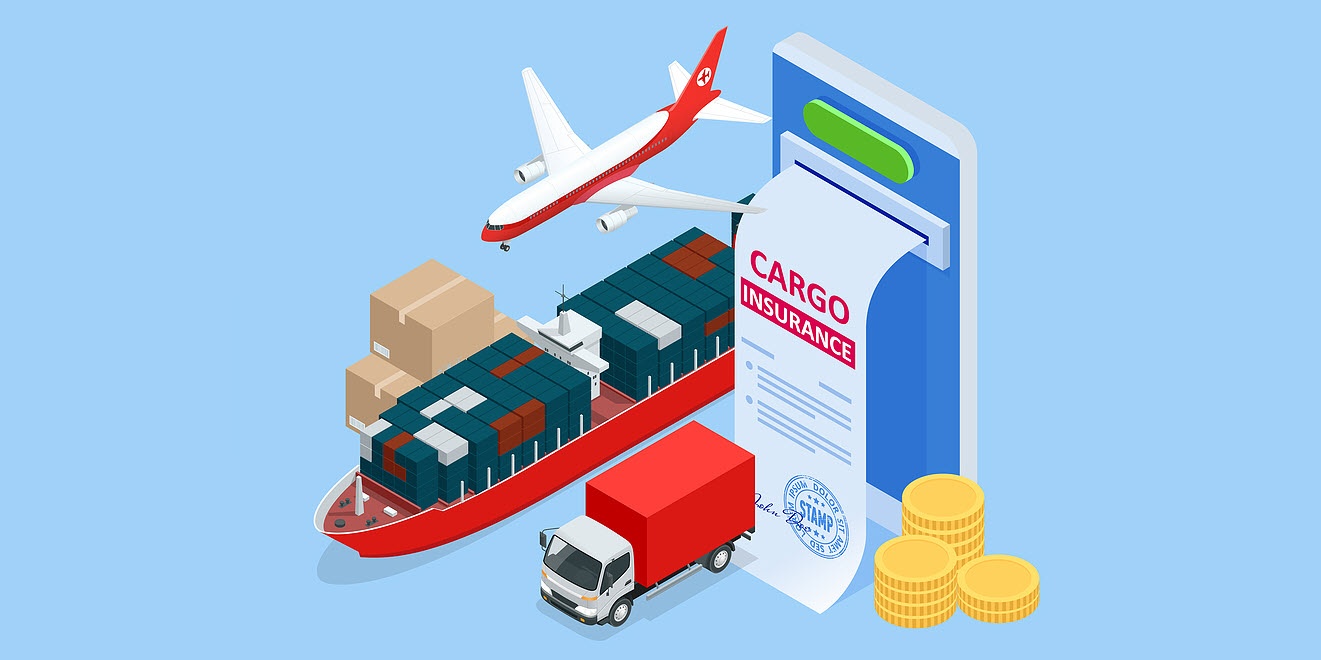
When it comes to protecting your v…
General Average in Cargo Insurance: What UK Businesses Need to Know
Published: November 4, 2025 | Reading Time: 12 minutes
Introduction
For UK businesses engaged in international trade, understanding General Average is crucial when shipping cargo by sea. This maritime principle, dating back to ancient times, can have significant financial implications for your business. In this comprehensive guide, we'll explore what General Average means, how it affects your cargo insurance, and what steps you can take to protect your business interests.
What is General Average?
General Average is a maritime law principle that requires all parties in a sea venture to share losses if extraordinary measures are taken to protect the ship and cargo during an emergency. This principle has been in existence for over 3,000 years and is based on the concept that when a sacrifice is made for the common good, the loss should be shared by all parties who benefit from that sacrifice.
Historical Context
The principle of General Average can be traced back to the Rhodian Sea Law, dating to around 800 BC. The modern interpretation of General Average is primarily based on the York-Antwerp Rules, which were first established in 1864 and have been updated several times, with the most recent version being the 2016 York-Antwerp Rules.
Key Principles
- The sacrifice or expenditure must be intentional and reasonable
- It must be made for the common safety of the voyage
- It must be successful in saving the adventure
- The loss must be extraordinary and not part of the ordinary perils of the sea
How General Average Works
When a General Average situation occurs, the shipowner will declare General Average and appoint a professional adjuster to calculate the contributions required from all parties. This process can be complex and time-consuming, often taking several months to complete.
The Process
- Declaration of General Average by the shipowner
- Appointment of a professional adjuster
- Collection of security from cargo owners
- Investigation of the incident
- Calculation of contributions
- Distribution of funds to affected parties
Common Scenarios
General Average can be declared in various situations, including:
- Jettisoning cargo to lighten the ship
- Damage to the ship requiring emergency repairs
- Fuel costs for deviation to a port of refuge
- Salvage operations
- Firefighting expenses
Implications for UK Businesses
For UK businesses involved in maritime trade, General Average can have significant financial implications. Understanding these implications is crucial for proper risk management and insurance coverage.
Financial Impact
When a General Average is declared, cargo owners must contribute to the costs of the sacrifice or expenditure, even if their goods were not directly damaged. This contribution is calculated based on the value of the cargo at the time of the incident.
Insurance Considerations
Most standard cargo insurance policies include General Average coverage, but it's essential to understand the specific terms and conditions. Some policies may require additional endorsements or have specific exclusions.
Legal Framework
In the UK, General Average is governed by the Marine Insurance Act 1906 and the York-Antwerp Rules. These rules provide a framework for determining liability and calculating contributions.
Protecting Your Business
To protect your business from the financial impact of General Average, consider the following strategies:
Insurance Coverage
- Ensure your cargo insurance includes General Average coverage
- Understand the terms and conditions of your policy
- Consider additional endorsements if necessary
- Review your coverage regularly
Risk Management
- Work with experienced freight forwarders
- Choose reputable shipping lines
- Monitor weather and sea conditions
- Maintain proper documentation
Contractual Arrangements
- Include General Average clauses in contracts
- Specify insurance requirements
- Define responsibilities and liabilities
- Consider using standard trade terms (Incoterms)
Real-World Examples
Understanding how General Average works in practice can help UK businesses prepare for potential scenarios. Here are some real-world examples:
Case Study 1: Container Vessel Fire
In 2020, a major container vessel experienced a fire in its cargo hold. The crew had to jettison several containers to prevent the fire from spreading. General Average was declared, and all cargo owners had to contribute to the costs of the lost containers and firefighting expenses.
Case Study 2: Grounding Incident
In 2019, a bulk carrier ran aground in the English Channel. The vessel had to be refloated using salvage operations, which required additional fuel and equipment. General Average was declared, and all cargo owners had to contribute to these costs.
Frequently Asked Questions
- What is the difference between General Average and particular average?
- General Average involves a voluntary sacrifice for the common good, while particular average refers to damage or loss to individual goods or the ship.
- How long does a General Average claim take to settle?
- General Average claims can take several months to settle, depending on the complexity of the incident and the number of parties involved.
- Do all cargo insurance policies cover General Average?
- Most standard cargo insurance policies include General Average coverage, but it's essential to review your policy terms and conditions.
- Can I refuse to contribute to a General Average claim?
- While you can dispute the claim, refusing to contribute can result in legal action and delays in releasing your cargo.
- How is the contribution amount calculated?
- The contribution is calculated based on the value of the cargo at the time of the incident, plus freight and insurance costs.
Conclusion
General Average is a complex but essential aspect of maritime law that affects UK businesses involved in international trade. By understanding its principles and implications, you can better protect your business interests and ensure proper insurance coverage. Remember to review your cargo insurance regularly and work with experienced professionals to navigate any General Average situations that may arise.