

 My Account

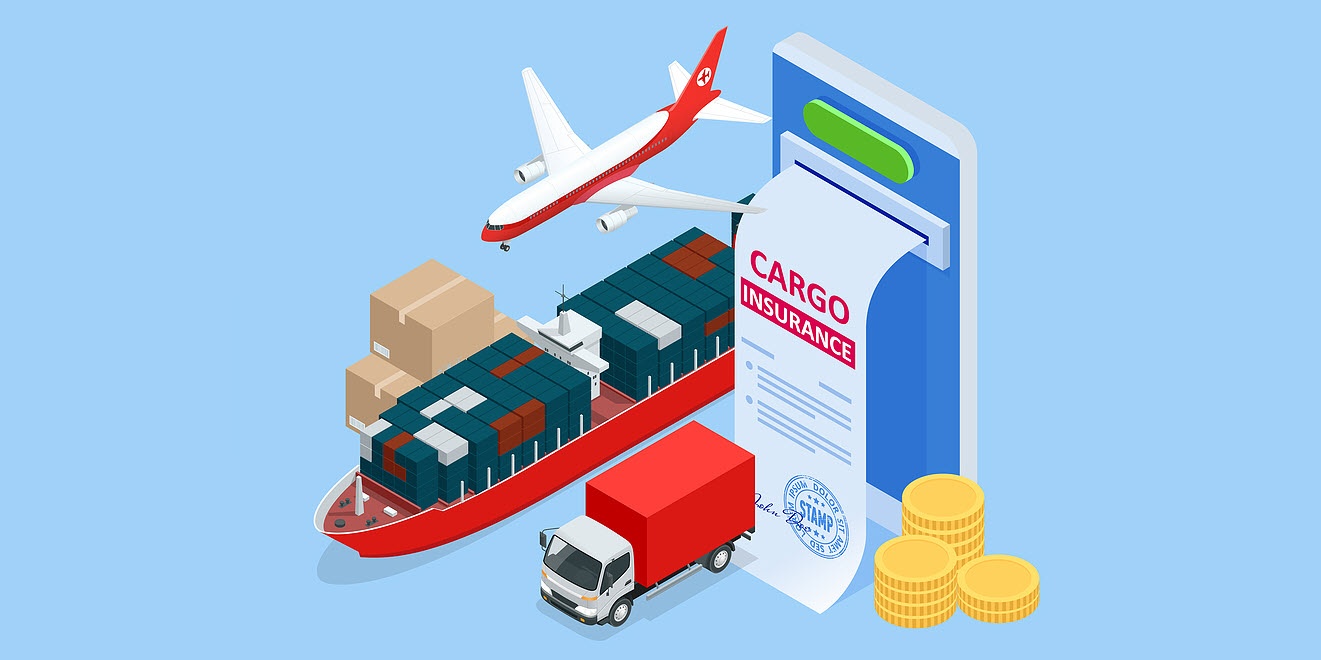
When it comes to protecting your v…
Freight Forwarder Cargo Insurance: Liability vs Cargo Cover
Understanding the Fundamental Differences
When shipping goods internationally, understanding the distinction between freight forwarder liability and cargo insurance coverage is crucial for protecting your business interests. While these terms are often used interchangeably, they represent fundamentally different types of protection that serve distinct purposes in the shipping process.
What is Freight Forwarder Liability?
Freight forwarder liability refers to the legal responsibility that freight forwarders assume when handling your goods during transit. This liability is typically limited by international conventions and regulations, such as the Montreal Convention for air cargo or the Hague-Visby Rules for ocean freight. These limitations can significantly restrict the amount of compensation you can claim in case of loss or damage.
What is Cargo Insurance?
Cargo insurance, on the other hand, is a separate policy that provides comprehensive coverage for your goods during transit. Unlike freight forwarder liability, which is mandatory and limited, cargo insurance is optional but offers broader protection and higher compensation limits.
Key Differences Between Liability and Cargo Cover
1. Coverage Scope
Freight forwarder liability typically covers only specific types of damage or loss that occur due to the forwarder's negligence. In contrast, cargo insurance can be tailored to cover a wide range of risks, including:
- Theft and piracy
- Weather-related damage
- Handling errors
- Container damage
- General average
- War risks
2. Compensation Limits
The compensation limits for freight forwarder liability are often quite restrictive. For example:
- Air cargo: Limited to approximately $20 per kilogram
- Ocean freight: Limited to around $500 per package or customary freight unit
Cargo insurance, however, can be customized to provide coverage up to the full value of your goods, ensuring complete protection against potential losses.
3. Claims Process
Filing claims under freight forwarder liability can be complex and time-consuming, often requiring detailed documentation and proof of negligence. Cargo insurance claims typically involve a more straightforward process, with insurers specializing in cargo-related claims and offering dedicated support throughout the claims process.
When to Choose Cargo Insurance
Consider purchasing cargo insurance if:
- Your goods are high-value or irreplaceable
- You're shipping to high-risk destinations
- Your goods are particularly vulnerable to damage
- You need comprehensive coverage beyond what liability offers
- You want peace of mind and simplified claims process
Types of Cargo Insurance Policies
There are several types of cargo insurance policies available:
- All-Risk Coverage: Provides the broadest protection against most risks
- Named Perils: Covers only specifically listed risks
- War Risk: Specialized coverage for political and military risks
- General Average: Protection for shared losses in maritime shipping
Cost Considerations
While cargo insurance adds to your shipping costs, it's important to consider the potential financial impact of uninsured losses. The premium for cargo insurance typically ranges from 0.5% to 2% of the shipment value, depending on:
- Type of goods being shipped
- Destination and route
- Mode of transport
- Coverage limits
- Deductible amount
Making the Right Choice
To determine whether cargo insurance is right for your business, consider:
- The value of your shipments
- The nature of your goods
- Your shipping routes and destinations
- Your risk tolerance
- Your financial capacity to absorb potential losses
Conclusion
Understanding the difference between freight forwarder liability and cargo insurance is essential for making informed decisions about protecting your shipments. While freight forwarder liability provides basic coverage, cargo insurance offers comprehensive protection that can be tailored to your specific needs. By carefully evaluating your shipping requirements and risk tolerance, you can choose the right coverage to protect your business interests.