

 My Account

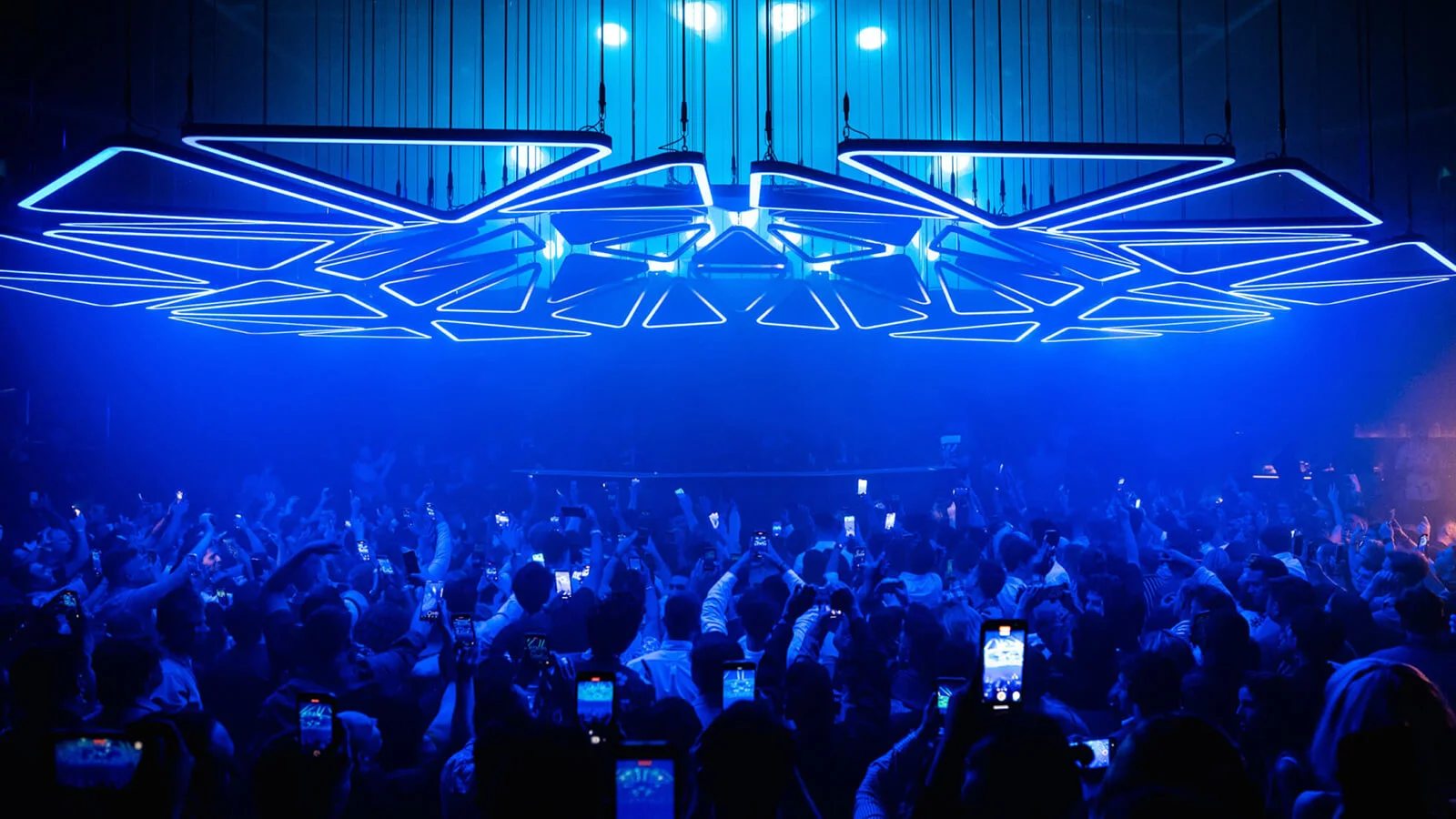
Fire in a Nightclub – What Insurance Covers (And What It Doesn’t)
Introduction
A nightclub fire is one of the fastest ways to turn a busy venue into a closed business. Even a small blaze can trigger smoke damage, water damage from sprinkler…
A nightclub fire is one of the fastest ways to turn a busy venue into a closed business. Even a small blaze can trigger smoke damage, water damage from sprinklers, cancelled events, staff disruption, and long rebuild times. The hard part is that many owners only find out what their policy doesn’t cover when they try to claim.
This guide explains, in plain English, what UK nightclub insurance usually covers after a fire, what common exclusions look like, and how to set your cover up so you’re not left funding the recovery yourself.
Most nightclub fire losses are not just “the building burned”. A typical claim can include:
The cover you need is usually spread across several sections of a policy (or several policies). The wording matters.
Buildings insurance is designed to pay for repairing or rebuilding the physical structure after insured damage such as fire. For a nightclub, that can include:
Common issues include:
Contents cover is usually where the big nightclub costs sit. It may include:
Some policies split this into different headings such as contents, tenant’s improvements, stock, and business equipment.
A fire can close a nightclub for months. BI cover is designed to protect cashflow while you recover.
Depending on wording, BI can cover:
If customers are injured (burns, smoke inhalation, slips during evacuation) or their property is damaged, PL is usually the policy section that responds.
PL typically covers:
If staff are injured or become ill due to the incident, EL is the required cover for most UK employers.
EL typically covers:
Some policies include commercial legal expenses. This can help with:
It’s not a substitute for liability insurance, but it can be useful when a fire triggers multiple disputes at once.
Nightclubs rely on electrics: lighting, amps, refrigeration, extraction, and security systems.
If you want cover for sudden breakdown of key equipment (for example, refrigeration failure leading to spoiled stock), ask about equipment breakdown and deterioration of stock.
After a fire, you may lose cash on site, or be unable to process payments.
Potential covers include:
Cyber won’t usually pay for physical fire damage, but it can help if the incident leads to data loss, notification costs, or business interruption from IT outages.
This is where most surprises happen. Common gaps include:
If the insurer can show the loss was made worse by known, unaddressed issues, they may reduce or decline parts of a claim. Examples:
If the policy is set up as a “bar” or “restaurant” but you operate as a late-night nightclub with DJs, dancefloor, and security, the insurer may argue the risk was misrepresented.
Smoke staining from a small incident, heat damage over time, or deterioration is not the same as a sudden insured event.
If you’re still closed after the indemnity period ends, the policy stops paying—even if you’re still rebuilding.
If the fire service or police close the premises, cover depends on wording. “Denial of access” and “public authority” extensions can be crucial.
The smoother your evidence, the faster your claim tends to move.
Expect requests such as:
Once everyone is safe and emergency services have attended:
Insurers like evidence of strong fire risk management. Practical steps include:
Good risk management can also help you access better terms and avoid restrictive conditions.
Use this as a starting point:
Usually, yes—fire is a standard insured peril under most commercial property policies. The key is having the right sums insured, correct business description, and no policy breaches.
Often yes. Smoke damage and water damage caused by firefighting or sprinklers are commonly treated as part of the same insured event.
Only if you have business interruption cover (and it is correctly set up). Property cover alone typically won’t replace lost revenue.
Fire damage is usually covered, but insurers may ask for maintenance and inspection records. If the loss relates to breakdown without fire, you may need equipment breakdown cover.
Generally no. Fines and penalties are usually uninsurable.
You may still need cover for tenant’s improvements, contents, stock, and business interruption. The landlord typically insures the structure, but you should confirm responsibilities in the lease.
If you run a nightclub, bar, or late-night venue, the best time to check your cover is before something happens. If you’d like, share your current policy schedule (or just the key figures: buildings, contents, stock, BI indemnity period, and liability limits) and we can sense-check where the common fire gaps tend to be.
If you want a quote or a review, speak to a specialist commercial broker who understands late-night venues and can make sure your sums insured and extensions match how you actually trade.
A nightclub fire is one of the fastest ways to turn a busy venue into a closed business. Even a small blaze can trigger smoke damage, water damage from sprinkler…
Fights are one of the biggest “what if” moments for any club, bar, late-night venue, or members’ social club. Even if your team does everything right, an incide…
Nightclubs are designed for atmosphere: low lighting, loud music, crowded dancefloors, fast service at the bar, and people moving quickly. Those same features make…
Running a nightclub is a high-stakes business. You're managing staff, maintaining premises, hosting hundreds of customers each week, and navigating complex licensing regulations. But there…
Whether you run a venue, a retail site, a construction project, or you contract security for events, there’s one issue that can turn a normal shift into a serious incid…
Running a nightclub is undoubtedly exciting, but it comes with significant financial responsibilities—and insurance is one of the biggest. If you’ve recently recei…
Alcohol and nightlife go hand in hand. Most nights out pass without incident, but when someone is injured after drinking—whether through a fight, a fall, a spiking allegation, …
Running a nightclub comes with substantial insurance costs. Between public liability, employers' liability, property damage, and liquor licensing coverage, premiu…
Nightclubs are busy, dark, loud, and fast-moving. Add alcohol, crowded dancefloors, secur…
In the UK, the only insurance that is generally a legal requirement for most nightclubs is Employers’ Liability (EL) insurance if you employ …
Weekends are when nightclubs make their money — and when most incidents happen. High footfall, alcohol, low light, loud music an…
Running a nightlife venue—whether it's a traditional pub, a cocktail bar, or a full-scale nightclub—comes with unique risks. While bars and nightclubs might seem similar on the su…
Comprehensive protection for temporary nightclub venues at festivals and outdoor events
Festival nightclubs repre…
Published: July 2025 | Category: Entertainment Venue Insurance
In today's security-conscious nightlife industry, CCTV systems are ess…
Published by Insure24 | Commercial Insurance Specialists
Protecting Your Venue and Security Team with Comprehensive Door Staff Insurance
Comprehensive coverage solutions for nightclubs operating across different seasons
Comprehensive protection for your nightclub's most valuable assets
The heart of any successful n…
The nightclub industry has evolved significantly over the past decade, with many venues expanding their offerings beyond drinks and entertainment to include comprehensive foo…
Protecting nightclub venues hosting corporate events and business functions
The nightclub in…
Operating a nightclub in the UK requires navigating complex licensing requirements while maintaining compliance with local authorities. Your premises license is the c…
Protecting Your Business from Noise-Related Legal Challenges and Regulatory Enforcement
Operating a n…
Published by Insure24 - Your trusted commercial insurance specialists
The nightclub industry operates in a unique environment where la…
Comprehensive coverage for nightclub venues offering exclusive private party hire services
Protecting Your Premium Entertainment Space with Specialized Insurance Solutions
Specialized insurance solutions for cabaret clubs, performance venues, and live entertainment spaces
Comprehensive fire safety insurance solutions for nightclubs - protecting venues with specialized coverage for emergency evacuation procedures, crowd control…
Comprehensive protection for nightclubs operating around the clock
The nightlife industry has evolved dramati…
Karaoke nightclubs represent a unique blend of hospitality, entertainment, and interactive experiences that create distinctive risk profiles requiring …
Protecting your nightclub business from the financial impact of security incidents and assault claims
Comprehensive Insurance Solutions for Adult Entertainment Venues
Oper…
Protecting Your Nightclub Business from Alcohol-Related Legal Risks
Operating a nightclub comes wi…
Comprehensive insurance solutions for comedy clubs and stand-up venues - protecting entertainment establishments with specialized coverage that understands the …
Specialized insurance solutions for underground entertainment venues and basement nightclubs
Comprehensive insurance solutions for live music nightclubs and performance venues - protecting establishments that host bands, live entertainment, and musical…
Comprehensive Protection for Electronic Music Venues - Expert DJ Nightclub Insurance Solutions from Insure24
DJ nightclubs re…
Specialized insurance solutions for rooftop nightclubs and elevated entertainment venues
Comprehensive Protection for Waterfront Entertainment Venues - Expert Seasonal Insurance Solutions from Insure24
Beach cl…
Comprehensive insurance solutions for wine bar nightclubs and upmarket entertainment venues - protecting sophisticated establishments with specialized cove…
Comprehensive insurance solutions for LGBTQ+ nightclubs, bars, and entertainment venues - protecting community spaces with specialized coverage that understands your …
Comprehensive Protection for Urban Nightlife Venues - Expert Insurance Solutions from Insure24
Operating a nightclu…
Comprehensive insurance solutions for nightclubs serving university communities across the UK
Essential Protection for Entertainment Venue Regulatory Compliance
Published by Insure24 - Your trusted commercial insurance specialists
Working as a nightclub doorman or security personnel co…
Understanding the most common nightclub insurance claims can help venue owners implement targeted prevention strategies, reduce risks, and potentially lower insurance…
Running a nightclub comes with unique risks that standard business insurance simply can't cover. From crowd-related incidents to equipment damage, here's why specialize…