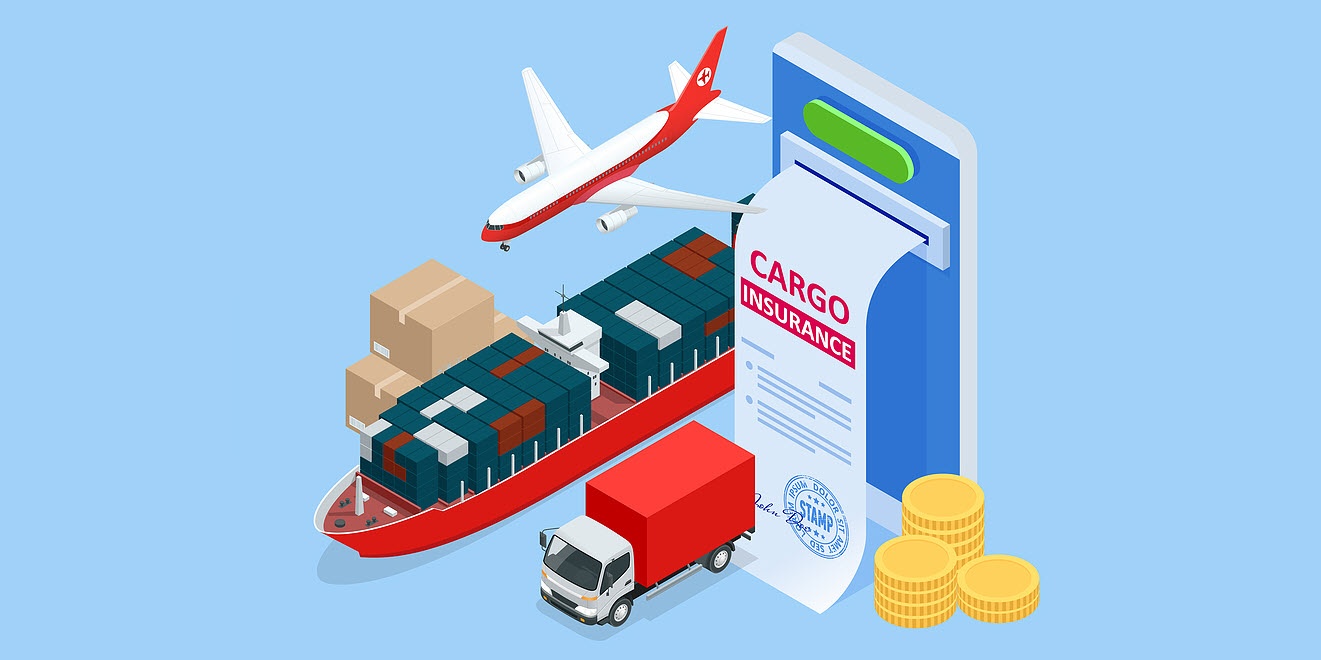
Container Shipping Insurance: Protecting Against Loss at Sea
Container shipping forms the backbone of global trade, with millions of containers crossing oceans daily. While modern shipping technology has significantly reduced risks, the reality is that cargo loss and damage remains a constant concern for businesses engaged in international trade. Container shipping insurance provides essential protection against these risks, ensuring that businesses can recover financially when the unexpected occurs at sea.
Understanding Container Shipping Risks
Common Risks in Container Transport
International shipping exposes cargo to numerous potential hazards. Weather conditions can cause severe damage, with storms, heavy seas, and extreme temperatures threatening container integrity. Mechanical failures in vessels or handling equipment can lead to accidents, while human error during loading, unloading, or navigation contributes to many incidents. Theft and piracy remain significant concerns in certain regions, particularly in high-risk waters. Container loss overboard is another major risk, especially during severe weather conditions.
Statistical Overview of Shipping Losses
Industry statistics reveal concerning trends in container loss. Recent data shows that approximately 3,000 containers are lost at sea annually, with weather conditions accounting for the majority of these incidents. The financial impact is substantial, with average container loss values exceeding $100,000 per container. These statistics underscore the critical importance of adequate insurance coverage for businesses involved in container shipping.
Types of Container Shipping Insurance
Marine Cargo Insurance Basics
Marine cargo insurance provides coverage for goods transported by sea, air, or land. This insurance protects against various perils, including physical damage, loss, and theft during transit. The coverage typically extends from the point of origin to the final destination, providing comprehensive protection throughout the shipping journey.
Institute Cargo Clauses Explained
The Institute Cargo Clauses (ICC) form the foundation of marine cargo insurance. These standardized clauses are divided into three categories: A, B, and C, each offering different levels of coverage. Clause A provides the broadest protection, covering all risks of loss or damage except those specifically excluded. Clause B offers a more limited scope, covering specific perils, while Clause C provides the most basic coverage.
Additional Coverage Options
Beyond standard marine cargo insurance, businesses can obtain additional coverage for specific risks. War risk coverage protects against losses due to military action, while strike coverage addresses disruptions caused by labor disputes. Terrorism coverage provides protection against acts of terrorism, and piracy coverage specifically addresses risks in high-risk maritime regions.
Risk Assessment and Prevention
Identifying Potential Hazards
Effective risk management begins with thorough hazard identification. This includes assessing weather patterns along shipping routes, evaluating vessel conditions and maintenance records, analyzing port security measures, and reviewing handling procedures at both origin and destination. Understanding these factors helps businesses implement appropriate risk mitigation strategies.
Risk Mitigation Strategies
Implementing proper packaging and securing methods is crucial for protecting cargo during transit. Choosing reliable shipping partners with strong safety records reduces risks, while maintaining adequate insurance coverage provides financial protection. Regular monitoring of shipments and maintaining comprehensive documentation throughout the shipping process helps minimize potential losses.
Insurance Coverage Details
Coverage Limits and Exclusions
Insurance policies typically include specific coverage limits and exclusions. Standard policies cover physical loss or damage to cargo, business interruption losses, and liability for third-party claims. However, they usually exclude losses due to inherent vice, war, and nuclear hazards. Understanding these limitations helps businesses make informed decisions about their coverage needs.
Claims Process and Documentation
When cargo loss or damage occurs, a structured claims process must be followed. This begins with immediate notification of the insurance provider and gathering all relevant documentation. Comprehensive evidence collection, including photographs and witness statements, is essential. The claims process typically involves assessment, negotiation, and settlement, with proper documentation being crucial for successful resolution.
Industry Best Practices
Safety Protocols and Standards
Industry best practices emphasize the importance of proper container handling and securing. Regular maintenance of containers and vessels, along with adherence to international safety standards, helps prevent incidents. Weather monitoring and route planning, combined with emergency response planning, contribute to safer shipping operations.
Technology and Innovation
Modern technology plays a crucial role in improving shipping safety and efficiency. GPS tracking systems provide real-time location monitoring, while automated handling systems reduce human error. Predictive maintenance tools help prevent equipment failures, and advanced weather forecasting enables better route planning and risk mitigation.
Case Studies and Examples
Real-World Loss Scenarios
Examining actual incidents provides valuable insights into shipping risks. The 2013 MOL Comfort container ship breakup serves as a stark reminder of the dangers of container loss at sea. The 2019 MSC Zoë incident, where 342 containers were lost overboard, highlights the impact of severe weather conditions. These cases underscore the importance of comprehensive insurance coverage.
Successful Claims Resolutions
Effective insurance coverage has enabled many businesses to recover from shipping incidents. The 2020 Suez Canal blockage demonstrated how proper insurance coverage helped businesses manage the financial impact of delayed shipments. Similarly, the 2021 Ever Given incident showed the value of having comprehensive coverage for major shipping disruptions.
Choosing Insurance Providers
Evaluating Insurance Companies
When selecting an insurance provider, businesses should consider several factors. Financial stability and reputation are crucial, as is the provider's experience in marine cargo insurance. The company's claims handling record and customer service quality should be thoroughly evaluated, along with their ability to provide customized coverage solutions.
Policy Comparison and Selection
Choosing the right insurance policy requires careful consideration of coverage terms and conditions. Cost-benefit analysis helps determine the most appropriate coverage level, while policy flexibility and customization options ensure the coverage meets specific business needs. Understanding the claims process and support services is also essential for making an informed decision.
Future Trends in Container Shipping Insurance
Emerging Risks and Challenges
The shipping industry faces new challenges, including climate change impacts on shipping routes and weather patterns. Cybersecurity threats to shipping operations are increasing, while geopolitical tensions affect trade routes and insurance costs. These emerging risks require innovative insurance solutions and risk management strategies.
Insurance Innovation and Technology
The insurance industry is adapting to these challenges through technological innovation. Blockchain technology is being implemented for improved claims processing and documentation. Artificial intelligence and machine learning are being used for risk assessment and pricing, while IoT sensors provide real-time cargo monitoring. These technological advances are helping to create more effective and efficient insurance solutions.
Conclusion
Container shipping insurance plays a vital role in protecting businesses engaged in international trade. Understanding the risks, coverage options, and best practices is essential for making informed decisions about insurance protection. As the shipping industry continues to evolve, staying informed about new risks and insurance solutions becomes increasingly important.
Frequently Asked Questions
What is marine cargo insurance?
Marine cargo insurance provides coverage for goods transported by sea, air, or land. It protects against physical loss or damage, theft, and other risks during transit from origin to destination.
How much does container shipping insurance cost?
Insurance costs vary based on factors including cargo value, shipping route, container type, and coverage level. Typical premiums range from 0.5% to 3% of the cargo value, with additional costs for specialized coverage.
What's covered under Institute Cargo Clauses?
Coverage depends on the specific clause: ICC A provides comprehensive protection against all risks, ICC B covers specific perils, and ICC C offers basic coverage. Each clause has specific exclusions and limitations.
How long does the claims process take?
Claims processing time varies depending on the complexity of the case and documentation quality. Simple claims may be resolved within weeks, while complex cases involving significant losses can take several months.
Do I need additional coverage beyond basic insurance?
Additional coverage depends on specific risks and shipping routes. Businesses operating in high-risk areas or handling valuable cargo may need specialized coverage for war, terrorism, or piracy risks.
How can I reduce my insurance costs?
Insurance costs can be reduced through various measures including proper packaging and securing, choosing reliable shipping partners, maintaining good claims history, and implementing effective risk management practices.
What documentation is required for claims?
Required documentation typically includes bills of lading, packing lists, photographs of damage, survey reports, and correspondence with shipping companies. Maintaining comprehensive documentation is crucial for successful claims resolution.
How do weather conditions affect insurance coverage?
Weather conditions can impact coverage depending on the specific policy terms. Most policies cover weather-related damage, but some may exclude certain extreme weather events or require additional coverage for specific conditions.
What happens if my container is lost at sea?
In case of container loss, the insurance provider will assess the claim based on policy terms and conditions. Documentation and evidence of loss are crucial for claim approval and settlement.
How do I choose the right insurance provider?
Selection should be based on factors including financial stability, industry experience, claims handling record, coverage options, and customer service quality. Comparing multiple providers helps ensure the best fit for your needs.


 My Account