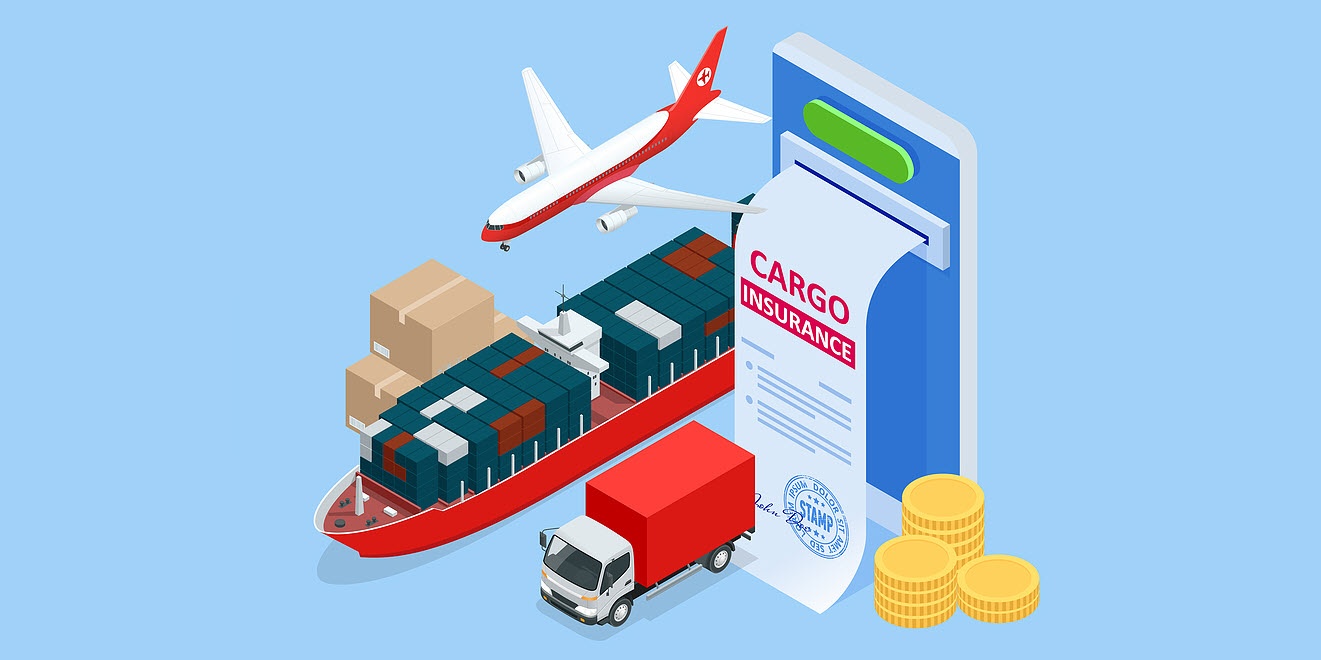
Christmas Cargo Insurance: Protecting Peak Season Shipments
The Christmas season represents the busiest and most profitable time of year for businesses involved in shipping and logistics. However, with increased volume comes heightened risk. From November through December, cargo shipments face unique challenges that can result in significant financial losses. Understanding Christmas cargo insurance and implementing proper protection strategies is essential for businesses that rely on peak season deliveries.
Understanding Christmas Cargo Insurance
Christmas cargo insurance is specialized coverage designed to protect goods in transit during the peak holiday shipping season. This insurance covers shipments against loss, damage, or theft while goods are being transported by road, rail, sea, or air. During the Christmas period, when shipping volumes can increase by 30-50% compared to regular periods, the risks multiply significantly.
Standard cargo insurance policies may not adequately address the specific challenges of Christmas shipping. Peak season coverage typically includes enhanced protection for increased inventory values, expedited shipping risks, and the unique perils associated with high-volume logistics operations during winter weather conditions.
Why Christmas Shipping Requires Specialized Coverage
The Christmas shipping season creates a perfect storm of risk factors that distinguish it from regular shipping periods. Understanding these unique challenges helps businesses appreciate why specialized insurance coverage is essential.
Volume and Congestion Risks
During the Christmas season, warehouses, distribution centers, ports, and transportation networks operate at maximum capacity. This congestion increases the likelihood of handling errors, misplaced shipments, and damage from rushed operations. When facilities are overwhelmed, goods may be stored in temporary or less secure locations, increasing theft and damage risks.
Weather-Related Perils
Winter weather conditions across the UK and internationally create significant transportation challenges. Snow, ice, fog, and storms can delay shipments, cause accidents, and damage goods. Temperature-sensitive products face additional risks when shipments are delayed in cold conditions or when heating systems in transport vehicles fail.
Increased Theft and Security Concerns
Cargo theft increases dramatically during the Christmas season. Thieves target high-value consumer goods, electronics, toys, and luxury items that are in high demand. Shipments may be vulnerable at distribution centers, during transit, or when left unattended in vehicles overnight. The value of goods in transit during this period makes cargo an attractive target for organized crime.
Time-Sensitive Delivery Pressures
The pressure to meet Christmas delivery deadlines often leads to rushed handling, inadequate packaging checks, and the use of less experienced seasonal staff. Businesses may also resort to alternative carriers or expedited shipping methods that carry higher risk profiles. When delays occur, businesses may face not only the loss of goods but also contractual penalties and reputational damage.
Higher Inventory Values
Businesses typically carry significantly higher inventory values during the Christmas season. A single shipment may contain goods worth several times the value of regular shipments. Without adequate insurance coverage that reflects these increased values, businesses face substantial financial exposure.
What Christmas Cargo Insurance Covers
Comprehensive Christmas cargo insurance provides protection across multiple risk categories. Understanding what your policy covers ensures you have adequate protection for your peak season operations.
Physical Loss or Damage
Coverage includes physical damage to goods caused by accidents, collisions, overturning of vehicles, or mishandling during loading and unloading. This extends to damage from fire, explosion, or structural failure of transport vehicles or storage facilities.
Theft and Pilferage
Protection against theft of entire shipments or partial theft of goods from containers. This includes organized cargo theft, opportunistic theft during transit stops, and pilferage by individuals with access to shipments.
Weather and Natural Events
Coverage for damage caused by severe weather conditions including storms, flooding, snow, ice, and temperature extremes. This includes damage to temperature-sensitive goods when refrigeration systems fail or when shipments are delayed in adverse conditions.
Delay and Consequential Loss
Some policies include coverage for financial losses resulting from delayed deliveries, including contractual penalties, lost sales opportunities, and the cost of expedited replacement shipments. This coverage is particularly valuable during the Christmas season when timing is critical.
Customs and Port Risks
Protection for goods held at customs or ports, including damage, theft, or deterioration during extended holding periods. During Christmas, customs processing can be delayed, increasing the time goods remain vulnerable.
Packaging and Labeling Issues
Coverage for losses resulting from inadequate packaging or labeling errors that occur during the rush of peak season operations. This includes damage caused by improper stacking, insufficient protective materials, or handling errors.
Types of Businesses That Need Christmas Cargo Insurance
While any business shipping goods during the Christmas season should consider cargo insurance, certain industries face particularly high exposure and should prioritize comprehensive coverage.
Retailers and E-commerce Businesses
Online retailers and traditional stores restocking for Christmas sales ship enormous volumes of consumer goods. These businesses face risks from warehouse to final delivery, with particular vulnerability during the last-mile delivery phase.
Manufacturers and Wholesalers
Businesses supplying retailers with Christmas inventory ship high-value goods in bulk. A single loss can represent months of production and significant revenue impact.
Import and Export Companies
Businesses importing goods from overseas for Christmas sales face extended supply chains with multiple handling points. International shipments encounter additional risks including customs delays, port congestion, and longer transit times.
Food and Beverage Distributors
Companies shipping perishable Christmas foods, specialty items, and beverages face temperature control challenges and tight delivery windows. Spoilage due to delays or equipment failure can result in total loss.
Electronics and Technology Suppliers
High-value electronics are prime targets for theft and are vulnerable to damage from mishandling or environmental conditions. The concentration of value in small packages increases risk exposure.
Toy and Gift Distributors
Businesses specializing in toys and gifts experience their entire annual revenue concentration in a few months. Loss of shipments during this critical period can be catastrophic.
Luxury Goods and Jewelry Suppliers
High-value luxury items require specialized security measures and insurance coverage that reflects their significant worth and attractiveness to thieves.
Key Policy Features to Look For
When selecting Christmas cargo insurance, certain policy features provide enhanced protection and better value for businesses operating during peak season.
Adequate Coverage Limits
Ensure your policy limits reflect the actual value of goods you ship during Christmas. Many businesses underinsure because their coverage is based on average shipment values rather than peak season values. Review and increase limits before the Christmas rush begins.
All-Risk Coverage
All-risk policies provide the broadest protection, covering all perils except those specifically excluded. This is preferable to named-peril policies that only cover specifically listed risks. During the unpredictable Christmas season, comprehensive coverage provides better security.
Automatic Coverage Extensions
Look for policies that automatically extend coverage when shipment values temporarily increase, rather than requiring manual notification for each shipment. This prevents coverage gaps during busy periods when administrative oversight may be stretched.
Worldwide Coverage
If you ship internationally, ensure your policy provides coverage across all territories where you operate. Some policies exclude certain high-risk countries or require additional premiums for international coverage.
Door-to-Door Protection
Comprehensive coverage should protect goods from the moment they leave your warehouse until they reach the final destination. This includes coverage during temporary storage, transshipment, and final delivery.
Expedited Claims Processing
During Christmas, time is critical. Choose insurers who offer fast claims processing and emergency support. The ability to quickly replace lost or damaged goods can mean the difference between meeting customer commitments and losing sales.
Flexible Policy Terms
Seasonal businesses benefit from policies that allow coverage to be increased during peak periods and reduced during quieter months, rather than paying for year-round coverage at peak levels.
Risk Management Strategies for Christmas Shipping
Insurance is essential, but combining coverage with proactive risk management reduces claims and protects your business reputation.
Enhanced Security Measures
Implement additional security protocols during Christmas including GPS tracking on vehicles, secure parking facilities, and enhanced warehouse security. Use tamper-evident seals on containers and conduct regular security audits of your supply chain.
Carrier Selection and Vetting
Choose carriers with proven track records during peak seasons. Verify their insurance coverage, security measures, and contingency plans. Avoid using unfamiliar carriers simply because regular providers are at capacity.
Packaging Standards
Invest in robust packaging appropriate for Christmas shipping conditions. Ensure goods are properly protected against handling, stacking, weather, and temperature variations. Clear labeling reduces mishandling and delivery errors.
Inventory Management
Avoid concentrating excessive value in single shipments. Distribute high-value inventory across multiple shipments to reduce exposure. This strategy also provides backup if one shipment is delayed or lost.
Weather Monitoring and Route Planning
Monitor weather forecasts and adjust shipping schedules or routes to avoid predicted severe conditions. Build buffer time into delivery schedules to accommodate weather delays without missing critical deadlines.
Staff Training
Ensure all staff involved in shipping operations receive training on proper handling procedures, security protocols, and documentation requirements. Seasonal staff should receive the same training as permanent employees.
Documentation and Record Keeping
Maintain detailed records of all shipments including photographs of goods before shipping, packing lists, and condition reports. Proper documentation is essential for insurance claims and dispute resolution.
The Claims Process for Christmas Cargo Insurance
Understanding the claims process before you need to use it ensures faster resolution when losses occur during the critical Christmas period.
Immediate Notification
Contact your insurer immediately when loss or damage is discovered. Most policies require notification within specific timeframes, and delays can jeopardicate your claim. Keep emergency contact information readily accessible.
Documentation Requirements
Gather all relevant documentation including commercial invoices, packing lists, bills of lading, delivery receipts, and photographs of damage. Obtain written reports from carriers and any third parties involved in the incident.
Damage Assessment
For damaged goods, obtain professional assessments of the extent of damage and whether goods can be salvaged, repaired, or must be replaced. Do not dispose of damaged goods until the insurer has inspected them or authorized disposal.
Mitigation Obligations
Policyholders have a duty to mitigate losses. Take reasonable steps to prevent further damage, secure remaining goods, and minimize consequential losses. Costs incurred in reasonable mitigation efforts are typically recoverable.
Claim Valuation
Claims are typically settled based on the invoice value of goods plus shipping costs. Ensure your invoices accurately reflect the value of goods shipped. For custom or unique items, provide evidence of replacement cost.
Settlement Timeframes
Settlement times vary based on claim complexity. Simple claims for clearly documented losses may settle within days, while complex claims involving multiple parties or disputed liability may take weeks or months. Choose insurers known for efficient Christmas season claims handling.
Cost Factors for Christmas Cargo Insurance
Understanding what influences insurance costs helps businesses budget appropriately and find cost-effective coverage.
Shipment Value and Volume
Premium costs are primarily based on the total value of goods insured. Higher shipment values and increased volumes during Christmas result in higher premiums. However, per-pound costs often decrease with volume.
Goods Type and Risk Profile
High-value, theft-prone goods like electronics and jewelry cost more to insure than lower-risk items. Fragile goods and temperature-sensitive products also command higher premiums due to increased damage risk.
Transportation Method
Air freight typically costs less to insure than sea freight due to shorter transit times and reduced exposure. Road transport costs vary based on routes, security measures, and carrier track records.
Geographic Coverage
Shipments to high-risk areas or regions with poor infrastructure cost more to insure. International shipments generally cost more than domestic due to additional handling points and longer transit times.
Claims History
Businesses with frequent claims pay higher premiums. Maintaining good risk management practices and minimizing claims helps control insurance costs over time.
Security Measures
Implementing robust security measures including tracking systems, secure facilities, and vetted carriers can reduce premiums. Insurers often offer discounts for businesses demonstrating strong risk management.
Deductibles
Higher deductibles reduce premium costs but increase out-of-pocket expenses when claims occur. Balance deductible levels against your risk tolerance and financial capacity to absorb losses.
Choosing the Right Insurance Provider
Selecting the right insurer is as important as choosing the right coverage. The best provider for Christmas cargo insurance offers more than competitive pricing.
Industry Experience
Choose insurers with specific experience in cargo insurance and understanding of Christmas season challenges. Providers familiar with your industry offer better coverage advice and more realistic risk assessment.
Financial Stability
Verify the insurer's financial strength ratings. You need confidence that your insurer can pay claims even during peak season when multiple losses may occur simultaneously across their client base.
Claims Reputation
Research the insurer's claims handling reputation. Fast, fair claims settlement is crucial during Christmas when replacing lost goods quickly can save customer relationships and sales.
Customer Support
Look for insurers offering 24/7 support during peak season. Access to knowledgeable representatives who can provide immediate assistance with claims or coverage questions is invaluable during Christmas chaos.
Flexibility and Customization
The best insurers offer flexible policies that can be customized to your specific needs rather than one-size-fits-all coverage. Seasonal businesses particularly benefit from adaptable coverage options.
Technology and Tracking
Modern insurers offer online policy management, real-time shipment tracking integration, and digital claims submission. These tools streamline administration during busy periods.
Conclusion
Christmas cargo insurance is not an optional extra but an essential business protection for any company shipping goods during the peak holiday season. The combination of increased volumes, higher values, winter weather, security threats, and time pressures creates a risk environment that demands comprehensive insurance coverage.
The financial impact of a major cargo loss during Christmas can extend far beyond the immediate value of lost goods. Missed delivery commitments damage customer relationships, contractual penalties erode profits, and the inability to fulfill orders hands market share to competitors. For many businesses, a significant uninsured loss during the Christmas season could threaten their entire operation.
By understanding the unique risks of Christmas shipping, selecting appropriate coverage, implementing strong risk management practices, and partnering with experienced insurers, businesses can protect themselves against the financial consequences of cargo losses. The cost of comprehensive insurance is modest compared to the potential losses from even a single significant incident during this critical trading period.
As you prepare for the Christmas season, review your cargo insurance coverage, assess whether it adequately reflects your peak season exposure, and implement the risk management strategies outlined in this guide. With proper protection in place, you can focus on maximizing the opportunities of the Christmas season with confidence that your shipments are protected against the inevitable challenges of peak season logistics.
Meta Description: Comprehensive guide to Christmas cargo insurance covering peak season risks, policy features, cost factors, and risk management strategies for protecting high-value holiday shipments during the busiest shipping period of the year.


 My Account