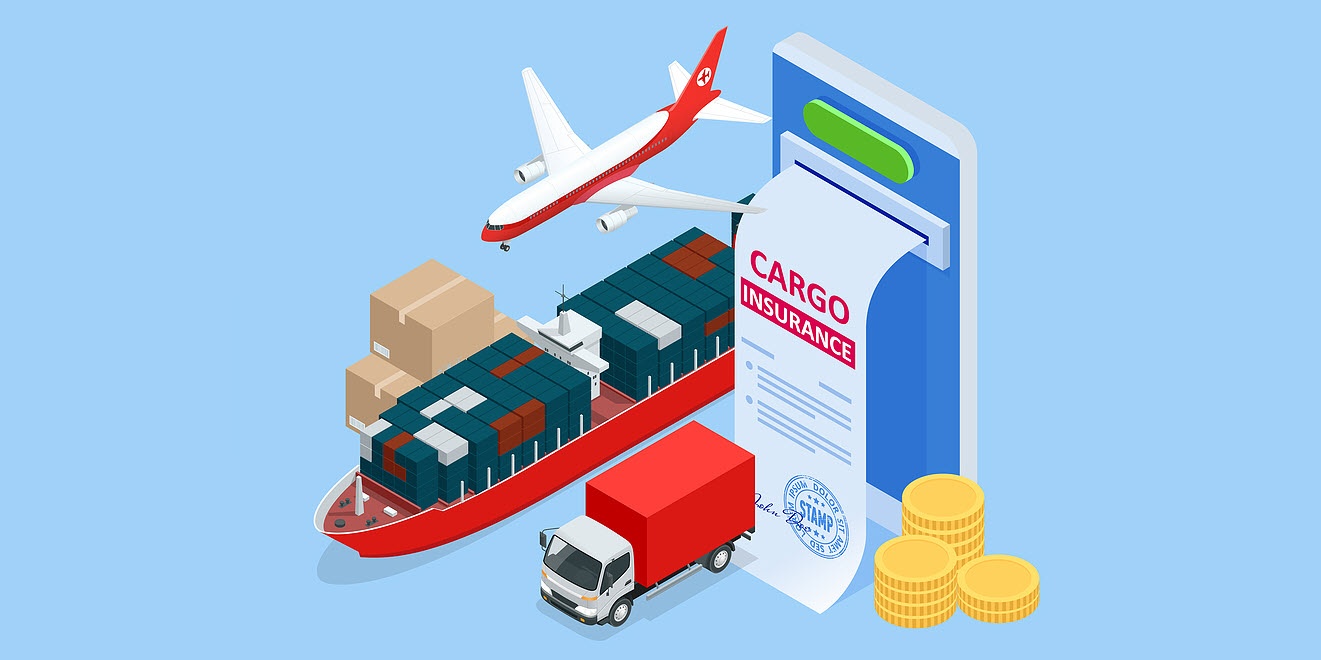
Cargo Insurance for Wholesalers & Distributors: The Complete UK Guide
Wholesalers and distributors live and die by reliable stock movement. You can have great supplier terms, tight warehouse processes, and strong customer demand—then one damaged pallet, a stolen trailer, or a delayed container turns a profitable month into a painful write-off. Cargo insurance exists to stop those “one-off” incidents from becoming business-threatening losses.
This guide explains what cargo insurance is, what it covers, how policies work in the real world, and how UK wholesalers and distributors can structure cover to match their supply chain (road, sea, air, courier, and multi-modal). It’s written for businesses moving goods domestically across the UK and internationally through ports, airports, and freight networks.
What is cargo insurance (and why wholesalers/distributors need it)?
Cargo insurance (often called goods in transit insurance for road movements) protects the value of stock while it’s being transported. For wholesalers and distributors, the risk isn’t theoretical:
-
High shipment frequency increases exposure (more journeys = more incidents).
-
Mixed product ranges create tricky valuation and packaging issues.
-
Tight delivery windows mean delays can trigger customer penalties, cancellations, or spoilage.
-
Responsibility can be unclear when multiple parties handle the goods (supplier, freight forwarder, haulier, courier, warehouse, customer).
The key point: the carrier’s liability is not the same as cargo insurance. Many businesses assume the haulier will “cover it.” In practice, carrier liability is limited, conditional, and often capped far below the value of your goods.
Cargo insurance vs carrier liability: the misunderstanding that costs money
Carriers (hauliers, couriers, shipping lines, airlines) typically operate under liability conventions and standard trading conditions that:
-
Cap what they’ll pay per kilo, per package, or per incident.
-
Exclude certain causes (inadequate packaging, inherent vice, delay, temperature issues, theft from unattended vehicles, etc.).
-
Require strict claims timelines and evidence.
Cargo insurance is designed to protect your financial interest in the goods, regardless of whether the carrier is legally liable. Even when the carrier is at fault, cargo insurance can pay faster and then pursue recovery from the carrier (subrogation).
Who should arrange cargo insurance?
The right answer depends on Incoterms and contract terms.
-
If you sell goods and you’re responsible for delivery, you may need cover up to the customer’s premises.
-
If you buy goods and take responsibility once they leave the supplier, you may need cover from the supplier’s warehouse onward.
-
If you use a freight forwarder, they may offer cover, but you should confirm limits, exclusions, and whether it’s “named per shipment” or a blanket annual policy.
A practical rule: insure the point where the risk transfers to you.
Common cargo risks for wholesalers and distributors
Wholesalers/distributors often face a blend of high-frequency, medium-value losses plus occasional severe losses. Typical causes include:
-
Theft: from vehicles, depots, ports, service stations, or during cross-docking.
-
Accidental damage: forklift punctures, pallet collapse, load shift, impact damage.
-
Water damage: rain during loading, container leaks, burst pipes, condensation.
-
Fire: vehicle fires, warehouse staging areas, port incidents.
-
Temperature excursions: chilled/frozen goods, pharmaceuticals, chemicals, cosmetics.
-
Contamination: food products, ingredients, packaging, sensitive materials.
-
Misdelivery: wrong address, wrong customer, or partial deliveries.
-
General average (marine): shared loss events where cargo owners contribute.
What does cargo insurance typically cover?
Coverage depends on policy wording, but cargo insurance is often structured as:
For wholesalers/distributors, “all risks” is usually preferred because it aligns with the day-to-day reality: losses don’t always fit neat categories.
Typical cover can include:
-
Loss or damage to goods during transit
-
Loading and unloading incidents (often included, but confirm)
-
Theft and non-delivery (subject to security conditions)
-
Multi-modal transit (road + sea + air)
-
Storage in transit (temporary warehousing during a journey)
What’s usually excluded?
Common exclusions to watch for:
-
Inadequate packaging or poor palletisation
-
Inherent vice (goods that naturally spoil, leak, or deteriorate)
-
Delay (even if caused by an insured event)
-
Ordinary wear and tear
-
War, strikes, riots, civil commotion (may need extensions)
-
Temperature variation (often requires a specific extension and controls)
-
Unattended vehicles or overnight parking without approved security
Goods in Transit (GIT) vs Marine Cargo: which do you need?
In the UK market, you’ll often see:
-
Goods in Transit (GIT): primarily for UK road transit, own vehicles or hired carriers.
-
Marine Cargo: for international shipments and multi-modal movements, including sea freight.
Many wholesalers/distributors need both, or a combined policy that covers:
If you import containers through UK ports, marine cargo cover is particularly important because of exposures like general average, port handling, and container-related water damage.
Key policy features wholesalers/distributors should get right
1) Basis of valuation
How the policy values your goods matters. Common options:
-
Invoice value (cost price)
-
Invoice value + freight
-
Invoice value + freight + 10% (often used in marine)
-
Selling price (useful if you’d lose margin and still need to replace stock)
If you distribute on tight margins, insuring only cost might be fine. If you’d lose profit or face penalty clauses, you may want a higher valuation basis.
2) Limits: per vehicle, per shipment, and annual aggregate
Cargo policies often have multiple limits:
-
Maximum value any one vehicle
-
Maximum value any one conveyance/container
-
Maximum value any one location (if storage in transit applies)
-
Annual turnover / annual sendings
A common pitfall is underestimating peak loads (seasonal spikes, promotions, large customer orders). Insurers may apply average clauses or reduce claims if declared values are consistently wrong.
3) Excess (deductible)
A higher excess can reduce premium, but wholesalers should balance that against:
4) Territorial limits
Confirm where you ship:
Also confirm whether the policy covers returns and reverse logistics.
5) Security conditions and driver procedures
Theft claims often hinge on compliance. Expect requirements around:
-
Vehicle immobilisers and alarms
-
Approved overnight parking (secured yards)
-
No leaving keys in ignition
-
Curtainsider security (TIR cords, padlocks, anti-slash)
-
Tracking for high-value loads
If you use subcontracted hauliers, you may need contractual controls and evidence that their vehicles meet requirements.
6) Temperature-controlled and high-risk goods
If you distribute:
…you may need extensions for:
7) Packaging and palletisation standards
Insurers may expect documented standards:
-
Shrink-wrap and corner protection
-
Correct pallet type and condition
-
Load restraint and dunnage
-
Fragile labelling and handling instructions
Good packaging reduces claims and makes claims easier to prove.
Typical claim scenarios (and what insurers will ask)
Scenario A: Theft from a parked vehicle
A driver stops overnight in an unsecured layby and the trailer is stolen. Insurers will ask:
-
Was overnight parking allowed under the policy?
-
Was the vehicle locked and alarmed?
-
Were keys secured?
-
Was tracking required for that value/type of load?
If conditions weren’t met, the claim may be reduced or declined.
Scenario B: Water damage in a container
Goods arrive with water staining and mould. Insurers will ask:
-
Was the container inspected before loading?
-
Any photos of container condition?
-
Was desiccant used?
-
Was packaging moisture-resistant?
Scenario C: Forklift puncture during cross-dock
A pallet is punctured during handling at a third-party depot. Insurers will ask:
-
Where did the incident occur (in transit vs storage)?
-
Who had custody?
-
Was it within the “transit” definition?
-
Can you evidence value and damage?
How to reduce premium and improve insurability
Insurers price cargo risk based on frequency, severity, and controls. Practical improvements include:
-
Documented security procedures for drivers and subcontractors
-
Approved routes and stop policies for high-risk loads n- Use of telematics and tracking for high-value shipments
-
Better packaging standards and training
-
Claims management discipline (fast notification, photos, salvage)
-
Accurate declarations of annual sendings and peak values
Even small operational changes can move you into a better risk category.
What information insurers/brokers will ask for
To quote cargo insurance, expect to provide:
-
Annual turnover / annual value of goods shipped
-
Typical and maximum shipment values
-
Product types (including any hazardous or temperature-sensitive items)
-
Transit methods (own vehicles, hired hauliers, couriers, sea/air)
-
Territories (UK/EU/worldwide)
-
Packaging and palletisation standards
-
Security measures (tracking, immobilisers, overnight parking)
-
Claims history (last 3–5 years)
If you’re unsure, start with your last 12 months of shipping data and identify peak periods.
Cargo insurance add-ons worth considering
Depending on your supply chain, you may want:
-
War and strikes extensions (especially for international movements)
-
Exhibition and trade show cover (goods away from premises)
-
Stock throughput (covers goods from supplier to warehouse to customer)
-
Consequential loss extensions (rare, but can exist in bespoke forms)
-
Debris removal and disposal (for damaged/contaminated goods)
A good broker will map these to your actual operations rather than adding cover “because it sounds good.”
How to choose the right cargo insurance: a quick checklist
-
Confirm where risk transfers (Incoterms/contract terms)
-
Choose valuation basis (cost vs selling price)
-
Set realistic peak limits (per vehicle/container)
-
Confirm multi-modal and storage-in-transit definitions
-
Check theft conditions and overnight parking rules
-
Add temperature/contamination extensions if relevant
-
Make sure claims procedures are clear and practical
FAQs: Cargo insurance for wholesalers & distributors
Is cargo insurance legally required in the UK?
No. But many wholesalers and distributors treat it as essential because carrier liability is limited and customers expect reliable replacement.
Does goods in transit insurance cover courier shipments?
Sometimes. Some policies include courier networks; others exclude them or require separate terms. Always confirm.
Will cargo insurance cover non-delivery?
It can, but it may depend on evidence of theft, forced entry, or documented handover procedures.
Does cargo insurance cover loading and unloading?
Often yes, but definitions vary. If you regularly load/unload using forklifts, confirm it’s included.
What about returns from customers?
Many distributors forget reverse logistics. If you collect returns, make sure the policy covers them.
Can I rely on my freight forwarder’s insurance?
Forwarders may offer cover per shipment, but limits and exclusions can be restrictive. If you ship frequently, an annual policy is often more consistent and cost-effective.
How quickly are claims paid?
It depends on evidence and complexity. Fast claims usually require: invoice proof, photos, delivery notes, incident reports, and prompt notification.
Next steps
Cargo insurance should match your real supply chain—not a generic template. If you’re a wholesaler or distributor, the right approach is to map your journeys (supplier to warehouse, warehouse to customer, returns), identify peak shipment values, and then build cover around those exposures.
If you want, share:
-
What you distribute (and any high-value or temperature-sensitive items)
-
UK-only or imports/exports
-
Typical and maximum shipment values
-
Whether you use own vehicles, couriers, or hauliers
…and I’ll help you outline the ideal cargo insurance spec (limits, extensions, and key conditions) to take to market.


 My Account