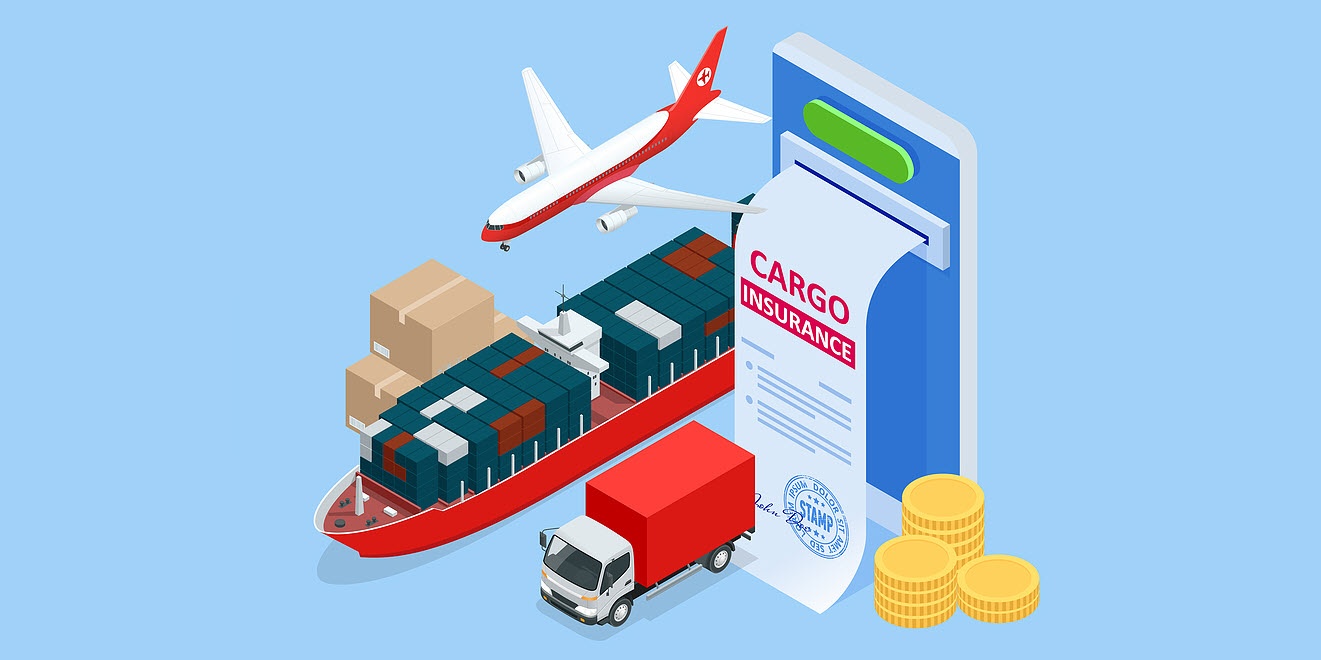
Cargo Insurance for Middle East Trade: A Practical Guide for UK Importers & Exporters
Introduction: why Middle East cargo risk needs specialist thinking
Trading with the Middle East can be hugely profitable for UK businesses—whether you’re exporting machinery, medical technology, construction materials, consumer goods, or importing components and finished products. But the logistics chain is long, multi-party, and exposed to risks that can turn a healthy margin into a painful loss.
Cargo insurance (often called marine cargo insurance) is designed to protect your goods while they’re in transit—by sea, air, road, rail, or a combination. The key is making sure the policy matches the reality of Middle East trade routes, local handling practices, and the contractual terms you’ve agreed with buyers, suppliers, and freight partners.
This guide explains how cargo insurance works, what to watch for on Middle East lanes, and how to structure cover that actually pays when something goes wrong.
What cargo insurance covers (in plain English)
Cargo insurance typically covers physical loss of or damage to goods while they’re being transported. Depending on the policy and clauses, it can include:
-
Sea freight (container, breakbulk, RoRo)
-
Air freight (including courier/express)
-
Road and rail legs (UK haulage, GCC trucking, cross-border legs)
-
Storage that’s incidental to transit (ports, terminals, bonded warehouses)
-
General average and salvage charges (often a major “surprise” cost)
Cargo insurance is not the same as carrier liability. Carrier liability is limited, heavily conditional, and often based on weight—not the value of your goods. Cargo insurance is designed to respond based on insured value and agreed terms.
Why Middle East trade has its own risk profile
Every route has risk, but Middle East trade often brings a combination of:
-
Long transit chains: multiple handovers between carriers, agents, and terminals.
-
Extreme heat exposure: temperature spikes can damage sensitive goods (electronics, pharmaceuticals, medical devices, adhesives, cosmetics, food ingredients).
-
Port congestion and delays: delays increase theft risk, handling risk, and can trigger storage exposures.
-
Transhipment: goods may be moved between vessels/airlines, increasing handling and misrouting risk.
-
Political and security volatility: some areas can experience sudden disruption, sanctions issues, or heightened security incidents.
-
Complex documentation: errors in bills of lading, packing lists, certificates, or Incoterms can create disputes and slow claims.
The goal isn’t to “fear” the route—it’s to insure it properly.
Common Middle East trade routes (and what they mean for insurance)
UK–Middle East cargo often moves via:
-
Sea freight to Jebel Ali (Dubai), Abu Dhabi, Dammam, Jeddah, Doha, Bahrain
-
Air freight to Dubai, Abu Dhabi, Doha, Riyadh, Jeddah
-
Transhipment hubs (e.g., Mediterranean hubs, Singapore, or regional hubs depending on carrier)
From an insurance perspective, routes matter because:
-
Transhipment increases handling and “mysterious disappearance” risk.
-
Certain ports or legs may have higher theft or pilferage exposure.
-
War and strikes risks may be excluded unless added back.
The building blocks: Institute Cargo Clauses (A, B, C)
Most cargo insurance is written on Institute Cargo Clauses (ICC). The big three are:
ICC (A) — “All Risks” (but not all causes)
-
Broadest cover for accidental physical loss/damage.
-
Still has exclusions (e.g., inherent vice, ordinary leakage, poor packing, delay).
-
Often the default recommendation for higher value or sensitive goods.
ICC (B) — Named perils (mid-level)
-
Covers specific causes like fire, explosion, vessel grounding, collision, earthquake, and some water damage.
-
More gaps than (A), but sometimes used for robust commodities.
ICC (C) — Basic named perils
For Middle East trade, ICC (A) is commonly preferred because the risk isn’t just “big disasters”—it’s handling damage, theft, and partial losses.
Key add-ons for Middle East shipments
Even with ICC (A), you may need extensions depending on the route and goods.
War risks
War risks are typically excluded under standard cargo clauses and added via separate war clauses. “War” in insurance terms can include:
If your cargo passes near higher-risk areas or through sensitive sea lanes, war cover needs careful review.
Strikes, riots and civil commotions (SRCC)
Often added as a separate clause. This can be relevant where there is civil unrest, port disruption, or labour issues.
Theft, pilferage and non-delivery
Many policies respond to theft under ICC (A), but wording matters. For high-theft goods (electronics, branded retail, spare parts), confirm:
Temperature and refrigeration breakdown
If you ship temperature-sensitive goods, you may need:
-
Temperature deviation cover
-
Refrigeration breakdown cover
-
Data logger requirements
-
Packaging and pre-cooling conditions
Storage and distribution extensions
If you’re holding stock in a UAE free zone or regional warehouse before final delivery, you may need a stock-throughput or warehouse extension. Standard cargo policies may only cover “incidental storage” during transit.
Incoterms: who should insure the cargo?
Incoterms define who is responsible for transport, risk, and (sometimes) insurance. A few practical points:
-
EXW (Ex Works): buyer takes risk early; buyer usually insures.
-
FOB (Free on Board): buyer takes risk once goods are on board the vessel; buyer often insures the sea leg.
-
CIF (Cost, Insurance and Freight): seller provides insurance, but the minimum required is often limited (commonly ICC (C) unless agreed otherwise).
-
DAP/DDP: seller carries risk to destination; seller should insure end-to-end.
A common Middle East trade mistake: assuming “CIF means fully insured.” CIF insurance can be minimal unless you specify the clause and insured value.
How to set the insured value (and avoid being underinsured)
Cargo policies usually insure on a “value basis” such as:
That uplift is there to cover expected profit and incidental costs. Underinsurance can lead to:
-
Reduced claim payments (average clause)
-
Uninsured costs such as duties, freight, and additional expenses
If you ship high-margin goods or have contract penalties, talk through the right valuation basis.
Packaging, stowage, and “duty of assured” (the part that can kill claims)
Cargo insurance is designed for accidents—not for predictable outcomes caused by poor preparation. Claims can be declined or reduced where there is:
-
Inadequate packing for the mode of transport
-
Poor container stuffing or bracing
-
Use of damaged containers
-
Failure to follow manufacturer shipping requirements
For Middle East trade, heat and handling make packaging even more important. Practical steps that help both loss prevention and claims:
-
Use heat-resistant packaging where relevant
-
Specify desiccants and moisture protection for sea freight
-
Photograph packing and container sealing
-
Keep seal numbers and chain-of-custody records
-
Use shock/tilt indicators for fragile machinery
Typical exclusions you need to understand
Even “all risks” cargo insurance has exclusions. Common ones include:
-
Delay (even if delay is caused by an insured event)
-
Inherent vice (goods naturally deteriorating)
-
Ordinary leakage/evaporation
-
Insufficient packing
-
Financial loss without physical damage
-
Sanctions (very important for certain destinations/parties)
Sanctions clauses deserve special attention. If a shipment involves sanctioned parties, vessels, or prohibited goods, cover may not apply.
Claims: what to do when something goes wrong
Cargo claims are time-sensitive and evidence-heavy. A simple playbook:
-
Notify your broker/insurer immediately (even if you’re still investigating).
-
Arrange a survey if required (insurers often appoint surveyors at destination).
-
Preserve evidence: photos, seal numbers, packing records, delivery receipts.
-
Mitigate loss: salvage, rework, drying, repacking—keep receipts.
-
Collect documents:
-
Commercial invoice
-
Packing list
-
Bill of lading / airway bill
-
Survey report
-
Correspondence with carrier
-
Police report (if theft)
-
Temperature logs (if relevant)
Also note: you may need to pursue recovery against carriers. Your insurer may do this (subrogation), but only if paperwork is solid.
Single shipment vs open cover: which is better?
Single shipment (voyage policy)
Best for:
Open cover / annual cargo policy
Best for:
Open cover can reduce admin and avoid the “we forgot to insure that shipment” problem. It can also be tailored by commodity, route, and mode.
What affects the premium on Middle East cargo?
Insurers typically look at:
-
Commodity type (fragile, theft-attractive, temperature-sensitive)
-
Packaging and loss history
-
Route and destination
-
Mode of transport (air vs sea)
-
Limits per conveyance/container
-
Security measures and carrier quality
-
Claims process maturity (documentation, inspection, supplier controls)
If you can demonstrate strong packing standards and good documentation, you often get better terms.
Risk management tips that reduce losses (and make insurance cheaper)
For UK–Middle East trade, a few practical controls go a long way:
-
Use reputable freight forwarders with Middle East experience
-
Specify container quality, seal standards, and stuffing procedures
-
Avoid vague descriptions on shipping docs (helps customs and claims)
-
Consider GPS tracking for high-value loads
-
Use temperature-controlled solutions where needed
-
Build a “claims pack” template so your team can respond fast
FAQs: Cargo insurance for Middle East trade
Do I need cargo insurance if the carrier has liability cover?
Usually yes. Carrier liability is limited and may not cover the full value of your goods, especially for high-value, low-weight items.
Does cargo insurance cover theft in port or during trucking in the GCC?
It can, but wording matters. Confirm theft/pilferage and inland transit legs are included, and understand evidence requirements.
Is CIF insurance enough?
Not always. CIF often provides only minimum cover unless you specify ICC (A) and the insured value basis.
Does cargo insurance cover war risks?
War risks are commonly excluded from standard cover and added back via war clauses. This should be reviewed for the specific route.
What about delays at customs or port congestion?
Delay itself is usually excluded. However, physical loss/damage during extended storage may be covered if storage is within policy terms.
Can I insure goods stored in a UAE free zone warehouse?
Standard cargo cover may only include incidental storage. If you store stock for longer periods, you may need an extension or a stock-throughput policy.
What’s “general average” and why does it matter?
General average is a maritime principle where all cargo owners share certain losses/expenses if a sacrifice is made to save the voyage. Without cargo insurance, you may have to pay a large contribution before your goods are released.
How quickly do cargo claims get paid?
It depends on evidence and complexity. Clear documentation, prompt notification, and a survey report usually speed things up.
Conclusion: insure the route you actually ship
Middle East trade is full of opportunity, but the logistics chain is complex and the risk profile is real—especially for high-value, time-sensitive, or temperature-sensitive goods.
A well-structured cargo insurance policy should match your Incoterms, cover the full door-to-door journey, include the right clauses (often ICC (A) plus relevant extensions), and be backed by strong packing and documentation.
If you’d like, share what you ship (commodity), typical values, and whether you trade on EXW/FOB/CIF/DAP/DDP—and I’ll outline the ideal cargo insurance structure and a simple checklist you can use internally.


 My Account