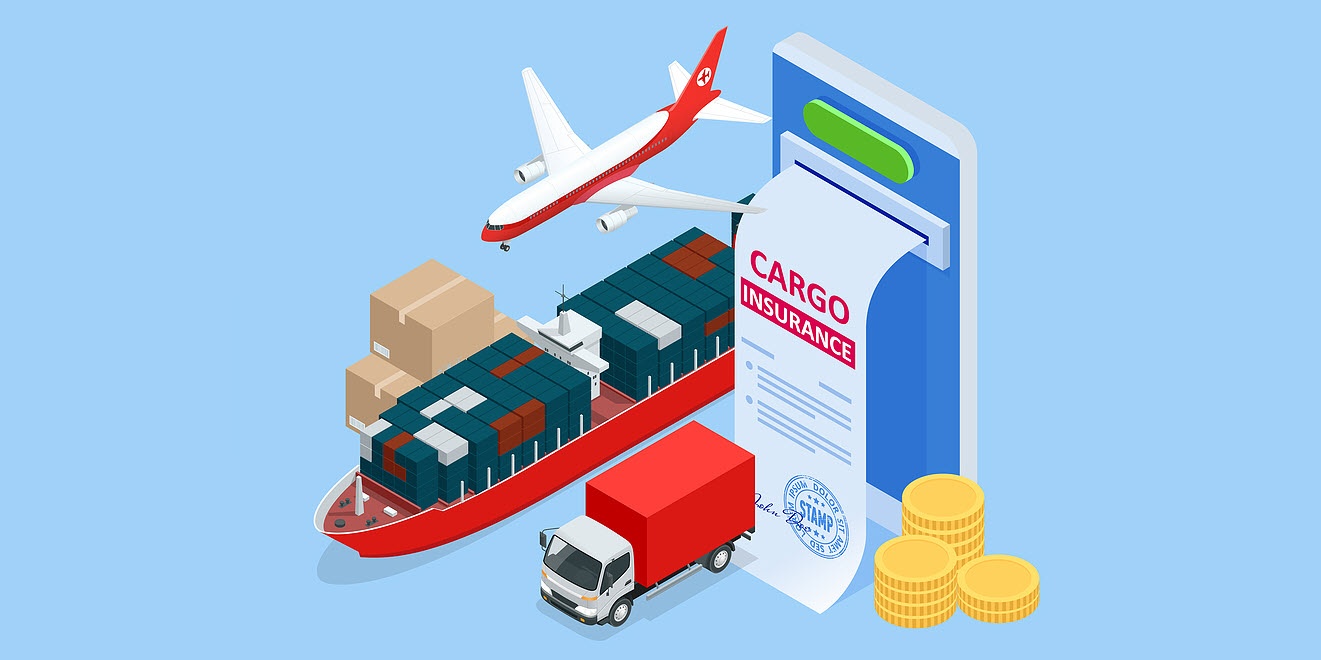
Cargo Insurance for Logistics Companies (UK): The Complete Guide
Cargo insurance can be the difference between a painful write-off and a manageable claim when goods are lost, damaged, stolen, or delayed in transit. For logistics companies, it’s also a credibility tool: shippers want to know you can keep their supply chain moving even when the unexpected happens.
This guide explains what cargo insurance is, what it covers, the key policy options, common exclusions, and how UK logistics businesses can choose the right level of protection.
What is cargo insurance?
Cargo insurance (often called goods in transit insurance) protects the value of goods while they are being transported. Depending on the policy, it can cover goods carried by road, sea, air, rail, or a combination of these.
For logistics companies, cargo insurance typically sits alongside other core covers like:
-
Motor fleet insurance (for owned vehicles)
-
Public liability and employers’ liability
-
Warehouse insurance (stock and property)
-
Professional indemnity (for advice, planning, and contractual errors)
-
Cyber insurance (for TMS/WMS systems and customer data)
Cargo insurance is designed to respond when physical goods are affected, not when you simply face a contractual dispute (although some extensions can help with consequential costs).
Why cargo insurance matters for logistics companies
Logistics is a high-frequency risk environment. Even with strong processes, you’re exposed to:
-
Multiple handovers (driver, depot, subcontractor, port, courier)
-
Tight delivery windows and penalties
-
High-value, theft-attractive goods (electronics, alcohol, pharmaceuticals)
-
Temperature-sensitive loads and compliance requirements
-
Mixed cargo and consolidation risks
A single incident can create a chain reaction: replacement costs, customer claims, salvage, re-delivery, and reputational damage. Cargo insurance helps you keep cashflow stable and protects relationships with shippers.
Cargo insurance vs carrier liability: what’s the difference?
One of the biggest misunderstandings in logistics is assuming “carrier liability” is the same as cargo insurance.
-
Carrier liability is what you are legally liable for under a contract or convention (for example CMR for international road haulage). It’s often limited by weight and may not reflect the true value of the goods.
-
Cargo insurance is designed to protect the goods’ value (subject to policy terms) and can be arranged by the cargo owner or by the logistics provider as part of a service.
In practice, many customers will ask: “Are the goods insured?” If you only have limited liability cover, the answer may be “not in full.” That can become a commercial problem during tendering.
Who should arrange cargo insurance?
There are three common approaches:
-
The shipper/cargo owner arranges cargo insurance (common for high-value goods).
-
The logistics company arranges cargo insurance for customers as part of a premium service.
-
A hybrid approach where the customer has their own policy, but you also carry contingency cover for gaps.
If you’re offering insurance as part of your service, be careful about how you describe it. Your contracts, terms of carriage, and sales messaging should be aligned so you don’t accidentally promise “all risks” cover when the policy is limited.
What does cargo insurance typically cover?
Coverage depends heavily on the wording, but common insured events include:
-
Accidental damage during loading/unloading
-
Collision, overturning, or fire involving the carrying vehicle
-
Theft of goods (often with security conditions)
-
Loss of a package or pallet
-
Water damage (including rain ingress)
-
Contamination (sometimes limited)
-
General average and salvage charges (marine cargo)
Policies can be written on:
For logistics companies, goods in transit policies may also include options for:
-
Subcontractor cover (when you use third-party hauliers)
-
Temporary storage (goods held overnight or in a depot)
-
Cross-docking and consolidation
-
International transits (including customs delays and documentation requirements)
Key policy types for logistics businesses
1) Goods in Transit (GIT) insurance
This is the most common cargo-related policy for UK road logistics. It covers goods while in your care, custody, and control during transit, and often during short-term storage.
Typical decisions include:
-
Maximum value any one vehicle
-
Maximum value any one loss
-
Territorial limits (UK only vs Europe vs worldwide)
-
Whether theft is covered and under what conditions
2) Marine cargo insurance
Despite the name, marine cargo can cover multi-modal shipments, including sea, air, road, and rail. It’s often used for importers/exporters and freight forwarders.
It can include:
-
Institute Cargo Clauses (A/B/C)
-
War and strikes extensions
-
General average and salvage
3) Freight forwarder / logistics liability insurance
This is not cargo insurance, but it’s closely related. It protects your liability for loss or damage to goods under your trading conditions.
If you’re a freight forwarder, you’ll want to ensure your policy matches your terms (for example BIFA conditions) and your operating model.
4) Warehouse and stock insurance
If you store goods, even temporarily, you may need separate cover for:
Many logistics losses happen off the road (mis-picks, forklift damage, fire, flood). Make sure your insurance structure reflects that.
Common exclusions and “gotchas”
Cargo policies can be broad, but there are frequent exclusions that catch logistics businesses out:
-
Unattended vehicle theft (especially overnight or in unsecured areas)
-
Theft without forcible entry (e.g., “mysterious disappearance”)
-
Inadequate security (no alarm, no immobiliser, no tracking, wrong parking)
-
Poor packaging or insufficient load restraint
-
Temperature deviation where no calibrated records exist
-
Delay and consequential loss (unless specifically extended)
-
Wear and tear, inherent vice, gradual deterioration
-
Incorrect documentation or customs issues (often liability, not cargo)
-
Employee dishonesty (may require a fidelity extension)
The practical takeaway: cargo insurance is not just a policy purchase. It’s a process purchase. Your security, driver training, and documentation directly affect claim outcomes.
High-risk cargo: what insurers look for
If you move theft-attractive or regulated goods, insurers will want to understand:
-
What goods you carry (and peak values)
-
Typical routes and stop patterns
-
Overnight parking arrangements
-
Tracking and telematics
-
Driver vetting and training
-
Subcontractor controls and contracts
-
Claims history and incident reporting
Examples of higher-risk cargo include:
If you carry mixed loads, be ready to explain how you segregate and secure different cargo types.
How to choose the right limits and structure
When setting up cargo insurance, focus on four numbers:
-
Maximum value any one vehicle (your worst-case load)
-
Maximum value any one claim (including multiple pallets)
-
Annual turnover / estimated total value carried (for rating)
-
Excess (what you can absorb without harming cashflow)
A common mistake is buying a policy based on “average load value” rather than the maximum. One high-value job can create a gap.
Also consider whether you need:
-
Single transit cover for occasional high-value moves
-
Annual policy for frequent shipments
-
Contingency cargo to cover gaps when customers rely on your insurance
Subcontractors: the hidden exposure
Many logistics companies use subcontracted hauliers at peak times. This can create a coverage gap if:
-
Your policy excludes subcontractors
-
The subcontractor’s GIT cover is inadequate
-
The subcontractor’s policy has strict security conditions they don’t follow
Best practice is to:
-
Require proof of insurance (and check limits/exclusions)
-
Use written subcontractor agreements
-
Confirm who is responsible for claims handling
-
Keep a register of approved subcontractors
If subcontracting is core to your model, ask for a policy that explicitly includes it.
Temperature-controlled and pharmaceutical logistics
Cold chain logistics has unique exposures:
-
Refrigeration unit failure
-
Door left open during drops
-
Incorrect set points
-
Power loss during storage
-
Lack of temperature logs
Insurers may require:
-
Calibrated sensors and record-keeping
-
Alarmed temperature deviations
-
Maintenance schedules
-
Driver training on cold chain handling
If you move pharmaceuticals or medical devices, you may also need to consider regulatory expectations, product integrity, and recall-related costs (often handled under specialist wordings).
Claims: what good looks like
When a loss happens, speed and documentation matter. Strong claims outcomes usually come from:
-
Immediate incident reports (time, location, circumstances)
-
Photos of damage, packaging, seals, and vehicle condition
-
Police crime reference number for theft
-
Proof of delivery / POD and scan data
-
Temperature logs (for cold chain)
-
Evidence of security compliance (tracking, parking receipts, CCTV)
Build a simple internal checklist so drivers and depot staff know what to capture. It can materially reduce disputes.
Reducing premiums without weakening cover
Insurers price logistics risk based on frequency and severity. Practical ways to improve your risk profile include:
-
Secure overnight parking policy (approved sites only)
-
Vehicle tracking and geofencing
-
Two-person crews for high-value loads
-
Seal controls and tamper-evident procedures
-
Driver training (load restraint, theft prevention)
-
Subcontractor vetting and audits
-
Clear incident reporting and near-miss logging
The goal is to make your operation “insurable by design,” not to buy the cheapest policy and hope it works.
What to tell customers (and what not to)
Your sales team should be able to explain cargo insurance in plain English.
Good messaging:
-
“We carry goods in transit cover up to £X per vehicle, subject to terms.”
-
“High-value goods may require prior agreement and additional security.”
Risky messaging:
If you want to use insurance as a differentiator, create a short “Insurance & Claims” one-pager that sets expectations and builds trust.
Quick checklist: is your cargo insurance fit for purpose?
-
Do your limits match your highest-value loads?
-
Are subcontracted hauliers included?
-
Are theft conditions realistic for your routes?
-
Does the policy include temporary storage?
-
Are high-risk goods covered or excluded?
-
Do you have a claims checklist and incident process?
-
Are your customer promises aligned with the policy wording?
FAQs
Do logistics companies legally need cargo insurance?
Not always as a legal requirement, but many contracts and tenders require it. Even where it’s not mandatory, it’s often commercially essential.
Does cargo insurance cover theft from an unattended vehicle?
Sometimes, but usually only if strict security conditions are met (locked vehicle, approved parking, alarm/immobiliser, time limits, tracking). Always check the wording.
Is goods in transit insurance the same as courier insurance?
They’re related. Courier insurance often bundles GIT with public liability and sometimes hire & reward motor cover. The right option depends on your business model and vehicle ownership.
What if the customer already has cargo insurance?
You may still want liability cover and contingency protection. Clarify in writing who insures what and how claims will be handled.
Can cargo insurance cover international shipments?
Yes, but you must ensure the territorial limits and transit types match your operations (UK, Europe, worldwide; road/sea/air). International shipments may require marine cargo wordings.
Next steps
If you’re a logistics company and want cargo insurance that matches how you actually operate (including subcontractors, temporary storage, and high-value loads), it’s worth getting a specialist review.
Talk to Insure24 to discuss your routes, cargo types, security procedures, and contract requirements, and we’ll help you structure cover that protects your customers and your balance sheet.


 My Account