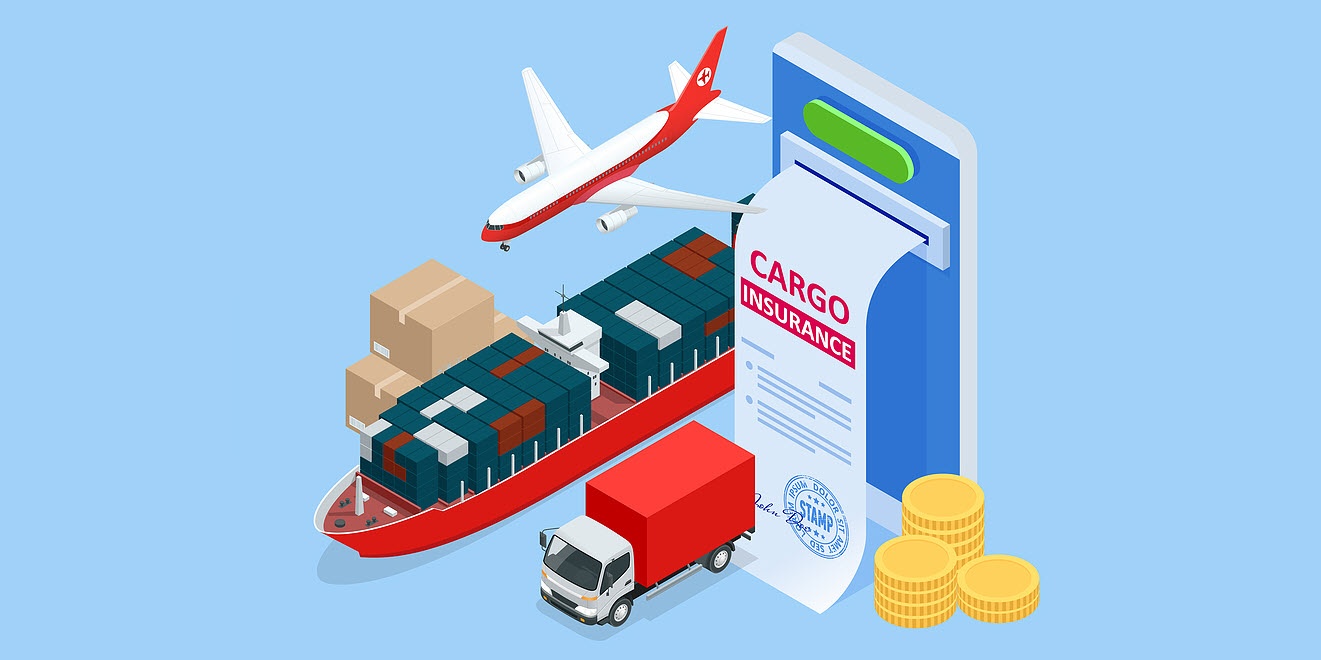
Cargo Insurance for Freight Forwarders: A Practical UK Guide to Protecting Shipments and Your Business
Freight forwarders sit at the centre of global trade. You coordinate carriers, routes, documentation, customs, warehousing, and the thousand moving parts that get goods from A to B. But when something goes wrong in transit—damage, theft, contamination, delay, or a general average event—clients often look to you first, even if the loss technically occurred under a carrier’s control.
That’s why cargo insurance is such a big deal for freight forwarders. It’s not just about protecting the value of goods in transit. It’s about protecting your reputation, your cashflow, and your contractual position when claims happen.
This guide explains how cargo insurance works, what freight forwarders should watch out for, and how to structure cover so you can confidently move goods by road, sea, air, and rail.
What is cargo insurance?
Cargo insurance (also called goods in transit insurance or marine cargo insurance) is designed to cover physical loss of or damage to goods while they are being transported. Depending on the policy, it can cover:
-
International and domestic shipments
-
Multimodal transport (sea + road + air combinations)
-
Storage incidental to transit (for example, temporary warehousing)
-
Loading/unloading risks
-
Theft, pilferage, water damage, impact damage, and more
Cargo insurance is usually arranged by the cargo owner (the importer/exporter) or by a freight forwarder on the client’s behalf.
Why freight forwarders need to care (even when you’re “not the carrier”)
Many forwarders assume the carrier’s liability will cover losses. In practice, carrier liability is often:
-
Limited by international conventions (and often far below the cargo value)
-
Conditional—carriers can deny liability if they can rely on defences
-
Slow—claims can take months, especially across borders
Even if you’re not legally liable, you may still face:
-
Client pressure to “make it right”
-
Disputes over Incoterms and who should have insured
-
Allegations of negligence (wrong routing, poor packing instructions, missed temperature controls)
-
Uninsured costs (survey fees, salvage, rework, disposal)
Cargo insurance is often the difference between a manageable incident and a relationship-ending one.
Cargo insurance vs freight forwarder liability insurance
These are not the same.
Cargo insurance
-
Protects the goods (the cargo value)
-
Typically responds to physical loss/damage in transit
-
Usually arranged for the cargo owner, sometimes via the forwarder
Freight forwarder liability insurance
-
Protects the freight forwarder against claims alleging negligence, breach of duty, or breach of contract
-
Covers your legal liability, not the full cargo value
-
Often includes cover for legal defence costs
A well-run forwarding business typically needs both: cargo insurance solutions for clients and liability cover for the business.
Common cargo risks freight forwarders see
Cargo losses aren’t always dramatic shipwreck stories. Many are everyday issues that add up.
-
Theft and pilferage (especially high-value goods, electronics, alcohol, cosmetics)
-
Water damage (container sweat, rain during loading, leaks)
-
Impact damage (forklift incidents, drops, shifting loads)
-
Temperature excursions (pharma, food, chemicals)
-
Contamination (odours, chemical taint, cross-contamination)
-
General average (marine incidents where all cargo owners share costs)
-
Delay-related deterioration (perishables, just-in-time supply chains)
-
Misdelivery (wrong consignee, fraudulent collection)
The right policy structure depends on what you move, where you move it, and what contracts you operate under.
The main types of cargo cover (and what they mean)
Cargo policies are often written on Institute Cargo Clauses (ICC) wording. The most common are:
Institute Cargo Clauses (A) – “All Risks” (but not everything)
-
Broadest cover for physical loss/damage from external causes
-
Still has exclusions (for example, inherent vice, ordinary leakage, improper packing)
-
Often the best default for general cargo where clients want strong protection
Institute Cargo Clauses (B)
-
Named perils cover (more limited)
-
Covers specific events like fire, explosion, vessel grounding, earthquake, entry of sea/lake/river water, and more
Institute Cargo Clauses (C)
-
Most restricted named perils cover
-
Often used for low-value, robust goods where broad cover isn’t required
Forwarders should be careful with the phrase “all risks.” It does not mean “anything that happens.” It means “all risks of physical loss or damage” subject to exclusions.
What cargo insurance typically excludes
Exclusions vary, but common ones include:
-
Inherent vice (goods deteriorating due to their nature)
-
Ordinary leakage/ordinary loss in weight or volume
-
Insufficient or unsuitable packing (especially if packed by the assured)
-
Delay (unless specifically endorsed)
-
War and strikes (often available as add-ons)
-
Wilful misconduct
-
Unseaworthiness (in some circumstances)
For freight forwarders, packing and stowage is a frequent flashpoint. If a client packs the goods poorly, the insurer may decline. If you arranged packing, you could face a liability allegation.
Single shipment vs open cover (annual) policies
Single shipment (one-off) cargo insurance
-
Covers one specific movement
-
Useful for occasional shippers or unusual cargo
-
Can be slower operationally if you’re arranging insurance frequently
Open cover / open policy (annual)
-
Designed for regular shipments
-
Can be declared per shipment (declaration basis)
-
Often more efficient and can reduce admin
Forwarders who arrange cargo insurance for clients often use an open cover structure so they can issue certificates quickly and keep shipments moving.
Who should arrange cargo insurance? (Incoterms matter)
Incoterms define responsibilities for transport and risk transfer, but they don’t automatically guarantee insurance is in place.
-
Under CIF and CIP, the seller has an obligation to arrange insurance (CIP generally requires broader cover than CIF).
-
Under EXW, the buyer often takes on transport risk early.
In real life, misunderstandings are common. A forwarder can add value by:
-
Asking who is responsible for insurance under the contract
-
Confirming the required level of cover (A/B/C, war/strikes)
-
Documenting the instruction clearly
How claims usually work (and what forwarders should do immediately)
When a loss happens, speed and documentation matter.
Immediate steps
-
Mitigate the loss (secure goods, prevent further damage)
-
Notify the insurer/broker as soon as possible
-
Arrange a survey if required
-
Preserve evidence (photos, packaging, seals, container numbers)
-
Keep damaged goods where possible until inspected
Key documents often needed
-
Commercial invoice and packing list
-
Bill of lading / airway bill / CMR
-
Survey report
-
Delivery receipt noting damage/shortage
-
Correspondence with carriers
-
Proof of value and proof of loss
Forwarders who have a clean internal process for incident reporting often see faster settlements and fewer disputes.
Special considerations by transport mode
Sea freight
-
General average risk is a major reason cargo owners insure
-
Container sweat and water ingress are common
-
Stowage and securing issues can cause shifting and crushing
Air freight
-
Faster transit, but high handling intensity
-
Theft risk for high-value goods
-
Temperature control is critical for pharma and certain chemicals
Road freight
-
Theft from vehicles and depots
-
Accidents and load shifts
-
Unattended vehicle conditions and security requirements can affect cover
Rail
If you’re moving high-value or sensitive goods, insurers may require specific security measures (tracked vehicles, approved parking, sealed containers, temperature logs).
High-risk cargo: what underwriters will ask
If you’re placing cargo insurance regularly, expect questions like:
-
What commodities are shipped and what are typical values?
-
What are the origins/destinations and routes?
-
What packing methods are used (palletised, crated, containerised)?
-
Are there temperature requirements?
-
What is the loss history?
-
What carriers and subcontractors are used?
-
What security controls exist (CCTV, alarms, tracking, vetted drivers)?
The more clearly you can present this, the more competitive and stable your terms usually are.
Cargo insurance as a value-added service for freight forwarders
Offering cargo insurance (properly) can strengthen your client relationships.
Benefits include:
-
Reduced disputes when incidents happen
-
Faster claims resolution compared to chasing carrier liability
-
Clearer expectations on what is and isn’t covered
-
Professional positioning—you’re not just moving boxes, you’re managing risk
But it must be communicated carefully. Avoid promising “full cover” without confirming the policy terms and exclusions.
Common mistakes freight forwarders should avoid
-
Quoting cargo insurance without confirming the commodity and packing method
-
Assuming carrier liability equals cargo insurance
-
Failing to document whether insurance was offered and accepted/declined
-
Using vague wording like “insured” without specifying scope
-
Not declaring shipments correctly under an open cover
-
Missing time limits for notification or surveys
A simple checklist at booking stage can prevent most of these issues.
What to include in a strong cargo insurance recommendation
When advising a client, aim to cover:
-
The cargo value basis (invoice value + freight + uplift)
-
The clause level (ICC A/B/C)
-
Any add-ons (war, strikes, refrigerated breakdown, theft extension)
-
Storage requirements (warehouse-to-warehouse)
-
Excess/deductible
-
Any security conditions
Clients don’t need an insurance lecture—but they do need clarity.
Final thoughts
Cargo insurance is one of the most practical risk tools in freight forwarding. It protects cargo owners from the financial shock of loss or damage, and it protects forwarders from the reputational and commercial fallout that often follows.
If you regularly move goods for clients, consider making cargo insurance part of your standard process: offer it consistently, document instructions, and work with a broker who understands freight forwarding operations.
Need help arranging cargo insurance or reviewing your freight forwarding risk exposures? Speak to a specialist broker who understands logistics contracts, multimodal transport, and the real-world claims process—so you can keep shipments moving and clients confident.


 My Account