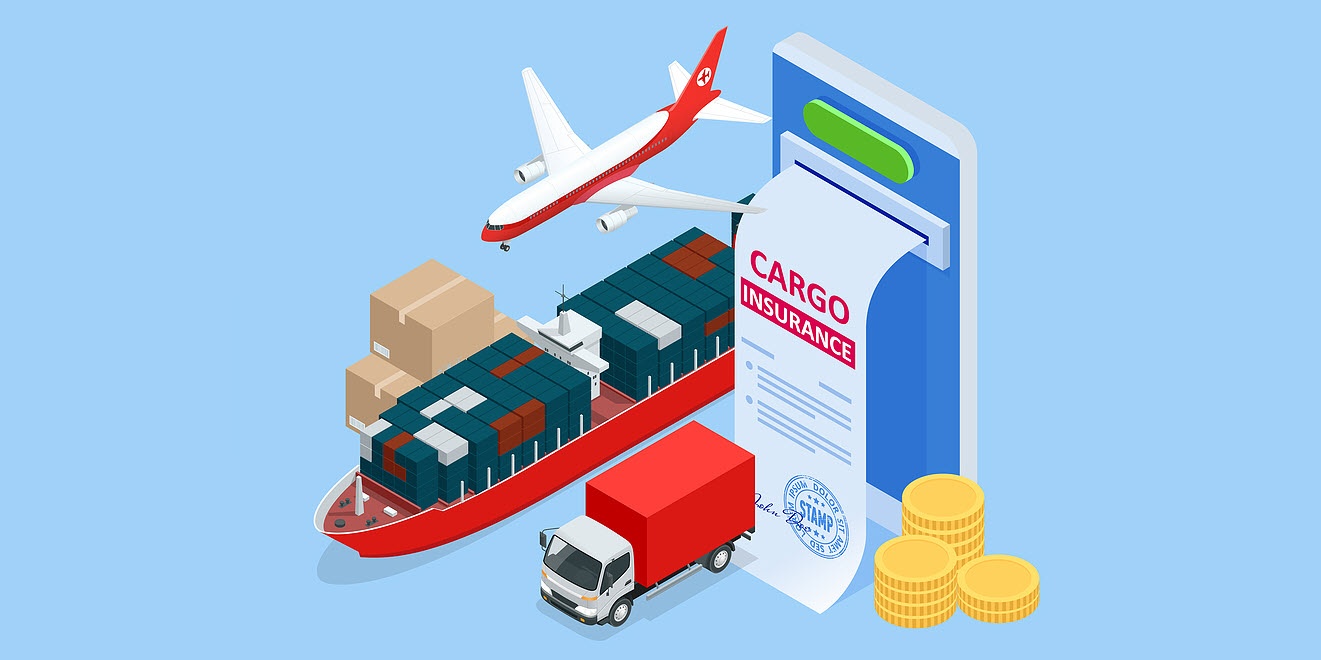
Cargo Insurance for Food & Beverage Importers: The Complete Guide (UK)
Importing food and drink is high-reward, high-risk. One delayed container, one temperature excursion, or one paperwork error can turn a profitable shipment into a total loss. Cargo insurance is the safety net that protects your cashflow, your customer relationships, and your reputation when things go wrong in transit.
This guide explains how cargo insurance works for food and beverage importers, what it typically covers (and doesn’t), the claims process, and how to reduce premiums by improving your risk controls.
What is cargo insurance (and why food & beverage importers need it)
Cargo insurance (also called marine cargo insurance) covers loss of or damage to goods while they’re being transported. “Marine” is a historical term—coverage can apply to sea freight, air freight, road haulage, rail, and multimodal shipments.
For food and beverage importers, cargo risk is amplified because:
-
Many products are perishable, temperature-sensitive, or fragile.
-
Packaging failures can lead to contamination and total rejection.
-
Delays can destroy shelf life and trigger retailer penalties.
-
Border checks, documentation issues, and holds are common.
-
Theft and pilferage are higher for branded alcohol, coffee, confectionery, and supplements.
Without cargo insurance, you may have to absorb the loss yourself—even if a third party was “at fault”—because liability under freight contracts is often limited.
Cargo insurance vs freight forwarder/haulier liability: the key difference
A common (and expensive) misunderstanding is assuming the carrier or freight forwarder will “cover it” if something goes wrong.
In reality, carriers typically operate under international conventions and standard trading conditions that:
-
Limit how much they pay per kilo or per package
-
Exclude certain types of loss (like delay)
-
Require strict time limits and evidence
Cargo insurance is designed to protect the value of your goods, not the carrier’s limited legal liability.
What cargo insurance can cover for food & beverage shipments
Coverage depends on the policy wording, but a well-structured cargo policy for importers can cover:
-
Physical loss or damage in transit (e.g., crushed pallets, broken bottles, torn sacks)
-
Theft, pilferage, and non-delivery
-
Water damage (including seawater ingress)
-
Fire, explosion, and major incidents
-
General average (a shared maritime loss event)
-
Salvage charges
-
“Sue and labour” costs (reasonable steps to minimise loss)
For food and beverage, you’ll also want to discuss extensions such as:
-
Temperature deviation / refrigeration breakdown
-
Contamination and taint (where insurable)
-
Rejection by authorities (sometimes limited and highly conditional)
-
Brand and labelling issues (often excluded unless specifically endorsed)
Understanding “Institute Cargo Clauses” (A, B, and C)
Most cargo policies are built on the Institute Cargo Clauses (ICC). In plain English:
-
ICC (A): “All risks” (broadest cover, but still has exclusions)
-
ICC (B): Named perils (mid-level)
-
ICC (C): Basic named perils (narrow)
For food and beverage importers, ICC (A) is usually the starting point because it’s better suited to the real-world mix of handling damage, theft, and partial losses.
Important: “All risks” doesn’t mean “everything.” It means everything except what’s excluded.
The exclusions that catch importers out
Cargo claims often fail because the loss falls into an exclusion or because the importer can’t evidence the cause.
Common exclusions and pain points include:
-
Inherent vice: the product’s natural tendency to spoil, ferment, sweat, or deteriorate
-
Insufficient or unsuitable packaging: weak cartons, poor palletisation, inadequate dunnage
-
Delay: many policies exclude loss caused by delay, even if the delay was due to an insured event
-
Ordinary leakage/ordinary loss in weight or volume: relevant for liquids, oils, bulk commodities
-
Improper temperature management: if you can’t prove the cold chain was maintained
-
War and strikes: often covered only if added via separate clauses
This is why risk controls and documentation matter as much as the policy.
Temperature-sensitive cargo: what “cold chain” cover really requires
If you import chilled, frozen, or ambient-sensitive goods (e.g., chocolate, dairy, seafood, meat, craft beer, wine, supplements), you should treat temperature deviation as its own risk category.
Insurers may require:
-
Temperature recorders/data loggers in each shipment
-
Clear temperature set points and tolerances
-
Evidence of pre-cooling and correct loading
-
Refrigerated container (reefer) maintenance and PTI (pre-trip inspection)
-
A written cold chain procedure and escalation plan
If a shipment arrives spoiled but you can’t prove when and how the temperature excursion occurred, the claim can become difficult.
Common loss scenarios for food & beverage importers
Here are real-world examples of what cargo insurance is designed to respond to:
-
A container is delayed at port and the product exceeds shelf-life requirements.
-
A reefer unit fails mid-voyage and the goods arrive out of spec.
-
Pallets collapse due to poor stowage and cases are crushed.
-
A trailer is stolen from a service station en route to the UK warehouse.
-
Seawater enters a container during heavy weather, damaging packaging and labels.
-
Bottles break due to vibration and inadequate dividers.
-
A customs inspection damages packaging and the goods are rejected by a retailer.
Each scenario may be covered differently depending on your clauses, exclusions, and evidence.
How to choose the right policy structure: annual open cover vs single shipment
Most importers choose one of two approaches:
Annual open cover (recommended for regular importers)
An open cover policy automatically insures shipments that fall within agreed parameters.
Benefits:
-
No need to arrange insurance per shipment
-
Consistent cover and claims handling
-
Easier compliance for finance teams and auditors
-
Often better pricing for regular volumes
Single shipment cover
Best for occasional imports, one-off high-value consignments, or trial orders.
Downside: more admin, higher per-shipment cost, and greater risk of gaps.
Key details you must get right (to avoid gaps)
When setting up cargo insurance, these details matter:
-
Basis of valuation: usually invoice value + freight + a percentage uplift (often 10%)
-
Incoterms: whether you’re responsible at EXW, FOB, CIF, DDP, etc.
-
Geographical limits: origin countries, transit routes, and final destinations
-
Conveyances: sea/air/road/rail and any storage in transit
-
Commodity description: be specific (e.g., “bottled spirits in glass”, “frozen seafood”, “ambient confectionery”)
-
Packaging and palletisation: cartons, shrink wrap, corner boards, pallet type
-
Temperature requirements: set points, tolerances, and monitoring
-
Security requirements: especially for alcohol and high-theft goods
Storage and “warehouse-to-warehouse” cover
Many cargo policies are written on a “warehouse-to-warehouse” basis. This can include:
-
Transit from the supplier’s warehouse
-
Port handling and loading/unloading
-
Sea/air journey
-
Inland transit to your UK warehouse
-
Limited storage in the ordinary course of transit
But “storage” can be a grey area. If your goods sit in a bonded warehouse or 3PL facility for longer than expected, you may need:
Claims: what to do when something goes wrong
If you want claims to be smooth, treat every shipment like it might become a claim.
Immediate steps
-
Notify your broker/insurer as soon as you suspect loss or damage
-
Mitigate further loss (e.g., move goods to cold storage)
-
Preserve evidence (don’t discard packaging or pallets)
-
Request a survey if required
Evidence you’ll typically need
-
Commercial invoice and packing list
-
Bill of lading / airway bill / CMR
-
Temperature logs (for cold chain)
-
Photos/video of damage and packaging
-
Delivery notes with exceptions recorded
-
Survey report
-
Proof of value and salvage outcomes
Time limits matter
Carriers and insurers often have strict notification and claim timeframes. Late reporting can reduce or invalidate recovery.
Reducing premiums: practical risk controls that insurers like
Insurers price cargo risk based on frequency and severity. You can often improve terms by demonstrating control.
High-impact improvements include:
-
Strong packaging specs (drop tests, dividers for glass, moisture barriers)
-
Palletisation standards and load plans
-
Approved forwarders and vetted routes
-
Temperature monitoring and reefer PTI documentation
-
Theft prevention (sealed trailers, GPS tracking, secure yards)
-
Supplier quality controls and pre-shipment inspections
-
Clear incident response plan (who does what, when)
If you’re importing alcohol, ask about:
-
High-value theft conditions
-
Overnight parking restrictions
-
Security escort requirements on certain routes
Add-ons and related covers importers should consider
Cargo insurance is one piece of the risk puzzle. Depending on your operation, you may also need:
-
Product liability insurance (critical for food and drink)
-
Product recall insurance (especially for own-label products)
-
Professional indemnity (if you advise, specify, or design)
-
Commercial combined (property, stock, business interruption)
-
Cyber insurance (supply chain and payment fraud are common)
A joined-up insurance programme helps avoid “silent gaps” between policies.
FAQs: Cargo insurance for food & beverage importers
Does cargo insurance cover spoilage?
Sometimes, but only under specific conditions. Spoilage due to inherent vice or delay is often excluded. Temperature deviation cover may respond if you can evidence a qualifying failure/event.
Is rejection by customs or authorities covered?
Usually not as standard. Some policies can include limited extensions, but they are strict and may require compliance evidence.
Do I need cargo insurance if I buy CIF?
Even if the seller arranges insurance under CIF, the cover may be minimal and not aligned to your needs. Many importers prefer to control the policy to ensure ICC (A), correct valuation, and proper extensions.
What’s “general average” and why does it matter?
General average is a maritime principle where all cargo owners share certain losses after a major incident. Without cargo insurance, you may have to pay a general average contribution to release your goods.
How much should I insure for?
Typically invoice value plus freight and an uplift (often 10%). Your broker can set a standard valuation clause.
What’s the difference between open cover and a declaration policy?
An open cover sets the terms for all shipments; a declaration policy requires you to declare shipments (monthly/quarterly) so premium can be calculated accurately.
Can I insure high-risk routes or countries?
Often yes, but terms may change. Some territories require additional war/strikes cover or have higher deductibles.
A simple checklist for importers
-
Confirm Incoterms and when risk transfers
-
Choose ICC (A) as a baseline for most food and beverage imports
-
Add temperature deviation cover if you have any cold chain exposure
-
Set valuation correctly (invoice + freight + uplift)
-
Document packaging and handling standards
-
Use temperature loggers and keep records
-
Know your claims steps and time limits
Call to action
If you import food or beverages into the UK, cargo insurance should be tailored to your products, routes, and handling realities—not a generic add-on.
If you’d like a quick review of your current cargo cover (or you’re setting up an annual open cover policy), Insure24 can help you compare options and structure a policy that fits your supply chain.
Get a quote or speak to a specialist: Visit insure24.co.uk or call 0330 127 2333.


 My Account