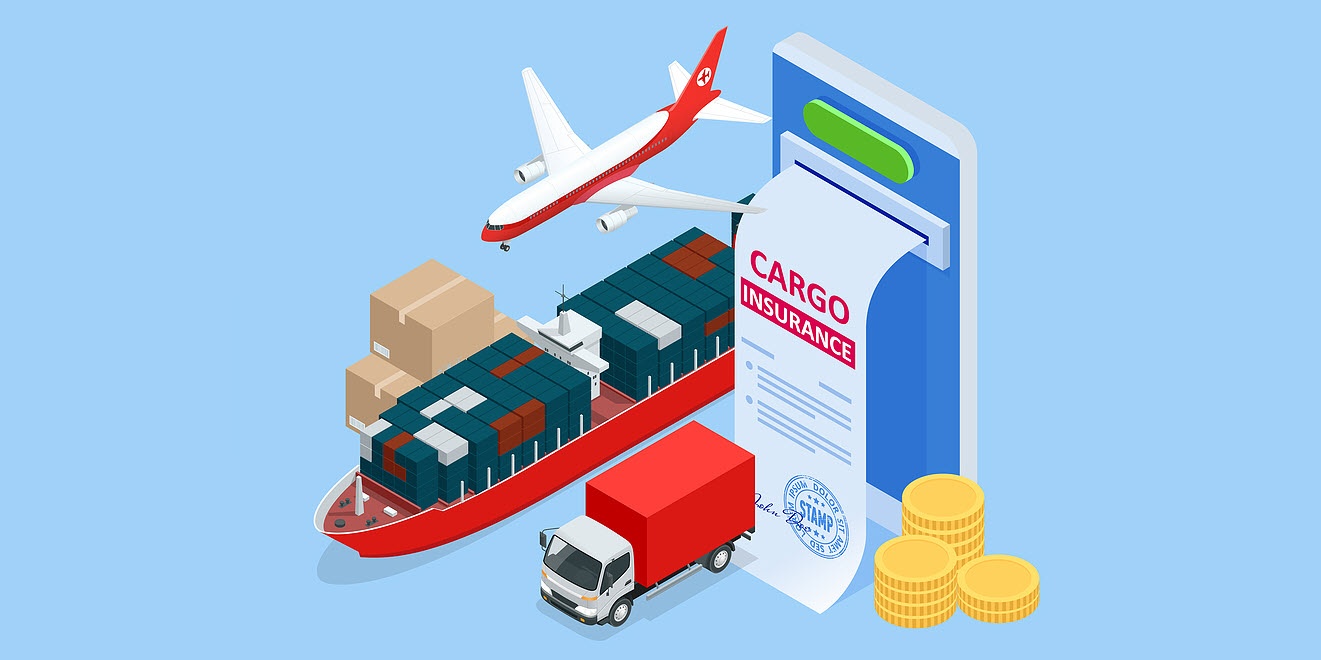
Cargo Insurance for Construction Material Suppliers: The Complete UK Guide
Why cargo insurance matters for construction material suppliers
If you supply construction materials, you’re not just moving “stock” from A to B—you’re moving time-critical, high-value goods that can stop a site if they don’t arrive in the right condition. A cracked pallet of tiles, water-damaged plasterboard, or stolen copper pipe doesn’t just create a replacement cost; it can trigger contractual disputes, delayed programmes, and strained relationships with contractors.
Cargo insurance (often called goods in transit insurance) is designed to protect your business financially when materials are lost, stolen, or damaged while being transported. For suppliers running their own vehicles, using couriers, or subcontracting haulage, it’s one of the most practical risk transfers you can buy.
What “cargo insurance” means in the UK (and how it differs from other covers)
In the UK, cargo insurance for suppliers usually sits under one of these:
-
Goods in Transit (GIT) insurance: Covers your goods while being carried in vehicles (your own or sometimes third-party). Often arranged as an annual policy.
-
Marine cargo insurance: Used when goods move internationally (sea/air/road), including imports of timber, steel, fixtures, or specialist components.
-
Haulage liability (carrier’s liability): Covers the carrier’s legal liability, not necessarily the full value of your goods.
A common (and costly) misunderstanding: your courier or haulier’s liability is not the same as your cargo being insured for full value. Many carriers operate under limited liability conventions and terms, which may pay only a small amount per kilo—far below replacement cost.
Who should consider cargo insurance (hint: most suppliers)
Cargo insurance is relevant if you supply:
-
Bricks, blocks, cement, mortar, plasterboard
-
Timber, sheet materials, plywood, MDF
-
Steel beams, rebar, structural components
-
Roofing materials, insulation, membranes
-
Pipes, valves, copper, cable trays, electrical goods
-
Kitchens, bathrooms, sanitaryware, tiles
-
Glass, glazing units, cladding panels
-
Aggregates, bagged materials, bulk deliveries
-
Specialist items: fire doors, lifts, HVAC units, prefabricated modules
If you deliver to sites, merchants, or direct-to-consumer (trade counters + delivery), you’re exposed.
What cargo insurance typically covers
While policy wording varies, a well-built cargo policy for construction material suppliers often covers:
1) Theft and attempted theft
2) Accidental damage in transit
-
Collision, overturning, harsh braking
-
Load shift due to inadequate restraint (sometimes restricted)
-
Forklift impact during loading/unloading (often a key add-on)
3) Fire and explosion
4) Weather and water damage (sometimes limited)
This is where details matter: some policies cover “all risks” (subject to exclusions), others are “named perils” only.
What’s often excluded (and catches suppliers out)
Cargo claims are frequently declined because of conditions, exclusions, or poor documentation. Watch for:
-
Unattended vehicle conditions: e.g., theft only covered if the vehicle is locked, alarmed, and left in a secure compound.
-
Overnight theft restrictions: some policies exclude theft between certain hours unless parked in a secure, locked building.
-
Inadequate packaging: plasterboard, tiles, glass, and sanitaryware often require specific packing standards.
-
Poor load restraint: steel, timber, and palletised goods must be strapped correctly.
-
Wear and tear / gradual deterioration: moisture absorption, rust, or warping over time.
-
Consequential loss: site delay costs, liquidated damages, loss of profit (usually excluded unless you have separate cover).
-
Wrong delivery / misdelivery: sometimes excluded unless you add “non-delivery” or “misdelivery” extensions.
-
Defective goods: product defects are not a transit risk.
Common claim scenarios for construction material suppliers
Here are realistic examples that show where cargo insurance helps—and where it doesn’t.
Scenario A: Theft of copper and cable from a flatbed
A driver stops at a service station. Thieves cut straps and remove copper pipe and cable drums.
-
Likely covered if unattended vehicle conditions are met and the stop is permitted.
-
Likely declined if the vehicle was left unlocked, or the policy excludes theft from open vehicles without additional security.
Scenario B: Water-damaged plasterboard after tarpaulin failure
A sudden downpour hits during delivery. The tarp tears, and plasterboard is soaked.
Scenario C: Tiles smashed during unloading
A forklift clips a pallet and tiles crack.
Scenario D: Steel beams shift and damage the vehicle and the load
The load shifts due to insufficient chains; beams bend and become unusable.
Scenario E: Wrong site delivery
Materials are delivered to the wrong address and cannot be recovered.
Key policy decisions: getting the cover right
Cargo insurance isn’t one-size-fits-all. The best policy is the one that matches your delivery reality.
1) Own vehicles vs hired-in haulage
-
Own vehicles: you control security, driver training, and procedures.
-
Subcontracted haulage: you need clarity on who is responsible at each stage. Even if the haulier has liability cover, it may not pay full value.
Many suppliers choose cargo insurance to protect their balance sheet regardless of who is at fault.
2) Basis of cover: “all risks” vs named perils
-
All risks: broader protection, still subject to exclusions and conditions.
-
Named perils: cheaper but can leave gaps (e.g., accidental damage during handling).
For fragile or high-value materials (tiles, glass, sanitaryware, specialist equipment), broader cover often makes sense.
3) Single vehicle limit and any one loss limit
Insurers will set:
If you deliver multiple pallets of high-value items (e.g., kitchens, cladding, copper), make sure the limit matches your peak loads.
4) Territorial limits
If you import materials (timber, fixtures, specialist components), consider marine cargo insurance for the international leg.
5) High-risk goods and special terms
Some construction materials are treated as theft-attractive:
-
Copper, cable, tools, generators
-
High-end bathroom/kitchen goods
-
Power tools and small plant
Expect higher premiums and stricter security requirements.
Risk management that reduces claims (and can reduce premiums)
Insurers love predictable operations. The following controls often improve terms:
-
Documented loading and securing procedures (strap types, edge protection, chain ratings)
-
Driver training and toolbox talks on theft hotspots and safe stops
-
Vehicle security: alarms, immobilisers, deadlocks, tracking
-
Secure parking: locked compounds, CCTV, lighting
-
Proof of delivery (POD): signed POD with time stamps and photos
-
Photographic evidence at dispatch and delivery
-
Packaging standards for fragile goods
-
Route planning to avoid high-theft areas and reduce overnight stops
Even simple changes—like mandatory photo POD—can reduce disputes and speed up claims.
How cargo insurance interacts with your other covers
Cargo insurance is part of a wider insurance picture. For construction suppliers, it often sits alongside:
-
Commercial motor insurance (vehicle damage and third-party liability)
-
Public liability (injury/property damage to third parties)
-
Employers’ liability (legal requirement if you have staff)
-
Product liability (damage/injury caused by supplied products)
-
Stock insurance (materials stored at your premises)
-
Business interruption (loss of income after insured damage at premises)
Important: motor insurance does not automatically cover the goods you’re carrying. That’s why cargo/GIT exists.
What insurers will ask you (and why it matters)
To quote accurately, insurers typically want:
-
What materials you carry (and any high-risk items)
-
Average and maximum load values
-
Vehicle types (vans, flatbeds, HIABs, artics)
-
Security features (tracking, alarms, immobilisers)
-
Overnight parking arrangements
-
Driver experience and claims history
-
Delivery radius and territories
-
Packaging and load restraint methods
-
Whether you use subcontractors/couriers
Being precise here helps avoid underinsurance and claim disputes.
Claims: what to do when something goes wrong
When a loss happens, speed and evidence matter.
-
Make the situation safe (especially on live sites/roads).
-
Notify police immediately for theft/robbery and obtain a crime reference number.
-
Take photos: vehicle, locks, damage, packaging, load restraint, location.
-
Preserve evidence: straps, broken seals, CCTV where possible.
-
Gather documents: delivery note, invoice, POD, driver logs, route details.
-
Notify your broker/insurer as soon as possible.
A strong paper trail often turns a borderline claim into a paid claim.
Choosing the right policy: a practical checklist
Before you buy, sanity-check the policy against your real-world operations:
-
Does it cover loading/unloading and handling damage?
-
Are unattended vehicle conditions realistic for your drivers?
-
Is overnight theft covered (and under what security requirements)?
-
Are your highest-value loads within the any one vehicle limit?
-
Are fragile goods (glass/tiles/sanitaryware) included?
-
Does it cover subcontracted haulage or only your own vehicles?
-
Is misdelivery/non-delivery covered if that’s a real exposure?
-
Are you covered for imports/exports if you source internationally?
FAQs: cargo insurance for construction material suppliers
Is cargo insurance legally required in the UK?
No—cargo insurance isn’t legally required in the same way as motor insurance. But it’s often commercially essential, especially if your contracts require you to be responsible for goods until delivery.
Does the haulier’s insurance cover my materials?
Not always. Many carriers have limited liability that may not match the replacement value of your goods. Cargo insurance is designed to protect your financial exposure.
Does goods in transit cover theft from an open vehicle?
Sometimes, but often with strict conditions (extra security, no unattended stops, specific parking rules). Always check the wording if you use flatbeds or curtain-siders.
Are materials covered while stored on a site?
Usually not under standard cargo/GIT. Once delivered, you may need site storage cover, contract works insurance, or the customer’s insurance to respond—depending on contract terms.
What if goods are damaged because of poor packaging?
Insurers may decline claims where packaging is inadequate. For fragile goods, documented packing standards and training are key.
Can I insure high-value loads like cladding panels or prefabricated modules?
Yes, but you’ll need accurate maximum values, specialist handling procedures, and sometimes bespoke terms.
Call to action
If you supply construction materials and rely on deliveries to keep projects moving, cargo insurance is one of the simplest ways to protect cash flow and customer relationships when the unexpected happens.
If you want, tell me:
-
the main materials you deliver,
-
your max load value,
-
whether you use your own vehicles or subcontractors,
…and I can help you shape the ideal cover checklist and the key questions to ask your broker/insurer.


 My Account