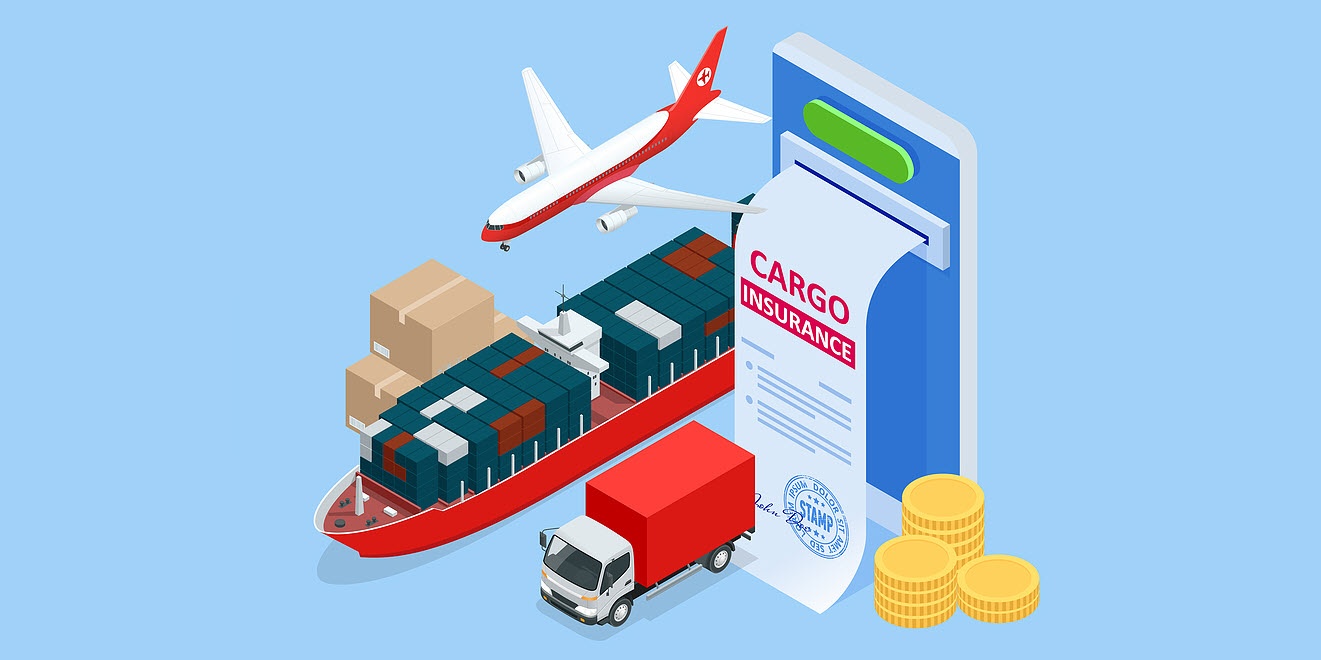
Cargo Insurance for China-UK Trade: Risks & Coverage
Introduction
In today's globalised economy, international trade between China and the UK represents a significant portion of business activity. With goods constantly crossing oceans and borders, protecting your cargo becomes paramount. This comprehensive guide explores the essential aspects of cargo insurance for China-UK trade, helping businesses understand their risks and coverage options.
Understanding Cargo Insurance
What is Cargo Insurance?
Cargo insurance is a specialised form of insurance designed to protect goods during transit. It covers physical loss or damage to goods while they're being transported by sea, air, rail, or road. For China-UK trade, this typically involves marine cargo insurance, though other transport modes may be relevant depending on your supply chain.
Why is Cargo Insurance Essential?
Trading between China and the UK involves long-distance transportation, often across multiple modes of transport. The journey presents numerous risks:
-
Damage from rough seas or adverse weather conditions
-
Theft or pilferage during transit
-
Accidents involving transport vehicles
-
Improper handling by carriers
-
Delays and associated costs
Without proper insurance, businesses face significant financial risks when goods are damaged or lost during transit.
Key Risks in China-UK Trade
Maritime Risks
The majority of China-UK trade moves by sea, exposing cargo to various maritime risks:
-
Vessel Damage: Collisions, grounding, or structural failures
-
Weather Damage: Storms, high seas, and rough weather conditions
-
Fire and Explosion: Risks inherent in marine transport
-
Piracy: Though less common in modern times, still a consideration in certain regions
-
Container Damage: Structural failures or improper securing
Land Transport Risks
Once cargo reaches port, it typically moves by road or rail:
-
Vehicle Accidents: Collisions or rollovers
-
Theft: Particularly in high-risk areas
-
Improper Handling: Damage during loading/unloading
-
Temperature Control Failures: For perishable goods
Customs and Regulatory Risks
-
Customs Delays: Extended storage periods increasing risk
-
Documentation Errors: Leading to delays or rejections
-
Regulatory Changes: Affecting cargo handling or storage
Types of Cargo Insurance Coverage
Marine Cargo Insurance
The most common form of cargo insurance for China-UK trade, marine cargo insurance typically comes in three main types:
-
Institute Cargo Clauses A (All Risks)
-
Broadest coverage available
-
Covers all risks of physical loss or damage
-
Excludes only specifically listed exceptions
-
Ideal for high-value or sensitive goods
-
Institute Cargo Clauses B (Broad Form)
-
Institute Cargo Clauses C (Basic Form)
Additional Coverage Options
-
War and Strike Risks: Additional coverage for political risks
-
Delay in Transit: Coverage for losses due to delays
-
Warehouse-to-Warehouse: Coverage from origin to final destination
-
Inland Transit: Coverage during land transport portions
Coverage Limits and Deductibles
Determining Coverage Limits
When setting coverage limits, consider:
-
Cargo Value: Full replacement cost plus duties and taxes
-
Profit Margin: Include potential lost profits
-
Shipping Costs: Include freight and handling charges
-
Additional Expenses: Consider potential storage or reshipment costs
Understanding Deductibles
Deductibles vary by policy but typically range from 2% to 5% of the cargo value. Higher deductibles usually result in lower premiums but increase your financial exposure.
Claims Process
Documentation Requirements
To successfully file a claim, maintain:
-
Commercial Invoice: Detailed description and value of goods
-
Bill of Lading: Proof of shipment and condition
-
Packing List: Detailed contents and packaging
-
Survey Reports: Damage assessments by independent surveyors
-
Correspondence: Communication with carriers and insurers
Claim Timeline
The typical claims process involves:
-
Notification: Immediate notification of loss or damage
-
Investigation: Carrier and insurer assessment
-
Documentation: Submission of required paperwork
-
Evaluation: Claim assessment and negotiation
-
Settlement: Final payment or rejection
Risk Management Strategies
Packaging and Handling
-
Proper Packaging: Appropriate materials for cargo type
-
Secure Containers: Properly sealed and secured
-
Clear Labeling: Proper handling instructions
-
Temperature Control: For sensitive goods
Transportation Selection
-
Carrier Selection: Choose reputable carriers with good safety records
-
Route Planning: Consider safer, more direct routes
-
Tracking Systems: Use modern tracking technology
-
Insurance Requirements: Verify carrier's insurance coverage
Documentation Management
-
Digital Records: Maintain electronic copies of all documents
-
Regular Audits: Review and update documentation procedures
-
Training: Ensure staff understand documentation requirements
-
Verification: Double-check all information before shipping
Cost Considerations
Premium Factors
Several factors influence insurance premiums:
-
Cargo Value: Higher value goods typically cost more to insure
-
Route Risk: More dangerous routes increase premiums
-
Transport Mode: Different modes have varying risk profiles
-
Claims History: Previous claims affect premium rates
-
Coverage Type: More comprehensive coverage costs more
Cost-Saving Strategies
-
Annual Policies: Often cheaper than per-shipment coverage
-
Deductible Adjustment: Higher deductibles reduce premiums
-
Risk Management: Implement safety measures to reduce claims
-
Volume Discounts: Negotiate better rates for regular shippers
Industry-Specific Considerations
Electronics and Technology
-
High Value: Often requires specialised coverage
-
Sensitive Equipment: Needs careful handling and packaging
-
Anti-Static Measures: Required during transport
-
Temperature Control: Critical for some components
Textiles and Clothing
-
Volume Shipping: Often involves large quantities
-
Seasonal Risks: Fashion industry timing concerns
-
Moisture Protection: Critical for fabric preservation
-
Handling Requirements: Specific packaging needs
Food and Beverages
-
Temperature Control: Essential for perishables
-
Short Shelf Life: Time-sensitive shipments
-
Contamination Risks: Food safety concerns
-
Regulatory Requirements: Compliance documentation
Machinery and Equipment
-
Heavy Goods: Special handling requirements
-
Delicate Parts: Sensitive to vibration and shock
-
Installation Costs: May need coverage for installation
-
Technical Documentation: Required for proper handling
Regulatory Compliance
UK Regulations
-
Import Documentation: Required paperwork and declarations
-
Customs Requirements: Proper classification and valuation
-
Safety Standards: Compliance with UK regulations
-
Insurance Requirements: Mandatory coverage levels
Chinese Regulations
-
Export Documentation: Required Chinese paperwork
-
Quality Standards: Compliance with Chinese regulations
-
Customs Requirements: Chinese export procedures
-
Insurance Requirements: Chinese export insurance needs
Future Trends and Considerations
Digital Transformation
-
Electronic Documentation: Increasing use of digital records
-
Blockchain Technology: Improving supply chain transparency
-
IoT Sensors: Real-time cargo monitoring
-
Automated Claims Processing: Faster claim resolution
Sustainability Considerations
-
Green Shipping: Environmental impact considerations
-
Sustainable Packaging: Eco-friendly materials
-
Carbon Footprint: Consideration in route planning
-
Regulatory Changes: Evolving environmental standards
Conclusion
Cargo insurance remains a critical component of successful China-UK trade operations. By understanding the risks, coverage options, and best practices outlined in this guide, businesses can better protect their international shipments and ensure smooth trading operations.
Remember that cargo insurance needs vary by business and shipment type. Regular review of your insurance coverage and risk management practices helps ensure adequate protection for your valuable cargo.
Frequently Asked Questions
What is the difference between marine cargo insurance and regular cargo insurance?
Marine cargo insurance specifically covers goods transported by sea, while regular cargo insurance can cover goods transported by any mode. Marine cargo insurance includes specific provisions for maritime risks like vessel damage and piracy.
How long does cargo insurance coverage last?
Coverage typically begins when goods are loaded onto the transport vehicle and ends when they are unloaded at the final destination. Some policies include warehouse-to-warehouse coverage, extending protection from the point of origin to the final destination.
Can I insure goods during storage?
Yes, most cargo insurance policies include coverage during reasonable storage periods at both origin and destination. However, extended storage periods may require additional coverage.
What happens if my cargo is damaged during transit?
Contact your insurance provider immediately. They will guide you through the claims process, which typically involves inspection, documentation, and assessment of the damage.
How much cargo insurance do I need?
Coverage should include the full replacement value of the goods, plus shipping costs, duties, and taxes. Consider including potential profit margins and additional expenses in your coverage calculation.
Is cargo insurance mandatory for China-UK trade?
While not legally required, cargo insurance is highly recommended as it protects your business from significant financial losses. Many shipping contracts require proof of insurance.
How long does it take to process a cargo insurance claim?
The timeline varies but typically ranges from 30 to 90 days, depending on the complexity of the claim and required documentation.
Can I get insurance for specific risks only?
Yes, most insurers offer customisable policies allowing you to select specific coverage options based on your needs and risk profile.
What documentation is needed for cargo insurance?
Required documents typically include commercial invoices, bills of lading, packing lists, and any relevant survey reports or correspondence.
How can I reduce my cargo insurance premiums?
Consider implementing risk management measures, maintaining good claims history, choosing safer routes, using proper packaging, and working with reputable carriers.
This content is provided for informational purposes only and does not constitute insurance advice. Always consult with a qualified insurance professional for specific guidance regarding your cargo insurance needs.


 My Account