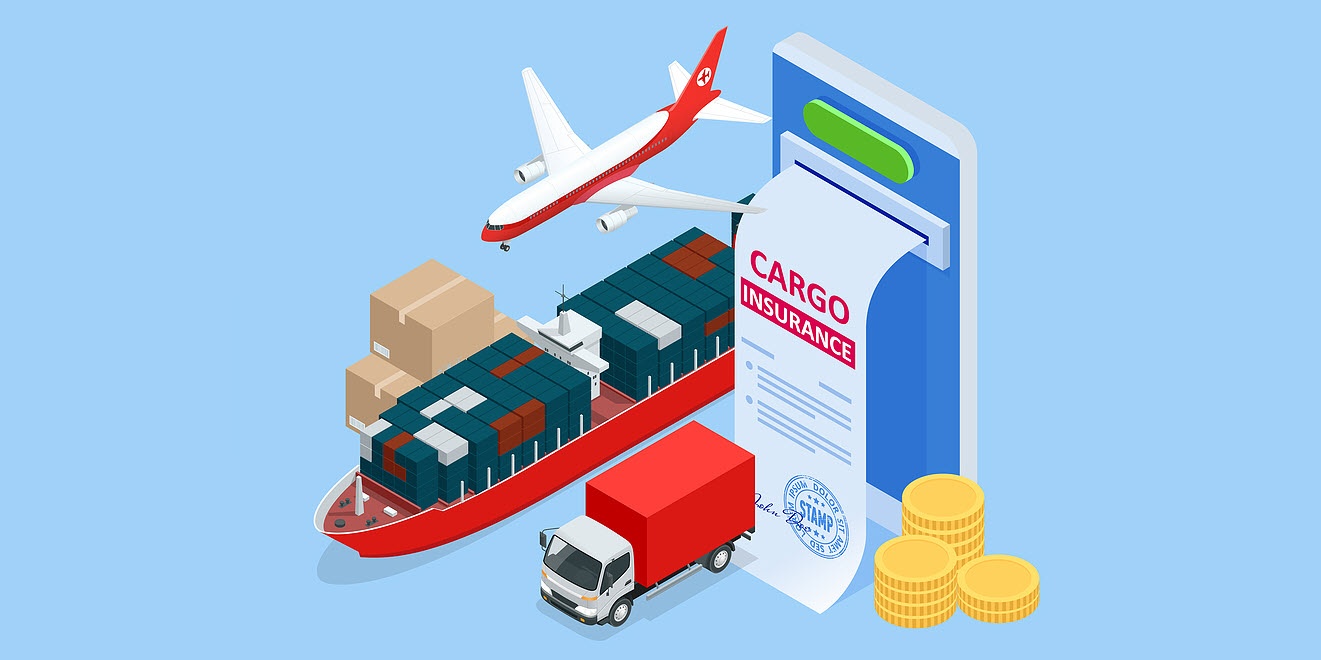
Cargo Insurance for Automotive Parts Importers: The Complete Guide (UK)
Importing automotive parts is a high-volume, high-velocity business. Whether you’re bringing in OEM components, aftermarket spares, EV batteries, body panels, or specialist electronics, your margins often depend on reliable delivery and predictable costs.
But international shipping is full of variables you can’t control: rough handling, container damage, theft, water ingress, delays, and paperwork errors. That’s where cargo insurance comes in.
This guide explains what cargo insurance is, what it covers, where importers get caught out, and how to choose the right policy—especially if you’re importing into the UK.
What is cargo insurance?
Cargo insurance (also called marine cargo insurance) protects goods while they’re being transported. Despite the name, it covers more than sea freight. Depending on the policy, it can cover:
-
Sea freight (containers, RoRo, breakbulk)
-
Air freight
-
Road haulage (including UK and EU legs)
-
Rail freight
-
Multimodal shipments (e.g., factory to port to UK warehouse)
Cargo insurance is designed to protect the value of your goods if they’re lost, stolen, or damaged during transit.
Why automotive parts importers face unique cargo risks
Automotive parts are a magnet for claims because they combine high value with high handling frequency.
Common risk factors include:
-
High theft attractiveness: ECUs, catalytic converters, sensors, infotainment units, and performance parts are easy to resell.
-
Fragility and hidden damage: Electronics can be damaged by moisture, shock, or static without obvious external signs.
-
Heavy and awkward items: Engines, gearboxes, body panels, and pallets increase the risk of forklift damage.
-
Time sensitivity: Delays can trigger contractual penalties or lost sales (especially for just-in-time supply chains).
-
Compliance and documentation: Incorrect commodity codes, packaging declarations, or Incoterms can complicate claims.
If you import regularly, one uninsured loss can wipe out months of profit.
Cargo insurance vs carrier liability: what’s the difference?
Many importers assume the shipping line or courier will “cover it.” In reality, carrier liability is limited and often inadequate.
Carrier liability:
-
Is not the same as insurance
-
Typically pays only up to a capped amount per kg or per package
-
May exclude certain causes of loss
-
Often requires strict evidence and time limits
Cargo insurance is designed to cover the full insured value (subject to policy terms) and is usually broader than carrier liability.
What does cargo insurance typically cover?
Coverage depends on the policy wording, but you’ll usually see one of these levels:
1) All Risks (Institute Cargo Clauses A)
Often the broadest option. Covers most accidental loss or damage unless specifically excluded.
2) Named Perils (Institute Cargo Clauses B or C)
Covers only listed events (e.g., fire, explosion, vessel grounding, collision). Cheaper, but more gaps.
3) Total Loss only
Covers only complete loss of the shipment (rarely suitable for parts importers).
For automotive parts importers, All Risks is commonly the best fit—especially for mixed loads.
Common causes of cargo claims for automotive parts
Here are the claim scenarios we see most often in the sector:
-
Theft from container or trailer (including “curtain slash” theft)
-
Water damage from condensation (“container rain”), leaks, or flooding
-
Impact damage from forklift handling or poor stowage
-
Crushing of boxed components due to stacking
-
Shortage (missing cartons, miscounts, partial delivery)
-
General average contributions after a major maritime incident
-
Contamination (e.g., oils/chemicals affecting packaging or parts)
Key exclusions that catch importers out
Even “All Risks” policies have exclusions. The most common ones to watch:
-
Inadequate packaging (if goods weren’t packed to withstand normal transit)
-
Inherent vice (e.g., corrosion due to the nature of the goods)
-
Delay (financial losses caused by late delivery are often excluded)
-
Wear and tear
-
War and strikes (often available as add-ons)
-
Cyber or electronic data issues (relevant for high-tech components)
-
Unseaworthiness or known defects (if you ship with knowledge of issues)
The practical takeaway: the policy needs to match your real-world shipping conditions, not just your ideal conditions.
Understanding Incoterms: who should insure the shipment?
Incoterms define who is responsible for risk at each stage of the journey. Two importers can buy the same goods but have totally different insurance responsibilities.
Examples:
-
EXW (Ex Works): Buyer takes risk from the seller’s premises. You may need cover from day one.
-
FOB (Free On Board): Risk transfers when goods are loaded onto the vessel.
-
CIF (Cost, Insurance and Freight): Seller arranges insurance, but you should check the quality and limits.
-
DAP/DDP: Seller bears more risk to destination, but you still need to confirm what happens if there’s a dispute.
If you rely on the supplier’s insurance (common under CIF), make sure you know:
-
What clause level is used (A/B/C)
-
The insured value and any sub-limits
-
How claims are handled and who controls the process
Single shipment vs annual open cover: what’s best?
Single shipment policy
Good for occasional importers or one-off high-value shipments.
Annual open cover (floating policy)
Better for regular importers. Advantages include:
-
Automatic cover for declared shipments
-
Consistent terms across suppliers and routes
-
Faster claims handling
-
Often better value for frequent shipping
If you import weekly or monthly, an annual open cover is usually more efficient.
How much should you insure for?
Most cargo policies insure on a “CIF + uplift” basis (often 10%). That means:
For automotive parts, consider whether you also need to include:
Underinsuring is a common mistake and can trigger average clauses that reduce payouts.
Special considerations: EV batteries, electronics, and hazardous goods
If you import lithium-ion batteries, EV modules, or hazardous chemicals (e.g., certain aerosols or adhesives), you may need:
-
Specific underwriting approval
-
Confirmed compliance with packing and labelling regulations
-
Higher security requirements
-
Restrictions on routes or carriers
Similarly, high-value electronics may require:
Tell your broker exactly what you’re shipping—“car parts” is often too vague.
Security and risk management: what insurers like to see
Better risk management can reduce premiums and make claims smoother.
Best practices include:
-
Strong packaging: shock-absorbing materials, moisture barriers, corner protection
-
Container checks: photos of container condition, seal numbers recorded
-
Pallet control: stretch wrap, strapping, and clear carton counts
-
Route planning: avoid high-theft rest areas for road legs
-
Approved carriers: reputable forwarders with clear liability terms
-
Documentation discipline: invoices, packing lists, bills of lading, and delivery notes kept in order
Claims: what to do if parts arrive damaged or missing
Claims go faster when you act immediately.
If you find damage or shortage:
-
Record everything: photos, videos, packaging condition, seal numbers
-
Note it on the delivery receipt: don’t sign “received in good condition” if it isn’t
-
Notify the carrier and insurer quickly: time limits can be strict
-
Preserve evidence: keep packaging and damaged goods for inspection
-
Get a survey: insurers may appoint a surveyor to assess the loss
A good broker will guide you through the process and help you avoid common claim pitfalls.
How cargo insurance fits with your wider insurance programme
Cargo insurance is one piece of the puzzle. Importers often also need:
-
Stock insurance (for goods once they’re in your warehouse)
-
Goods in transit (UK) (for domestic deliveries to customers)
-
Product liability (especially if you supply parts into the UK market)
-
Employers’ liability (if you have staff)
-
Commercial combined (property, business interruption, liability)
-
Cyber insurance (if you rely on online ordering, EDI, or customer portals)
The handover points matter: when does cargo cover end and stock cover begin? Make sure there are no gaps.
Choosing the right cargo insurance: a quick checklist
When comparing quotes, ask these questions:
-
What clause level is provided (A/B/C)?
-
Is it warehouse-to-warehouse or port-to-port?
-
Are theft and non-delivery covered?
-
Are there exclusions for packaging, moisture, or electronics?
-
What are the security requirements for high-value loads?
-
Are war and strikes included or optional?
-
What is the excess per claim?
-
Are there any sub-limits for specific parts (e.g., ECUs, catalytic converters)?
-
How are claims handled and how quickly are payments made?
FAQs: Cargo insurance for automotive parts importers
Do I need cargo insurance if my forwarder offers “cover”?
Forwarders may offer limited cover or arrange insurance, but you should confirm the clause level, insured value, and who controls the claim.
Does cargo insurance cover theft?
Often yes, especially under All Risks, but terms vary and security requirements may apply.
Does cargo insurance cover delays?
Usually not. Delay-related financial losses are commonly excluded unless you buy specialist cover.
What is “general average” and why does it matter?
General average is a maritime principle where all cargo owners share the cost of a major incident (e.g., fire). Cargo insurance typically covers your contribution.
Is air freight safer than sea freight?
Air can reduce time in transit, but it still involves handling, storage, and road legs. The “safest” option depends on route, packaging, and security.
Can I insure mixed shipments with different parts?
Yes. Many policies cover mixed consignments, but you should declare the nature and value of goods accurately.
Final thoughts: protect your margins, protect your supply chain
If you import automotive parts, cargo insurance isn’t just a “nice to have.” It’s a practical way to protect cash flow, keep customer commitments, and avoid a single incident turning into a major financial hit.
If you’d like, I can help you structure a cargo insurance brief for your broker (routes, Incoterms, values, and goods list) so you get accurate terms and fewer surprises at claim time.
Need a quote or advice? Speak to a specialist who understands importer risk, high-theft goods, and UK compliance—so you can keep parts moving and customers happy.


 My Account