

 My Account

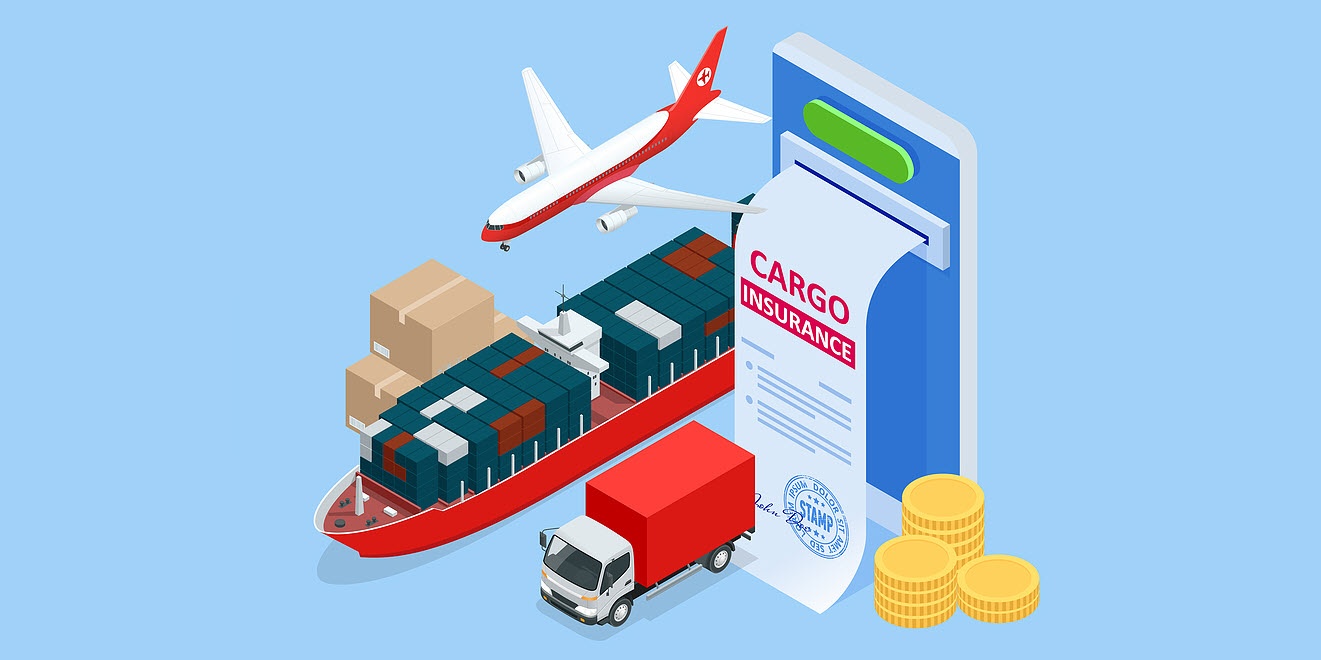
When it comes to protecting your v…
Cargo Insurance Claims Process: Step-by-Step Guide
Cargo insurance claims can be complex and time-consuming, but understanding the process can help you protect your business and ensure smooth handling of claims. This comprehensive guide will walk you through each step of the cargo insurance claims process, from initial notification to final settlement.
Understanding Cargo Insurance Claims
Cargo insurance claims arise when goods being transported suffer damage, loss, or theft. The claims process involves several key steps that must be followed carefully to ensure a successful outcome. Whether you're dealing with damaged goods, lost shipments, or theft during transit, understanding the claims process is crucial for protecting your business interests.
Types of Cargo Insurance Claims
Before diving into the claims process, it's important to understand the different types of cargo insurance claims:
- Physical damage to goods during transit
- Total loss of shipment
- Partial loss or damage
- Theft or pilferage
- Contamination or spoilage
- Weather-related damage
- Third-party liability claims
Step 1: Initial Notification
The first and most crucial step in the cargo insurance claims process is immediate notification. As soon as you discover damage, loss, or theft of your cargo, you must inform both your insurance provider and the relevant authorities.
Key Elements of Initial Notification
When making your initial notification, include:
- Policy number and insured's details
- Nature and extent of the loss or damage
- Date and location of the incident
- Value of the affected cargo
- Any immediate actions taken to prevent further damage
- Contact information for all parties involved
Step 2: Documentation and Evidence Collection
Thorough documentation is essential for a successful cargo insurance claim. This step involves gathering and preserving all relevant evidence and documentation.
Essential Documentation
Collect and preserve the following documents:
- Bill of lading or shipping documents
- Packing lists and inventory records
- Photographs or videos of damaged goods
- Carrier's inspection reports
- Police reports (if applicable)
- Survey reports from independent assessors
- Correspondence with carriers and other parties
Step 3: Claims Investigation
Once the initial notification is made and documentation is collected, the insurance company will begin its investigation. This step is crucial for determining the validity of the claim and the extent of coverage.
Investigation Process
The investigation typically includes:
- Review of policy terms and conditions
- Assessment of the cause of loss or damage
- Verification of documentation and evidence
- Inspection of damaged goods (if applicable)
- Review of carrier's liability
- Determination of coverage applicability
Step 4: Claims Assessment
After completing the investigation, the insurance company will assess the claim and determine the amount of compensation.
Assessment Factors
The assessment considers:
- Policy coverage limits and exclusions
- Actual value of damaged/lost goods
- Depreciation and wear and tear
- Salvage value of damaged goods
- Applicable deductibles
- Currency fluctuations (for international shipments)
Step 5: Settlement Negotiation
Once the assessment is complete, the insurance company will present their settlement offer. This step often involves negotiation between the insured and the insurer.
Negotiation Strategies
To ensure a fair settlement:
- Review the settlement offer carefully
- Compare with your own assessment
- Provide additional evidence if needed
- Consider seeking professional advice
- Document all communications
Step 6: Final Settlement
The final step in the claims process is the settlement and payment. Once an agreement is reached, the insurance company will process the payment according to the terms of the policy.
Settlement Considerations
Important aspects of the settlement:
- Payment method and timeline
- Tax implications
- Subrogation rights
- Release of liability
- Documentation requirements
Common Challenges in Cargo Insurance Claims
Understanding potential challenges can help you prepare for and overcome them during the claims process.
Typical Challenges
- Documentation disputes
- Coverage exclusions
- Delayed reporting
- Carrier liability issues
- Valuation disagreements
- Multiple party involvement
Best Practices for Smooth Claims Processing
To ensure a smooth claims process, follow these best practices:
Preparation
- Maintain detailed records of all shipments
- Regularly review and update insurance coverage
- Train staff on claims procedures
- Establish relationships with reliable carriers
- Document all communications
Conclusion
The cargo insurance claims process can be complex, but understanding each step and being prepared can significantly improve your chances of a successful outcome. Remember to act promptly, maintain thorough documentation, and work closely with your insurance provider throughout the process.
Frequently Asked Questions
How long does the cargo insurance claims process typically take?
The duration varies depending on the complexity of the claim, but most claims are processed within 30-60 days.
What happens if my claim is denied?
If your claim is denied, you can appeal the decision or seek legal advice. Many insurers have formal appeal processes.
Can I claim for consequential losses?
Some policies include coverage for consequential losses, but this varies by policy. Check your coverage carefully.
How do I prevent cargo insurance claims?
Implement proper packaging, choose reliable carriers, and maintain detailed documentation of all shipments.
What documentation is most important for a successful claim?
The most important documents are the bill of lading, packing lists, photographs of damage, and carrier inspection reports.