

 My Account

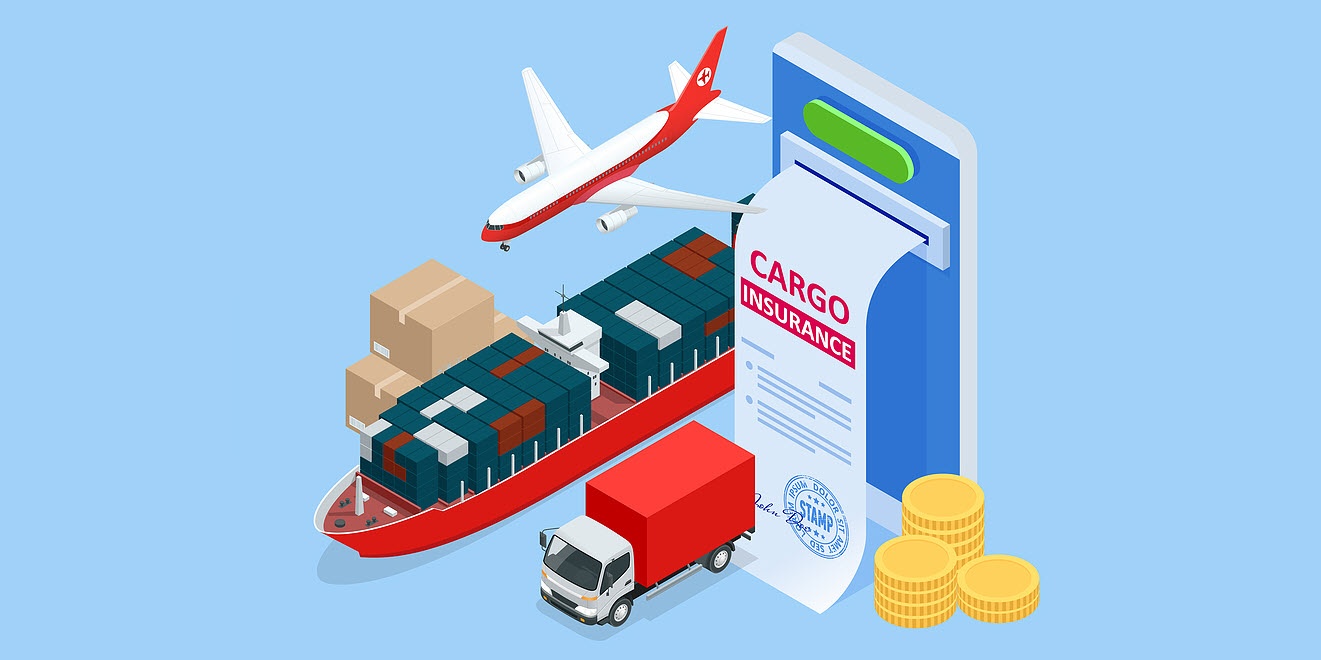
When it comes to protecting your v…
Bulk Cargo Insurance (Commodities & Raw Materials): What It Covers, Who Needs It, and How to Avoid Costly Claims
Bulk cargo keeps modern supply chains moving — from grain and animal feed to coal, aggregates, scrap metal, fertiliser, sugar, and industrial powders. But when commodities and raw materials are shipped in bulk, the risks change. You’re not protecting individual cartons; you’re protecting a large volume of product that can be damaged by moisture, contamination, handling errors, delays, and even small documentation mistakes.
Bulk cargo insurance (often arranged as part of a marine cargo insurance policy) helps protect importers, exporters, traders, manufacturers, and logistics businesses against the financial impact of loss or damage in transit. In this guide, we’ll break down what bulk cargo insurance covers, what it typically excludes, and how UK businesses can reduce claims and secure the right protection.
What is bulk cargo (and why is it higher risk than you think)?
Bulk cargo is cargo shipped unpackaged in large quantities, usually loaded directly into a ship’s hold, tanker, rail wagons, or tipper vehicles. It generally falls into two categories:
- Dry bulk: grain, rice, sugar, salt, coal, coke, iron ore, aggregates, cement, fertiliser, animal feed, scrap metal, wood pellets, powders, minerals.
- Liquid bulk: oils, chemicals, molasses, liquid fertiliser, fuels, wine/spirits in bulk, industrial liquids.
Bulk shipments can be more exposed because the product is often in direct contact with the transport environment. A small issue — a damp hold, residue from a previous cargo, a torn hatch cover seal, or poor sampling — can affect a huge percentage of the load.
Bulk cargo is also frequently traded under strict contract terms (for example, GAFTA or FOSFA contracts in agricultural commodities). That means quality disputes and documentation issues can become as costly as physical damage.
What is bulk cargo insurance?
Bulk cargo insurance is typically arranged as a form of marine cargo insurance that covers commodities and raw materials while they are in transit. Depending on how your business operates, it may cover:
- Shipments by sea, road, rail, and inland waterways
- Imports, exports, and domestic UK movements
- Single shipments (one-off cover) or annual/open cover for regular trading
- Warehouse-to-warehouse transit (including loading/unloading and temporary storage)
The goal is simple: if your bulk cargo is lost or damaged due to an insured event, the policy helps pay the value of the goods (and sometimes additional costs) so your business isn’t left absorbing the full loss.
Who needs bulk cargo insurance?
If your business buys, sells, ships, stores, or finances commodities and raw materials, bulk cargo insurance is worth considering. Common buyers include:
- Importers and exporters of commodities and raw materials
- Commodity traders (including agricultural and industrial commodities)
- Manufacturers relying on raw material inputs (metals, powders, chemicals, aggregates)
- Construction and civil engineering supply chains (aggregates, cement, asphalt materials)
- Food and feed businesses (grain, animal feed, sugar, edible oils)
- Energy and industrial firms (coal, coke, fuels, industrial liquids)
- Logistics providers who contractually take responsibility for cargo risk
Even if your supplier or freight forwarder “has insurance”, it may not protect you the way you assume. Carrier liability is often limited by international conventions and may not cover the full value of your goods — especially for high-value commodities or quality-related losses.
Bulk cargo insurance vs carrier liability: why “the haulier is insured” isn’t enough
A common misconception is that if a carrier is liable, you’ll be reimbursed for the full loss. In reality:
- Carrier liability is limited (often by weight, package count, or specific conventions).
- Not every loss is the carrier’s fault (weather, inherent vice, condensation, contamination from cargo characteristics).
- Proving liability can be slow, especially across borders and multiple subcontractors.
- Quality disputes may not be covered under liability regimes.
Bulk cargo insurance is designed to protect your financial interest in the goods — not just assign blame.
What does bulk cargo insurance typically cover?
Coverage depends on the policy wording and the level of cover chosen. Many marine cargo policies are based on Institute Cargo Clauses (A), (B), or (C), plus additional clauses. In plain English:
1) Physical loss or damage in transit
This can include loss or damage caused by events such as:
- Collision, grounding, sinking, fire, explosion
- Overturning or derailment of land transport
- Heavy weather damage (depending on terms)
- Accidental damage during loading/unloading
- Theft (more relevant for some bulk types than others)
2) Water damage, moisture, and condensation (subject to terms)
Moisture is one of the biggest bulk cargo risks. Depending on the wording, cover may respond to damage caused by:
- Seawater ingress due to a fortuitous event
- Freshwater damage
- Condensation (“sweat”) in holds or containers
However, insurers will pay close attention to ventilation practices, hold condition, and whether the damage is due to an insured peril versus inherent characteristics of the cargo.
3) General Average and salvage
If a vessel declares General Average (GA), cargo interests may be required to contribute to the cost of saving the voyage (for example, after a fire or grounding). Bulk cargo insurance can cover your GA contribution and related costs, which can be substantial and time-sensitive.
4) Debris removal and mitigation costs (where included)
Some policies can include costs associated with mitigating loss, such as reasonable expenses to protect the cargo, survey fees, or reconditioning (subject to policy terms).
Common bulk cargo claims (real-world scenarios)
Bulk cargo claims often look different from packaged goods claims. Here are common examples:
- Wet damage to grain or animal feed due to seawater ingress from hatch cover failure.
- Condensation damage (“cargo sweat”) causing mould growth or caking in powders and pellets.
- Contamination from residues of previous cargo in a hold, tank, or vehicle.
- Heating/self-heating in certain commodities (e.g., some organic materials) leading to quality deterioration.
- Spillage during loading/unloading due to equipment failure or operator error.
- Shortage claims where delivered weight is less than shipped weight (and disputes arise over measurement accuracy, sampling, and tolerances).
- Delay-related deterioration where time-sensitive cargo degrades due to port congestion or route disruption (often tricky and dependent on wording).
The key takeaway: bulk cargo losses are often a mix of physical damage, quality impact, and contractual dispute — which is why the right policy wording matters.
What is usually excluded (and where businesses get caught out)
Every insurer and policy differs, but common exclusions and limitations can include:
- Inherent vice / nature of the goods: natural shrinkage, evaporation, heating, spontaneous combustion, or deterioration that happens without an insured event.
- Ordinary leakage, ordinary loss in weight/volume: particularly relevant for liquid bulk and some dry bulk.
- Insufficient packing/preparation: while bulk isn’t “packed”, preparation still matters (e.g., suitability of holds/tanks, cleanliness, sealing, lining, dunnage).
- Unseaworthiness or unfitness of vessel/vehicle, especially if known or should have been known.
- Delay (often excluded unless specifically bought back).
- War, strikes, riots, civil commotion (often excluded unless added).
- Quality disputes without physical damage (depends heavily on wording and evidence).
For commodities, the difference between “damage” and “quality deterioration” can be the difference between a paid claim and a declined claim. That’s why it’s important to align insurance with your trade terms and your commodity’s risk profile.
Key factors that affect bulk cargo insurance premiums
Insurers price bulk cargo risk based on the likelihood and severity of loss. Common rating factors include:
- Commodity type: moisture-sensitive goods (grain, powders), contamination-sensitive goods (food/feed), hazardous liquids, etc.
- Route and geography: weather exposure, piracy risk, port congestion, political risk.
- Mode of transport: sea vs road/rail; bulk vessel vs containerised; tankers vs intermediate storage.
- Packaging/handling method: grabs, conveyors, pneumatic discharge, tipping, tank pumping.
- Loss history: previous claims and risk management improvements.
- Contract terms: Incoterms (FOB, CIF, DAP etc.), GAFTA/FOSFA clauses, and who holds the risk at each stage.
- Limits and deductibles: higher limits and lower excess generally increase premium.
A broker can help present your risk well to insurers — including your controls, survey practices, and quality management — which can make a meaningful difference.
Bulk cargo risk management: how to reduce losses and strengthen claims
Insurance is essential, but prevention is cheaper than claims. These practical steps can reduce losses and make claims easier to evidence:
1) Pre-shipment inspections and hold/tank cleanliness
- Use independent surveys where appropriate (especially for food/feed and contamination-sensitive cargo).
- Confirm hold cleanliness and dryness; document previous cargo and cleaning method.
- For liquids, verify tank condition, compatibility, and cleaning certificates.
2) Moisture management and ventilation
- Understand the cargo’s moisture sensitivity and safe carriage conditions.
- Use correct ventilation practices and record them.
- Monitor dew point and temperature differentials where relevant.
3) Sampling and quality documentation
- Agree sampling methods and tolerances in contracts.
- Keep clear chain-of-custody records for samples.
- Maintain lab results, certificates of analysis, and loading/discharge reports.
4) Accurate weights and measurement controls
- Use calibrated weighbridges and document measurement methods.
- Reconcile shipped vs delivered weights and investigate anomalies early.
5) Claims readiness
- Know who to notify (broker/insurer) immediately after an incident.
- Preserve evidence: photos, logs, seals, surveyor reports, and damaged samples.
- Mitigate loss where safe and reasonable, and keep records of costs.
How Incoterms affect who should insure bulk cargo
Incoterms define when risk transfers between buyer and seller. For bulk cargo, this is critical because a large portion of risk happens during loading, sea transit, and discharge.
For example:
- FOB (Free On Board): risk typically transfers to the buyer once goods are loaded on board the vessel.
- CIF (Cost, Insurance and Freight): seller arranges insurance (but the level of cover may be minimal unless specified).
- DAP/DPU/DDP: seller may carry risk further into the journey.
The practical point: don’t assume the other party’s insurance is “good enough”. If you have a financial interest in the cargo, you should confirm the insurance terms, limits, and clauses — or arrange your own cover.
Choosing the right policy: single shipment vs open cover
If you ship occasionally, a single shipment policy may be suitable. If you ship regularly, an open cover (annual marine cargo policy) can be more efficient and consistent.
- Single shipment: good for one-off imports/exports or unusual cargo.
- Open cover: designed for ongoing trade; can reduce admin and ensure consistent terms across shipments.
For commodity traders and manufacturers with frequent movements, open cover can also help avoid gaps when shipments move quickly or multiple parties are involved.
Bulk cargo insurance checklist (what your broker will ask)
To quote accurately, insurers typically need:
- Commodity type(s) and annual turnover/value shipped
- Typical shipment values and maximum single conveyance limit
- Routes (countries/ports), modes of transport, and storage points
- Incoterms and contractual responsibilities
- Loss history (claims, near misses, quality disputes)
- Risk controls (surveys, sampling, cleaning certificates, moisture management)
- Any special requirements (war/strikes, temperature control, stock throughput)
FAQs: Bulk cargo insurance (commodities & raw materials)
Does bulk cargo insurance cover contamination?
It can, but it depends on the cause and the wording. Contamination from an insured event (for example, seawater ingress) may be covered. Contamination due to poor preparation, unclean holds, or inherent vice may be excluded. Evidence (surveys, cleaning records, sampling) is often decisive.
Is condensation (“sweat”) covered?
Sometimes — but it’s one of the most disputed areas in bulk cargo claims. “Sweat” can occur when warm, moist air meets a colder surface (for example, a ship’s steel hold), leading to condensation that drips onto cargo. Whether it’s covered depends on:
- the policy wording (and whether it’s “all risks” or named perils)
- the commodity type and its susceptibility to moisture
- the ventilation and carriage practices used (and whether they were appropriate)
- survey evidence showing the damage is from a fortuitous transit event rather than inherent vice
If you regularly ship moisture-sensitive commodities (grain, pellets, powders, animal feed), it’s worth discussing “sweat” exposure with your broker and ensuring the policy is aligned to your trade.
Does bulk cargo insurance cover shortage (weight loss)?
Shortage claims can be complex. Some “loss in weight/volume” is normal for certain commodities (and may be excluded as ordinary loss). However, a significant shortage caused by an insured event (spillage due to an accident, for example) may be covered.
Insurers will usually look closely at:
- how weights were measured (calibrated weighbridges, draft surveys, tank gauges)
- tolerances in the sales contract
- evidence of leakage/spillage or handling loss
- chain of custody and documentation
What about quality deterioration without obvious physical damage?
This is another common “grey area”. Some policies respond only to physical loss or damage caused by an insured peril. If a commodity fails a specification due to factors like moisture migration, heating, or contamination without a clear insured event, cover may be limited or excluded.
If your contracts are highly specification-driven (common in food/feed and industrial commodities), it’s important to arrange cover that matches your exposures and to maintain strong sampling and survey procedures.
Do I need insurance if I’m buying on CIF terms?
CIF means the seller arranges insurance, but the level of cover can be minimal unless the contract specifies otherwise. Many CIF policies are arranged on basic terms that may not suit moisture-sensitive or contamination-sensitive bulk cargo.
If the cargo value is material to your business, consider either:
- requiring specific insurance clauses/limits in the purchase contract, or
- arranging your own marine cargo policy to protect your interest.
Does bulk cargo insurance cover storage?
It can. Many policies are written on a “warehouse-to-warehouse” basis, which can include temporary storage during transit. If you store bulk commodities for longer periods (for example, in silos, depots, or port storage), you may need:
- extended storage terms under the cargo policy, and/or
- a separate stock/warehouse or stock throughput solution.
How quickly do I need to report a bulk cargo claim?
As soon as you become aware of loss or damage — ideally immediately. Early notification helps insurers appoint surveyors quickly, preserve evidence, and reduce the overall loss. Delays can make claims harder to prove, especially for moisture, contamination, and quality disputes.
What documents help support a bulk cargo claim?
Strong documentation can make or break a claim. Helpful evidence often includes:
- bill of lading / sea waybill / CMR notes
- commercial invoice and packing/weight documents (where applicable)
- draft surveys, weighbridge tickets, tank gauge reports
- certificates of analysis and sampling chain-of-custody
- hold/tank inspection and cleaning certificates
- photos/videos at loading and discharge
- temperature/ventilation logs (where relevant)
- independent surveyor reports and lab results
Bulk cargo insurance for UK businesses: practical buying tips
If you’re arranging bulk cargo insurance in the UK, here are a few practical tips that can improve both cover quality and claim outcomes:
- Match cover to commodity risk: moisture, contamination, heating, and handling exposures vary massively by cargo type.
- Be clear on your maximum shipment value: underestimating your maximum single conveyance can create gaps.
- Confirm the basis of valuation: is it invoice value only, or invoice + freight + uplift (often used to reflect profit/anticipated costs)?
- Consider war/strikes extensions: especially for certain routes, ports, or politically sensitive regions.
- Check storage terms: if cargo sits at a port, silo, or warehouse longer than standard transit clauses allow.
- Align insurance with contracts: Incoterms, GAFTA/FOSFA clauses, and quality specs should not contradict your insurance position.
A broker can also help you present your risk management controls (surveys, sampling, cleaning processes) in a way that improves insurer confidence — and often pricing.
Need bulk cargo insurance for commodities or raw materials?
If you import, export, or move bulk commodities in the UK — whether that’s grain, aggregates, powders, scrap, fuels, or industrial liquids — the right cargo cover can protect your cashflow and keep your contracts on track when something goes wrong.
Insure24 can help you review your trade terms, identify the real risk points in your supply chain, and arrange bulk cargo insurance that fits your cargo type, routes, and shipment values.
- Talk to a specialist about bulk cargo and marine cargo insurance
- Review your Incoterms and responsibilities to avoid gaps
- Get a quote for single shipment or annual/open cover
Call 0330 127 2333 or visit insure24.co.uk to get started.