

 My Account

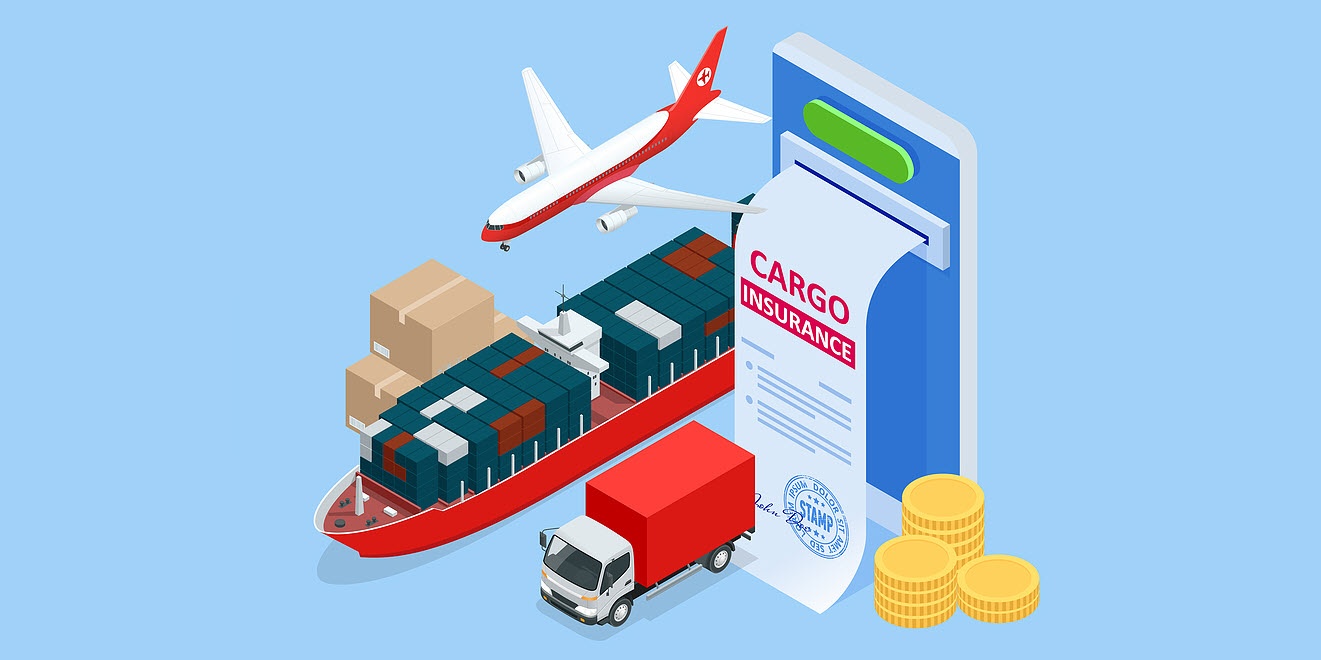
When it comes to protecting your v…
All-Risk Cargo Insurance vs Named Perils: Pros and Cons
When it comes to protecting your cargo during transit, choosing the right insurance coverage is crucial for your business's financial security. Two primary types of cargo insurance dominate the market: all-risk coverage and named perils insurance. Each offers distinct advantages and limitations that can significantly impact your business's risk management strategy.
This comprehensive guide will explore the fundamental differences between these insurance types, their respective benefits and drawbacks, and help you make an informed decision about which coverage best suits your cargo transportation needs.
Understanding the Basics: All-Risk vs Named Perils
Before diving into the pros and cons, it's essential to understand the fundamental differences between all-risk and named perils cargo insurance.
All-Risk Coverage
All-risk cargo insurance, also known as open cover or all-peril coverage, provides the broadest protection available. This comprehensive policy covers your cargo against all risks of physical loss or damage during transit, except for specifically excluded perils listed in the policy.
Named Perils Coverage
Named perils insurance, on the other hand, covers only the specific risks explicitly listed in the policy. If your cargo suffers damage from a peril not mentioned in the policy, you won't receive compensation.
The Pros and Cons of All-Risk Cargo Insurance
Advantages of All-Risk Coverage
1. Comprehensive Protection
All-risk coverage offers the most extensive protection available, covering virtually all risks of physical loss or damage during transit. This comprehensive approach provides peace of mind, knowing that your cargo is protected against most unforeseen circumstances.
2. Simplified Claims Process
With all-risk coverage, you don't need to prove that the damage was caused by a specific listed peril. This simplifies the claims process significantly, as the burden of proof lies with the insurer to demonstrate that the damage falls under an excluded peril.
3. Protection Against Emerging Risks
As new risks emerge in the global supply chain, all-risk coverage automatically provides protection without requiring policy amendments. This is particularly valuable in today's rapidly evolving business environment.
4. Wider Coverage for Diverse Cargo
For businesses transporting various types of cargo, all-risk coverage eliminates the need to carefully match specific perils to each cargo type, simplifying the insurance process.
Disadvantages of All-Risk Coverage
1. Higher Premiums
The comprehensive nature of all-risk coverage typically comes with higher premiums compared to named perils insurance. This increased cost can be significant for businesses with tight profit margins.
2. Potential for Unnecessary Coverage
For some businesses, all-risk coverage might provide more protection than necessary, leading to overpayment for coverage that might not be needed.
3. Complex Policy Language
All-risk policies often contain extensive lists of exclusions and conditions, which can be complex to understand and may require professional interpretation.
4. Potential for Disputes
The broad nature of coverage can sometimes lead to disputes between insurers and policyholders about whether specific damage falls under an exclusion.
The Pros and Cons of Named Perils Cargo Insurance
Advantages of Named Perils Coverage
1. Lower Premiums
Named perils insurance typically costs less than all-risk coverage, making it an attractive option for businesses with budget constraints or those transporting cargo with lower risk profiles.
2. Customizable Coverage
Businesses can tailor their coverage to match their specific risk profile by selecting only the perils most relevant to their operations.
3. Predictable Coverage
The clearly defined list of covered perils provides businesses with a straightforward understanding of their coverage limits.
4. Simplified Policy Structure
Named perils policies are generally more straightforward and easier to understand than all-risk coverage, with fewer exclusions and conditions.
Disadvantages of Named Perils Coverage
1. Limited Protection
The primary drawback of named perils coverage is its limited scope. If your cargo is damaged by a peril not specifically listed in the policy, you won't receive compensation.
2. Increased Risk of Gaps in Coverage
As new risks emerge, named perils policies may not provide adequate protection without policy amendments, potentially leaving businesses exposed to unforeseen risks.
3. Complex Claims Process
With named perils coverage, you must prove that the damage was caused by one of the listed perils, which can complicate and potentially delay the claims process.
4. Limited Flexibility
Businesses transporting diverse cargo types may find it challenging to maintain appropriate coverage for all their shipments under a named perils policy.
Factors to Consider When Choosing Between Coverage Types
1. Nature of Your Cargo
Consider the type of cargo you transport regularly. High-value, fragile, or sensitive goods might benefit more from all-risk coverage, while standard commodities might be adequately protected by named perils insurance.
2. Transportation Routes
The routes your cargo travels can influence your choice of coverage. International shipments or routes through high-risk areas might warrant the comprehensive protection of all-risk coverage.
3. Budget Constraints
Your business's financial situation plays a crucial role in determining which coverage type is most appropriate. While all-risk coverage provides more protection, named perils insurance might be more affordable for businesses with limited budgets.
4. Risk Tolerance
Consider your business's risk tolerance and the potential financial impact of cargo loss or damage. Higher risk tolerance might make named perils coverage more suitable, while lower tolerance might justify the additional cost of all-risk coverage.
5. Industry Standards
Research industry standards and best practices for your specific sector. Some industries may have established preferences or requirements for cargo insurance coverage.
Real-World Applications and Case Studies
Case Study 1: Electronics Manufacturer
A mid-sized electronics manufacturer transporting high-value components opted for all-risk coverage. After experiencing several incidents of damage during transit, including an unexpected flood that affected their warehouse, they found the comprehensive protection invaluable.
Case Study 2: Agricultural Products Exporter
A company specializing in agricultural exports chose named perils coverage, focusing on specific risks relevant to their products, such as spoilage and contamination. This approach helped them maintain competitive pricing while still protecting against their most significant risks.
Making the Right Choice for Your Business
The decision between all-risk and named perils cargo insurance ultimately depends on your specific business needs, risk profile, and budget constraints. Consider the following steps when making your choice:
- Conduct a thorough risk assessment of your cargo transportation operations
- Evaluate the potential financial impact of various types of cargo damage
- Compare quotes from multiple insurers for both coverage types
- Consult with insurance professionals who understand your industry
- Review your coverage needs regularly as your business grows and evolves
Conclusion
Both all-risk and named perils cargo insurance offer valuable protection for businesses involved in cargo transportation. The choice between these coverage types should be based on careful consideration of your specific needs, risk profile, and budget constraints.
While all-risk coverage provides the most comprehensive protection, named perils insurance can be a cost-effective solution for businesses with specific risk profiles and budget limitations. Regardless of your choice, having appropriate cargo insurance is essential for protecting your business against the financial impact of cargo loss or damage during transit.
Frequently Asked Questions
What are the main differences between all-risk and named perils cargo insurance?
All-risk coverage protects against all risks of physical loss or damage except specifically excluded perils, while named perils insurance only covers damage from specifically listed risks.
Is all-risk cargo insurance always more expensive than named perils coverage?
Generally, yes. All-risk coverage typically costs more due to its comprehensive nature and broader protection.
Can I switch between all-risk and named perils coverage during my policy term?
This depends on your insurer's policies, but most allow changes during renewal periods or with prior notice.
What types of businesses benefit most from all-risk cargo insurance?
Businesses transporting high-value, fragile, or sensitive goods, or those operating in high-risk environments, typically benefit most from all-risk coverage.
Are there any risks that are typically excluded from all-risk cargo insurance?
Yes, common exclusions include war, nuclear incidents, intentional damage, and wear and tear.
How do I determine which coverage type is best for my business?
Consider your cargo type, transportation routes, risk tolerance, budget, and consult with insurance professionals to make an informed decision.
Can I combine all-risk and named perils coverage in a single policy?
Some insurers offer hybrid policies that combine elements of both coverage types, though this is less common.
How often should I review my cargo insurance coverage?
Review your coverage at least annually or whenever significant changes occur in your business operations or cargo types.
What documentation is typically required for cargo insurance claims?
Required documentation usually includes proof of shipment, proof of value, damage reports, and evidence of the cause of damage.
Are there any industry-specific considerations for cargo insurance?
Yes, different industries may have specific requirements or common risks that should be considered when choosing cargo insurance coverage.