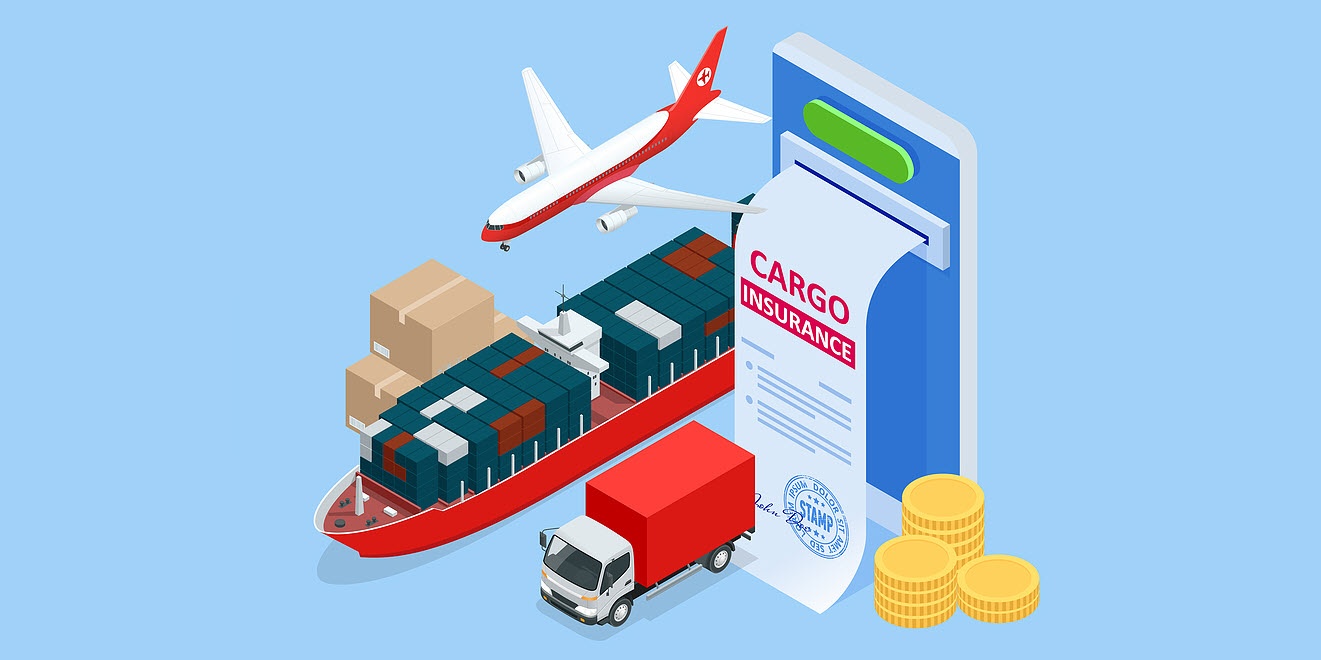
Air Freight Insurance: When Speed Matters for Your Cargo
Introduction
In today's global economy, time is money. When your cargo needs to reach its destination quickly, air freight is often the only viable option. Whether you're shipping high-value electronics, perishable goods, or time-sensitive medical supplies, the speed of air transport can make the difference between success and failure. However, this speed comes with unique risks that require specialized insurance protection.
The Growing Importance of Air Freight in Global Trade
The air freight industry has seen remarkable growth in recent years. According to industry reports, global air cargo traffic has increased by over 30% in the past decade, with particularly strong growth in e-commerce and pharmaceutical sectors. This growth reflects the increasing importance of speed in modern supply chains and the rising value of goods being transported.
Key Statistics
-
Air freight represents only 1% of global trade by volume but carries 35% of global trade by value
-
The average value of goods transported by air is $6.46 per kilogram, compared to $1.75 per kilogram for sea freight
-
Air cargo growth has outpaced GDP growth in most major economies
-
The pharmaceutical sector alone accounts for approximately 20% of all air freight shipments
Understanding Air Freight Risks
Air freight insurance is essential because air transport presents unique risks that aren't covered by standard cargo insurance policies. Understanding these risks is crucial for protecting your valuable shipments.
Common Air Freight Risks
-
Damage During Loading/Unloading
-
Rough handling during cargo loading and unloading
-
Improper securing of cargo in the aircraft
-
Damage from cargo handling equipment
-
Cargo Theft
-
Weather-Related Risks
-
Delays due to adverse weather conditions
-
Cargo damage from temperature fluctuations
-
Damage from lightning strikes or turbulence
-
Technical Failures
-
Aircraft mechanical issues
-
Temperature control system failures
-
Cargo hold pressurization problems
-
Human Error
Types of Air Freight Insurance Coverage
Air freight insurance comes in various forms, each designed to address specific risks and needs. Understanding these options is crucial for selecting the right coverage for your cargo.
1. All-Risk Coverage
All-risk coverage is the most comprehensive form of air freight insurance, providing protection against virtually all risks except those specifically excluded in the policy. This coverage typically includes:
2. Named Perils Coverage
Named perils coverage only protects against specifically listed risks. While more limited than all-risk coverage, it can be suitable for certain types of cargo or shipping routes.
3. War and Strike Coverage
This specialized coverage protects against risks related to war, terrorism, and labor strikes. It's particularly important for shipments to or from regions with political instability.
4. Warehouse-to-Warehouse Coverage
This comprehensive coverage extends protection from the moment goods leave the shipper's warehouse until they reach the consignee's warehouse, including transit between airports.
Special Considerations for Different Types of Cargo
Different types of cargo require specialized insurance considerations due to their unique characteristics and risks.
High-Value Electronics
Electronics shipments face specific challenges:
Perishable Goods
Perishable cargo requires special attention:
Pharmaceutical Products
Pharmaceutical shipments have unique requirements:
-
Temperature control compliance
-
Regulatory compliance
-
Chain of custody documentation
-
Specialized handling procedures
Cost Factors in Air Freight Insurance
Several factors influence the cost of air freight insurance:
1. Cargo Value
The declared value of your cargo is the primary factor in determining insurance premiums. Higher-value shipments naturally command higher premiums.
2. Shipping Route
The route taken can significantly impact insurance costs:
-
High-risk regions may have higher premiums
-
Weather patterns along the route
-
Political stability of destination countries
3. Cargo Type
Different types of cargo face different risks:
-
Fragile items may require additional coverage
-
Hazardous materials have specific requirements
-
Perishable goods need temperature-controlled transport
4. Packaging Quality
Proper packaging can reduce insurance costs:
-
High-quality packaging reduces damage risk
-
Specialized packaging for fragile items
-
Temperature-controlled packaging for sensitive goods
Choosing the Right Insurance Provider
Selecting the right insurance provider is crucial for ensuring adequate protection for your air freight shipments.
Key Considerations
-
Industry Experience
-
Specialized knowledge of air freight insurance
-
Understanding of specific cargo types
-
Familiarity with international regulations
-
Claims Process
-
Coverage Options
-
Flexibility in policy customization
-
Additional coverage options
-
International coverage capabilities
-
Premium Rates
Risk Management Strategies
Effective risk management can help reduce insurance costs and minimize potential losses.
1. Proper Packaging
-
Use appropriate packaging materials
-
Implement proper cushioning
-
Ensure secure sealing
-
Follow industry best practices
2. Temperature Control
-
Use temperature monitoring devices
-
Implement proper insulation
-
Follow recommended storage conditions
-
Document temperature throughout transit
3. Security Measures
-
Use tamper-evident packaging
-
Implement tracking systems
-
Work with reputable handlers
-
Maintain proper documentation
4. Documentation
-
Maintain accurate inventory records
-
Keep detailed shipping documentation
-
Document cargo condition at each stage
-
Maintain communication logs
Claims Process and Documentation
Understanding the claims process is essential for protecting your interests in case of loss or damage.
Required Documentation
-
Initial Documentation
-
Bill of lading
-
Packing list
-
Commercial invoice
-
Insurance certificate
-
Damage Documentation
-
Photographs of damage
-
Detailed damage reports
-
Witness statements
-
Expert assessments
-
Financial Documentation
Claims Process Steps
-
Notification
-
Investigation
-
Settlement
-
Claim evaluation
-
Negotiation process
-
Payment processing
Future Trends in Air Freight Insurance
The air freight insurance industry continues to evolve, driven by technological advances and changing market conditions.
Emerging Technologies
-
Blockchain Technology
-
IoT Sensors
-
Artificial Intelligence
Regulatory Changes
-
Increased focus on security
-
Environmental regulations
-
Documentation requirements
-
International standards
Conclusion
Air freight insurance is an essential component of modern logistics, providing crucial protection for time-sensitive and valuable cargo. As global trade continues to evolve and air freight becomes increasingly important, understanding and properly managing these risks becomes more critical than ever.
The key to successful air freight insurance lies in selecting the right coverage, working with experienced providers, and implementing effective risk management strategies. By taking a proactive approach to insurance and risk management, businesses can ensure their valuable cargo reaches its destination safely and on time.
Frequently Asked Questions
1. How much does air freight insurance typically cost?
Air freight insurance costs typically range from 0.5% to 2% of the cargo value, depending on factors such as cargo type, route, and coverage level.
2. What's the difference between all-risk and named perils coverage?
All-risk coverage protects against virtually all risks except specifically excluded ones, while named perils coverage only covers explicitly listed risks.
3. How quickly can I get coverage for an urgent shipment?
Most insurance providers can issue coverage within hours for urgent shipments, with some offering instant online quotes and policies.
4. What documentation is needed for air freight insurance?
Required documentation typically includes bills of lading, packing lists, commercial invoices, and detailed cargo descriptions.
5. Can I get coverage for multiple shipments?
Yes, many insurers offer annual policies or blanket coverage for multiple shipments.
6. What happens if my cargo is delayed?
Coverage terms vary, but many policies include protection against financial losses resulting from cargo delays.
7. Are there any exclusions in air freight insurance?
Common exclusions include war risks, nuclear incidents, and losses due to improper packaging or handling.
8. How do I file a claim for damaged cargo?
Claims typically require documentation of damage, photographs, and detailed reports of the incident.
9. Can I get coverage for hazardous materials?
Yes, specialized coverage is available for hazardous materials, though it may require additional documentation and compliance with regulations.
10. What's the average claims settlement time?
Claims are typically settled within 30-60 days, though simple claims may be resolved more quickly.


 My Account