

 My Account

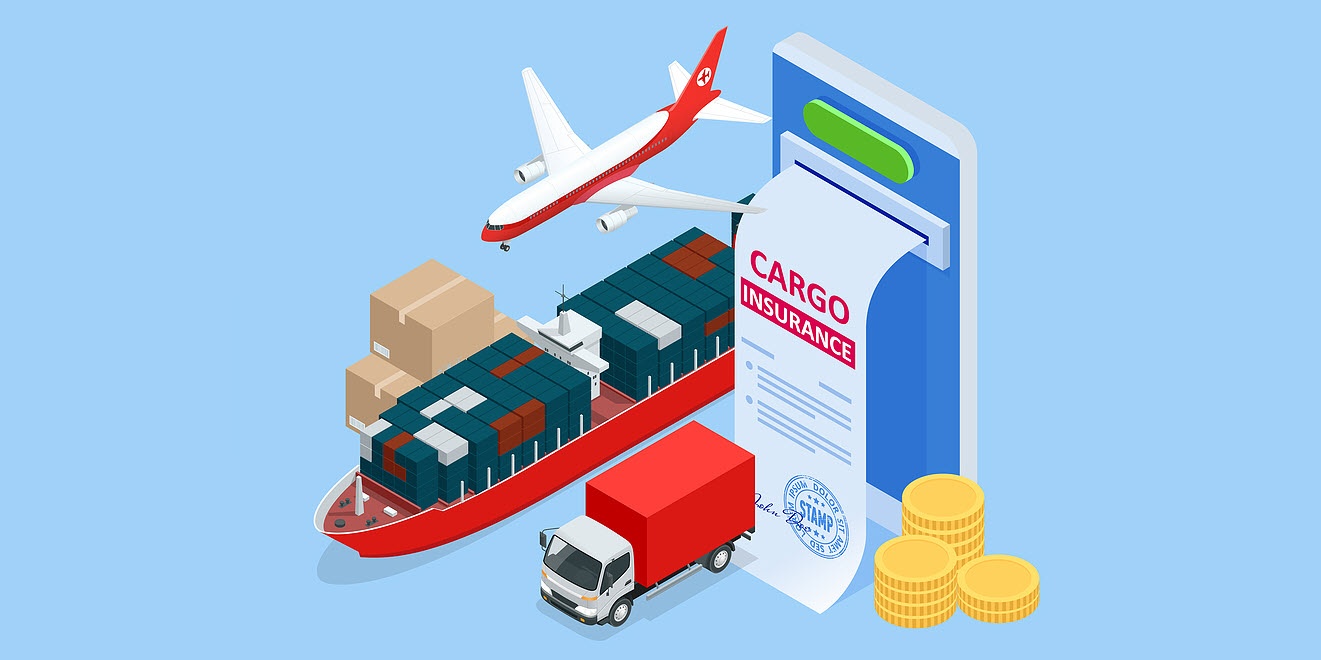
When it comes to protecting your v…
Air Cargo Insurance for Time-Sensitive Shipments: How to Protect Urgent Freight (UK Guide)
When a shipment is time-sensitive, the cost of something going wrong isn’t just the value of the goods — it’s the knock-on impact: missed production deadlines, spoiled stock, contractual penalties, lost customers, and reputational damage. Air freight is often chosen to reduce transit time, but it doesn’t eliminate risk. In fact, the tighter the delivery window, the less “wiggle room” you have when delays, damage, or documentation issues occur.
This guide explains how air cargo insurance works for time-sensitive shipments, what it typically covers (and what it doesn’t), and how UK businesses can structure cover to match real-world urgency — whether you’re shipping medical devices, critical spare parts, temperature-sensitive goods, or high-value components.
What is Air Cargo Insurance (and why time-sensitive shipments need special attention)?
Air cargo insurance is designed to protect the financial value of goods while they are in transit by air (and often during related legs of the journey, such as road transport to and from the airport, temporary storage, and handling).
For time-sensitive shipments, the “headline” risk is often assumed to be delay — but the reality is broader:
- Damage during handling, loading/unloading, or turbulence
- Theft or pilferage in high-traffic logistics environments
- Misrouting or incorrect onward connections
- Documentation errors leading to holds or customs delays
- Temperature excursions for controlled goods
- General average and other complex maritime-style concepts when multimodal legs are involved
The key point: time sensitivity increases the impact of common cargo risks. A minor delay that would be tolerable for non-urgent freight can be commercially catastrophic when you’re shipping “line-down” parts, clinical supplies, or goods tied to a fixed event date.
Common examples of time-sensitive air freight (and what can go wrong)
Time-sensitive shipments show up across many UK industries. Here are typical examples and the risks that often accompany them:
1) Critical spare parts (“Aircraft on Ground”, “Line Down”, emergency repairs)
- Incorrect packaging leading to impact damage
- Mislabelled shipment causing misrouting
- Handling damage during rapid transfers
- Delay due to incomplete paperwork or security screening
2) Medical and healthcare shipments (including devices and diagnostics)
- Temperature deviation (even short periods can compromise usability)
- Customs holds due to missing documentation
- Damage to sensitive components
- Chain-of-custody issues
3) Perishable goods and controlled temperature cargo
- Refrigeration failure during ground handling
- Delays causing spoilage or reduced shelf life
- Incorrect storage conditions at transit points
4) High-value electronics and components
- Theft and pilferage risk at consolidation points
- Electrostatic damage if packaging is inadequate
- Crush damage in mixed freight environments
In each case, the goods may arrive “late but intact” — and still create a loss. That’s where businesses often discover the difference between cargo insurance and consequential loss cover (more on that below).
Who is responsible for air cargo loss or damage? (Why relying on carrier liability can be risky)
Many businesses assume that if something goes wrong, the airline or freight forwarder will pay. In reality, carrier liability is often limited and based on international conventions (and contract terms), not the invoice value of your goods.
Even when a carrier is legally liable, compensation can be capped and disputes can take time — which is the last thing you want when your shipment is urgent and you need cash flow to replace stock quickly.
Air cargo insurance is typically arranged to protect the cargo owner’s financial interest, rather than relying on a carrier’s limited liability. This is especially important for:
- High-value, low-weight goods (liability limits can be disproportionately low)
- Goods sold on terms where risk transfers at a specific point (Incoterms matter)
- Complex supply chains involving multiple handlers and subcontractors
What does air cargo insurance usually cover?
Cover varies by policy wording, but air cargo insurance is commonly arranged on either an All Risks basis (broad cover, subject to exclusions) or a more restricted basis (named perils).
Typical insured events
- Accidental damage during handling, loading, unloading, or transit
- Fire, explosion, aircraft incidents
- Theft (subject to conditions and security requirements)
- Loss of packages or entire consignments
- Water damage (e.g., exposure during transfer or storage)
“Warehouse to warehouse” cover
Many policies can be structured to cover goods from the moment they leave your premises (or supplier premises) until they arrive at the destination address — not just while they’re in the air. This matters because a lot of cargo losses happen on the ground.
Does air cargo insurance cover delay for time-sensitive shipments?
This is the most important question for urgent freight — and the answer is usually: cargo insurance typically covers physical loss or damage to the goods, not pure delay.
If your goods arrive late but undamaged, a standard cargo policy may not respond. Likewise, if you suffer:
- contractual penalties
- lost profits
- missed deadlines
- customer cancellation
These are often classed as consequential losses and are commonly excluded unless you have specific extensions or separate cover.
When delay can still create a claim
Delay may be relevant if it leads to physical deterioration or loss of value that is insured under the policy. For example, perishable goods that spoil due to a covered event (and subject to wording) may be considered a physical loss.
How to insure the “time-sensitive” element properly
If your biggest exposure is the commercial impact of late delivery, speak to a broker about options such as:
- Delay in start-up / advanced loss of profits (project-based supply chains)
- Business interruption (if delays cause operational downtime)
- Contractual liability or bespoke extensions (where available and appropriate)
- Stock and contingency planning as part of risk management (insurers often want to see this)
The right solution depends on your goods, your contractual obligations, and how your supply chain is structured.
Key policy features to get right for urgent air shipments
Time-sensitive cargo tends to expose gaps in “standard” cover. Here are the features that often matter most:
1) Correct sum insured (invoice value vs replacement value)
Many cargo policies insure the invoice value plus a percentage uplift (often to reflect freight, duties, and anticipated profit). Underinsuring can leave you short when you need to replace goods quickly.
2) Temperature-controlled and cold chain extensions
If you ship goods requiring controlled temperatures, you may need specific cover for temperature deviation, refrigeration breakdown, and strict conditions around packaging, data loggers, and approved carriers.
3) High-value and theft-attractive goods conditions
Electronics, branded goods, and compact high-value items may trigger security warranties (e.g., locked storage, approved routes, no unattended vehicles). Breaching these conditions can jeopardise a claim.
4) Transit and storage definitions
“Time-sensitive” often means multiple handovers and short storage periods. Make sure the policy clearly covers:
- temporary storage at airports
- transit sheds and bonded warehouses
- cross-docking and consolidation points
- road legs to/from airports (multimodal)
5) Claims handling speed
When a shipment is urgent, you may need rapid claim support to fund replacement stock. Ask your broker how claims are handled, what evidence is needed, and what typical timelines look like.
Top exclusions and pitfalls (where time-sensitive shipments get caught out)
Exclusions vary, but these are common problem areas:
- Delay (as a standalone cause of loss)
- Inherent vice (natural characteristics of goods that cause deterioration)
- Inadequate packing or unsuitable preparation
- Wear and tear or gradual deterioration
- Unexplained shortage (depending on wording and evidence)
- War and strikes (often insured separately via extensions)
- Customs seizure or confiscation (often excluded)
For urgent freight, packing and documentation are two of the biggest controllable factors. If a shipment is held because paperwork is wrong, you can end up with a commercial loss that isn’t insured.
Risk management checklist for time-sensitive air cargo
Insurers love evidence of disciplined logistics. This can also reduce claims and keep premiums sensible. Consider the following checklist:
- Use robust packaging designed for air handling and stacking loads
- Label clearly (orientation, fragile, temperature range, “do not stack” where appropriate)
- Document everything: commercial invoice, packing list, airway bill, certificates where needed
- Use data loggers for temperature-sensitive shipments
- Choose reputable forwarders with proven SOPs for urgent freight
- Plan contingencies (alternative flights/routes, buffer stock, approved substitutes)
- Confirm Incoterms so you know when risk transfers
- Photograph goods and packaging before dispatch (simple, powerful claims evidence)
How claims work: what to do if urgent cargo is lost or damaged
If a time-sensitive shipment is lost or arrives damaged, speed matters. A practical approach:
- Inspect immediately and note damage on delivery documents where possible.
- Take photos of outer packaging, inner packaging, and the goods.
- Preserve evidence — don’t dispose of packaging until advised.
- Notify the carrier/forwarder promptly and request written confirmation.
- Notify your broker/insurer as soon as possible with initial details.
- Mitigate the loss (e.g., salvage, rework, replacement) where commercially sensible.
For temperature-sensitive shipments, keep any data logger outputs and records of custody/handling. These can be crucial.
Single shipment vs annual cargo policy: which is better for UK businesses?
Air cargo insurance can often be arranged in two main ways:
Single shipment (one-off) cover
- Good for occasional exports/imports
- Useful when shipment value is unusually high
- Can be arranged for specific routes and conditions
Annual/open cover (regular shipments)
- Designed for frequent shippers
- More consistent protection across shipments
- Often easier administratively once set up
If you regularly ship time-critical goods, an annual policy can reduce the risk of forgetting to insure a shipment — which is a surprisingly common issue when operations are busy and deadlines are tight.
How much does air cargo insurance cost for time-sensitive shipments?
Pricing depends on multiple factors, including:
- type of goods (fragile, theft-attractive, temperature-controlled)
- value per shipment and annual turnover
- routes and destinations
- packing standards and handling procedures
- claims history
- required extensions (e.g., war/strikes, temperature deviation)
The best approach is to treat insurance as part of the overall cost of delivering reliably. If a single failed urgent shipment could wipe out your margin on a contract — or damage a key customer relationship — the right cover is often a smart investment.
FAQs: Air Cargo Insurance for Time-Sensitive Shipments
Does air cargo insurance cover late delivery?
Usually not as a standalone issue. Standard cargo insurance focuses on physical loss or damage. Delay-related financial losses are often excluded unless you have specific extensions or separate cover.
Is carrier liability enough?
Often not. Carrier liability can be limited and may not reflect the full value of your goods or the urgency of replacement. Cargo insurance is designed to protect your financial interest directly.
Do I need insurance if my freight forwarder offers “standard cover”?
Forwarder-provided cover may be limited, may not match your invoice value, and may include conditions that don’t suit your goods. Always check the wording and limits carefully.
What if my goods are temperature-sensitive?
You may need specific extensions for temperature deviation and strict compliance with packaging and monitoring requirements. Discuss your cold chain process with your broker before shipping.
What information do insurers need to quote?
Typically: goods description, values, packing method, routes, frequency, Incoterms (where relevant), any special handling/temperature requirements, and claims history (if any).
Can I insure a single urgent shipment?
Yes. Single-shipment cover can be arranged for one-off urgent consignments, especially where the value is high or the route is unusual.
What’s the difference between “All Risks” and “named perils”?
“All Risks” is broader (subject to exclusions). “Named perils” only covers the specific perils listed in the policy. For time-sensitive shipments, broader cover is often preferred because losses can occur in less obvious ways during rapid handling and transfers.
What documents should I keep for a claim?
Keep the airway bill, commercial invoice, packing list, photos of packaging and goods, delivery notes with damage remarks, correspondence with the carrier/forwarder, and any temperature logger data where relevant.
How Insure24 can help (UK broker support for urgent freight)
If you ship urgent or high-value goods, the goal isn’t just to “have insurance” — it’s to have the right cover structure so that when something goes wrong, you can replace goods fast and protect customer relationships.
At Insure24, we help UK businesses arrange cargo insurance that matches how you actually ship:
- annual/open cover for frequent shipments
- one-off cover for high-value or unusual consignments
- extensions for theft-attractive or temperature-controlled cargo (where available)
- clear guidance on documentation, packing, and claims evidence
If you’re not sure whether you’re properly protected for time-sensitive shipments, we can review your shipping profile and highlight common gaps before they become expensive problems.
Get a quote: Air Cargo Insurance for Time-Sensitive Shipments
Need cover for urgent air freight? The fastest way to get accurate advice is to share a few details about what you ship and how often.
- What are you shipping (and is it fragile, high-value, or temperature-sensitive)?
- Typical value per shipment (and maximum value)?
- Origin/destination and frequency?
- Any special handling requirements or tight delivery windows?
Speak to Insure24 to arrange air cargo insurance that fits your risk — not a generic policy that leaves you exposed when timing is critical.