

 My Account

Lifestyle Concept Store Shop Insurance (UK): A Complete Guide for Modern Retailers
Introduction
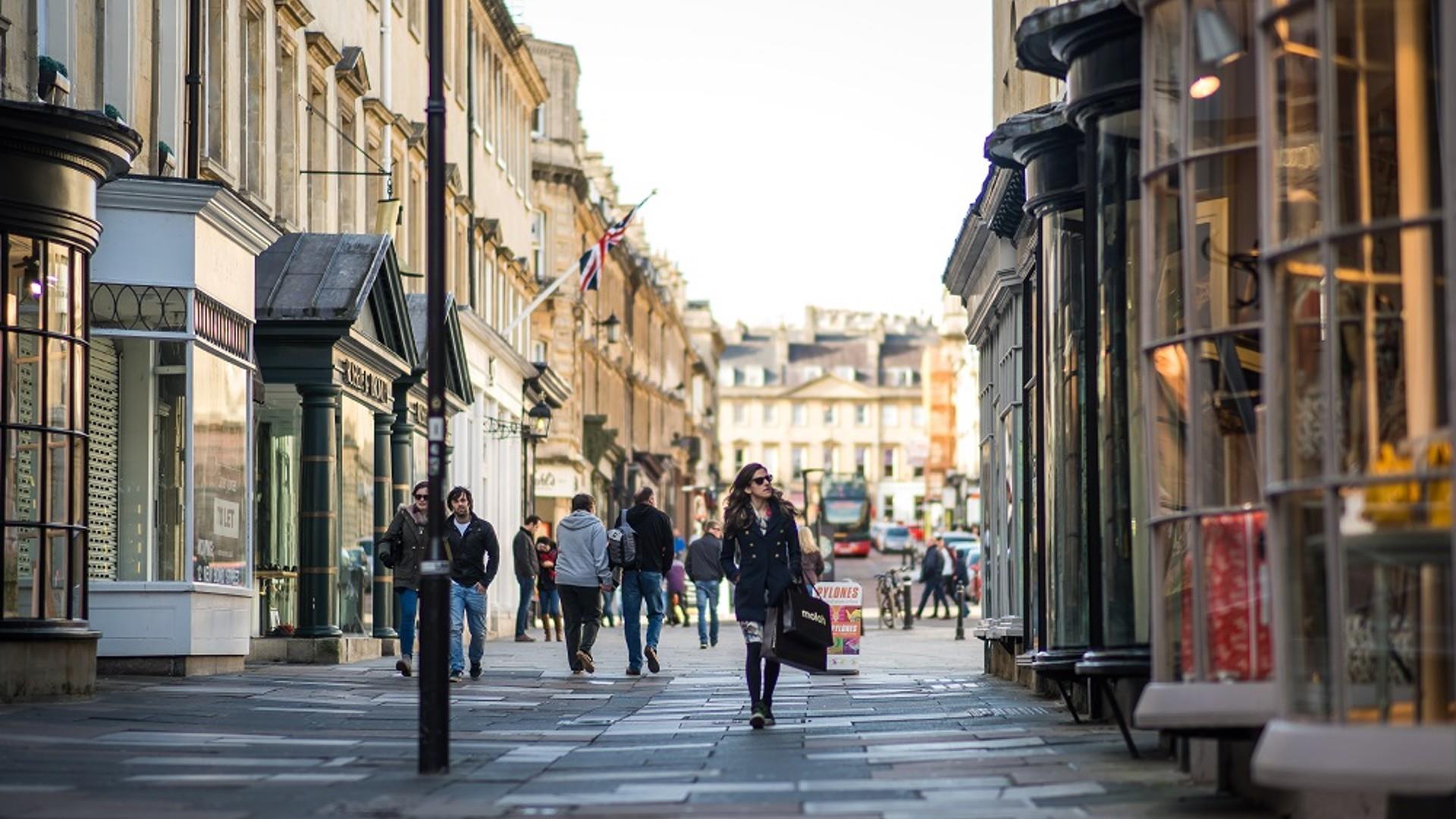
If you run a lifestyle concept store, you’re not just selling products — you’re selling a curated experience. That usually means premium s…
Running a car dealership involves significant financial investment and risk. From the vehicles on your forecourt to your showroom facilities and staff, protecting your business with the right insurance coverage is essential. This comprehensive guide explores everything you need to know about car dealership insurance.
Car dealership insurance is a specialized form of commercial insurance designed to protect motor trade businesses from the unique risks they face. Whether you operate a franchise dealership, independent used car lot, or specialist vehicle sales business, comprehensive insurance coverage protects your assets, staff, and customers.
Unlike standard business insurance, car dealership policies account for the specific challenges of the motor trade industry, including high-value stock, road risk exposure, and customer interaction risks.
Car dealerships face distinct risks that standard commercial policies do not adequately cover. Your business holds significant value in vehicle stock, often worth hundreds of thousands or millions of pounds. These vehicles require protection against theft, fire, vandalism, and accidental damage.
Your staff regularly drive customer vehicles and stock for test drives, valuations, and delivery purposes. This creates substantial road risk liability that requires specialist motor trade road risk insurance.
Customer interactions on your premises create public liability exposure. Visitors could suffer injuries on your forecourt or in your showroom, leading to compensation claims that could financially devastate an uninsured business.
The Financial Conduct Authority regulates many aspects of motor trade operations, particularly finance and warranty sales. Professional indemnity insurance protects against claims arising from advice or services you provide.
Most car dealerships benefit from a combined motor trade insurance policy that bundles essential coverages into one comprehensive package. This typically includes buildings and contents insurance, business interruption cover, employers liability, public liability, and motor trade road risk insurance.
Combined policies offer convenience, often better value than purchasing separate policies, and ensure no gaps in coverage between different insurance products.
If you own your dealership premises, buildings insurance protects the physical structure against fire, flood, storm damage, vandalism, and other perils. This covers repair or rebuilding costs if your showroom or workshop suffers damage.
Contents insurance protects everything inside your premises, including office equipment, computers and IT systems, furniture and fixtures, tools and diagnostic equipment, signage and displays, and security systems.
For car dealerships, contents insurance should reflect the true replacement value of all business assets, as underinsurance could leave you significantly out of pocket after a claim.
Your vehicle inventory represents your most valuable asset and requires specialized stock insurance. This covers vehicles on your forecourt, in your showroom, in storage facilities, and in transit between locations or auctions.
Stock insurance typically covers theft, fire damage, malicious damage, accidental damage, and weather-related damage. Ensure your policy covers vehicles at their current market value and includes automatic reinstatement of the sum insured after a claim.
Motor trade road risk insurance is essential for any dealership where staff drive vehicles. This covers any vehicle your business owns, sells, or services while being driven by authorized drivers.
Coverage typically includes driving for test drives with customers, vehicle collection and delivery, trips to auctions or other dealerships, valuation visits, and movement between premises or storage locations.
Policies can be structured as any driver coverage, named driver coverage, or age-restricted coverage, with premiums varying accordingly. Comprehensive road risk insurance protects against damage to the vehicle being driven and third-party liability for damage to other vehicles or property.
If you employ anyone, employers liability insurance is a legal requirement in the UK. This covers compensation claims if employees suffer injury or illness due to their work at your dealership.
The motor trade environment presents various employee risks, including workshop accidents, forecourt injuries, repetitive strain injuries, and stress-related conditions. Employers liability insurance typically provides minimum coverage of five million pounds, though ten million is increasingly standard.
Public liability insurance protects your business if customers or other visitors suffer injury or property damage while on your premises or due to your business operations.
Common public liability scenarios for car dealerships include customers slipping on your forecourt, children injured in your showroom, damage to customer property during servicing, and injuries during test drives.
Most dealerships carry public liability coverage of between two and five million pounds, though higher limits may be appropriate for larger operations or those in high-traffic locations.
Professional indemnity insurance protects against claims arising from professional advice or services you provide. For car dealerships, this includes advice on vehicle suitability, finance and warranty recommendations, valuation services, and part-exchange assessments.
As FCA regulations increasingly govern motor finance, professional indemnity coverage becomes more important. Claims could arise from allegations of mis-selling finance products, inappropriate warranty recommendations, or inaccurate vehicle descriptions.
Business interruption insurance replaces lost income if your dealership cannot operate due to an insured event such as fire, flood, or theft. This coverage pays ongoing expenses like rent, staff salaries, and loan repayments while your business recovers.
For car dealerships, business interruption insurance should reflect your typical monthly turnover and include extended indemnity periods of at least 12 months, as rebuilding premises or replacing stock can take considerable time.
Workshop tools and diagnostic equipment represent significant investment. Specialized tools insurance covers theft, damage, and breakdown of equipment both on your premises and when used off-site.
If you regularly transport vehicles, parts, or equipment, goods in transit insurance covers loss or damage during transportation. This applies whether you use your own vehicles or third-party transport services.
Legal expenses insurance covers legal costs for disputes including employment tribunals, contract disputes, property disputes, and regulatory defense. For dealerships, this can be particularly valuable given the regulatory environment and potential for customer disputes.
Modern dealerships increasingly rely on digital systems for customer data, finance applications, and business operations. Cyber insurance protects against data breaches, ransomware attacks, system failures, and regulatory fines under GDPR.
If your dealership relies on specific individuals such as the owner, sales manager, or master technician, key person insurance provides financial protection if they die or become seriously ill, helping cover recruitment costs and lost profits.
Several factors influence your insurance premiums. The type of vehicles you sell significantly impacts costs, with prestige and performance vehicles attracting higher premiums than standard family cars.
Your location affects risk, with urban dealerships typically facing higher theft and vandalism risks than rural locations. Your claims history plays a major role, as businesses with frequent claims pay substantially more than those with clean records.
Security measures reduce premiums. Investing in CCTV systems, alarm systems, secure fencing, lighting, and tracking devices for high-value stock can significantly lower costs.
The number and age of drivers covered under road risk insurance affects premiums. Restricting coverage to experienced drivers over 25 reduces costs compared to any-driver policies.
Your annual turnover and stock value determine the level of coverage required and therefore premium costs. Accurate declarations are essential, as underestimating these figures could invalidate claims.
Selecting an insurance provider with motor trade expertise is crucial. Specialist motor trade insurers understand your unique risks and can tailor coverage accordingly.
Look for providers offering flexible policies that can be adjusted as your business grows, competitive premiums without compromising coverage quality, and responsive claims handling with motor trade experience.
Working with an independent insurance broker like Insure24 gives you access to multiple insurers, expert advice on coverage needs, assistance with claims, and regular policy reviews to ensure ongoing suitability.
Understanding what your policy does not cover is as important as knowing what it does. Common exclusions include wear and tear, gradual deterioration, mechanical or electrical breakdown, deliberate acts by you or your staff, and unoccupied premises beyond specified periods.
Road risk policies typically exclude racing or competitions, use outside your business purposes, drivers not meeting policy criteria, and vehicles above specified values without declaration.
Always read policy terms carefully and ask your insurer or broker to clarify any exclusions you do not understand.
When making a claim, prompt notification to your insurer is essential, even if you are unsure whether you will proceed with the claim. Document everything thoroughly with photographs, witness statements, police reports for theft or vandalism, and all relevant correspondence.
Avoid admitting liability before consulting your insurer, as this could prejudice your claim. Your insurer will guide you through their claims process, which typically involves completing claim forms, providing evidence, cooperating with investigators or assessors, and agreeing on settlement terms.
Proactive risk management not only reduces insurance premiums but also protects your business from losses. Implement robust security with perimeter fencing, monitored alarm systems, CCTV coverage, and vehicle tracking for high-value stock.
Maintain comprehensive staff training on health and safety procedures, customer vehicle handling, test drive protocols, and data protection. Regular vehicle checks before and after test drives help identify and document any damage.
Maintain detailed records of all vehicles, including condition reports, service histories, and ownership documents. Implement strict key control procedures to prevent unauthorized vehicle access.
Regular premises maintenance reduces accident risks, while clear customer safety signage and well-maintained forecourts and showrooms minimize public liability exposure.
Car dealerships must comply with various regulations affecting insurance needs. FCA authorization is required for selling finance or warranties, with professional indemnity insurance often mandatory.
Data protection regulations under GDPR require appropriate cyber insurance and data security measures. Health and safety compliance protects employees and reduces employers liability risks.
Consumer protection regulations govern vehicle sales and descriptions, with professional indemnity insurance protecting against mis-description claims.
Comprehensive car dealership insurance is not just a regulatory requirement but a fundamental business necessity. The motor trade presents unique risks that require specialist coverage tailored to your specific operations.
From protecting your valuable vehicle stock to covering road risks, employee injuries, and customer claims, the right insurance package provides financial security and peace of mind. Working with specialist motor trade insurers or brokers ensures you get coverage that truly meets your needs at competitive rates.
Regular policy reviews ensure your coverage evolves with your business, maintaining adequate protection as you grow. Investing in comprehensive car dealership insurance and proactive risk management protects your business, your assets, and your future.
For expert advice on car dealership insurance tailored to your specific needs, contact Insure24 at 0330 127 2333 or visit www.insure24.co.uk to discuss your requirements with our specialist motor trade team.
If you run a lifestyle concept store, you’re not just selling products — you’re selling a curated experience. That usually means premium s…
Wellness and self-care boutiques are booming across the UK. From crystal and aromatherapy shops to holistic lifestyle stores selling supplements,…
Minimalist retail is built on clean lines, curated stock, and a “less but better” customer experience. Whether you run a design-led homeware store, a minimalist fashion boutique, a c…
Technology and gadget boutiques face a different risk profile from general retail. You’re often selling high-value, high-theft-attraction…
Running a vintage and retro tech shop is a brilliant business—part retail, part museum, part repair lab. You might sell re…
Running a smart home technology boutique is a mix of retail, light engineering and professional advice. You’re n…
Running a cutting-edge gadget shop is exciting—and uniquely risky. You’re selling high-value, high-theft items…
If you run a modern tech shop—selling smart home devices, refurbished phones, gaming PCs, drones, 3D prin…
Running an artisan home goods shop is a little different from running a standard retail unit. Your products…
A cultural and global design boutique is rarely “just a shop”. You might sell imported homeware, artisan jewellery…
Running an eco‑friendly lifestyle shop is about more than selling products—it’s about trust. Customers expect you to stock safe, sustainable items, give accurate advi…
A unique lighting and accessories shop isn’t a “standard retail” risk. You’re handling fragile, high-val…
Running an artisan furniture gallery or shop is a bit different from a standard retail unit. You’re often d…
Minimalist design stores look calm and simple on the surface—clean lines, curated stock, lots of open space. But t…
Sustainable interior boutiques are having a moment—customers want low-tox paints, reclaimed wood furn…
Running a vintage home décor shop is not like running a standard retail store. Your s…
If you run an interior design specialist shop—whether you sell fabrics, wallpaper, flooring, lighting, bespoke furnitu…
Home & lifestyle boutiques sit in a tricky middle ground: you’re not a “big box” retailer, but you often car…
Running a cooking tool and equipment store looks straightforward on the surface: buy stock, di…
Running a boutique shop selling international cuisine—think Italian deli staples, Japanese pantry ingr…
Gluten-free and dietary specialty shops sit in a unique spot: you’re a retailer, but you&rsq…
Vegan and plant-based retail is booming across the UK—from independent health food stores and zero-waste shops to specialist vegan butchers, bakeries and ch…
If you import and sell rare ingredients—think saffron, vanilla, truffles, speciality spices, dried botan…
Craft beer and wine specialist shops (bottle shops, wine merchants, off-licences with a premium range, and hybrid ba…
Running an organic and local produce shop is different to running a standard convenience store. You’r…
Specialty coffee roastery and shop insurance for UK businesses: what cover you need, key risks, typical claims, and how to reduce premiums.
Specialty coffee is built on craft: sourcing, profiling, roasting, cupping, packaging, and serving. But running a roastery shop also means managing real-w…
Running a craft chocolate boutique is a brilliant mix of artistry, food production, retail, and ho…
Running an artisan cheese shop is a brilliant business—high-margin products, loyal customers, and a …
Running a gourmet or artisan food shop is a brilliant business—high-quality produce, loyal customers, and a strong local reputation. But it also comes with a uniqu…
Meta description: Food & beverage specialty shops insurance helps UK delis, butchers, fishmongers, bakeries, farm shops and wine merchants protect stock, equipment, staff and custo…
Running a printmaking and art supply store is a brilliant business: you’re part retailer, part workshop, part …
Leather craft boutiques sit in a unique spot between retail and light manufacturing. You might sell finished …
Running a glass or blown glass gallery shop is a brilliant mix of art, craft and retail. It’s also a business with some very specific …
Specialty craft stores are some of the most community-driven businesses on the high street. You’re not just selling supplies—you’re helping people c…
Local maker marketplaces (often called makers’ markets, artisan markets, or craft markets) have become one of the best places to find unique products an…
Textile and fibre art shops are brilliant places: part retail, part studio, part community hub. But they also come with a unique mix of risks—high-val…
If you run a pottery and ceramics boutique shop, you’re not just selling products—you’re selling craftsmanship, story, and often…
Handcrafted jewellery stores are a brilliant mix of creativity and commerce: precious metals, gemstones, specialist tools, customer appointments and often a…
Artisan craft workshop shops are having a moment. Customers don’t just want to buy a candle, a ceramic mug, or …
Handmade craft boutiques and artisan gift shops are built on creativity, community, and carefully curated stock. But behind the charm, these businesses face very …
Artisan and craft shops are built on creativity: handmade jewellery, ceramics, candles, textiles, prints, woodwork, upcycled furniture, and thousands of …
Cultural and heritage fashion stores do more than sell clothing. They preserve identity, celebrate community, an…
Handmade and artisan clothing shops are thriving because customers want originality, quality, and a story behind…
Size-inclusive boutique shops are independent or small-chain retailers that stock clothing across a genuinely broad size range…
Ethical and sustainable fashion is no longer a niche. More people want clothes that look good and do good—without hidden costs like unsafe working conditions, excessive waste…
Vintage and retro clothing shops have gone from niche treasure-hunt destinations to mainstream retail staples. Whether you’re looking for a one-off statement piec…
Emerging designer showcase shops—concept stores, rotating rails, pop-ups and curated multi-brand boutiques—are one of the most exciting parts of modern retai…
Specialty clothing boutiques sit in a tricky middle ground: you’re not a “generic retailer,” but you’re…
.
Artisan clothing specialist shops are built on craft, scarcity, and trust. Whether you sell handmade garments, limited-run streetwear, heritage tailoring, upcycle…
Vintage and curated clothing shops look simple from the outside: rails of one-off pieces, a small team, a loyal customer bas…
Sustainable fashion is often reduced to a buzzword, but in pra…
Avant-garde fashion retail is where clothing becomes culture: a place for experimentation, provocation, and craftsmanship that doesn’t fit neatly into “trend&rdquo…
Designer concept stores sit somewhere between a boutique, gallery and lifestyle showroom. You’r…
.
Running a fashion or clothing boutique is equal parts creativity and commercial reality. You’re curating stock, managing s…
Niche and boutique shops live and die by reputation, footfall, and the uniqueness of what they sell. Wheth…
Running a toy and game shop is equal parts fun and high-stakes. You’re dealing with high-footfall retail, seasonal spikes, valuable and sometimes fragile stock, strict pr…
Running a hobby and craft shop is a brilliant business—creative customers, loyal communities, and products people genuinely l…
Running a fitness equipment store looks straightforward from the outside: you sell treadmills, bikes, weight…
Running an outdoor and camping specialist shop is different from running a typical retailer. You’re not just selling products—you’re advising customers on safety-crit…
Running a sports equipment retail shop looks straightforward from the outside: quality products, knowledgeable staff, loyal customers, and seasonal spikes around January fitn…
Sports and recreation retailers sit in a tricky risk zone: you’re a shopfront business with footfall, but you …
Running a publishing and distribution operations shop is a unique blend of retail, warehousing, logistics, and intellectual property risk. You may have a customer-facing shopfron…
Running a books and media shop in today's retail environment presents unique challenges and opportunities. Whether you operate an independent bookstore, a chain outlet, or a specialist media retailer, p…
Meta Description: Comprehensive guide to publishing and distribution operations shop insurance. Learn about essential coverage, industry risks, liability protection, and how to safe…
Digital media services shops have become essential businesses in today's content-driven economy. From video production studios and podcast recording facilities to graphic design agenc…
Educational material suppliers play a vital role in supporting schools, colleges, universities, and home educators across the UK. From textbooks and stationery to specialist e…
The UK's bookstore landscape encompasses everything from beloved independent shops tucked into high street corners to sprawling chain retailers with nationwide presence. Whether you're operat…
The UK book retail sector encompasses everything from small independent bookshops tucked away on high streets to large chain stores dominating shopping centres. Whether you operate a si…
Operating a specialty or niche retail shop comes with unique challenges and risks that standard retail insurance policies may not adequately cover. Whether you run a vintage clothing boutique…
Operating a commercial vehicle specialist shop requires comprehensive insurance coverage that addresses the unique risks of servicing, repairing, and maintaining trucks, vans, buses, and othe…
Operating a motorcycle dealership comes with unique risks and challenges that require specialized insurance coverage. From high-value inventory and customer test rides to worksh…
Running a car accessory shop comes with unique risks and challenges. From valuable stock and customer vehicles to installation errors and public liability, your business needs comp…
Operating a tyre and wheel retail shop involves unique risks that require comprehensive insurance protection. From managing valuable stock and handling heavy equipment to serving cu…
Running a motor factors or parts suppliers shop involves managing significant stock levels, handling customer transactions, and maintaining a safe working environment. Whether you operate …
Operating an automotive parts and accessories shop comes with unique risks and challenges that require specialized insurance coverage. Whether you're running a small independent retailer …
Vehicle preparation facilities play a crucial role in the automotive industry, transforming new and used vehicles into showroom-ready condition. Whether you're preparing vehicles for dealersh…
Running a service and maintenance center involves managing multiple risks daily—from equipment failures and customer vehicle damage to employee injuries and cyber threats. Whether you …
Parts and accessories distribution shops operate in a complex commercial environment where inventory management, supplier relationships, customer demands, and logistical c…
Running a used car retail facility involves significant financial investment and daily operational risks. From the vehicles on your forecourt to your showroom premises and the customers who visit…
Operating a new vehicle sales business involves significant financial investment, regulatory compliance, and exposure to various risks that can threaten your operation's profitabi…
Running a car dealership involves significant financial investment and risk. From the vehicles on your forecourt to your showroom facilities and staff, protecting your business with th…
Operating an automotive retail shop in the UK comes with unique risks and challenges that require comprehensive insurance coverage. Whether you're selling car parts, accessories, tyres, or automotive prod…
Professional beauty equipment suppliers operate in a specialized retail sector that combines high-value inventory, technical expertise, and direct customer interaction.…
The organic beauty retail sector has experienced remarkable growth in recent years, driven by increasing consumer awareness about natural ingredients, sustainability, and ethical sourcing. As an …
The wellness and spa product retail sector has experienced remarkable growth in recent years, driven by increasing consumer awareness of self-care and holistic health. Whether you operate …
Running a hair and beauty supply shop involves unique risks that require specialized insurance coverage. From product liability concerns to theft of high-value stock, shop owners face challenges that…
Operating a cosmetics specialty retail shop requires careful attention to product quality, customer service, and brand reputation. However, many cosmetics retailers overlook a critical aspec…
The beauty and personal care industry is thriving, with shops offering everything from cosmetics and skincare to hair care products and wellness items. Whether you operate a small independent b…
Operating a clinical service provision shop requires comprehensive insurance coverage to protect against the unique risks inherent in healthcare delivery. Whether you run a physiotherapy clinic…
Health product distribution shops occupy a unique position in the healthcare supply chain, bridging the gap between manufacturers and retailers, healthcare facilities, or end con…
The private label cosmetics manufacturing industry has experienced remarkable growth in recent years, with entrepreneurs and established brands alike seeking to create their own brande…
Prescription processing facilities play a critical role in the healthcare supply chain, handling thousands of prescriptions daily and ensuring patients receive their medic…
High street pharmacy chains face a unique and complex set of risks that demand comprehensive insurance protection. From dispensing errors and data breaches to stock theft and business …
Running a kitchen and bathroom specialists shop involves significan…
Building materials distribution shops face unique risks that standard business insurance policies often fail to address adequately. Fro…
Running a pharmacy or chemist shop in the UK comes with unique responsibilities and risks that extend far beyond simply dispensing medications. From handlin…
Running a textile and soft furnishing store requires careful attention to detail, from sourcing quality fabrics to maintaining an attractive retail space. However, one asp…
Running a furniture retail business that also manufactures its own products presents unique challenges and opportunities. From the workshop where raw materials are trans…
Running a furniture and home goods shop involves significant investment in stock, premises, and customer-facing operations. Whether you operate a small independent bouti…
Installation service networks operate in a dynamic and complex business environment, coordinating skilled tradespeople to deliver professional installation se…
Tool and equipment manufacturing is a precision-driven industry that combines heavy machinery, skilled craftsmanship, and sophisticated technology to p…
The DIY retail sector represents a significant portion of the UK's retail landscape, with chains ranging from large national operators to regional …
Home improvement stores face unique risks that demand comprehensive insurance protection. From heavy machinery and power tools to hazardous material…
Operating a home and garden retail shop comes with unique challenges and risks that require specialized insurance protection. From seasonal stock fluct…
Professional equipment suppliers operate in a unique commercial environment where high-value inventory, complex supply chains, and diverse c…
Running a lighting and electrical retail shop comes with unique risks that standard business insurance policies may not adequately cover. From high-value stock and speciali…
Running a home decor specialty shop involves significant investment in stock, premises, and building a loyal customer base. Whether you operate an independent boutiq…
Garden centers face a unique combination of risks that set them apart from tr…
Audio-visual specialists operate in a dynamic and technology-driven sector where high-value equipment, rapidly evolving products, and specialist ins…
The gaming industry has experienced unprecedented growth over the past decade, with gaming equipment stores becoming essential retail destinations for enthusiasts, professional gamers, and c…
Running a computer and mobile phone retail business comes with unique challenges and risks that require specialized insurance protection. From high-value stock vulnerable t…
The technology retail and repair sector operates in one of the most dynamic and fast-paced commercial environments in t…
Technology integration services shops operate at the inters…
Running a repair and service center involves managing numerous risks daily, from handling expensive customer vehicles to operating specialized equipmen…
The smart home technology retail sector is experiencing unprecedented growth as consumers increasingly embrace connected devices, automation syste…
Warehouse distribution operations form the backbone of modern supply chains, handling millions of pounds worth of goods daily while coordinating complex logistics networks.…
Product assembly facilities form the backbone of modern manufacturing, transforming raw materials and components into finished goods that reach cons…
Operating a large electronics retail shop presents unique challenges and risks that require specialized insurance coverage. From high-value stock and …
Operating a consumer electronics chain in today's competitive retail landscape requires substantial investment in inventory, technology infrastructure, …
Running an electronics and technology retail shop comes with unique challenges and risks that standard business insurance may not adequately cov…
Operating a luxury fashion outlet presents unique insurance challenges that standard retail policies simply cannot address. With high-valu…
Running a sportswear specialists shop involves unique challenges and risks that standard retail insurance may not adequately cover. From high-value brand…
The health and beauty retail sector represents o…
Operating a workwear retail business comes with unique challenges and risks that standard retail insurance may not adequately cover. From managing substantial st…
Trend forecasting operations have become indispe…
Operating a sportswear specialists shop requires comprehensive insurance protection that addresses the unique risks facing athletic retail bus…
Operating a designer clothing store comes with unique risks and challenges that standard retail insurance may not adequately …
Running an independent boutique shop is a labour of love. From …
Distribution centers form the backbone of the UK's supply chain infrastructure, handling billions of pounds worth of goods annually. From e-commerce fulf…
The landscape of UK retail has transformed …
For production planning shops and manufacturing businesses that exp…
Operating a fashion chain store …
Distribution warehouses form the back…
Quality control facilities play a critical role in ensuring products meet safe…
In today's interconnected global economy, suppl…
Private label manufacturing has become a corne…
Operating a multi-brand fashion retail store presents unique c…
Department stores represe…
Running a clothing shop in today's competitive retail e…
The fashion retail sector faces unique challenges that dem…
The organic food retail sector has experienced remarka…
The health food and supplement industry has experie…
Running a delicatessen is a rewarding but complex business venture. F…
Running a bakery with on-site production presents unique challenges and risks that …
Operating a butcher shop with on-site processing facilities represents a s…
Specialty food shops occupy a unique position in the r…
Regional distribution systems shops form …
Local supplier networks shops play a vital role in connecting communities with regional producers, artisans, and small-scale manufacturers. Wheth…
Operating a franchise convenience store offers the advantage of an established brand and proven business model, but it also comes with unique insurance requirem…
Running an independent local shop in today's competitive r…
Running a convenience store in the UK comes with unique challenges and…
Published: September 2025 | Insure24 Commercial Insurance Specialists
In the dynamic world of private label manufactur…
Hypermarkets represent a complex and dynamic retail environment w…
Running a supermarket involves complex risks that can threaten your business's financial stability. This comprehensive guide explores everything yo…
Running a beverage shop involves unique risks and challenges. This comprehensive guide explores essential insurance coverage to safeguard your business, prot…
Running a food shop involves unique risks that require specialized insurance coverage. From product liability to business interruption, this comprehensive guide co…
Convenience stores are the heartbeat of local communiti…
Published by Insure24 | Commercial Insurance Specialists