

 My Account





Complete Guide to Plant Hire Insurance: Protecting Your Equipment Rental Business
The plant hire industry forms the backbone of construction, infrastructure, and development projects across the UK. From excavators and cranes to…






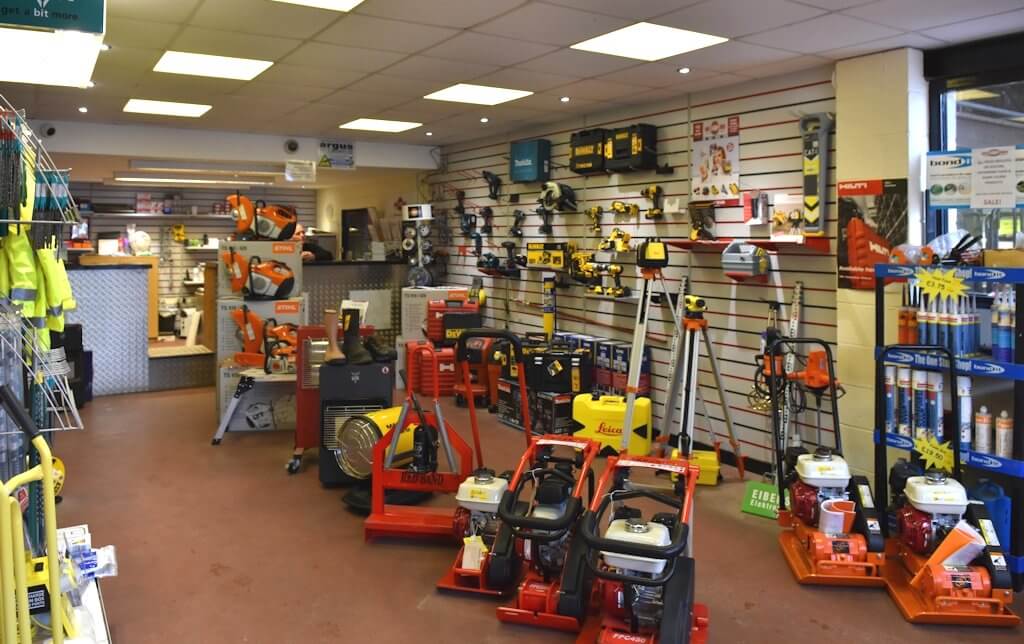
Small tools are the lifeblood of many hire businesses – and also one of the most frequently stolen and damaged asset types in the construction and trades world. Drills, breakers, grinders, nail guns, laser levels, pressure washers and compact equipment are routinely transported, left on site, stored in vans, and used by people outside your direct control. That mix creates a unique risk profile that standard “business insurance” often doesn’t cover properly.
Insure24’s Small Tools & Portable Equipment Hire Insurance is designed for UK tool hire shops, plant hire depots, builders’ merchants and specialist hire firms. It helps protect your hire stock, supports your legal liabilities, and keeps cashflow stable when something goes missing or comes back damaged. Whether you hire items daily, weekly or long term, we can arrange cover that matches how you trade.
Protect the tools and portable equipment you rent out against theft, accidental damage and insured perils. Cover can be arranged for items while on hire, while in your premises, and (where selected) while in transit. Because hire stock moves frequently, insurers will usually set conditions around storage, documentation and security – we help you present your risk properly.
If you operate a mixed business (e.g., tool shop + hire counter, or plant hire depot with a small tools fleet), the policy can be structured so your hire stock and your shop stock are treated correctly. That matters because claims handling often depends on whether the item was “for hire”, “for resale” or “owned equipment used by your staff”.
Hire businesses face a different set of losses compared with contractors who only use tools themselves. Your assets are constantly moving between sites, depots and customers, and the loss event is often discovered after the hire period begins. A strong policy and strong paperwork work together: insurance helps pay for insured losses, while your hire agreement helps reduce disputes and improves recoveries.
Tool hire is not “one-size-fits-all”. A small hire counter attached to a retail tool shop needs different structuring from a busy plant hire depot with hundreds of cordless tools and portable site equipment. Insure24 helps you position your business correctly, so insurers understand your hire processes, security, documentation and the true nature of your exposures.
Getting the right cover is mainly about presenting your risk clearly. Insurers want to understand what you hire, how you document hires, how items are stored, and what you do when equipment is returned damaged or missing. The stronger your process, the better your policy options and pricing tend to be.
Different hire customers create different risk patterns. Domestic DIY hires often involve short durations and accidental damage. Trade and contractor hires can involve higher-value items and more frequent off-site storage. Events and facilities hires can introduce public-facing liability exposures. Your policy can be tailored so it aligns with who hires from you and where the equipment goes.
Most tool hire losses fall into a few repeat categories: theft from site or vans, accidental damage during use, and disputes about condition at handover/return. Insurance is crucial, but the best outcomes typically happen when your operational controls support the policy. That means clear hire agreements, check-in/check-out inspections, and a consistent approach to storage and customer responsibility.
Insurers may apply conditions relating to unattended vehicles, overnight site storage, or “reasonable precautions”. These can sound vague, but in practice they’re about whether the circumstances were preventable and whether security standards were met. We help you understand typical expectations so you can align your day-to-day processes with policy terms.
Site theft claims often turn on whether the tools were stored in a locked container, cabin or secure compound, and whether there was forced entry. Your hire agreement should spell out customer responsibilities (locked storage, no leaving tools unattended, reporting timelines). Some policies can respond when tools are stolen from a site, but conditions vary by insurer and risk profile.
Damage claims can include impact damage, water ingress, electrical faults from incorrect power sources, or mechanical failure caused by misuse. Policies generally cover sudden and unforeseen damage (subject to terms) but not gradual wear and tear. The more clearly you document condition at handover and return, the easier it is to distinguish insured damage from maintenance issues.
If you deliver tools to sites or customers, the “gap” between depot and destination is often where losses occur. Transit cover can protect against theft or damage while tools are being moved, loaded or unloaded. If you use third-party couriers, you may need to confirm where responsibility sits and whether their insurance is adequate.
Public liability claims can arise if someone is injured or property is damaged in connection with your business activities. For hire firms, that can include allegations around faulty tools, inadequate instructions, or incidents during delivery/collection. Employers’ liability is a legal requirement if you employ staff. Your cover should match your real-world exposure, including off-site operations.
A single incident can be far more expensive than the replacement value of one tool. When a high-demand item disappears, you lose hire revenue, you risk disappointing repeat customers, and you may have to rush-replace equipment at the worst possible time. Multiply that by the reality that small tools losses tend to happen repeatedly over time, and the effect on profitability is significant.
Tool hire insurance is designed to reduce the financial shock of insured events and provide stability when the unexpected happens. It can also support your business credibility: many commercial customers and contractors expect their hire supplier to have appropriate insurance in place.
Small tools are “high theft, high turnover” assets. Even when individual items are relatively modest, repeated claims can add up quickly. The right approach is a combination of sensible insurance limits, practical excess choices, and operational controls that reduce frequency. Insure24 helps you balance protection with cost so your policy supports growth rather than becoming an overhead that feels out of proportion.
To tailor your policy correctly, insurers will typically assess your risk across four areas: what you hire, where it goes, how you control custody, and how you secure stock. You don’t need a “perfect” operation – but you do need to describe it clearly and accurately so cover responds as expected.
The most valuable part of specialist hire insurance is how it supports recovery when the unexpected happens. Below are typical scenarios we see across UK tool and small equipment hire businesses. Your exact cover will depend on policy terms and the information provided at quotation stage, but these examples show how the right structure can protect cashflow and continuity.
Situation: A contractor hired multiple cordless kits and a laser level for a week-long job. Tools were stolen overnight from a site cabin.
Impact: Replacement costs were significant and the hire business faced a customer dispute over storage responsibility.
Resolution: With appropriate cover and clear hire documentation, the claim process focused on the insured event and agreed terms, reducing cashflow shock and supporting rapid replacement.
Situation: A breaker was returned with internal damage consistent with incorrect use and lack of lubrication/maintenance during the hire period.
Impact: Repair costs and lost hire income while the tool was off-hire.
Resolution: Inspection notes and handover process supported the claim/chargeback route, helping the business recover costs and keep the fleet operational.
Situation: A delivery vehicle was broken into while the driver completed a collection at another site. Multiple tools were taken.
Impact: Immediate replacement need to fulfil existing bookings, plus operational disruption.
Resolution: Transit-oriented cover (where selected) helped reimburse insured losses, enabling rapid replacement without destabilising cashflow.
Situation: A third party alleged injury and property damage connected to equipment used on a job after being hired from the depot.
Impact: Potential legal costs and compensation exposure.
Resolution: Public liability cover supported defence and investigation, with documentation and inspection records helping establish the facts.
Insurance is essential, but the fastest way to keep premiums sensible is to reduce loss frequency. Many hire businesses achieve strong results by tightening three areas: documentation, tracking, and storage/security expectations. Even simple improvements can make a noticeable difference over time.
Cover levels should match your fleet value, the highest single tool value, and how exposed your tools are to off-site theft and transit risks. We can tailor cover whether you hire a few dozen items or manage a large, multi-brand fleet.
Ideal for: Smaller hire counters, mixed retail + hire operations, and limited off-site exposure
Ideal for: Established hire depots with regular deliveries and larger fleets
Ideal for: High-volume hire fleets, multi-location operations, and higher single-item values
Ideal for: Larger hire groups with complex fleets, specialist equipment, and bespoke contract requirements

“We had a run of cordless kit thefts from sites. Insure24 helped us arrange the right cover and tighten our hire process. The policy support was a game changer for cashflow.”
Depot Manager, UK Tool Hire BusinessTool and equipment hire businesses often need insurance to meet contractual expectations from commercial customers, construction sites, facilities managers and local authorities. While requirements vary, customers may request evidence of public liability, employers’ liability and appropriate cover for your operations.
If you employ staff, employers’ liability insurance is a legal requirement in most cases. If you deliver equipment, transit risks and road exposure should also be considered. We’ll help you align policy wording and limits with how you trade.
What is Small Tools & Portable Equipment Hire Insurance?
Are tools covered while they are on hire to a customer?
Does the policy cover theft from vans or vehicles?
What types of tools and portable equipment can be insured?
Is accidental damage covered if a customer misuses the tool?
Do I need employers’ liability insurance for a tool hire business?
Can I insure both shop stock and hire stock on one policy?
How do I reduce the cost of tool hire insurance?
How quickly can I get cover in place?
The plant hire industry forms the backbone of construction, infrastructure, and development projects across the UK. From excavators and cranes to…
The plant hire industry forms the backbone of construction, infrastructure, and development projects across the UK. From excavators and cranes to sca…
The plant hire industry operates at the intersection of heavy machinery, construction sites, and environmental responsibility. From excavators working ne…
When plant hire companies take on construction projects, standard equipment insurance often falls short of providing adequate protection. Contract works insurance o…
In the competitive world of tool hire and small plant equipment rental, protecting your business against unforeseen risks isn't just advisable—it's essential. Whether you'…
The Lifting Operations and Lifting Equipment Regulations (LOLER) 1998 represent one of the most critical regulatory frameworks affecting plant hire businesses acros…
The plant hire industry forms the backbone of construction and infrastructure projects across the UK, with depot facilities serving as critical hubs for eq…
Protecting your plant hire business when machinery downtime threatens your revenue stream
In the plant hire industry, your equipme…
The plant hire industry forms the backbone of construction, infrastructure development, and countless commercial projects across the UK. From excavators and bul…
Published by Insure24 - Your trusted commercial insurance broker
The plant hire industry serves two distinct yet interconnected sectors: construction and agriculture. While both involve heavy ma…
The crane hire industry operates in one of the most challenging and high-risk envir…
Published by Insure24 - Your trusted commercial insurance broker
The plant hire industry forms th…
Published by Insure24 | Your Commercial Insurance Specialists
The self-d…
The plant hire industry has undergone a digital transformation in recent years, with fleet management systems becoming the backbone of modern equipment rental oper…
Essential coverage for excavator hire businesses operating heavy machinery in high-risk construction environments
The agricultural plant hire industry operates on a unique seasonal rhythm that presents distinct challenges and opportunities. As farming activities intensify during …
The demolition industry operates in one of the most hazardous environments in construction, where powerful machinery meets complex structural challenges. For dem…
The plant hire industry faces a persistent and costly threat that keeps business owners awake at night: equipment theft. With construction machinery and plant equipment representing significa…