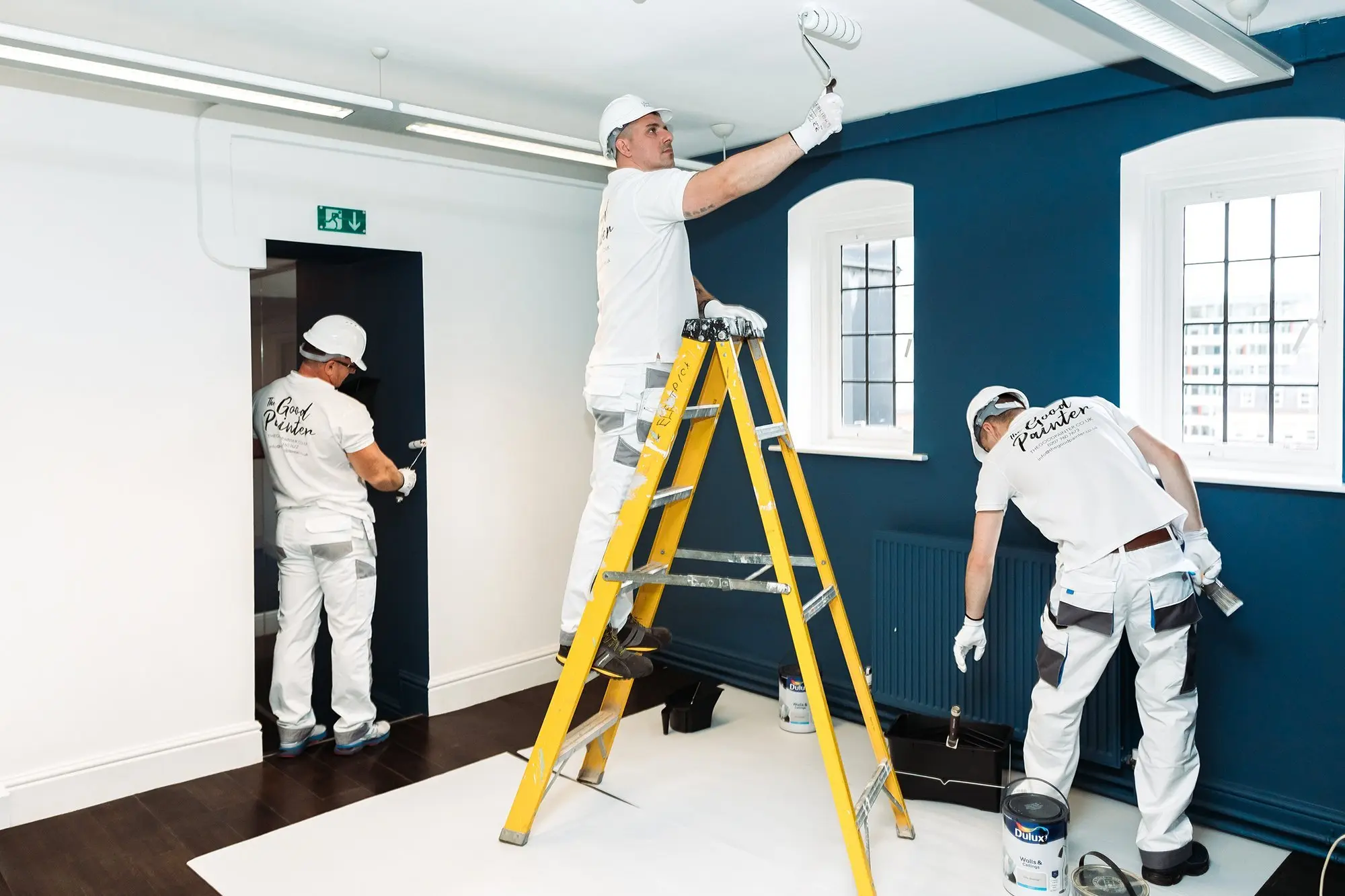
Legal & Contract Requirements for Painters & Decorators

Understand the legal, contractual and insurance requirements affecting painters and decorators in the UK

CALL FOR EXPERT ADVICE
GET A QUOTE NOW

We compare quotes from leading UK insurers

  • Allianz
  • Aviva
  • QBE
  • RSA
  • Zurich
  • NIG

Why Legal & Contract Requirements Matter for Painters

Painting and decorating is often perceived as a low-risk trade, but in reality it carries significant legal, contractual and insurance obligations - especially when working in occupied premises, at height, or under formal contracts.

Failing to meet legal or contractual requirements can lead to disputes, rejected payments, uninsured claims or even prosecution in serious cases.

This guide explains the key legal and contract requirements painters and decorators should understand, and how insurance plays a critical supporting role.

Legal Obligations for Painters & Decorators

Painters and decorators in the UK must comply with a range of legal duties, regardless of whether they are sole traders or limited companies.

Health & Safety Law


  • Health and Safety at Work Act duties
  • Work at Height Regulations compliance
  • Safe use of ladders and access equipment
  • Risk assessments and method statements

Duties to Clients & Third Parties


  • Duty of care to occupants and visitors
  • Preventing slips, trips and falling objects
  • Protecting client property from damage
  • Warning signage and safe working areas

Employers’ Duties & Labour-Only Workers

If you use labour - even on a casual or short-term basis - you may have legal obligations as an employer.


  • Employers’ liability insurance may be legally required
  • Duties apply to labour-only subcontractors
  • Responsibility for training and supervision
  • Liability for injuries sustained during work

Contract Requirements in Painting & Decorating

Many disputes arise not from poor workmanship, but from unclear or misunderstood contract terms.

Common Contract Conditions


  • Proof of public liability insurance
  • Minimum indemnity limits (e.g. £2m or £5m)
  • Work at height declarations
  • Responsibility for damage or delays

Commercial & Contractor Contracts


  • Main contractor insurance requirements
  • Indemnity and liability clauses
  • Liquidated damages or penalties
  • Evidence of cover before site access

How Insurance Supports Legal & Contract Compliance

Insurance does not replace legal compliance, but it plays a vital role in meeting contractual obligations and protecting your business if something goes wrong.


  • Public liability for injury and property damage
  • Employers’ liability where legally required
  • Contract-specific insurance limits
  • Claims handling and legal defence costs

FREQUENTLY ASKED QUESTIONS

+-Do painters legally need public liability insurance?

Public liability insurance is not legally required, but it is often demanded by clients, landlords and contractors.

+-When is employers’ liability insurance required?

Employers’ liability insurance is legally required if you employ staff or use labour-only subcontractors.

+-Can contracts specify insurance limits?

Yes. Many contracts require minimum public liability limits, often £2m or £5m.

+-Does insurance replace legal compliance?

No. Insurance supports compliance but does not remove your legal responsibilities.

+-Can cover start immediately?

Yes. Cover can usually start immediately once your quote is accepted and payment is confirmed.

Related Blogs