

 My Account





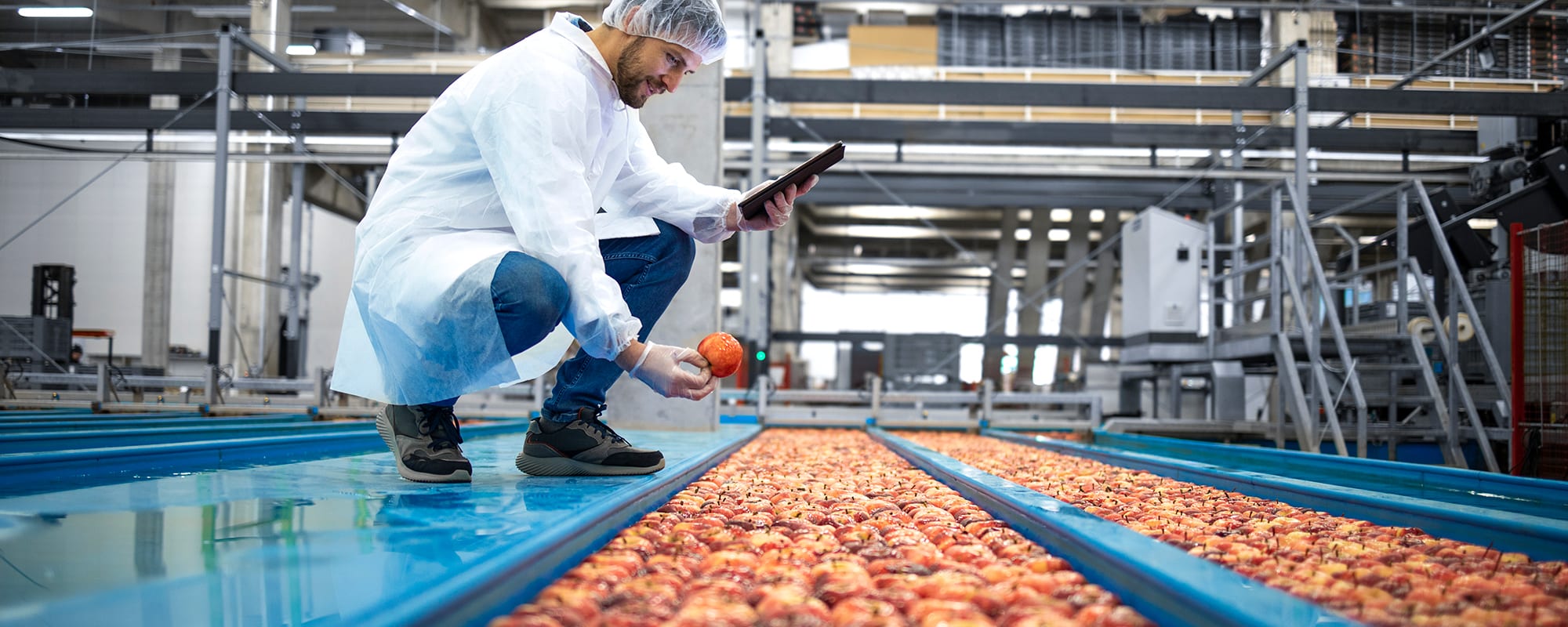
Preserved and Pickled Products Manufacturing Insurance: Protecting Your Culinary Business
In the intricate world of food manufacturing, preserved and pickled products represent a unique and challenging sector. F…






Exporting can transform a UK food manufacturer’s growth - new markets, bigger contracts, and stronger brand recognition. But exporting also changes your risk profile. Your products may travel further, sit longer in transit, pass through more hands, and face a wider range of regulatory standards, labelling expectations, and liability environments.
A liability claim in another country may involve different legal processes, higher damages, additional defence costs, and different product safety expectations. A temperature excursion in transit can create spoilage, rejected deliveries, chargebacks, and reputational damage. A product recall can become multi-jurisdictional and significantly more expensive than a domestic event.
Insure24 arranges specialist International Export Food Manufacturer Insurance for UK producers, helping you build cover that matches your export footprint - from Europe and North America to the Middle East, Asia-Pacific and beyond. Whether you export ingredients, ambient packaged foods, chilled/frozen products, beverages, or specialist dietary items, we can help.
Export insurance is rarely a single “one cover fits all” policy. Most exporters need a core manufacturing package, with tailored additions to reflect global distribution, contractual obligations, and overseas liability. Below are the covers most commonly arranged for exporters.
Export risk is about more than distance. It includes regulatory expectations, supply chain complexity, handling conditions, and the reality that a small incident can scale quickly when multiple markets are involved.
For exporters, product liability is typically the most critical insurance component. The key question isn’t just “do we have product liability?” It’s “does our policy cover the countries we export to, and does it reflect the contractual expectations of those markets?”
Some policies include limited territorial scope by default (for example, UK/Europe only). If you export to the USA/Canada, Australia, or other higher-litigation markets, you often need a specific extension and careful underwriting. Insurers may ask about: product type, allergens, QA controls, volumes, destinations, distributor arrangements, and recall plans.
We help you present export details clearly to insurers, so you obtain a policy with appropriate territory and limits - without surprises at claim time.
If you supply to large retailers or wholesalers, you may be asked for high limits (e.g., £5m/£10m or more) and proof of cover annually. We’ll help align your policy limits with contract requirements.
When you export, goods can be at risk during loading, handling, and transit - whether you ship by road, sea, or air. Cargo insurance (often called Marine Cargo or Goods in Transit) can protect your financial exposure if goods are lost, damaged, or (in certain structures) compromised by insured events while in transit.
Many exporters assume their freight forwarder or courier “covers it”. In reality, carriers often have limited liability under conventions and contracts, and the compensation may be far below the value of your goods. Cargo insurance is designed to protect your product value and, where relevant, to reflect Incoterms responsibilities (e.g., EXW, FOB, CIF, DDP).
We’ll help you choose a structure that matches how you ship (annual open cover vs single transit), and clarify what’s covered, what’s excluded, and what documentation is required to claim.
A recall can be expensive domestically. Internationally, it can become much more complex: multiple regulators, multiple languages, multiple distributors, and media coverage across markets. Product recall / contamination insurance (where available) can help cover certain recall and crisis management costs, subject to underwriting and policy terms.
Not every insurer offers recall cover, and eligibility depends on product type and controls. Exporters often benefit from having a well-documented recall plan, robust traceability, and evidence of quality standards (such as BRCGS, SALSA, ISO, or retailer audits).
If you export, it’s worth discussing recall scenarios early - because the costs and decision-making pressures can be higher when large overseas customers demand immediate action.
Export contracts can increase your dependency on continuity. If you miss shipping windows, retailer slots, or production deadlines, you can lose customers quickly. Business interruption (BI) insurance can protect your profits and cashflow after insured events such as fire, flood or machinery breakdown disrupt production.
Exporters may also want to explore BI extensions where they rely heavily on key suppliers, contract packers, or third-party cold storage/logistics. These extensions are not automatic and depend on insurer appetite and the way your supply chain is structured - but when appropriate they can be an important part of resilience planning.
We’ll help you design BI cover that’s realistic for your operation - not just “the cheapest option on paper”.
Export insurance isn’t just about adding “worldwide” to a policy. It’s about making sure your cover matches your real exposures: where your products go, how they’re shipped, who distributes them, what your contracts demand, and how you would respond to an incident. We help you build a clean, underwriter-ready presentation so insurers can price accurately and offer the right terms.
Getting the best export terms usually comes down to clear, accurate information and strong risk controls. We’ll guide you through what insurers typically need, then compare quotes and negotiate terms that reflect your export footprint.
Does my product liability policy cover exports automatically?
What is the difference between goods in transit and marine cargo insurance?
Do exporters need product recall insurance?
What limits do overseas customers typically require?
Does export insurance cover customs delays or rejected loads?
How do insurers price export food manufacturer insurance?
Can you insure exporters of chilled or frozen products?
What do I need to get a quote?
In the intricate world of food manufacturing, preserved and pickled products represent a unique and challenging sector. F…
The nutritional supp…
Protecting Your Chemical Manufacturing Operation from Comprehensive Risks
Protecting Your Sweet Success: Essential Insurance Strategies for Food Production Businesses
The preservatives manufacturing industry plays a c…
Published: September 2025 | Insure24 Commercial Insurance Guides
The chocolate manufacturing industry is a delicate blend of artistry, science, and complex business operations. From small artisan c…
The soft drink manufacturing industry is a complex…
The sugar confectionery …
The flavor manufacturing industry is a sophisticated and com…
In an era of increasing dietary awareness and he…
Cider manufacturing is a delicate blend of agricultural …
The potato chips and crisps manufacturin…
The spirits distilling industry represents a fascin…
The dietar…
In the intricate world of wine production, where passion meets precision, protecting your business is paramount. This comprehensive guide explores t…
The fruit juice and con…
The meal prep industry has experienced explosive growth, with the global meal kit delivery market projected to reach £19.92 billion by 2027. As co…
The pet food manufacturing industry in the UK has experienced…
The energy drink manufacturing industry is a …
Published: September 2025 | Insure24 Commercial Insurance Specialists
The frozen produce manufacturing industry is a complex a…
The tea and coffee manufacturing industry is…
The canned fruits and vegetables manufacturi…
The fruit and vegetable manuf…
The beer brewing industry is a complex and dynamic s…
The alcoholic bevera…
The sausage and prepared meat products manufacturing industry is a complex and dynamic sector with unique risks an…
The meat processing industry forms a critical backbone of the UK's food supply chain, transforming raw livestock into the products that stock supermarket shelve…
In the competitive and complex world o…
The bacon and ham production manufacturing industry is a critical segment of the food processing sector, facing unique risks…
The frozen vegetables and fruits manufacturin…
The pizza and pasta manufacturing industry represents a dynamic …
The dairy manufacturing industry is a complex and critical sector of the food production landscape, facing unique challenges that demand specializ…
The ready meals manufacturing sector is a dynamic and …
The milk processing manufacturing industry is a critical component of the food supply chain, transforming raw milk into a wide range of dairy products. From pasteuri…
Frozen meat manufacturing represents one of the most complex and heavily regula…
The cheese manufacturing industry is a complex and nuanced sector with unique risks and challenges.…
The frozen and convenience foods manufacturing sector represents…
The confectionery manufacturing industry is a delightful yet complex business la…
The nuts and seeds processing industry represents a critical segment of the food manufacturing landscape, with unique operational challen…
The flour milling industry forms the backbone of the UK's food supply chain, transforming raw grain into the essential ingredient t…