

 My Account





Short Circuits & System Failure – Downstream Liability Explained
Introduction: why “downstream liability” matters
A short circuit is often treated as a simple technical fault: a component fails, a fuse blows, a board burns out, an…





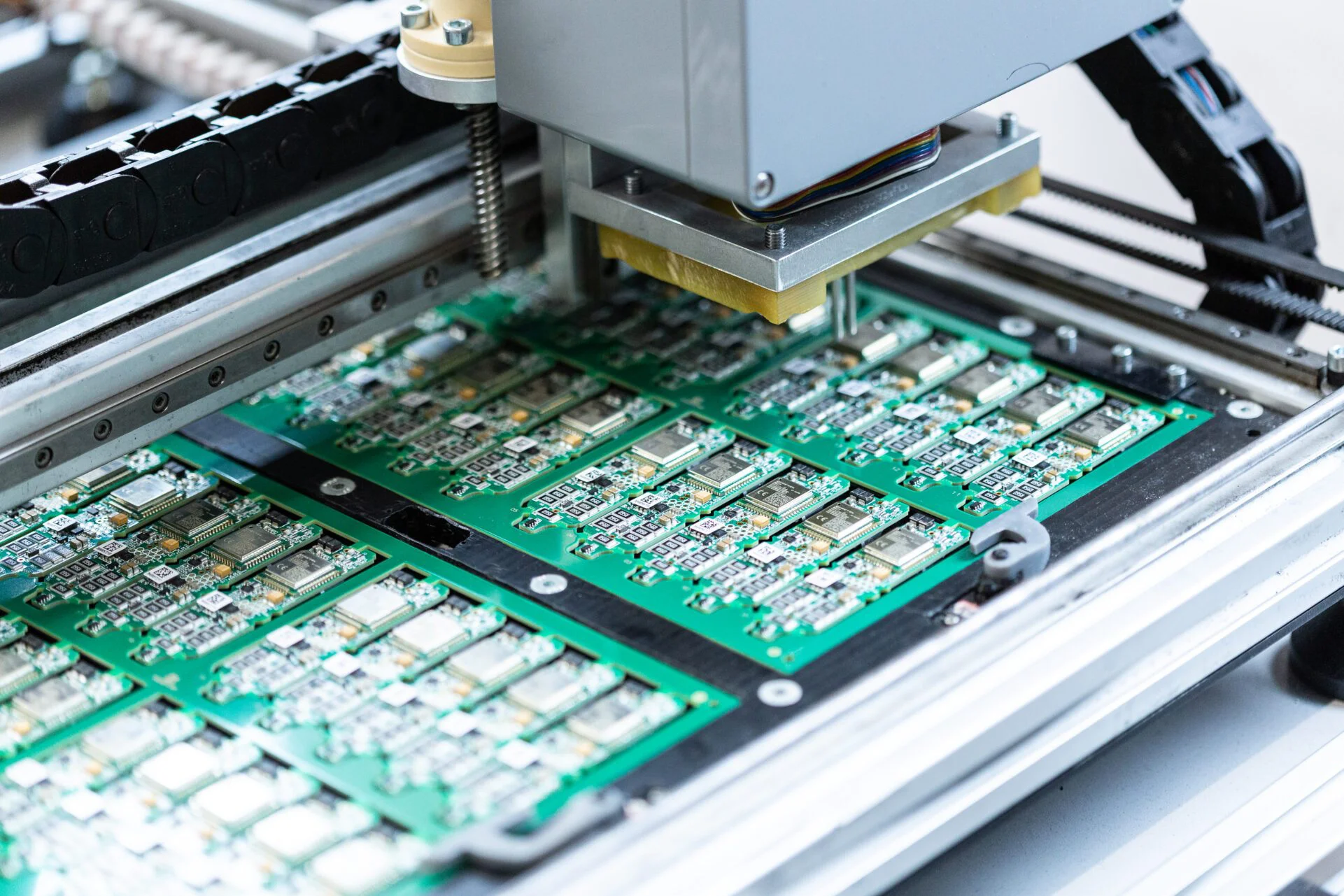
In electrical and electronic component manufacturing, a small drift in process control can become a major financial loss. A solder paste issue, a stencil change, a component placement tolerance shift, humidity/moisture sensitivity, contamination, incorrect firmware, or a supplier material variation can turn a production run into scrap. Even when product can be reworked, the cost of labour, re-testing and delayed shipments can erode margin quickly.
Yield loss problems also create downstream consequences: missed delivery windows, OEM chargebacks, customer line stoppages and requalification demands. Standard property insurance is not designed to pay for “bad product” or defective workmanship. That’s why it’s important to understand what insurance can and cannot do—and how to structure cover to protect you from the wider financial impact.
“Yield loss insurance” is often used as a shorthand phrase. In reality, most manufacturing insurance does not pay for routine scrap, defective workmanship, or the cost of remaking product that failed QA. However, there are several insurance structures and extensions that can help protect against the consequences of a yield event—particularly where there is sudden insured damage, contamination, third-party liability, or a defined product recall/rectification trigger.
The key is to map the loss scenario properly. For example: (1) Is the loss contained to your own stock and WIP? (2) Does it create a customer claim? (3) Does it force a controlled recall/withdrawal? (4) Does it cause business interruption or increased costs to recover? Insure24 helps you structure cover around the parts of the loss that are insurable—and helps you reduce exposure where insurance can’t respond.
Yield loss incidents can happen fast and spread through a batch before they are detected. Because electronic components are often small, high-value and sensitive, even minor contamination or process drift can create a large scrap bill. Below are examples of the scenarios we see manufacturers worry about when arranging insurance and risk controls.
Scrap is painful—but the bigger exposure is usually contractual and operational: delayed shipments, missed OEM windows, customer requalification demands, chargebacks, and the cost of running overtime to recover. This is why many manufacturers focus on a combined strategy: strong process controls + targeted insurance (liability/recall/BI) + contract review to manage penalties and warranties.
Because “scrap and rework” is not usually covered by standard property insurance, the practical approach is to build a policy structure that responds when the yield issue becomes a third-party problem, a recall/withdrawal, or a production interruption caused by an insured event.
Below are the most common insurance components we use for electrical manufacturers looking to reduce yield-loss severity.
For some businesses, the most severe yield-loss events involve contamination or damage to stock and WIP following an insured incident (for example, smoke contamination after a small electrical fire, or water damage from sprinkler discharge). In these cases, property insurance may respond—subject to the cause being an insured peril and the policy wording supporting the loss. We help ensure stock values and record keeping (including WIP reporting) are robust, because these are often critical in claim settlement.

A supplier material variation caused a sudden yield collapse and we faced urgent rework and replacement activity. Insure24 helped us structure our product and recall cover around our real OEM exposure, so we could respond quickly without destabilising cashflow.
General Manager, UK Electronics Assembly BusinessThe best way to reduce yield-loss severity is early detection and containment. Insurers also price based on control—so robust QC systems, traceability and supplier management can improve both premiums and coverage options. Below are practical controls that commonly improve underwriting confidence in electronics manufacturing risks.
Does insurance cover scrap and rework caused by defective workmanship?
When does a yield issue become a product recall/rectification claim?
Can product liability cover yield loss impacts?
How can I reduce yield-loss severity in an insurance submission?
How quickly can Insure24 obtain quotes for recall and liability cover?
What’s the best insurance strategy for yield-loss risk?
Yield loss events can destroy margin and trigger costly downstream problems. Insure24 helps electrical and electronics manufacturers structure practical insurance around the consequences—liability, recall/rectification and interruption—while also improving risk presentation to underwriters.
CALL FOR EXPERT ADVICE
A short circuit is often treated as a simple technical fault: a component fails, a fuse blows, a board burns out, an…
Batch defects in electrical components can turn into expensive, fast-moving problems. One faulty run of connectors, PCBs, capacitors, relays, power supplies, chargers, s…
When a transformer or a piece of switchgear overheats, the damage can spread fast: smoke and fire risk, power loss, damaged plant, spoiled stock, and busi…
Component manufacturing sites often run high-load, high-heat processes with tight tolerances and long…
Printed circuit boards (PCBs) sit at the heart of most modern products — from industrial controls and EV chargers to medical devices and consumer electronics. When a PCB fail…
If you manufacture electrical products in the UK—anything from control panels and power supplies to consumer electronics—insurance isn’t just a &l…
Electrical components manufacturing sits at the sharp end of modern industry. Your products may end up in medical devices, EV charging, industrial controls, telecoms, consu…