

 My Account





Short Circuits & System Failure – Downstream Liability Explained
Introduction: why “downstream liability” matters
A short circuit is often treated as a simple technical fault: a component fails, a fuse blows, a board burns out, an…






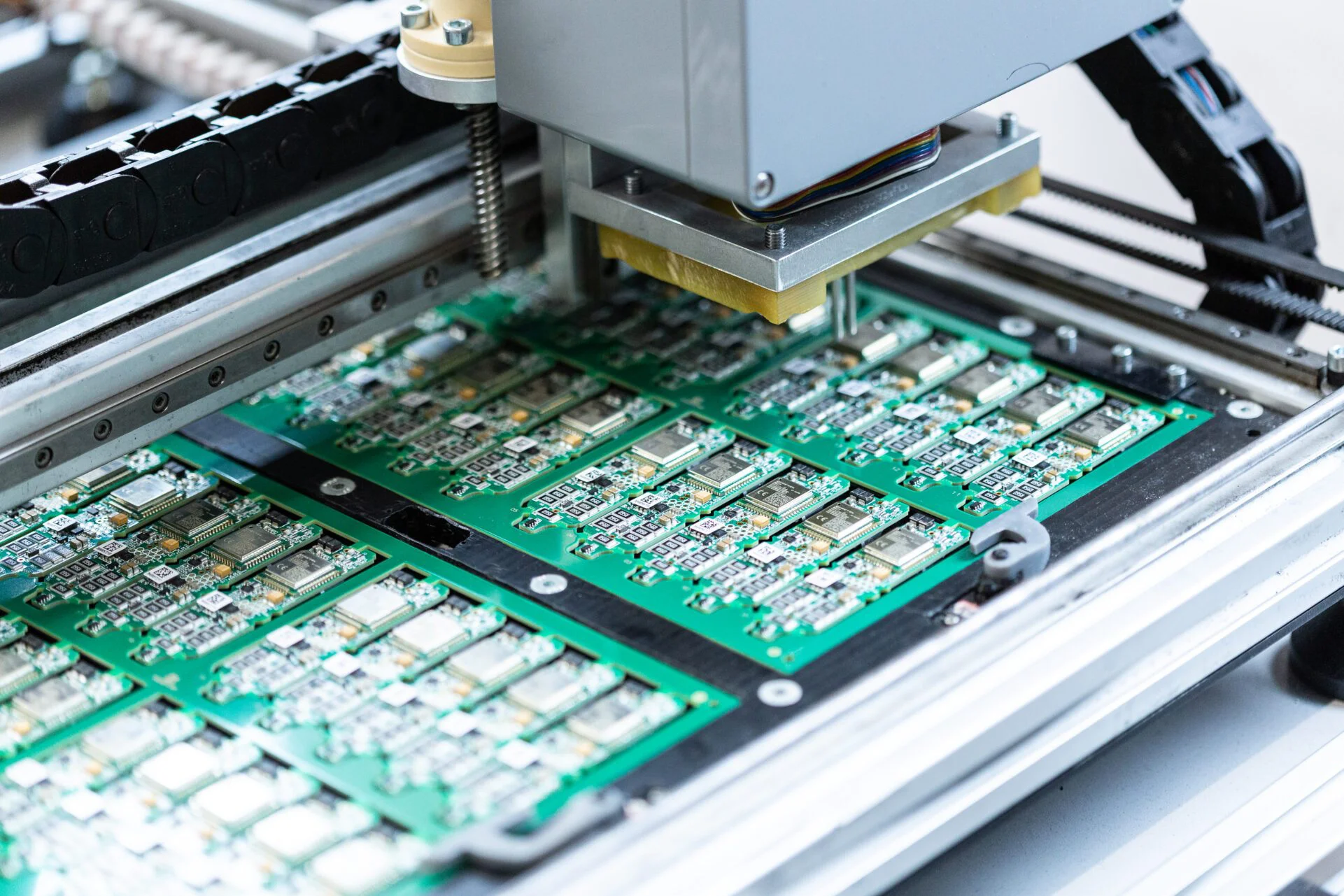
“Electrical components manufacturing” covers a wide range of activities: PCB assembly (SMT/THT), cable harnessing, switchgear/control panels, connectors, sensors, transformers, relays, power supplies, sub-assemblies, finished electrical products, refurbishment and rework, and OEM contract production. The insurance programme you need depends on what you make, how it’s used, where it goes, and what your contracts say.
Some covers are effectively non-negotiable (for example, Employers’ Liability if you have staff). Others depend on risk appetite and customer demands: product liability limits, recall-style solutions, professional indemnity for design input, cyber for ransomware and data exposure, and business interruption for downtime and recovery costs.
This guide is designed to help you understand the covers that matter, the common gaps, and the key questions insurers ask so you can get terms faster and avoid surprises. If you’d rather speak to a specialist, call 0330 127 2333 or request a quote online.
Most UK electrical components manufacturers arrange a “core” insurance package that protects people, premises, and basic liability exposures. These covers form the foundation. Once they’re in place, you then decide which specialist covers to add based on product risk, contracts and supply chain obligations.
The main core covers are Employers’ Liability, Public Liability, Products Liability, and Property/Stock — often arranged together within a combined policy. Many manufacturers also add Business Interruption because a short shutdown can quickly become a financial problem (missed deliveries, expediting, overtime, lost profit).
If you employ staff, Employers’ Liability is usually a legal requirement in the UK. It covers your legal liability for employee injury or illness arising out of their work (subject to policy terms). For manufacturing, EL matters because many injuries stem from routine activity: manual handling, slips/trips, burns from soldering, cuts from tools, forklift incidents, and repetitive strain. Insurers will commonly rate the policy using wage roll and may differentiate between clerical and manual work.
Typical questions: headcount and wages, processes (assembly/test/warehouse), use of agency labour, any hazardous processes (high voltage testing, solvents/COSHH), and claims history.
Public Liability covers claims from third parties for injury or property damage linked to your business activities — for example a visitor injury on site, or accidental property damage while working at a customer’s premises. Even if most of your work is in-house, PL is commonly required by landlords, customers and site access policies.
Typical questions: premises type, visitor footfall, work at height, hot works, any off-site work, and how you control contractors/visitors.
Products Liability covers liability for bodily injury or property damage caused by products you manufacture, supply or distribute (subject to policy terms). In electrical components manufacturing, this is essential because faults can lead to overheating, arcing, fire, shock, equipment damage and downstream loss. Your exposure depends heavily on end use: consumer electronics, industrial automation, EV/charging, renewable energy, medical devices, rail, aerospace and defence can all create very different underwriting profiles.
The limit you need is often driven by contracts: £2m, £5m, £10m and higher are common in OEM supply chains. Territorial scope also matters: UK-only, UK/EU, or worldwide (sometimes with specific US/Canada considerations). A mismatch between where products go and what the policy covers is a common gap.
Typical questions: product types, quality controls and testing, export split, largest customers, any high-risk sectors, and claims/recall history.
Property insurance covers your building (if owned) and/or contents, plant, machinery, stock, raw materials and work in progress against insured perils like fire, flood, storm, theft and escape of water (subject to policy terms and endorsements). For electronics manufacturers, the stock angle can be as important as the building: semiconductors, reels, transformers, copper, PCBs and assemblies can represent high value concentrations.
Insurers often pay close attention to housekeeping, fire separation, storage arrangements, security, and any heat processes (e.g., reflow ovens), plus any unusual hazards such as lithium batteries, flammable liquids, or significant dust.
Typical questions: sums insured, construction and occupancy, protections (alarms/sprinklers), storage, any flammables, and prior losses.
Business Interruption covers loss of gross profit and/or increased cost of working following insured property damage (subject to policy terms). It’s one of the most valuable covers for manufacturers because recovery takes time: reinstating buildings, replacing equipment, requalifying processes, re-establishing supply lines, and catching up on orders. OEM environments can add further pressure: you may need to evidence recovery plans and maintain delivery schedules.
The two most common mistakes are (1) selecting an indemnity period that is too short, and (2) underestimating gross profit exposure. If specialist equipment is involved, lead times can be long — and that delay is exactly what BI is designed to soften.
Once the core package is in place, you tailor the policy to your actual exposure. Electrical components manufacturers often face losses that are not neatly “property damage” or “injury” claims: rework, containment, line stoppage allegations, data breaches, or disputes about design responsibility. Specialist covers can help — but they must be chosen carefully because wordings vary and certain risks are inherently difficult to insure.
Product liability is primarily about injury or property damage. Many manufacturing disputes start as “pure financial loss”: rework, replacement, retrieval, expediting, and customer containment. Product recall/remediation policies (where available for your products and territories) aim to cover certain costs of withdrawing, repairing or replacing affected goods (subject to policy terms and triggers).
Recall-style cover is particularly relevant where you supply high volumes, where defect containment costs are high, or where OEM customers require rapid action. Insurers will want evidence of quality systems, traceability and batch control.
If you design, advise, specify, modify, or approve designs (including DFM/DFT input, component substitutions, test method sign-off, documentation), you may face claims for financial loss that don’t involve injury/property damage. That’s the gap PI is designed to address (subject to policy terms).
PI is increasingly relevant in modern supply chains: even “contract manufacturers” often contribute engineering changes or firmware/configuration steps. If your contracts blur the line between build-to-print and design responsibility, PI becomes a serious consideration.
Ransomware can stop production by locking ERP/MRP, test databases, dispatch systems and email. Data breaches can expose customer CAD/BOM files, firmware, pricing and personal data. Cyber policies can provide incident response support, legal advice, business interruption from cyber events, and liability cover for certain claims and regulatory action (subject to policy terms).
Underwriters typically look for MFA, backups (with tested restores), patching, endpoint protection, and access control. Manufacturing businesses with OT/production systems may also need to explain segmentation and remote access practices.
Electronics are vulnerable to transit damage: shock, vibration, moisture, ESD packaging failures, and theft. If you ship high-value assemblies, exports, or time-critical orders, Goods in Transit can be essential. It can cover loss or damage in transit (subject to policy terms), and can be arranged for both inbound components and outbound goods.
Insurers will consider packaging standards, carriers used, shipping territories, and whether you use couriers, own vehicles, or freight forwarders.
Many manufacturers hold customer-owned tooling, test rigs, consignment components, or fixtures on site. Standard property policies do not automatically cover third-party property unless arranged. If you have customer goods in your care, you should disclose it and consider appropriate “goods held in trust/custody” solutions (subject to insurer acceptance and wording).
This is a common blind spot in OEM relationships: the value can be significant and the contract may make you responsible for loss or damage.
If your output depends on critical plant (SMT lines, reflow ovens, compressors, transformers winding equipment, test racks, CNC for enclosures), Machinery Breakdown insurance can help with sudden mechanical/electrical breakdown costs (subject to policy terms).
Some manufacturers also need statutory inspections for certain equipment and pressure systems. Where relevant, this can be packaged alongside breakdown cover.
If you have external investors, significant contracts, or a complex supply chain, D&O can be worth considering. It protects directors/officers against certain allegations relating to management decisions (subject to policy terms). This is more common as manufacturers scale, take on debt finance, or face employment disputes, HSE allegations, or contractual claims that escalate into director-level issues.
The biggest insurance problem in electronics manufacturing is not “having no insurance” — it’s assuming a policy responds to a loss when the wording doesn’t. Below are the common pitfalls we see when manufacturers buy generic policies without specialist broking support.
Product liability usually responds to bodily injury or property damage. Many manufacturing losses are “pure financial loss” (rework, replacement, expediting, scrap). Without recall/remediation solutions (where available) or PI (where design risk exists), you can be commercially exposed.
OEM contracts can include penalties for late delivery, quality failures, service credits and “flow-down” terms. Insurance cannot simply “take over” contractual promises. Certain extensions may exist, but many penalty-style losses remain uninsurable and must be managed by contract negotiation and operational controls.
If your products end up in the EU, USA or worldwide, you need to ensure the policy territory matches reality. It’s common for manufacturers to ship to an OEM in the UK who exports the finished product — and the liability exposure follows the end product, not the invoice address.
Consignment stock, customer components, jigs and fixtures can represent significant value. If it’s on your premises and you’re responsible under contract, you need to disclose it and structure cover accordingly. Many standard policies will not automatically respond without specific wording.
The value of components can spike quickly, especially during supply shortages or when you hold buffer stock for OEMs. Underinsurance can lead to reduced claim settlements. Business interruption sums and indemnity periods also need to reflect realistic recovery timelines — especially if you need to requalify processes or replace specialist equipment.
Underwriters price manufacturing risk based on what you make, where it goes, and how you control quality. If you provide the key information up front, you reduce back-and-forth and improve the likelihood of competitive terms.
OEMs and larger customers often request evidence of insurance limits and wording. Common requirements include £5m–£10m products liability, worldwide territories, and confirmation of cover dates. If your customer requests unusual clauses (e.g., “waiver of subrogation”, “primary and non-contributory”, or unlimited indemnities), it’s worth discussing early — some requests may not be feasible or may materially affect pricing.

“We didn’t just need ‘insurance’ — we needed cover that matched our OEM contracts, our export territories and our traceability processes. Insure24 understood the details and got it placed properly.”
Director, UK Electrical Components ManufacturerManufacturing insurance is won or lost on the underwriting story. If you present as a generic “electronics business”, you often get generic assumptions, restrictive wordings, and pricing that doesn’t reflect your controls. We specialise in structuring the presentation so insurers understand what you make, how you control quality, and how your contracts work — improving the chance of competitive terms.
The quickest route to the right programme is a clear summary of (1) what you make, (2) where it goes, (3) what your customers demand, and (4) what controls you have in place. If you’re unsure, don’t worry — we can guide you through it.
What are the minimum insurances an electrical components manufacturer should have?
Do we need professional indemnity if we’re a contract manufacturer?
Does products liability cover rework, replacement and recall costs?
We export indirectly via OEMs — do we need worldwide cover?
Can we insure customer-owned stock, consignment parts and tooling stored on site?
How quickly can Insure24 obtain quotes for electrical components manufacturing insurance?
What limits do OEM customers typically require?
A short circuit is often treated as a simple technical fault: a component fails, a fuse blows, a board burns out, an…
Batch defects in electrical components can turn into expensive, fast-moving problems. One faulty run of connectors, PCBs, capacitors, relays, power supplies, chargers, s…
When a transformer or a piece of switchgear overheats, the damage can spread fast: smoke and fire risk, power loss, damaged plant, spoiled stock, and busi…
Component manufacturing sites often run high-load, high-heat processes with tight tolerances and long…
Printed circuit boards (PCBs) sit at the heart of most modern products — from industrial controls and EV chargers to medical devices and consumer electronics. When a PCB fail…
If you manufacture electrical products in the UK—anything from control panels and power supplies to consumer electronics—insurance isn’t just a &l…
Electrical components manufacturing sits at the sharp end of modern industry. Your products may end up in medical devices, EV charging, industrial controls, telecoms, consu…