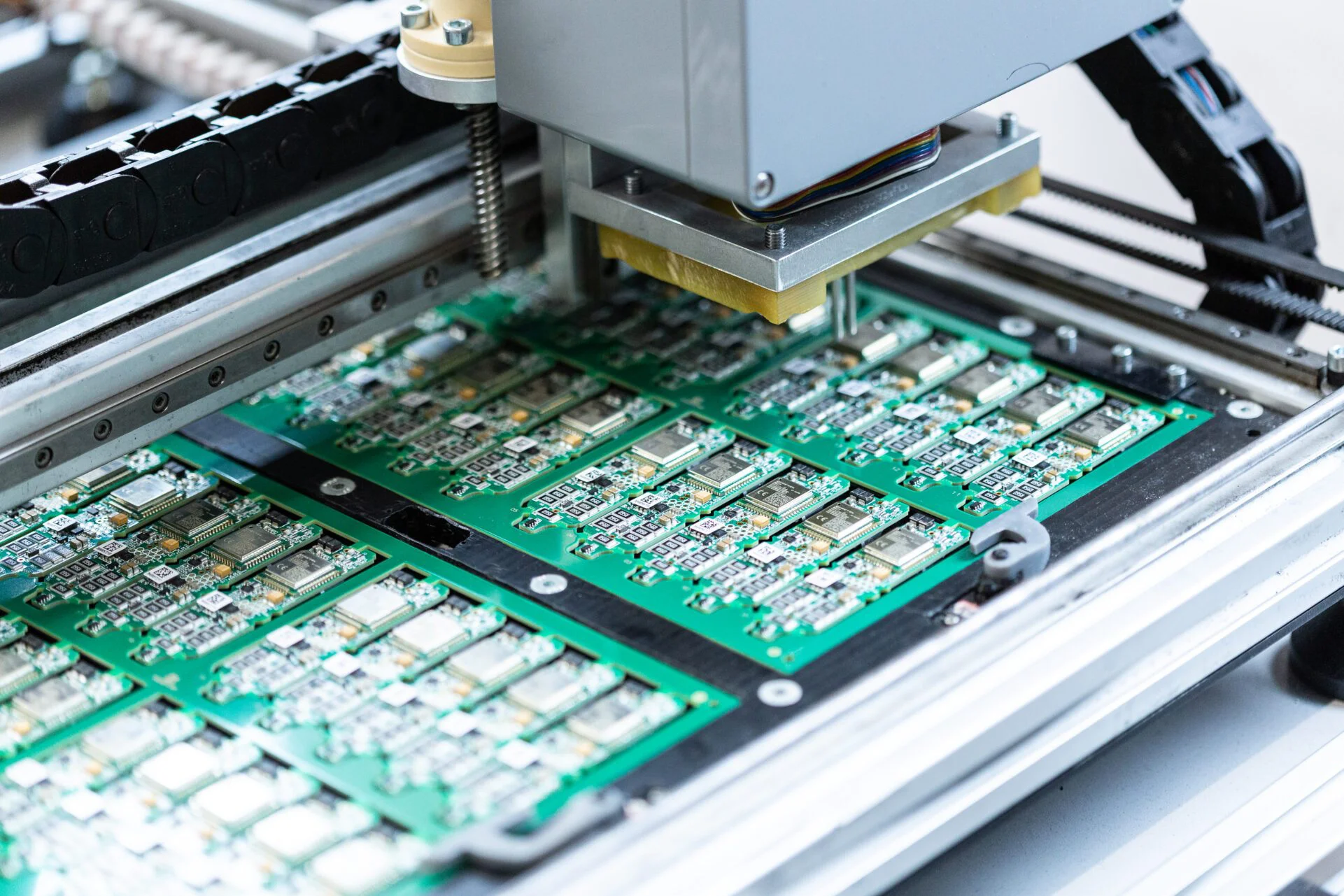
Employers’ Liability Insurance for Electrical Components Manufacturers

CALL FOR EXPERT ADVICE
GET A QUOTE NOW

Compliant UK Employers’ Liability (EL) cover for electronics factories, component assembly lines, test labs, stores and field-based engineers.

CALL FOR EXPERT ADVICE
GET A QUOTE NOW

We compare quotes from leading insurers

  • Allianz
  • Aviva
  • QBE
  • RSA
  • Zurich
  • NIG

EMPLOYERS’ LIABILITY INSURANCE THAT KEEPS YOUR FACTORY COMPLIANT

What is Employers’ Liability Insurance?

Employers’ Liability Insurance (EL) covers your legal liability if an employee is injured or becomes ill as a result of their work for you. In the UK, most businesses with employees are legally required to hold EL insurance, and you typically need to display an Employers’ Liability certificate (physically or digitally) where staff can access it.

For electrical components manufacturers, EL is not a “tick box”. Electronics and electrical assembly environments include specialist hazards: manual handling in stores, fast-moving production lines, soldering fumes, solvents and flux, ESD-controlled areas, powered test rigs, high-voltage testing (hipot), cutting and crimping tools, compressed air, robotics, forklifts, mezzanine picking, and occasional field work for installation or commissioning. A well-structured EL policy helps you protect staff, meet contractual requirements, and defend your business if allegations arise.

Who Needs Employers’ Liability in Electrical Components Manufacturing?

If you employ staff—full-time, part-time, temporary or apprentices—you will usually need Employers’ Liability insurance. In manufacturing, it’s common to have mixed workforces: production operatives, warehouse staff, engineers, quality inspectors, designers, office staff, and sometimes contractors working under your supervision.

EL is typically relevant for businesses involved in: PCB assembly (SMT/THT), cable harness and loom manufacture, switchgear/control panel build, transformer winding, power supply assembly, component kitting and packing, test & inspection operations, refurbishment and rework, and R&D / prototype operations.

Typical Staff Categories


  • Production operators and assembly technicians
  • Warehouse and stores operatives (picking/packing, goods-in, dispatch)
  • Electrical test engineers and QA inspectors
  • Maintenance technicians and facilities teams
  • Office staff (admin, sales, purchasing, HR and finance)
  • Design and development engineers (R&D)
  • Field engineers (installation, commissioning, service visits)
  • Apprentices, trainees and work experience placements

Common Situations That Still Require EL


  • You have “cash-in-hand” or casual staff (risk remains even if payroll is informal)
  • You use temps or agency workers (responsibility can vary depending on control/supervision)
  • You have working directors or working owners on the shop floor
  • You host visiting engineers, interns or apprentices
  • You outsource some operations but retain supervision on-site

What Does Employers’ Liability Insurance Cover?

Employers’ Liability insurance is designed to cover your business if an employee (or their representatives) makes a claim alleging their injury or illness was caused by their work for you. The policy typically covers compensation and legal defence costs, subject to policy terms, conditions and exclusions.

In practice, EL claims can involve: immediate workplace accidents (e.g., slips, trips, cuts, crush injuries), longer-term conditions (e.g., dermatitis or repetitive strain), and complex multi-party allegations where contractors, machinery suppliers, or labour providers are involved.

Typical EL Claim Drivers in Electronics & Electrical Assembly


  • Manual handling – lifting reels, cartons, cable drums, enclosures, pallets
  • Slips and trips – trailing cables, poorly marked walkways, spillages
  • Cuts and punctures – crimp tools, cutters, sharp edges on enclosures or PCB panels
  • Burns – soldering irons, hot air rework, reflow equipment, wave solder splashes
  • Fume exposure – solder flux fumes, cleaning solvents, adhesives
  • Electrical hazards – test stations, hipot testing, powered benches, live diagnostics
  • Machinery & automation – pick-and-place lines, conveyors, guards and interlocks
  • Forklift incidents – warehouse movements, loading bays, pedestrian interface
  • Noise/vibration – plant rooms, compressors, pneumatic tools
  • Work at height – mezzanine storage, racking access, occasional site installs

What Insurers Usually Need (To Quote Accurately)


  • Estimated annual wages split (manual vs clerical where requested)
  • Headcount and description of operations (assembly, test, stores, site work)
  • Any hazardous processes (high voltage test, solvents, heavy lifting, machinery)
  • Health & safety controls (training, PPE, COSHH, risk assessments)
  • Claims history and any known incidents or allegations
  • Use of labour-only subcontractors, contractors or agency staff
  • Work at customer sites (UK / overseas) and frequency

UK Compliance: Employers’ Liability Certificate, Limits & Practical Requirements

Employers’ Liability is typically a legal requirement for businesses with employees in the UK. Beyond simply “having a policy”, you may need to: keep proof available for staff, meet minimum limit requirements, and ensure your workforce arrangements are correctly presented to your insurer.

Many manufacturers also need EL evidence to satisfy customer onboarding, ISO audits, and procurement requirements—especially where you work on-site, host visitors, or support OEM supply chains.

Common Compliance & Procurement Expectations


  • Minimum indemnity limit – many contracts require £10m; some request higher
  • Certificate availability – staff must be able to access EL proof
  • Correct business description – must reflect actual operations and processes
  • Contractor arrangements – clarity on labour-only subcontractors and agency staff
  • Overseas visits – consider employees travelling to customer sites abroad
  • Documented controls – risk assessments, training records, COSHH and PPE

Why “Accurate Wages” Matter


EL premiums are often based on wage roll. In manufacturing, underestimating wages can lead to unexpected adjustments at audit or renewal. Equally, misclassifying manual vs clerical staff can cause pricing friction and underwriting questions.

Insure24 will help you structure wage declarations sensibly, particularly if your workforce fluctuates with production demand, peak seasons, or contract wins. A clear presentation to insurers reduces surprises and keeps cover straightforward.

  • Stable renewal pricing through accurate wage declarations
  • Fewer disputes at audit time
  • Clearer evidence for OEM onboarding and compliance checks
  • Reduced risk of gaps created by misclassification

Reducing Employers’ Liability Risk in Electronics Manufacturing

Insurers look closely at risk control in manufacturing environments because injury frequency and severity can be reduced significantly with practical measures. Good controls protect your people and can also support more favourable underwriting terms.

Many EL claims arise from routine tasks—lifting, repetitive hand work, poor housekeeping, or unguarded hazards—rather than dramatic incidents. The goal is to create a workplace where the “normal day” is safe and well-managed.

Practical Controls That Make a Difference


  • Manual handling – training, trolleys, lift aids, weight limits, clear storage design
  • Housekeeping – defined walkways, cable management, spill response, 5S approaches
  • Machinery guarding – interlocks, lock-off procedures, maintenance schedules
  • Forklift separation – pedestrian routes, mirrors, speed limits, loading bay rules
  • COSHH – safe handling of flux/solvents, ventilation, PPE, storage and signage
  • Electrical test safety – training, barriers, warning lights, insulated tools, test permits
  • ESD policies – not just product quality; also reduces snag/cable trip hazards
  • Training & supervision – induction, refreshers, competence checks
  • Accident reporting – near-miss capture and corrective action tracking

Health Risks (Often Overlooked)


Occupational illness claims can develop over time. In electronics environments, repeated fine-motor tasks, fumes, and skin exposure can create allegations months or years later. The best defence is robust documentation and consistent control measures.

  • Dermatitis – gloves, skin care, safe chemicals and clear COSHH controls
  • Respiratory irritation – extraction/ventilation near soldering and cleaning stations
  • Repetitive strain – task rotation, ergonomic benches, anti-fatigue mats
  • Eye strain – lighting, magnification equipment, regular breaks for inspection roles
  • Stress and fatigue – shift patterns, workload spikes and clear supervision

Insure24 can help you present these controls to insurers, improving confidence and reducing unnecessary underwriting delays.

Employers’ Liability Claims: What They Look Like in the Real World

EL claims aren’t always clear-cut. Many start with an incident report, escalate into allegations about training or supervision, and eventually involve medical evidence and legal representation. It’s common for claims to allege multiple contributing factors: equipment condition, housekeeping, workload, staffing levels, signage, PPE and competence.

While each case is unique and outcomes depend on the evidence, these examples show why correct EL cover matters for electrical component manufacturers:

Example Scenarios


  • Manual handling injury: a stores operative strains their back moving cartons of components without a suitable lift aid.
  • Trip injury: a production worker trips over a trailing cable at a test bench during a busy shift changeover.
  • Burn: an employee suffers a burn from hot air rework equipment during PCB repair work.
  • Dermatitis: a technician alleges skin irritation from cleaning chemicals/flux over time.
  • Forklift incident: a pedestrian is struck at low speed in a shared loading bay area.
  • Electrical shock allegation: an engineer claims inadequate controls around powered testing.
  • Repetitive strain: a worker claims wrist/hand injury from repeated crimping and hand assembly tasks.

What Helps Defend a Claim


  • Induction records, training refreshers and competence sign-offs
  • Risk assessments and method statements (kept current)
  • Maintenance logs for machinery, guards and safety systems
  • COSHH documentation, PPE issue records, ventilation servicing
  • Incident reporting and near-miss logs with corrective actions
  • Clear signage and defined pedestrian/forklift segregation
  • Evidence of supervision and safe systems of work

A good EL policy supports legal defence costs. Insure24 also helps you position your business clearly at quote stage so insurers understand your environment, reducing the chance of misunderstanding later.

Quote icon

“We needed compliant Employers’ Liability cover that reflected our SMT line, test stations and warehouse operations. Insure24 arranged the right limits and made the process easy.”

Managing Director, UK Electronics Assembly Business

Why Choose Insure24

Employers’ Liability is compulsory for most UK employers, but the policy still needs to reflect your real working environment. Manufacturers are often quoted using broad trade descriptions that don’t capture the nuances of test benches, soldering, chemicals, warehouse movements, or site work. We specialise in building clear underwriting presentations for niche manufacturing risks.


  • Manufacturing-aware broking for electrical and electronics operations
  • Help presenting wages, roles and processes clearly to insurers
  • Access to specialist markets for complex or higher-risk setups
  • Support aligning EL evidence with OEM onboarding requirements
  • Clear, practical guidance on what insurers will ask for

How to Get Employers’ Liability Insurance

We keep it fast and simple, but accurate—because details matter in manufacturing. If you can share the basics, we can usually arrange terms quickly. For more complex operations (high voltage testing, large warehouses, multiple sites or frequent on-site work), allow a little extra time for underwriting.


  • 1. Tell us about your workforce – headcount, roles, wages, site work
  • 2. Describe the processes – assembly, soldering, test, warehouse, machinery
  • 3. Share health & safety controls – training, COSHH, risk assessments, PPE
  • 4. We approach insurers – negotiate limits and suitable wording
  • 5. Certificate issued – ready for compliance and contracts

FREQUENTLY ASKED QUESTIONS

+-

Is Employers’ Liability insurance legally required for manufacturers in the UK?

In most cases, yes—if you employ staff you will usually need Employers’ Liability insurance. There are limited exceptions, but manufacturing businesses with employees typically require EL to comply with UK requirements and to satisfy customer and landlord demands.

+-

What limit of indemnity do electrical component manufacturers usually need?

Many businesses arrange £10m EL as a standard, because it aligns with common contract requirements. Some OEMs or higher-risk operations may request higher limits. We’ll help you choose a limit that fits your exposures and contractual requirements.

+-

Are office staff covered under the same Employers’ Liability policy as factory staff?

Yes—EL covers your employees as a whole, although insurers often rate wages differently between clerical and manual staff. Accurately describing roles and wage splits helps keep your premium fair and reduces confusion at audit or renewal.

+-

Does Employers’ Liability cover contractors, temps or agency workers?

It depends on the working arrangement. Where labour is under your control/supervision (for example labour-only workers), EL may be relevant. Agency workers can also create responsibilities depending on the contract and practical supervision. Tell us how you use non-permanent labour and we’ll guide you on the correct insurance approach.

+-

What health & safety documents do insurers typically want to see?

Common requests include risk assessments, COSHH assessments, training/induction records, PPE and ventilation arrangements, machinery maintenance logs, forklift controls, and incident reporting procedures. The exact requirements depend on your operation and any previous claims.

+-

How quickly can Insure24 arrange Employers’ Liability cover?

Straightforward risks can often be placed quickly. More complex operations (multiple sites, high voltage testing, heavy warehousing or frequent on-site work) may require additional underwriting detail. We’ll keep you updated and aim for the fastest route to compliant cover.

Related Blogs