

 My Account





Short Circuits & System Failure – Downstream Liability Explained
Introduction: why “downstream liability” matters
A short circuit is often treated as a simple technical fault: a component fails, a fuse blows, a board burns out, an…





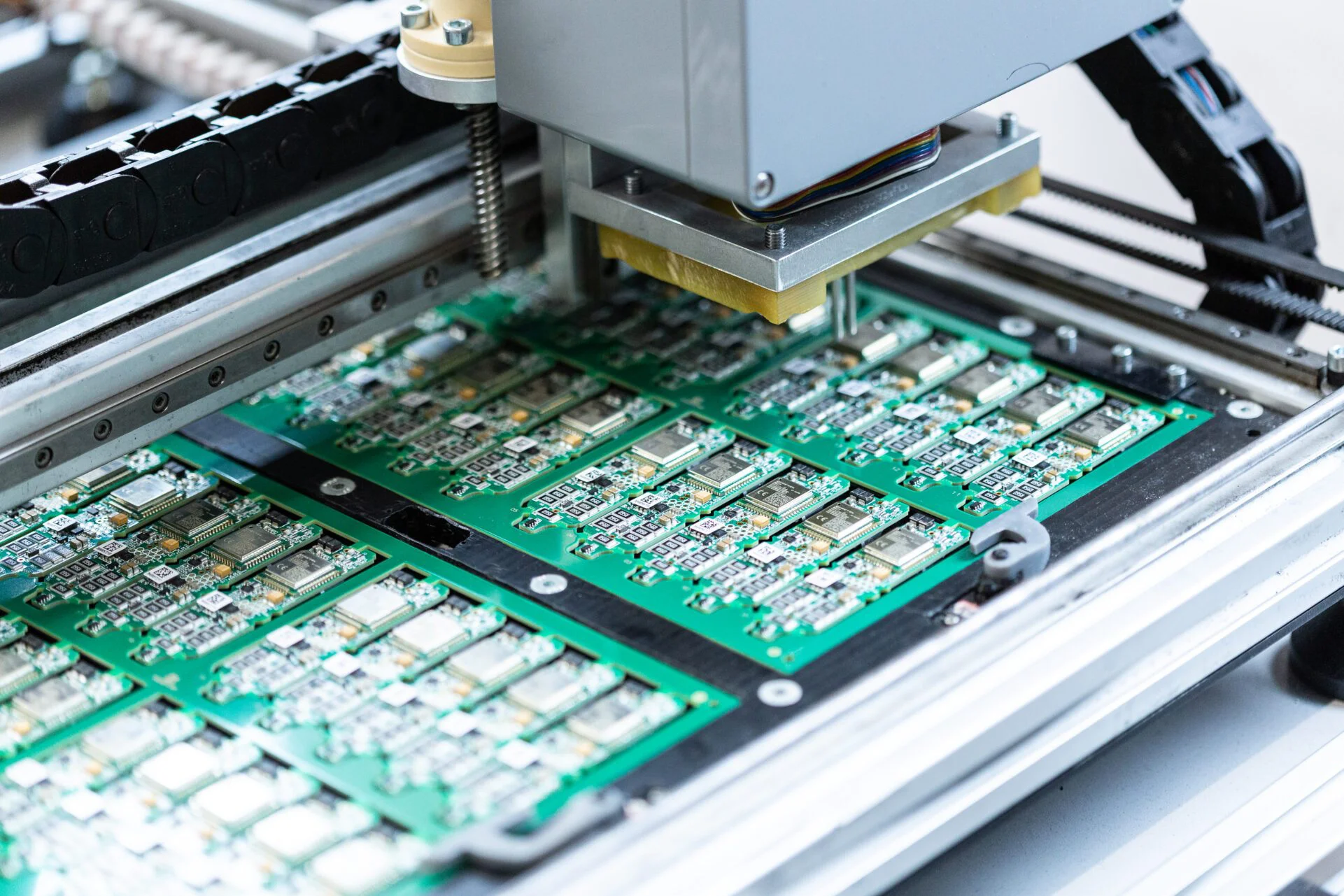
Electrical components are rarely used in isolation. They are integrated into assemblies, products and infrastructure where failure can cascade quickly: production lines stop, vehicles are grounded, safety systems trip, and customers face significant operational losses. For manufacturers, the financial exposure is not only the cost of replacing a defective part — it’s the downstream impact.
Defective Component & System Failure Liability insurance is about structuring the right mix of cover: product liability, product recall, professional indemnity (where design/specification applies) and policy extensions that reflect your sector and contractual position. Insure24 helps UK electrical component manufacturers secure terms from insurers who understand complex supply chains.
In practice, this is not a single insurance product. It’s a risk area that sits between product liability, recall/withdrawal, professional indemnity, and (sometimes) bespoke contractual protections.
The core concern is: if your component fails and causes a wider failure, who pays? The answer depends on the type of loss:
The role of Insure24 is to help you understand the boundaries of cover and structure insurance around the exposures you actually face.
If you manufacture, assemble, test, brand or distribute electrical components used in safety-critical, regulated or high-volume applications, you have potential exposure to defective component claims. This includes both high-tech and “commodity” parts, because low unit cost does not mean low liability when a batch affects thousands of finished products.
Common examples include:
If your products ship globally, your insurance also needs to consider jurisdiction, legal venue and the expectations of overseas customers. Export to the USA/Canada can materially change underwriting appetite, so it’s important to structure cover correctly from the outset.
Underwriters are not only concerned with what you manufacture, but how failures occur, how quickly they are detected, and what your controls look like. The following scenarios commonly drive large loss events in electrical supply chains:
Your insurance application should reflect how you manage these risks: traceability, quarantine, root cause analysis, corrective actions, and how you coordinate with customers when an issue is discovered. These factors can materially affect insurer terms and pricing.
Product liability insurance is designed to protect you if your products cause third-party injury or third-party property damage. In electrical components manufacturing, “property damage” may include damage to equipment, vehicles, infrastructure or other physical assets caused by failure, overheating, arcing or fire.
Examples where product liability may be relevant:
Underwriters will consider end-use, sectors supplied, territory (UK/EU/Worldwide), contract requirements and quality controls. We help you present this clearly to achieve higher limits and broader territorial cover where required.
Many defective component losses do not involve injury or property damage — they involve the cost of fixing the problem across a supply chain: locating affected batches, stopping shipments, organising returns, replacement production, rework labour, and logistics.
Depending on product type and insurer appetite, solutions may include:
If you supply OEMs, you may also face chargebacks for testing, line stoppage or field service. These exposures are often contract-driven and must be reviewed carefully. Insurance may not fully cover contract penalties, but we can structure solutions and advise on realistic protection.
If you provide design input, engineering drawings, specifications, or technical advice, you can be exposed to claims for financial loss arising from alleged negligence — even when no physical damage occurs.
PI can be relevant where you:
PI policies are written on a claims-made basis and need careful attention to retroactive dates, contract terms and exclusions. We can integrate PI with product liability programmes where appropriate, so the policy responds coherently across defect scenarios.
Many “system failure” disputes are fundamentally contractual. Customers may demand compensation for: line-down, delayed projects, field service costs, warranty extensions, and liquidated damages.
Insurance usually covers what is legally liable under tort or statute, not unlimited contractual promises. That’s why it is critical to understand the boundary between:
We can help you position contracts to insurers, seek endorsements where available, and avoid common coverage gaps. Even where a contract risk is not fully insurable, having the right policy structure can still protect you for defence costs and key exposures.
The fastest way to improve liability terms is to demonstrate control over defects: how they are prevented, detected, and managed. The list below reflects the information insurers commonly look for when underwriting defective component exposure:
Presenting these controls properly can reduce exclusions, improve insurer confidence and help you secure broader recall and export terms. If you want, we can turn this into an insurer-ready “risk presentation” summary you can reuse at renewal.
A tolerance issue causes poor contact resistance. Units overheat in service, resulting in damage to customer equipment and a field replacement programme. Liability may include property damage, investigation and legal costs, and potentially recall-style costs depending on the policy structure.
A wiring harness pin-out error causes system malfunction during commissioning. The customer incurs project delay and rectification costs. If no physical damage occurs, the claim may not fit standard product liability and may require PI or specialist extensions.
A defect is detected during OEM build. The OEM stops the line, quarantines stock and charges back the supplier for testing, rework and logistics. Insurance response depends heavily on recall/rectification wording and contractual exposures.
A component is specified for an environment beyond its rated temperature/vibration. Failure occurs during testing, leading to financial loss and redesign. This scenario often falls into PI territory if the claim alleges negligent advice/specification.
These examples illustrate why “defective component liability” is a multi-policy issue. We help ensure your programme aligns with how losses actually happen.

Insure24 helped us align product liability, recall and PI around our contracts. The insurer understood our testing and traceability and the policy finally matches our real exposure.
Quality Manager, UK Electrical Components ManufacturerTo quote defective component and system failure exposure accurately, insurers need clarity on what you make, where it is used, and what controls exist to prevent defects and manage incidents.
Does product liability cover a defective component if it only needs replacing?
What is product recall cover and do component manufacturers need it?
When do I need professional indemnity as well as product liability?
Are contractual penalties and chargebacks covered?
What information helps insurers offer better terms?
How quickly can Insure24 arrange cover?
A short circuit is often treated as a simple technical fault: a component fails, a fuse blows, a board burns out, an…
Batch defects in electrical components can turn into expensive, fast-moving problems. One faulty run of connectors, PCBs, capacitors, relays, power supplies, chargers, s…
When a transformer or a piece of switchgear overheats, the damage can spread fast: smoke and fire risk, power loss, damaged plant, spoiled stock, and busi…
Component manufacturing sites often run high-load, high-heat processes with tight tolerances and long…
Printed circuit boards (PCBs) sit at the heart of most modern products — from industrial controls and EV chargers to medical devices and consumer electronics. When a PCB fail…
If you manufacture electrical products in the UK—anything from control panels and power supplies to consumer electronics—insurance isn’t just a &l…
Electrical components manufacturing sits at the sharp end of modern industry. Your products may end up in medical devices, EV charging, industrial controls, telecoms, consu…