OEM & Contract Electrical Component Manufacturing Insurance

CALL FOR EXPERT ADVICE
GET A QUOTE NOW

Specialist cover for UK OEM, contract and white-label manufacturers of electrical components, assemblies and sub-systems.

CALL FOR EXPERT ADVICE
GET A QUOTE NOW

We compare quotes from leading insurers

  • Allianz
  • Aviva
  • QBE
  • RSA
  • Zurich
  • NIG

CONTRACT MANUFACTURING INSURANCE THAT SUPPORTS OEM SUPPLY CHAINS

Why OEM & Contract Manufacturing Insurance Matters

If you manufacture electrical components or assemblies on behalf of another brand, your risk profile is different to a traditional “own-brand” manufacturer. Contracts often include strict specifications, service level agreements, delivery milestones, testing requirements, warranty obligations and “flow-down” terms that mirror your customer’s contract with their end client. A single defect, late delivery or compliance issue can trigger expensive chain-reaction losses.

OEM and contract manufacturing businesses can also be heavily audited, and may need evidence of insurance limits, policy wording, territorial extensions, and contract liability features. Insure24 helps you present your risk to specialist underwriters in a way that supports your commercial agreements and reduces disruption when something goes wrong.

Who This Cover is For

This specialist insurance is designed for UK businesses involved in OEM, contract, white-label or outsourced manufacture of electrical components, sub-assemblies and finished products. Typical operations include:


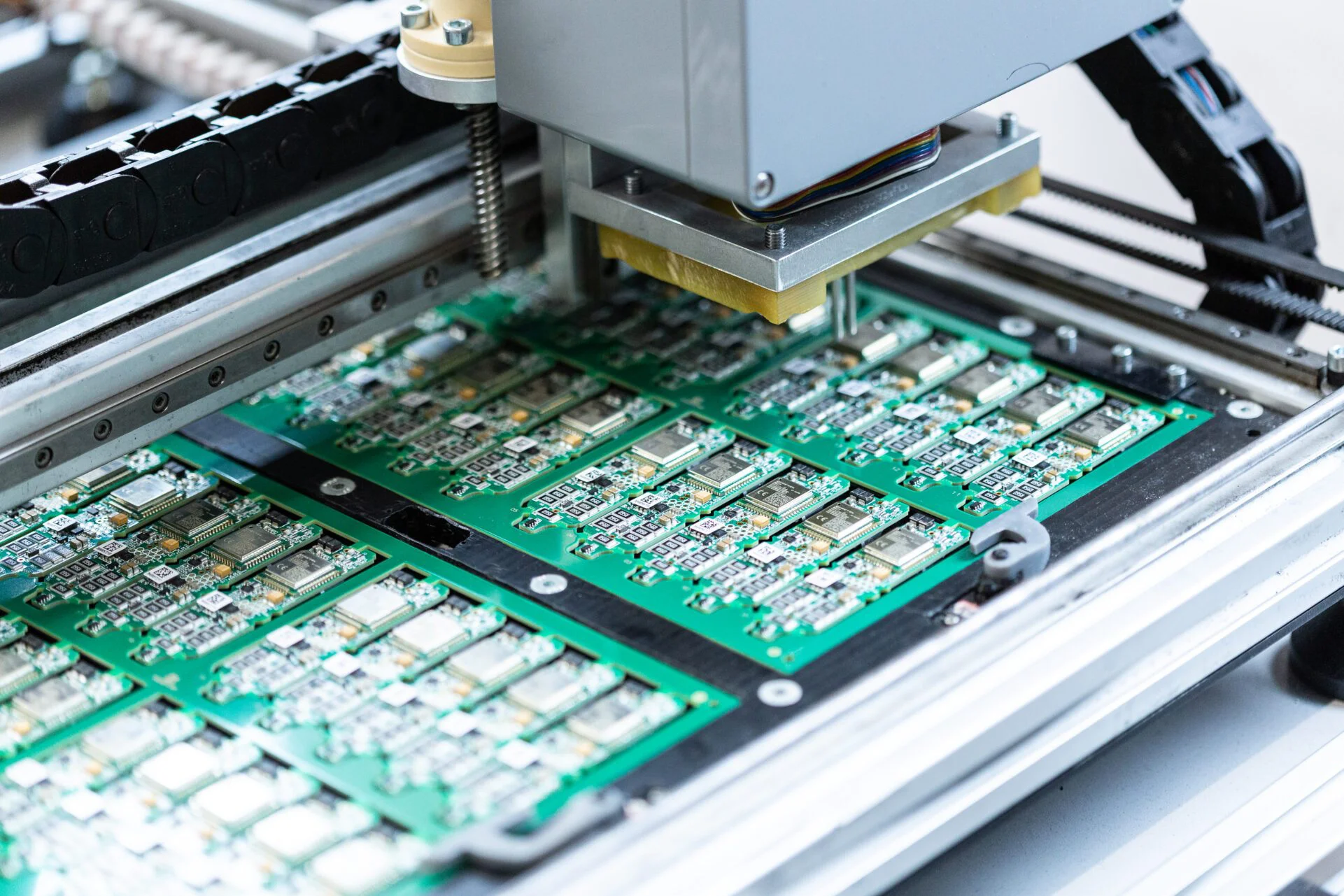
  • Contract PCB assembly (SMT/THT), cable harnessing and loom manufacture
  • Switchgear, control panel and enclosure build, wiring and test
  • Power distribution units, UPS assembly, chargers and converters (build-to-print)
  • Sensor assembly, relays, connectors, terminal blocks and component kitting
  • Electromechanical assembly and integration for OEM product lines
  • Prototype-to-production runs, NPI (new product introduction) support
  • Refurbishment, rework, reprogramming and warranty repair services

Core Insurance Covers for OEM & Contract Manufacturers

Many contract manufacturers assume they “only build to specification” and therefore carry less liability. In reality, your duties often include procurement, incoming inspection, process control, calibration, testing, traceability, packaging and shipping. These responsibilities create real exposure. A robust insurance programme typically includes:


  • Employers’ Liability – compulsory UK cover for employee injury/illness
  • Public Liability – injury or property damage to third parties on/around your premises
  • Products Liability – injury/property damage arising from goods you manufactured/supplied
  • Professional Indemnity – design/specification/advice risk (especially if you do DFM, testing, or design changes)
  • Product Recall – costs to withdraw, repair or replace defective batches (subject to policy terms)
  • Property & Stock – buildings (if owned), contents, raw materials and finished goods
  • Business Interruption – loss of gross profit following insured damage / disruption
  • Tooling / Customer Goods – cover for customer-owned tools, jigs, dies and special test rigs (where insurable)
  • Goods in Transit – inward/outward shipments, including high-value electronic assemblies
  • Cyber – ransomware, data breach, and operational disruption (especially where you exchange CAD/BOM/test data)

Contractual Liability, Flow-Down Terms & OEM Agreements

OEM and contract manufacturing contracts can create exposures that standard policies do not automatically respond to. Common examples include warranty clauses, indemnities, “hold harmless” wording, limitation of liability terms, liquidated damages, service credits and quality penalties. While insurance can’t rewrite your contract, we can help structure cover so underwriters clearly understand what you do and how risk is controlled.

The biggest problem we see is businesses assuming “product liability covers everything”. In practice, product liability usually responds to bodily injury or property damage. OEM disputes often start as pure financial loss (rework cost, downtime, line stoppage, missed delivery). Where insurable solutions exist—such as product recall, professional indemnity, or carefully-managed extensions—we help you access them.

Common OEM Contract Triggers


  • Batch defect discovered during final customer assembly or end-of-line testing
  • Traceability failure (e.g., lot code missing, calibration records incomplete)
  • Incorrect component substitution / counterfeit parts in the supply chain
  • Packaging failure causing transit damage or ESD exposure
  • Late delivery leading to line stoppage, missed milestones and expediting costs
  • Firmware or configuration mismatch between builds (where you program devices)
  • Regulatory / certification non-conformity (CE/UKCA/EMC documentation issues)

What Underwriters Want to See


  • Clearly defined scope (build-to-print vs design responsibility)
  • QA controls, incoming inspection and supplier approval process
  • ESD policy, clean workstations and handling standards
  • Test and inspection records, functional test coverage and sample rates
  • Calibration schedule for measuring equipment
  • Traceability: lot/batch control, serialisation and retention period
  • Correct contractual allocation of responsibility with the OEM / customer

Product Liability for Electrical Components & Assemblies

Electrical component failures can result in overheating, arcing, fire, shock, equipment damage and significant downstream disruption. Even where you produce a small sub-assembly, if it becomes part of an OEM’s finished product, any defect can create a wide impact radius.

We help you align product liability limits and territories to the reality of your supply chain. This includes considering where the end products are sold, which industries are served (industrial automation, EV, renewable energy, telecoms, medical devices, rail, aerospace), and whether high-risk applications require additional underwriting detail.

Examples of Liability Scenarios


  • A PSU assembly overheats due to solder joint failure, causing property damage
  • A wiring harness is mis-pinned, resulting in equipment damage during commissioning
  • An enclosure has inadequate ingress protection, leading to shorting and fire risk
  • A component substitution alters performance and causes a safety system fault
  • ESD damage leads to latent failure in the field and escalation to OEM claims

Key Information for Quotes


  • Annual turnover and split by contract/OEM vs own-brand
  • Largest customer concentration and key sectors served
  • Export split (UK/EU/Worldwide) and US/Canada exposure
  • What you manufacture (components, assemblies, finished units)
  • Your role: build-to-print vs design input (DFM/DFT, redesign)
  • Testing protocols and QA documentation
  • Any past claims, rework incidents or recalls

Product Recall, Rework & Remediation Costs

Recall and remediation events are common in electronics manufacturing because issues can be subtle: micro-cracks, contamination, counterfeit semiconductors, wrong resistor values, firmware configuration mismatches, or process drift that only becomes visible after environmental stress.

OEM customers may demand immediate containment: quarantine stock, stop-ship, root cause analysis, corrective actions and replacement builds. A recall-style policy (where available and appropriate) can help with the practical costs of fixing a defect scenario, not just third-party injury/property damage.

Typical Recall / Remediation Activities


  • Notifying customers and initiating containment actions
  • Collection/return logistics and controlled disposal
  • Strip-down, rework, reprogramming and re-test
  • Replacement production runs and expediting freight
  • Root-cause investigation and reporting
  • Crisis communications (where relevant)

How to Reduce Recall Risk


  • Approved vendor lists (AVL) and strong supplier onboarding
  • Incoming inspection and counterfeit mitigation controls
  • Process control: solder paste, reflow profiles, AOI and X-ray where applicable
  • Traceability and batch control across materials and finished goods
  • Environmental stress testing and functional test coverage
  • Formal CAPA process (corrective and preventive actions)

Property, Stock & Business Interruption for Electronics Factories

Contract manufacturing margins often depend on high utilisation, on-time delivery and stable production. A fire, flood, theft, power surge or machinery breakdown can quickly become a contractual dispute if deliveries are missed.

We help you ensure your sums insured and indemnity periods reflect real recovery times—especially where specialist equipment, long-lead components, clean/ESD environments, calibration and requalification are part of your operation.

Property & Stock Considerations


  • SMT lines, reflow ovens, wave solder and selective solder equipment
  • Test rigs, burn-in racks, hipot testers and programmable loads
  • ESD flooring, benches, wrist strap monitoring and controlled storage
  • High-value components and WIP (work in progress)
  • Customer-owned stock, tooling and consignment arrangements (where applicable)

Business Interruption Essentials


  • Gross profit and increased cost of working
  • Alternative premises / temporary production arrangements
  • Supplier dependency extensions (critical components)
  • Utility failure and electrical supply issues
  • Indemnity periods that match requalification + customer approval timelines

Cyber, Data & IP Risks in Contract Manufacturing

OEM relationships often involve sensitive files: CAD drawings, BOMs, firmware, test scripts, calibration records, customer contact details and shipping data. Many contract manufacturers are connected to customer portals, EDI systems, and shared development environments. This creates exposure to ransomware, business email compromise, fraud, and data breach allegations.

Cyber insurance can provide incident response support, forensic investigation, legal guidance, and cover for certain costs and liabilities—subject to terms. It can also help address supply-chain cyber risk where disruption affects your ability to deliver.

Common Cyber Scenarios


  • Ransomware encrypts production scheduling, QA records or ERP systems
  • Invoice fraud / payment diversion via email compromise
  • Data loss involving customer CAD/BOM files
  • Operational disruption caused by supplier or hosted platform outages
  • Malware spreads via shared file transfers

Security Controls That Help Underwriting


  • MFA for email, VPN and admin accounts
  • Segregated backups and tested restore procedures
  • Patch management and endpoint protection
  • Supplier access controls and least-privilege permissions
  • Incident response plan and staff awareness training
Quote icon

“We supply multiple OEM customers and needed clear evidence of product liability, recall options and contract-aware advice. Insure24 understood our processes and presented us properly to underwriters.”

Operations Director, UK Contract Electronics Manufacturer

Why Choose Insure24 for OEM & Contract Manufacturing Insurance

Contract manufacturing is about systems, evidence, repeatability and fast response. We mirror that approach in insurance placement—building a clear underwriting presentation that answers the questions insurers and OEMs care about, while keeping the process practical for your team.


  • Manufacturing-aware broking – we understand QA, testing, traceability and supply chain realities
  • Contract-sensitive approach – we consider OEM requirements and evidence needs
  • Access to specialist markets – including complex product and export exposures
  • Fast turnaround – structured quote data to speed up underwriting decisions
  • Claims support – guidance when a defect or disruption event occurs

How to Get OEM & Contract Manufacturing Insurance

We keep it simple, but structured—because the details matter in contract manufacturing. If you can share the basics (turnover, products, customers, territories, and QA controls), we can typically approach markets quickly.


  • 1. Tell us what you make – components/assemblies, build-to-print vs design input
  • 2. Share key exposures – exports, high-risk sectors, largest customers and contract requirements
  • 3. Evidence your controls – QA/testing, traceability, supplier approval, ESD controls
  • 4. We approach specialist insurers – negotiate limits, wording and extensions
  • 5. Cover in place – documentation for OEM onboarding and ongoing compliance

FREQUENTLY ASKED QUESTIONS

+-

Do contract manufacturers need product liability if they build to the OEM’s specification?

In most cases, yes. Even when you build-to-print, you may still be responsible for workmanship, process control, testing, traceability, packaging and shipping. If a defect causes injury or property damage, product liability can be critical.

+-

Will insurance cover “line stoppage” or OEM downtime costs?

Often not under standard product liability, because line stoppage is usually financial loss rather than injury/property damage. Depending on your operation and contracts, there may be more suitable solutions to consider (e.g., recall-style cover, PI for design input, or contract review to manage exposure). We’ll help you understand what is and isn’t insurable.

+-

What if the OEM requires £5m or £10m product liability?

Higher limits are common in OEM supply chains. We can source increased limits and confirm territorial scope (UK/EU/worldwide), then provide evidence of insurance to support vendor onboarding and audits.

+-

Do we need professional indemnity if we don’t “design” products?

If you provide any design input—DFM/DFT advice, component substitution recommendations, test method sign-off, configuration control, or documentation that the OEM relies on—PI may be appropriate. If you are strictly build-to-print with no advice or design changes, PI may be less relevant, but it depends on your contracts and practices.

+-

How fast can we get a quote for contract manufacturing insurance?

For straightforward risks we can often obtain indicative terms quickly. For complex products, exports, high limits or recall discussions, allow 1–2 business days so we can present the risk properly to specialist underwriters.

+-

Can you cover customer-owned tooling, jigs and fixtures?

In some cases, yes. Where you hold customer-owned items on site, there may be solutions via property / goods held in trust style arrangements, subject to policy wording and insurer acceptance. We’ll advise what information is needed.

Related Blogs