

 My Account





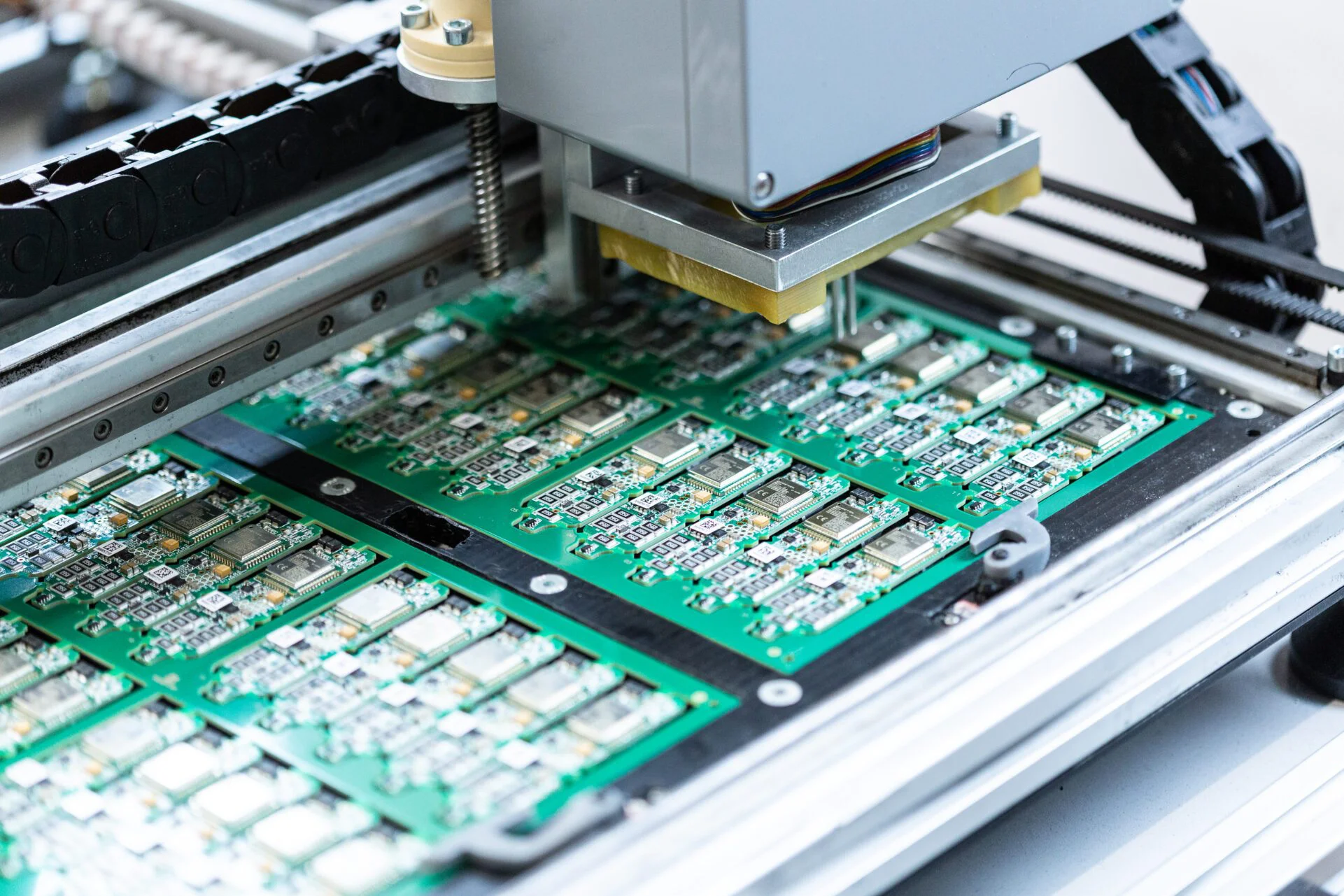
Short Circuits & System Failure – Downstream Liability Explained
Introduction: why “downstream liability” matters
A short circuit is often treated as a simple technical fault: a component fails, a fuse blows, a board burns out, an…






Connectors, cables and wiring harnesses are often “small components with big consequences”. One incorrect crimp, a tolerance issue on a pin, insulation degradation, or a material traceability gap can cause downstream failures in automotive, aerospace, rail, marine, renewables, industrial automation and consumer electronics.
Your insurance needs to reflect real-world exposures: contractual penalties, recall costs, testing requirements, export territories, and the high-value, high-volume nature of supply chains. Insure24 arranges specialist manufacturing insurance for UK connector, cable, loom and harness manufacturers – whether you make bespoke harness assemblies or supply standardised components at scale.
This cover is designed for UK businesses involved in designing, manufacturing, assembling, testing, or distributing:
Underwriters look at your end-use, testing, traceability and contractual obligations. The following risks commonly drive claims, premium increases, or policy restrictions if not presented properly:
Product liability is often the cornerstone of manufacturing insurance. For harness and connector businesses, the key issue is that your components are typically integrated into larger assemblies. A failure may not be discovered until the OEM’s production line, end-user testing, or (worst case) during operation in the field.
A well-structured liability programme can address:
Underwriters will expect evidence of quality management and process control – such as documented crimp standards, pull tests, electrical continuity tests, insulation resistance tests, and clear quarantine procedures for non-conforming product.
Many connector and harness claims are not classic “injury or damage” cases. Instead, the financial pain comes from: OEM chargebacks, rework programmes, returns logistics, replacement labour, line-down costs, expedited shipping, and specialist testing.
Depending on your market and contracts, you may need:
Your policy structure should reflect how failures are discovered and who bears the cost. We help you present contracts, supply chain position (OEM/Tier 1/Tier 2), and testing regimes so insurers can offer appropriate terms.
If you provide design input, engineering drawings, prototype builds, or specify materials and routing for a harness assembly, you may be exposed to allegations of design error or negligent specification – even if the build quality is excellent.
Professional indemnity (PI) can be relevant where you:
PI is particularly important for aerospace, rail, defence, medical devices and industrial automation where design documentation and traceability are heavily scrutinised.
Cable and harness operations often hold high volumes of raw materials and finished goods: copper, aluminium conductors, insulation polymers, resins, adhesives, heat shrink, mouldings, terminals, housings, reels, and packaging. Stock values can rise quickly – especially when you’re holding customer-owned materials or building kits for staged deliveries.
A robust property programme typically considers:
If you operate processes involving heat, soldering, overmoulding, ultrasonic welding, or solvent-based cleaning, insurers may ask about fume extraction, hot works control and housekeeping standards.
Connector, cable and harness manufacturing relies on specialist production equipment. A single failure can stop an entire line: cutting and stripping machines, crimping presses, injection moulders, ultrasonic welders, test rigs and automated inspection stations.
Engineering / breakdown cover can help address:
Insurers will often ask about planned maintenance, spares strategy, calibration logs, and whether critical machines have single points of failure.
Even a short interruption can have an outsized impact when you supply just-in-time assemblies to OEMs. Line-down penalties and expedited recovery costs can exceed the direct property damage. Business interruption insurance is designed to protect your gross profit, helping you stabilise cashflow while recovering.
We typically consider:
The goal is to avoid being underinsured at the point it matters most: when you’re trying to keep customers supplied and protect key contracts while repairs and replacements are underway.
Employers’ Liability (EL) is compulsory in the UK for most businesses with employees. For cable and harness operations, EL risk drivers often include manual handling, repetitive strain from assembly tasks, machine guarding, noise, solder fumes, adhesives, and forklift / warehouse activity.
Good risk presentation to insurers includes:
Manufacturing businesses are increasingly targeted by cyber criminals because disruption is expensive. Attackers know that halting production schedules, locking ERP systems, or corrupting QC records can create immediate pressure to pay.
Cyber insurance can support:
For connector and harness manufacturers, this also includes risks around design files, customer drawings, and contractual confidentiality obligations.
Connectors and harness assemblies are often supplied into highly regulated environments where documentation and change control matter. Underwriters may ask which standards you work to and how you manage traceability.
Common frameworks include:
Presenting these controls clearly helps you secure broader cover, better terms and fewer exclusions.
We build policies around your real exposures: the sectors you supply, contract terms, export territories, and the value of stock and equipment. Below are example structures (limits and availability vary by insurer and underwriting):

Insure24 helped us structure cover around OEM contracts, export exposure and recall concerns. Clear advice, fast turnaround and the insurer understood our operation.
Operations Manager, UK Wiring Harness ManufacturerWhat does connectors, cabling & wiring harness manufacturing insurance cover?
Do I need product recall cover if I supply OEMs?
Will insurers ask about crimp testing and QC procedures?
Is professional indemnity needed for bespoke harness design?
Can I get cover for exports to the EU or USA?
What drives the cost of this insurance?
Does business interruption cover line-down penalties from customers?
How quickly can I get a quote?
A short circuit is often treated as a simple technical fault: a component fails, a fuse blows, a board burns out, an…
Batch defects in electrical components can turn into expensive, fast-moving problems. One faulty run of connectors, PCBs, capacitors, relays, power supplies, chargers, s…
When a transformer or a piece of switchgear overheats, the damage can spread fast: smoke and fire risk, power loss, damaged plant, spoiled stock, and busi…
Component manufacturing sites often run high-load, high-heat processes with tight tolerances and long…
Printed circuit boards (PCBs) sit at the heart of most modern products — from industrial controls and EV chargers to medical devices and consumer electronics. When a PCB fail…
If you manufacture electrical products in the UK—anything from control panels and power supplies to consumer electronics—insurance isn’t just a &l…
Electrical components manufacturing sits at the sharp end of modern industry. Your products may end up in medical devices, EV charging, industrial controls, telecoms, consu…