

 My Account

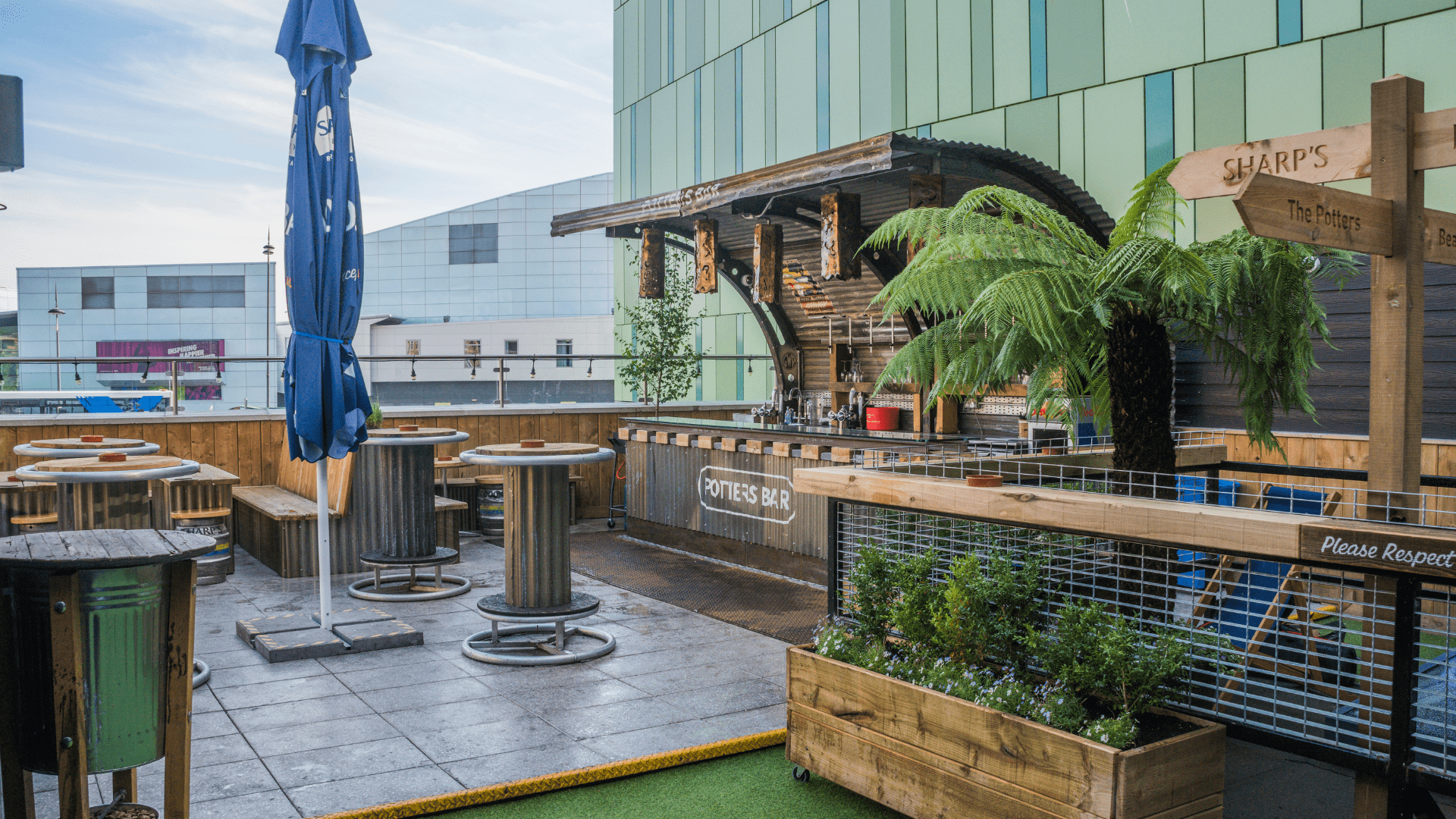
Running a bar comes with unique risks and responsibilities. From busy Friday nights with crowds of customers to quiet wee…
Wine Bar Insurance: Essential Coverage for Your Wine Business
Wine bars represent a unique blend of hospitality, retail, and culinary expertise, creating distinctive insurance needs that standard business policies often fail to address. Whether you operate an intimate neighborhood wine bar, an upscale wine lounge, or a wine bar with extensive food service, understanding your insurance requirements is crucial for protecting your investment and ensuring business continuity.
Understanding Wine Bar Insurance Fundamentals
Wine bar insurance encompasses multiple coverage types designed to protect against the specific risks inherent in wine service operations. Unlike standard restaurant or retail insurance, wine bar coverage must address unique exposures including valuable wine inventory, alcohol liability, sophisticated equipment, and the specialized nature of wine service.
The foundation of wine bar insurance typically includes general liability, property insurance, liquor liability, and business interruption coverage. However, the specific needs of your wine bar will depend on factors such as your business model, location, inventory value, food service offerings, and customer demographics.
Essential Coverage Components
Property Insurance
Your wine bar's property insurance should provide comprehensive coverage for your building, wine inventory, specialized equipment, and business contents. Wine bars often house valuable collections requiring specific coverage limits and conditions. Consider coverage for wine storage systems, temperature control equipment, specialized glassware, and point-of-sale systems.
Wine inventory presents unique challenges due to value fluctuations and storage requirements. Ensure your policy adequately covers your wine stock at replacement cost, including rare or vintage bottles that may appreciate over time. Temperature-controlled storage areas require specific coverage for equipment breakdown and spoilage.
General Liability Insurance
General liability coverage protects against third-party claims for bodily injury or property damage occurring on your premises. In wine bars, this includes slip and fall accidents, injuries from broken glass, or damage caused by intoxicated patrons. The coverage should extend to your outdoor seating areas, private event spaces, and any areas where customers have access.
Liquor Liability Insurance
Liquor liability is perhaps the most critical coverage for wine bar operations. This insurance protects against claims arising from serving alcohol to intoxicated individuals or minors. Wine bars face unique challenges as wine service often involves extended tasting sessions and educational components that can lead to overconsumption.
Your liquor liability policy should provide adequate limits considering your local market and typical settlement amounts. Many wine bars require minimum coverage of £1-2 million, though upscale establishments may need higher limits. The policy should cover both on-premises consumption and any off-premises events you may cater.
Business Interruption Insurance
Business interruption coverage compensates for lost income when your wine bar cannot operate due to covered perils. This coverage is particularly important for wine bars, as closures can result from various causes including equipment failures affecting wine storage, licensing issues, or damage to specialized areas.
Consider extended business interruption coverage that includes losses from supplier failures, utility outages, or civil authority closures. Wine bars often depend on specific suppliers and temperature-controlled environments, making these extensions valuable.
Professional Indemnity Insurance
Wine bars offering sommelier services, wine education, or investment advice may require professional indemnity coverage. This protects against claims arising from professional services, including incorrect wine recommendations, educational content errors, or advice regarding wine investments.
Specialized Wine Bar Risks
Wine Storage and Spoilage
Temperature control failures can destroy entire wine inventories within hours. Ensure your policy covers spoilage due to equipment breakdown, power outages, and temperature fluctuations. Consider coverage for both refrigerated and cellar storage areas, including backup power systems.
Theft and Security
Wine bars face significant theft risks due to valuable inventory and cash transactions. Coverage should include employee theft, burglary, and robbery. Consider security requirements your insurer may impose, such as alarm systems, security cameras, or safe storage for high-value bottles.
Glass Breakage
Wine service involves extensive glassware use, creating both liability and property risks. Ensure adequate coverage for specialized wine glasses, decanters, and serving equipment. Consider whether your policy covers accidental breakage by staff and customers.
Food Service Risks
Wine bars serving food face additional exposures including food poisoning, allergen reactions, and kitchen fires. If you offer food service, ensure your policy includes product liability coverage and consider food contamination insurance.
Factors Affecting Wine Bar Insurance Costs
Location and Demographics
Urban wine bars typically face higher insurance costs due to increased liability exposures and property values. Areas with higher crime rates may require additional security measures and coverage. Consider your neighborhood's demographics and typical customer behavior patterns.
Business Model
Wine bars focusing on retail sales may have different risk profiles than those emphasizing on-premises consumption. Educational wine bars offering classes or tastings may face additional professional liability exposures. Private event hosting increases both liability and property risks.
Inventory Value
Higher-value wine inventories require increased coverage limits and may necessitate specific storage and security requirements. Rare wine collections may require scheduled coverage with individual item limits.
Operating Hours
Late-night operations typically increase liability risks and may affect premium calculations. Consider how your operating schedule impacts both customer demographics and security risks.
Risk Management Strategies
Staff Training
Comprehensive staff training in responsible alcohol service can significantly reduce liability risks. Ensure all staff understand signs of intoxication, proper ID checking procedures, and appropriate intervention techniques. Document training programs for insurance purposes.
Security Measures
Implement appropriate security measures including alarm systems, security cameras, and secure storage for high-value inventory. Consider hiring security personnel for busy periods or special events.
Maintenance Programs
Regular maintenance of temperature control systems, refrigeration equipment, and other critical systems can prevent costly losses. Document maintenance schedules and keep records of all service work.
Vendor Relationships
Establish relationships with reliable suppliers and service providers. Consider backup suppliers for critical items and emergency service providers for equipment failures.
Choosing the Right Insurance Provider
Industry Experience
Select insurers with specific experience in hospitality and alcohol service industries. Providers familiar with wine bar operations better understand your unique risks and coverage needs.
Coverage Flexibility
Look for insurers offering flexible coverage options that can adapt to your changing business needs. Consider providers offering package policies specifically designed for wine bars or hospitality businesses.
Claims Handling
Research potential insurers' claims handling reputations, particularly for hospitality-related claims. Fast, fair claims resolution is crucial for maintaining business operations.
Risk Management Support
Many insurers offer risk management resources including training materials, safety programs, and consultation services. These resources can help reduce risks and potentially lower premiums.
Legal and Regulatory Considerations
Licensing Compliance
Maintain compliance with all alcohol licensing requirements, as violations can void insurance coverage. Ensure your policy covers legal defense costs for licensing disputes.
Health and Safety Regulations
Comply with all applicable health and safety regulations, including food safety requirements if you serve food. Non-compliance can affect coverage and increase liability risks.
Employment Law
Ensure compliance with employment laws, particularly regarding responsible service training and workplace safety. Consider employment practices liability coverage if not included in your general policy.
Seasonal and Event Considerations
Seasonal Variations
Wine bars often experience seasonal fluctuations in business volume and risk exposures. Ensure your coverage adequately addresses peak season risks and consider seasonal adjustment options.
Special Events
Private parties, wine tastings, and special events create additional liability exposures. Verify that your policy covers these activities or consider event-specific coverage when needed.
Holiday Periods
Holiday periods often bring increased risks due to higher customer volumes and consumption levels. Review your coverage limits and risk management procedures for these periods.
Financial Protection and Business Continuity
Adequate Limits
Ensure coverage limits adequately protect your business assets and potential liability exposures. Consider umbrella coverage for additional protection beyond standard policy limits.
Deductible Selection
Choose deductibles that balance premium costs with your ability to handle out-of-pocket expenses. Higher deductibles can reduce premiums but increase financial exposure for smaller claims.
Payment Options
Consider payment options that support your cash flow needs. Many insurers offer monthly payment plans or seasonal adjustment options for businesses with fluctuating revenues.
Conclusion
Wine bar insurance requires careful consideration of unique risks and exposures inherent in alcohol service operations. From valuable wine inventory and specialized equipment to liquor liability and business interruption risks, comprehensive coverage is essential for protecting your investment and ensuring business continuity.
Working with experienced insurance professionals who understand the wine bar industry can help ensure you obtain appropriate coverage at competitive rates. Regular policy reviews and updates ensure your coverage evolves with your business needs and changing risk exposures.
Remember that insurance is just one component of effective risk management. Combining comprehensive coverage with proper staff training, security measures, and maintenance programs creates the foundation for successful wine bar operations.
The investment in proper insurance coverage provides peace of mind, allowing you to focus on what you do best – creating exceptional wine experiences for your customers while building a successful and sustainable business.