

 My Account

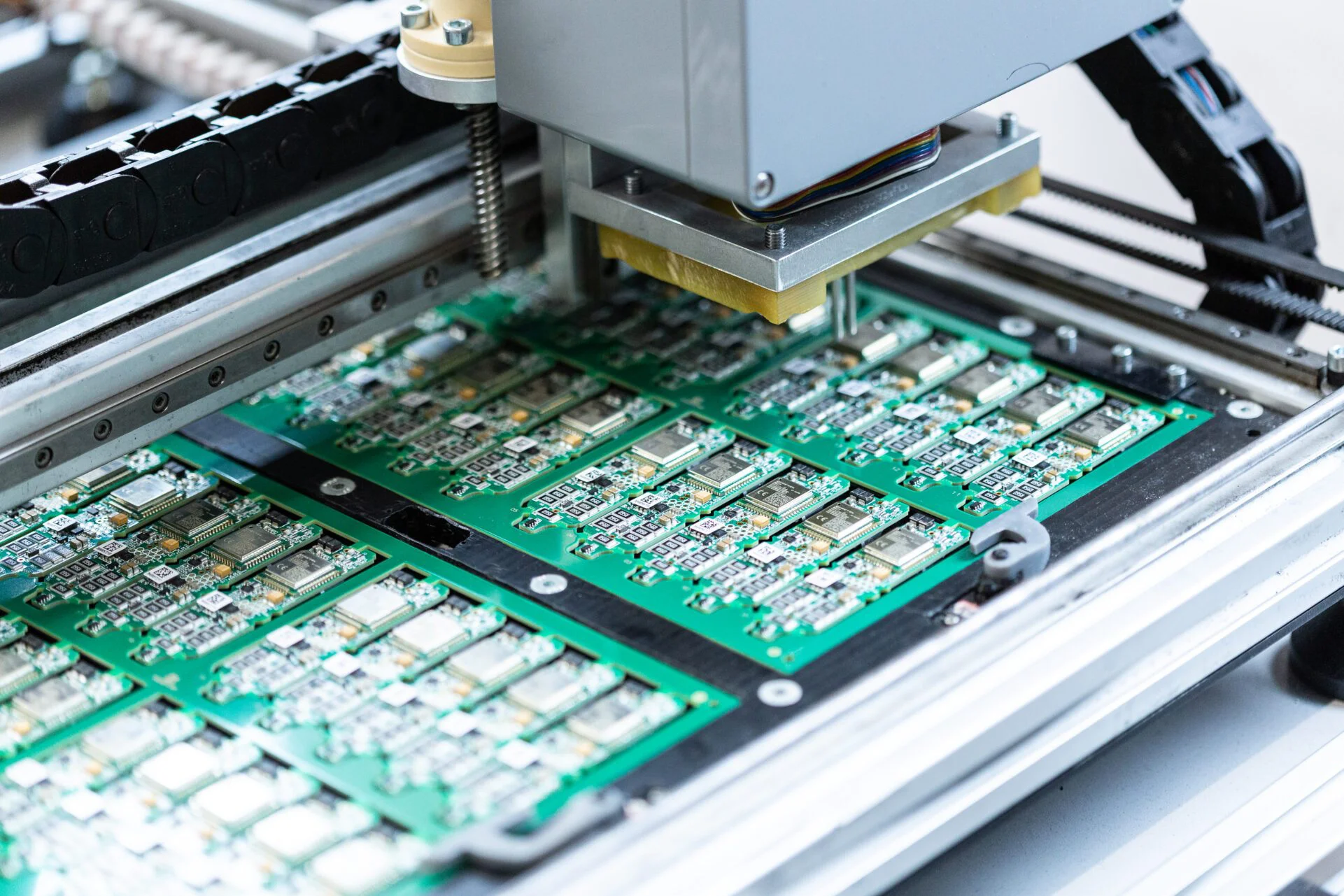
What Happens If a PCB Fails? (Product Liability Explained)
Introduction
Printed circuit boards (PCBs) sit at the heart of most modern products — from industrial controls and EV chargers to medical devices and consumer electronics. When a PCB fail…
Printed circuit boards (PCBs) sit at the heart of most modern products — from industrial controls and EV chargers to medical devices and consumer electronics. When a PCB fails, the impact can be small (a device stops working) or serious (a fire, an electric shock, corrupted data, or a safety-critical system behaving unpredictably).
For manufacturers, importers, and brands selling into the UK, the bigger question is often: what happens next — and who carries the legal and financial risk? This article breaks down what PCB failure can trigger in the real world, how product liability works in the UK, and what practical steps reduce both claims and disruption.
A PCB can fail in different ways, and the type of failure often shapes the severity of the claim.
Common outcomes include:
In safety-critical environments — healthcare, manufacturing, transport, energy, construction sites — a “simple” PCB fault can become a bigger incident because it triggers downtime, safety issues, or damage to third-party property.
From a claims perspective, the cause matters because it points to whether the issue is:
Common causes include:
Even if you outsource PCB assembly, the brand placing the product on the market can still face the claim first — and then seek recovery from the supply chain.
In many businesses, a PCB failure triggers a predictable sequence:
The key is that the costs start long before a lawsuit. Investigation, logistics, and customer management can be the biggest drain.
“Product liability” is the legal responsibility for harm caused by a defective product.
In the UK, claims can arise under:
For many PCB-related incidents, the claim may be framed as: the product was not as safe as people are generally entitled to expect.
Depending on how the product is sold and branded, liability can sit with:
In practice, the claimant often targets the party that is easiest to identify and has assets/insurance — commonly the brand owner or UK importer.
A PCB failure can lead to several categories of cost:
If a failure causes electric shock, burns, or other injury, claims can include:
Examples:
Even without injury, you may face:
For B2B customers, a failure can trigger:
If the product is regulated (for example, medical devices), you may need:
If your PCB sits inside a medical device, the stakes are higher because failures can affect patient safety.
In the UK, medical devices must meet the relevant regulatory requirements (including UKCA marking and quality management expectations). A PCB fault that changes performance, alarms, or dosing/control behaviour can trigger:
Even where the PCB is only one part of the system, investigators will look at whether risks were identified and controlled.
When something goes wrong, your response matters. Good practice includes:
Insurance doesn’t stop a failure — but it can protect cashflow and keep the business trading.
Common covers to discuss with a broker include:
The right mix depends on whether you design, manufacture, import, or simply brand and distribute.
Insurers and investigators often look for evidence of good controls. Practical steps include:
If a claim happens, being able to show a disciplined approach can reduce the severity and improve outcomes.
Not automatically — but you may still face a claim. Under UK strict liability rules, a claimant may not need to prove negligence if the product is considered defective and caused injury or property damage.
You may still be the first target for the claim (especially if you are the brand owner or importer). You can then pursue recovery from the supplier depending on your contracts and evidence.
A recall or field action is often a risk-control step. It can be sensible even when the root cause is still being confirmed.
Misuse or incorrect installation can be a defence, but only if your instructions and warnings were clear and reasonable, and the product was otherwise safe.
Often, product liability focuses on third-party injury/property damage. Recall costs and replacing your own products may require specific extensions or separate recall cover.
PCB failures are not only technical problems — they can become legal, financial, and reputational events. The best protection is a mix of strong design and quality controls, clear documentation, and a response plan that preserves evidence and protects customers.
If you manufacture, import, or sell electronics in the UK — especially in medical technology or other safety-critical sectors — it’s worth reviewing your product liability exposure and making sure your insurance and contracts match the real-world risk.
Need help reviewing your product liability cover for electronics or medical devices? Speak to Insure24 for a practical, UK-focused review and a quote tailored to how you design, build, and supply your products.
Printed circuit boards (PCBs) sit at the heart of most modern products — from industrial controls and EV chargers to medical devices and consumer electronics. When a PCB fail…
If you manufacture electrical products in the UK—anything from control panels and power supplies to consumer electronics—insurance isn’t just a &l…
Electrical components manufacturing sits at the sharp end of modern industry. Your products may end up in medical devices, EV charging, industrial controls, telecoms, consu…