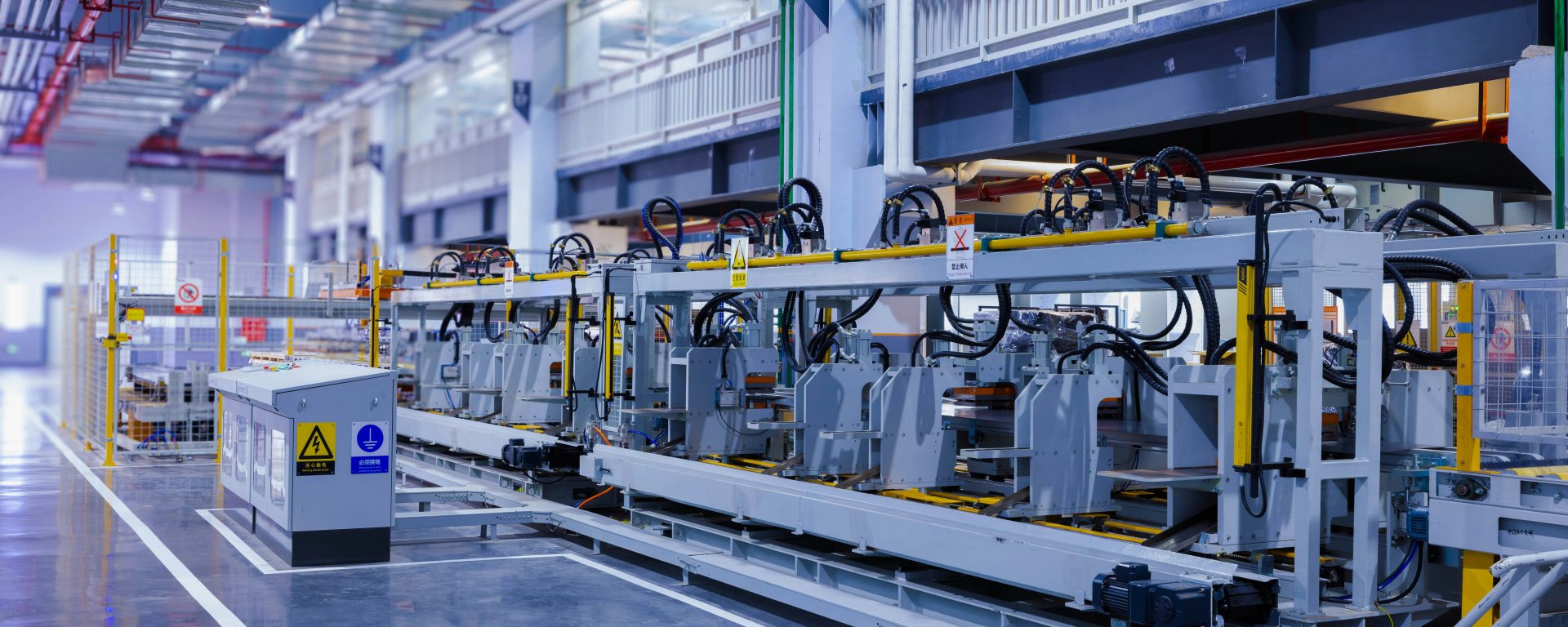
Valeo: Thermal Systems, Lighting, and Electrical Components Manufacturing Insurance
Introduction
The automotive components manufacturing sector represents one of the most complex and risk-intensive industries in modern manufacturing. Companies like Valeo, which specialize in thermal systems, lighting solutions, and electrical components, face unique challenges that demand comprehensive insurance protection. As a global leader in automotive technology, Valeo's operations span multiple continents, involving intricate supply chains, cutting-edge research and development, and sophisticated manufacturing processes that power millions of vehicles worldwide.
Manufacturing insurance for thermal systems, lighting, and electrical components extends far beyond basic property coverage. It encompasses protection against product liability claims, business interruption, supply chain disruptions, cyber threats, and the evolving risks associated with autonomous vehicle technology. For manufacturers operating at Valeo's scale and sophistication, understanding the insurance landscape is not merely a regulatory requirement but a strategic imperative that protects innovation, safeguards reputation, and ensures business continuity.
This comprehensive guide explores the essential insurance considerations for thermal systems, lighting, and electrical components manufacturing, examining the specific risks faced by automotive component manufacturers and the coverage solutions designed to address them.
Understanding the Manufacturing Landscape
Thermal Systems Manufacturing
Thermal management systems represent critical safety and performance components in modern vehicles. These systems regulate engine temperature, manage cabin climate control, and increasingly support battery thermal management in electric vehicles. Manufacturing these components involves precision engineering, high-temperature testing, and stringent quality control processes.
The production environment for thermal systems includes specialized equipment for heat exchanger assembly, refrigerant handling, and pressure testing. Each stage introduces specific risks, from equipment malfunction and material defects to environmental contamination and workplace injuries. Insurance protection must address both the manufacturing process and the downstream liability associated with component failure in operational vehicles.
Lighting Systems Production
Automotive lighting has evolved dramatically from simple incandescent bulbs to sophisticated LED and adaptive lighting systems that integrate with vehicle safety features. Modern lighting manufacturing requires cleanroom environments, precision optics production, and complex electronic integration. The production process involves injection molding, lens polishing, LED assembly, and comprehensive testing protocols.
Lighting manufacturers face unique liability exposures related to visibility and safety. A defective headlight assembly could contribute to accidents, triggering substantial product liability claims. Additionally, the intellectual property embedded in adaptive lighting technology represents valuable assets requiring specialized insurance protection against theft, infringement claims, and cyber threats.
Electrical Components Manufacturing
Electrical components form the nervous system of modern vehicles, controlling everything from engine management to infotainment systems. Manufacturing these components demands precision assembly, extensive testing, and rigorous quality assurance. The production environment includes surface-mount technology lines, automated testing equipment, and electromagnetic compatibility testing facilities.
The transition toward electric and autonomous vehicles has exponentially increased the complexity and criticality of electrical components. Battery management systems, power electronics, and sensor arrays must perform flawlessly under demanding conditions. Component failure can result in vehicle recalls, safety incidents, and substantial financial liability, making comprehensive insurance coverage essential.
Key Insurance Risks in Component Manufacturing
Product Liability Exposure
Product liability represents the most significant insurance concern for automotive component manufacturers. When a thermal system fails causing engine damage, a lighting defect contributes to an accident, or an electrical component malfunction leads to a vehicle fire, manufacturers face potential claims for property damage, personal injury, and even wrongful death.
The automotive supply chain's complexity means that identifying the root cause of failures requires extensive investigation. Manufacturers may face claims even when their component performed as designed but interacted unexpectedly with other vehicle systems. Product liability insurance must provide coverage for legal defense costs, settlements, and judgments, with policy limits reflecting the potential scale of multi-vehicle recalls or class action lawsuits.
Manufacturing Property and Equipment
Specialized manufacturing equipment represents substantial capital investment. Injection molding machines, automated assembly lines, testing equipment, and cleanroom facilities can cost millions of pounds. Property insurance must cover not only the replacement cost of damaged equipment but also the expense of recalibration, recertification, and production restart.
Fire represents a particularly serious threat in manufacturing environments. Thermal systems production involves flammable refrigerants and high-temperature processes. Electrical components manufacturing includes soldering operations and battery testing that can ignite fires. Comprehensive property insurance should include fire suppression system coverage, contamination cleanup, and business interruption protection.
Business Interruption and Supply Chain Disruption
Modern manufacturing operates on just-in-time principles with minimal inventory buffers. A production stoppage lasting even a few days can cascade through the supply chain, causing vehicle assembly line shutdowns and substantial financial penalties. Business interruption insurance provides coverage for lost profits, continuing expenses, and contractual penalties during production outages.
Supply chain disruption extends beyond the manufacturer's own facilities. Automotive component production depends on specialized raw materials, electronic components, and sub-assemblies from global suppliers. Contingent business interruption coverage protects against losses when supplier disruptions prevent manufacturing operations, while supply chain insurance addresses the broader risks of logistics failures and geopolitical disruptions.
Cyber Security and Intellectual Property
Automotive component manufacturers increasingly face cyber threats targeting intellectual property, production systems, and customer data. Design specifications for thermal systems, proprietary lighting algorithms, and electrical component schematics represent valuable assets that competitors or nation-state actors may target. Cyber insurance provides coverage for data breach response, business interruption from ransomware attacks, and liability for compromised customer information.
The integration of manufacturing systems with enterprise networks creates additional vulnerabilities. A cyber attack that compromises production control systems could halt manufacturing, corrupt quality control data, or even sabotage product specifications. Comprehensive cyber insurance should address both information technology and operational technology risks specific to manufacturing environments.
Environmental Liability
Component manufacturing involves materials and processes with environmental implications. Thermal systems production uses refrigerants subject to environmental regulations. Electrical components manufacturing generates hazardous waste from soldering flux, cleaning solvents, and electronic scrap. Lighting production involves chemicals used in lens treatments and coatings.
Environmental liability insurance protects against cleanup costs, regulatory fines, and third-party claims resulting from pollution incidents. Coverage should extend to gradual pollution from routine operations, not merely sudden and accidental releases. As environmental regulations tighten globally, manufacturers require insurance that responds to evolving compliance requirements across multiple jurisdictions.
Employers Liability and Workplace Safety
Manufacturing environments present numerous workplace hazards. Thermal systems production involves high-temperature equipment and pressurized systems. Electrical components assembly includes repetitive motion injuries and exposure to soldering fumes. Automated production lines create risks from moving machinery and robotic equipment.
Employers liability insurance provides essential protection against workplace injury claims, covering medical expenses, lost wages, and legal defense costs. Beyond basic coverage, manufacturers should consider occupational disease protection for long-term health conditions resulting from workplace exposures, and crisis management coverage for serious workplace incidents requiring public relations response.
Essential Insurance Coverage Types
Commercial Combined Insurance
Commercial combined insurance provides foundational protection by bundling multiple coverage types into a single policy. For component manufacturers, this typically includes property damage, business interruption, public liability, and employers liability. The integrated approach simplifies policy management and often provides cost advantages compared to purchasing separate policies.
When selecting commercial combined coverage, manufacturers should ensure policy limits adequately reflect replacement costs for specialized equipment, potential business interruption losses, and realistic liability exposures. Sub-limits for specific perils like flood or cyber incidents require careful review to avoid coverage gaps.
Products Liability Insurance
Dedicated products liability insurance provides higher limits and more specialized coverage than the liability component of commercial combined policies. For automotive component manufacturers, products liability policies should include coverage for recall expenses, including investigation costs, notification expenses, and logistics for returning defective components.
Defense costs represent a significant consideration in products liability coverage. Even unfounded claims require extensive legal defense, expert witnesses, and technical investigation. Policies should provide defense coverage outside policy limits, ensuring that legal expenses do not erode the coverage available for settlements or judgments.
Professional Indemnity Insurance
Professional indemnity insurance protects against claims arising from design errors, engineering mistakes, and failure to meet performance specifications. For manufacturers providing custom-engineered solutions or design services to vehicle manufacturers, professional indemnity coverage addresses the financial consequences of professional negligence.
Coverage should extend to intellectual property infringement claims, protecting manufacturers accused of incorporating patented technology into their designs. As automotive technology becomes increasingly software-dependent, professional indemnity policies should explicitly address software errors and algorithm failures.
Marine Cargo and Transit Insurance
Global supply chains mean components frequently travel between manufacturing facilities, testing centers, and assembly plants. Marine cargo insurance protects against loss or damage during international shipment, while inland transit coverage addresses domestic transportation risks. Coverage should include protection for components in temporary storage, customs warehouses, and during transshipment.
The value of shipments often extends beyond the component cost to include the consequential losses from delivery delays. Enhanced marine cargo policies can include coverage for expedited shipping costs to replace damaged goods and penalties for late delivery to assembly plants.
Directors and Officers Liability
Senior executives at component manufacturing companies face personal liability for corporate decisions affecting shareholders, employees, and business partners. Directors and officers liability insurance protects individual executives against claims alleging mismanagement, breach of fiduciary duty, or regulatory violations.
Product recalls, environmental incidents, and workplace safety failures can all trigger claims against company leadership. D&O insurance provides personal asset protection for executives while covering defense costs and settlements. Coverage should include employment practices liability for claims related to discrimination, wrongful termination, and workplace harassment.
Risk Management Best Practices
Quality Control and Testing Protocols
Robust quality control systems represent the first line of defense against product liability claims. Comprehensive testing protocols should validate component performance under extreme conditions, accelerated aging, and interaction with related vehicle systems. Documentation of testing procedures and results provides crucial evidence in defending against liability claims.
Statistical process control and continuous monitoring identify manufacturing variations before they result in defective products. Investment in automated inspection systems, non-destructive testing, and end-of-line validation reduces defect rates and demonstrates commitment to quality that can influence insurance premiums and claim outcomes.
Supplier Qualification and Auditing
Component quality depends on the reliability of raw materials and sub-assemblies from suppliers. Formal supplier qualification processes should evaluate financial stability, quality management systems, and insurance coverage. Regular audits verify ongoing compliance with specifications and identify emerging risks before they impact production.
Contractual requirements should mandate that suppliers maintain adequate insurance coverage and provide certificates of insurance documenting coverage types and limits. Hold harmless agreements and additional insured endorsements can shift certain liability exposures back to suppliers responsible for defective materials or components.
Traceability and Recall Preparedness
Comprehensive traceability systems enable rapid identification of affected products when defects are discovered. Serialization of components, batch tracking of raw materials, and documentation of production parameters facilitate targeted recalls that minimize scope and cost. Traceability also provides evidence of due diligence that can limit liability exposure.
Recall preparedness plans should document notification procedures, logistics for component return, and communication strategies for affected customers. Regular testing of recall procedures through tabletop exercises identifies gaps and ensures organizational readiness. Insurance coverage for recall expenses should align with the financial scale of potential recall scenarios.
Cyber Security Measures
Protecting intellectual property and manufacturing systems requires layered cyber security defenses. Network segmentation isolates production systems from enterprise networks, limiting the spread of cyber attacks. Regular security assessments identify vulnerabilities before they can be exploited, while employee training reduces risks from phishing and social engineering attacks.
Incident response plans should address both information technology and operational technology scenarios, including procedures for isolating compromised systems, preserving forensic evidence, and restoring production operations. Cyber insurance coverage should be coordinated with incident response capabilities to ensure rapid, effective response to security incidents.
Regulatory Compliance Considerations
Automotive Industry Standards
Component manufacturers must comply with numerous automotive industry standards governing quality management, environmental performance, and safety. ISO/TS 16949 (now IATF 16949) establishes quality management requirements specific to automotive production. Compliance demonstrates systematic approaches to quality that insurance underwriters view favorably.
Safety standards like ISO 26262 for functional safety in automotive electrical and electronic systems impose rigorous development and testing requirements. Documentation of compliance provides evidence of due diligence that can influence liability claim outcomes and insurance premiums.
Environmental Regulations
Manufacturing operations must comply with environmental regulations governing air emissions, water discharge, waste disposal, and chemical handling. The EU's REACH regulation restricts hazardous substances in manufacturing, while the Waste Electrical and Electronic Equipment Directive imposes recycling obligations. Non-compliance can result in substantial fines and remediation costs that insurance may not cover.
Proactive environmental management systems that exceed minimum regulatory requirements demonstrate corporate responsibility and reduce long-term liability exposure. Environmental insurance should be coordinated with compliance programs to ensure coverage responds to both current and emerging regulatory requirements.
Data Protection and Privacy
Manufacturing operations increasingly collect and process data subject to privacy regulations like the General Data Protection Regulation. Employee information, customer data, and supplier details require protection against unauthorized access or disclosure. Data protection impact assessments identify privacy risks requiring mitigation through technical controls and insurance coverage.
Cyber insurance policies should explicitly address regulatory fines and penalties resulting from data breaches, as well as the costs of notification, credit monitoring, and regulatory defense. Coverage should extend to both personal data and commercially sensitive information like trade secrets and proprietary designs.
Selecting the Right Insurance Provider
Industry Expertise and Experience
Automotive component manufacturing presents specialized risks that require underwriters with industry knowledge. Insurance providers with experience in the automotive sector understand the technical aspects of thermal systems, lighting, and electrical components, enabling more accurate risk assessment and appropriate coverage recommendations.
Providers with established relationships in the automotive industry can facilitate risk management resources, including loss control consultants, safety training programs, and claims specialists familiar with component manufacturing. Industry expertise translates to more responsive service during claims and better understanding of business continuity requirements.
Financial Strength and Claims Paying Ability
Insurance represents a long-term financial commitment, with some liability claims emerging years after policy inception. Selecting financially strong insurers with high ratings from agencies like A.M. Best, Standard & Poor's, and Moody's ensures the provider can fulfill claim obligations even during economic downturns or catastrophic loss events.
Claims paying history provides insight into how insurers handle complex manufacturing claims. References from similar businesses and claims examples demonstrate the insurer's approach to coverage interpretation, investigation thoroughness, and settlement fairness.
Global Coverage Capabilities
Manufacturers with international operations require insurance programs that provide consistent coverage across multiple jurisdictions. Global insurance providers can structure master policies with local admitted policies in each operating country, ensuring compliance with local insurance regulations while maintaining centralized program management.
International coverage should address differences in liability systems, regulatory requirements, and legal environments across operating locations. Coordination of coverage limits, deductibles, and policy terms prevents gaps and overlaps that can create coverage disputes during multinational claims.
Conclusion
Insurance for thermal systems, lighting, and electrical components manufacturing represents a complex but essential element of risk management strategy. The sophisticated technology, global supply chains, and critical safety functions of automotive components create exposures that demand comprehensive coverage extending beyond traditional manufacturing insurance.
Effective insurance programs combine adequate coverage limits with proactive risk management, regulatory compliance, and strategic insurer partnerships. As automotive technology evolves toward electrification and autonomy, component manufacturers must continuously reassess insurance needs to address emerging risks while maintaining protection against traditional manufacturing exposures.
By understanding the specific risks associated with thermal systems, lighting, and electrical components production, manufacturers can structure insurance programs that protect assets, preserve business continuity, and support innovation. The investment in comprehensive insurance coverage represents not merely a cost of doing business but a strategic enabler of growth, allowing manufacturers to pursue new technologies and markets with confidence that risks are appropriately managed and transferred.
For manufacturers operating at the scale and sophistication of companies like Valeo, insurance becomes a competitive advantage, demonstrating to customers, investors, and partners that risks are professionally managed and the business is positioned for long-term success in the dynamic automotive industry.


 My Account