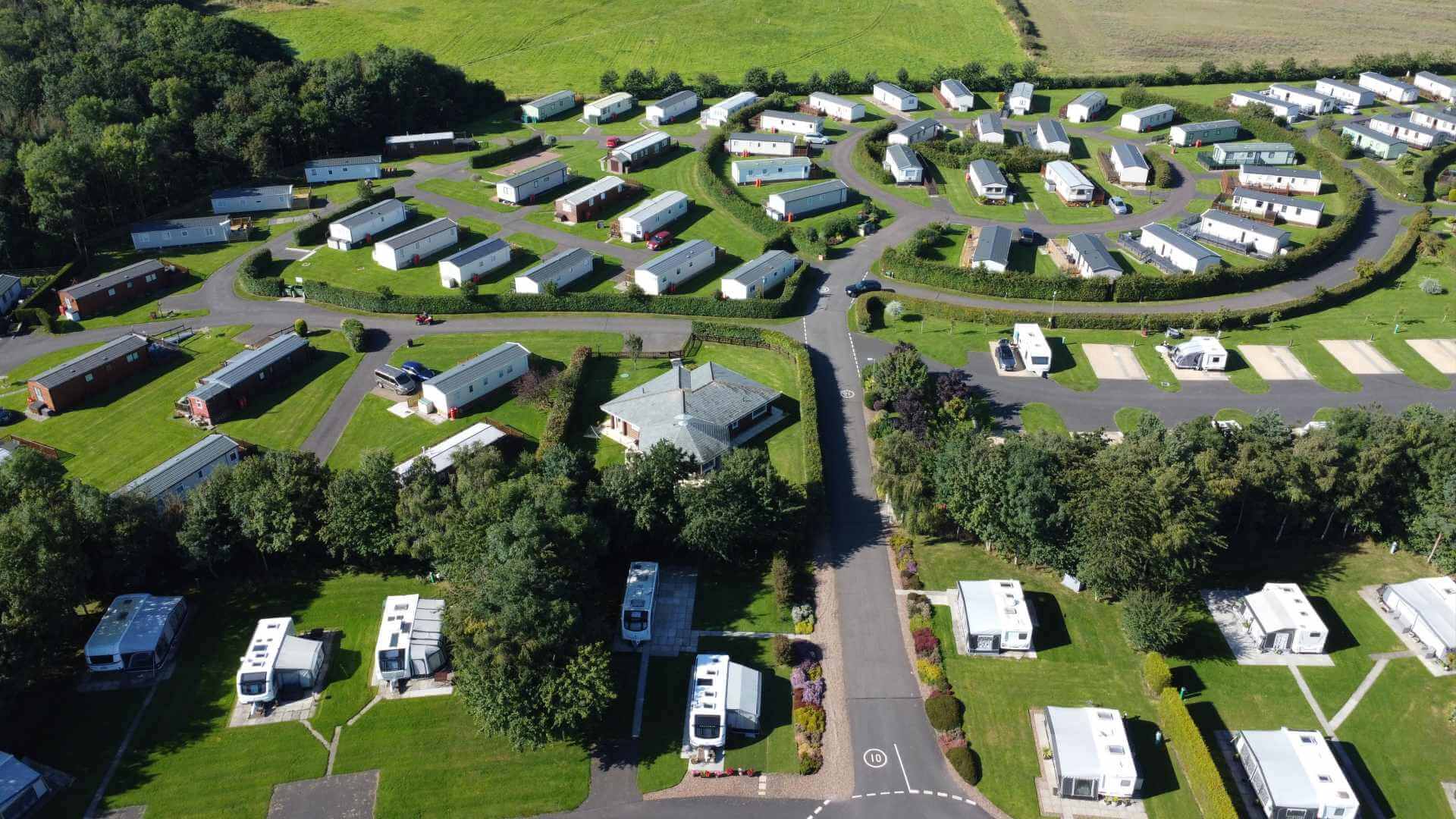
Underinsurance in Caravan Parks: The Hidden Risk of Rebuild Costs
Introduction: the claim that exposes the gap
Caravan parks are built to be resilient and welcoming, but many are quietly exposed to a financial risk that only shows up when something goes wrong: underinsurance.
A storm tears through the site and damages the main amenities block. A kitchen fire spreads smoke through the reception and shop. Flooding ruins electrical systems and flooring across multiple buildings. You make a claim expecting the policy to “put things back the way they were”. Then the loss adjuster asks for your declared buildings sum insured and the rebuild cost basis behind it.
If the sum insured is too low, the insurer may apply average (the underinsurance clause). That can reduce the payout across the claim, not just the amount above your limit. In plain terms: you can do everything right, suffer a genuine insured event, and still end up funding a large chunk of the rebuild yourself.
This guide explains why underinsurance happens so often in caravan parks, what “rebuild cost” really means, and how to reduce the risk without overpaying for cover.
What underinsurance means (and why it’s different to “market value”)
Underinsurance is when the sum insured you declare is less than the true cost to reinstate the property at the time of loss.
The key point: rebuild cost is not the same as market value.
-
Market value is what the property might sell for, influenced by location, demand, and income potential.
-
Rebuild cost is the cost to demolish, clear, and reconstruct the buildings and fixed structures to a similar specification, including professional fees and compliance.
Caravan parks are particularly vulnerable because the value of the business is often tied to land, pitch income, and location. That can make the sale price high while the rebuild cost feels “manageable” on paper—or the opposite, where the land value is modest but rebuilding specialist facilities is expensive.
Why caravan parks are especially prone to underinsurance
Underinsurance isn’t usually deliberate. It’s more often a slow drift caused by growth, inflation, and complexity.
1) Rebuild cost inflation has been volatile
Construction costs have moved quickly in recent years. Even if your sum insured was accurate when set, it can become outdated surprisingly fast.
If your policy increases the sum insured by a fixed percentage each year, that may not match real-world costs for:
-
Labour shortages
-
Materials price spikes
-
Regional contractor rates
-
Specialist trades (electrical, drainage, groundworks)
2) Parks evolve constantly
Caravan parks rarely stay static. Over time you might add:
-
New shower/toilet blocks
-
Reception refurbishments
-
A shop, café, or bar
-
Play areas, decking, or outdoor seating
-
Laundry rooms
-
Staff accommodation
-
Storage buildings
-
EV charging points
-
New electrical distribution or upgraded drainage
If these are not reflected in the buildings sum insured, you can end up paying premiums for “some” cover while missing the real rebuild exposure.
3) Hidden costs are easy to miss
Even experienced operators often underestimate the “extras” that sit outside bricks and mortar.
Common omissions include:
-
Demolition and debris removal
-
Asbestos surveys and removal (where relevant)
-
Professional fees (architects, engineers, surveyors, project managers)
-
Planning and building control costs
-
Upgrades required by current regulations
-
Temporary works and site security during rebuild
-
Reinstatement of hardstanding, paths, kerbs, and landscaping
4) Specialist facilities are expensive to reinstate
Amenities blocks, kitchens, leisure facilities, and plant rooms can be costly because they include:
-
Mechanical and electrical systems
-
Ventilation and extraction
-
Fire alarm and emergency lighting
-
Commercial kitchen equipment (if insured under buildings or contents depending on policy)
-
Disabled access requirements
-
Water heating systems and legionella controls
5) Seasonal trading increases the pressure
A major loss in peak season can create a double hit:
-
The rebuild costs are higher than expected.
-
The park loses income during the busiest months.
If underinsurance reduces the buildings payout, it can also delay reopening—making the business interruption impact worse.
The “average” clause: how underinsurance reduces claim payments
Many property policies apply an average clause (also called the underinsurance condition). If you insure a building for less than its true rebuild cost, the insurer can reduce the claim payment proportionally.
A simple example:
-
True rebuild cost: £1,000,000
-
Sum insured: £700,000 (70% of what it should be)
-
Claim for storm damage: £200,000
If average applies, the insurer may pay 70% of the claim:
-
Insurer pays: £140,000
-
You pay: £60,000
That’s before you consider any excess, policy limits, or exclusions.
This is why underinsurance is so dangerous: it can turn a manageable claim into a major cashflow crisis.
What counts in a caravan park rebuild cost?
Rebuild cost is the total cost to reinstate the insured property to a similar condition, including associated costs that are necessary to complete the works.
For caravan parks, the “buildings” definition varies by insurer, but often includes:
-
Reception buildings
-
Shops, cafés, bars, restaurants
-
Shower/toilet blocks and laundries
-
Maintenance workshops and storage
-
Staff accommodation
-
Fixed plant and machinery (sometimes)
-
Fixed signage, gates, and boundary walls (sometimes)
-
Permanent structures such as decking attached to buildings (sometimes)
And the rebuild cost calculation may need to allow for:
-
Demolition and site clearance
-
Professional fees
-
Compliance with current building regulations
-
Access constraints (working around pitches, narrow roads, seasonal occupancy)
-
Groundworks and drainage
-
Electrical distribution and connections
-
Reinstatement of surfaces and landscaping disturbed by works
Important: some items may sit under contents, stock, business interruption, or engineering cover rather than buildings. The risk is assuming “it’s all buildings” when the policy splits it across sections.
Common underinsurance traps for caravan parks
Here are the issues that most often create a shortfall.
Trap 1: Using purchase price or mortgage value
The price you paid for the park is not a reliable guide to rebuild cost. It includes land value and business goodwill.
Trap 2: Insuring only the “main building”
Operators sometimes focus on the reception/amenities block and forget:
Trap 3: Not updating after refurbishments
A refurbished amenities block with upgraded finishes, better ventilation, and improved accessibility can cost far more to reinstate than the older version.
Trap 4: Confusing buildings vs contents
Commercial kitchen equipment, laundry equipment, and some fixed plant can sit in a grey area. If it’s not clearly insured, you can end up with a gap.
Trap 5: Assuming index linking is enough
Index linking helps, but it’s not a substitute for a proper rebuild assessment—especially when you’ve expanded the site or changed the specification.
Trap 6: Ignoring site infrastructure
Parks often have significant infrastructure that can be expensive to repair, such as:
-
Electrical distribution
-
Water and wastewater systems
-
Roads, paths, hardstanding
-
Retaining walls
-
Fencing and gates
Some of this may be covered under buildings, some under “other structures”, and some may require specific extensions.
How to estimate the right sum insured (practical steps)
You don’t need to guess. You need a repeatable process.
1) Start with a rebuild valuation
A professional reinstatement cost assessment (often by a chartered surveyor) is the most reliable way to set buildings sums insured.
For caravan parks, it’s particularly useful because it can:
-
Separate buildings from infrastructure
-
Identify unusual features and specialist systems
-
Provide a defensible figure if a claim is challenged
2) Map every structure and fixed asset
Create a simple site list:
-
Building name
-
Use (amenities, reception, storage, staff)
-
Approx. size and construction type
-
Key systems (kitchen, plant room, solar, EV chargers)
-
Last refurb date
This helps ensure nothing is missed at renewal.
3) Include the “hidden” costs
When reviewing sums insured, check that the figure includes:
Some policies include these automatically up to a percentage; others require you to add them into the sum insured.
4) Review annually—and after any change
Do a formal review:
5) Check policy definitions and sub-limits
Ask your broker to confirm:
-
What “buildings” includes for your policy
-
Whether roads, paths, and underground services are included
-
Any sub-limits for outbuildings, signs, gates, or landscaping
-
Any conditions around average and how it’s applied
Rebuild costs and business interruption: the overlooked link
Underinsurance doesn’t just affect the buildings payout. It can also affect how quickly you can reopen.
If you’re underinsured and need to fund part of the rebuild yourself, delays can increase the loss of revenue.
For caravan parks, business interruption should be stress-tested against:
-
Peak-season income
-
Extended lead times for contractors
-
Planning delays
-
Supply chain delays for specialist equipment
-
The time needed to regain bookings and occupancy
Two key checks:
Risk management steps that reduce both claims and rebuild disruption
Insurance is one part of resilience. These steps can reduce the chance of a major loss and speed up recovery.
-
Maintain clear records of building works, invoices, and specifications
-
Keep up-to-date electrical inspection and testing (especially in older blocks)
-
Review fire risk assessments for reception, shops, kitchens, and laundries
-
Ensure contractors are vetted and hot works controls are in place
-
Maintain drainage and flood mitigation measures
-
Keep an asset register for fixed plant and key equipment
-
Store copies of policies, valuations, and site plans off-site
What to ask your broker (a quick checklist)
Use these questions at renewal:
-
What definition of buildings applies to my policy?
-
Does my sum insured include professional fees and debris removal?
-
Is an average clause applied? If so, how?
-
Are roads, paths, hardstanding, and underground services included?
-
Are there any sub-limits for outbuildings, signs, gates, or landscaping?
-
Do I have the right indemnity period for business interruption?
-
Have we reflected any new builds, refurbishments, or upgraded specifications?
-
Can we arrange a reinstatement cost assessment if we don’t have a recent one?
Conclusion: don’t let a paper figure become a real loss
Underinsurance is a hidden risk because it sits quietly in the background—until the day you need your policy to perform.
For caravan parks, rebuild costs can be higher than expected due to specialist facilities, infrastructure, and the practical realities of working on a live site. The good news is that underinsurance is preventable.
A rebuild valuation, a clear asset list, and an annual review process can protect you from average being applied and help ensure that, when you claim, the policy does what you bought it for: getting your park back up and running.
Call to action
If you run a UK caravan park and want a quick sense-check of your buildings sums insured and business interruption cover, speak to a specialist commercial insurance broker. A short review now can prevent a costly shortfall later.


 My Account