

 My Account

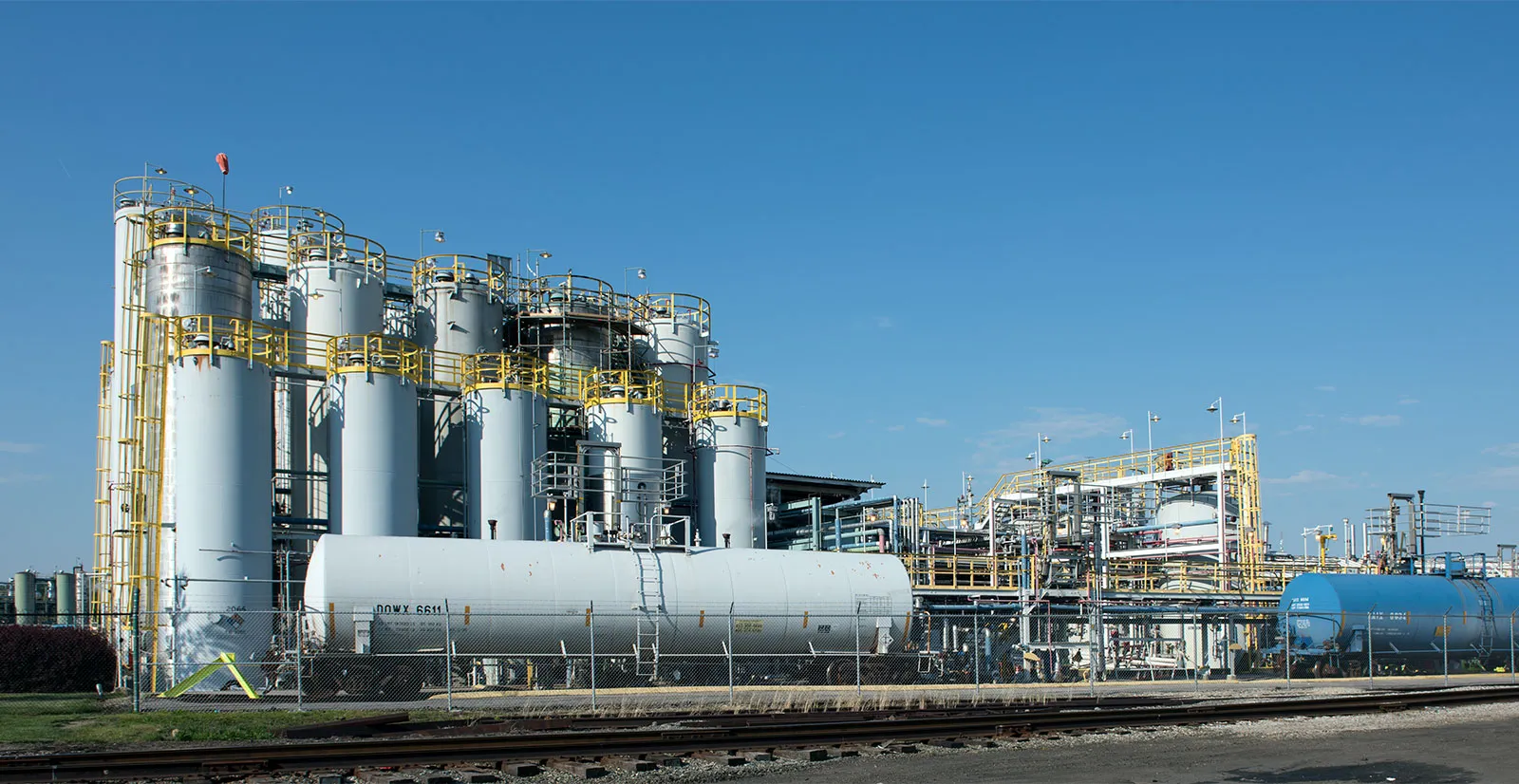
Toxic Gas Releases & Liability Exposure in Chemical Manufacturing (UK)
Introduction
A toxic gas release is one of the fastest-moving, highest-impact incidents a chemical manufacturer can face. Even a small leak can trigger emergency services attend…
A toxic gas release is one of the fastest-moving, highest-impact incidents a chemical manufacturer can face. Even a small leak can trigger emergency services attendance, site evacuation, production shutdown, environmental clean-up, and—crucially—injury claims from employees, contractors, neighbours, and the public.
This guide explains where liability exposure typically comes from in the UK, what regulators and claimants look for after an incident, and how to reduce both the likelihood and the financial impact of a release.
In practice, it’s any unplanned escape of hazardous gases or vapours that can harm people or the environment. That can include chlorine, ammonia, hydrogen sulphide, nitrogen oxides, phosgene, solvent vapours, and by-products created during reactions or thermal events.
Releases can be sudden (a line rupture) or gradual (a valve packing leak). Both create liability risk—gradual leaks often cause longer exposure and can be harder to evidence and defend.
Toxic gas claims are rarely “one and done”. They often involve multiple claimant groups and multiple alleged failures:
The incident itself may last minutes, but the legal and financial tail can run for years.
Most toxic gas releases come from a handful of recurring failure modes:
From a liability perspective, the “root cause” matters less than what you can demonstrate about your controls, competence, and decision-making.
After a release, liability exposure typically sits across three tracks:
In the UK, chemical manufacturing may also fall under COMAH (Control of Major Accident Hazards) depending on substances and quantities. COMAH brings additional duties around major accident prevention policy, safety reports (upper tier), and emergency planning.
EL exposure is often the first and most direct. Claimants may allege:
Even where you believe exposure was minimal, disputes can arise over symptoms, causation, and long-term effects.
PL claims can arise from:
If the release contaminates product or packaging, you may also face product-related allegations—especially if customers suffer downstream losses.
Environmental exposure can include:
Traditional liability policies may have limitations around gradual pollution, known conditions, or specific exclusions. This is where specialist environmental cover can become important.
Following serious incidents, scrutiny often lands on governance: decision-making, resourcing, and whether warnings were acted on. While not every incident leads to personal exposure, it’s common for investigators to examine whether the business had effective management systems and competent oversight.
In claims and defence, documentation is your friend. Expect questions like:
If you can show a consistent, well-run system, you’re in a stronger position to defend liability and reduce settlement values.
Chemical manufacturers often need a blend of covers, and the right structure matters as much as the headline limit.
Key policy points to review include:
You don’t need perfection; you need robust, evidenced control.
When a release occurs, your first priority is safety. But your early actions also shape liability outcomes.
A well-managed response reduces harm, and it also reduces the scope for allegations of negligence.
Toxic gas releases create a unique combination of fast-moving operational risk and long-running liability exposure. The strongest defence is a clear, documented system: robust engineering controls, disciplined maintenance and change management, competent people, and an emergency plan that works in practice.
If you manufacture, store, or handle hazardous chemicals, it’s worth reviewing your liability and environmental cover alongside your risk controls—so that if the worst happens, you’re protected financially as well as operationally.
If you’re a UK chemical manufacturer and want to sense-check your liability exposure—cover limits, pollution wording, and the practical risk controls insurers expect—Insure24 can help. Speak to our team for a straight-talking review and a quote tailored to your processes and substances.
A toxic gas release is one of the fastest-moving, highest-impact incidents a chemical manufacturer can face. Even a small leak can trigger emergency services attend…
Fire and explosion are among the most severe loss events a chemical plant can face. They can cause catastrophic injury, long shutdowns, environmental damage, and complex third…
A chemical spill can start small: a split IBC in a yard, a leaking drum in a van, a burst pipe in a plant room, or a forklift puncture in a warehouse. But the c…
Chemical manufacturing is one of the most risk-intensive industries in the UK. You’re handling hazardous substances, complex processes, high temperatures and pressures, and a supp…